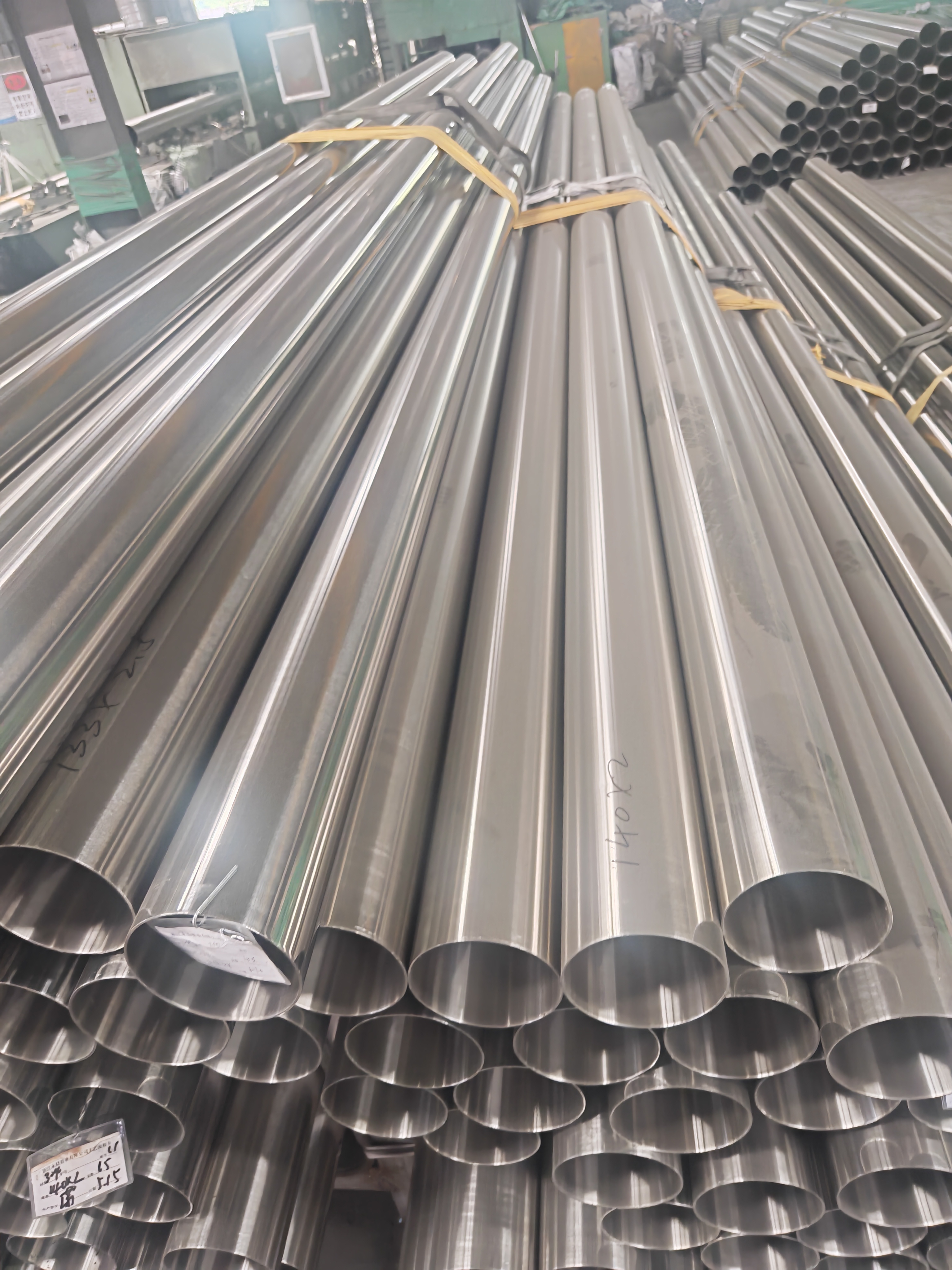
Steel Seam Pipe: High-Quality Welded Pipeline Solutions for Industrial Applications

All Categories

Get a Free Quote

Our representative will contact you soon.
Email
Mobile/WhatsApp
Name
Company Name
Message
0/1000

steel seam pipe

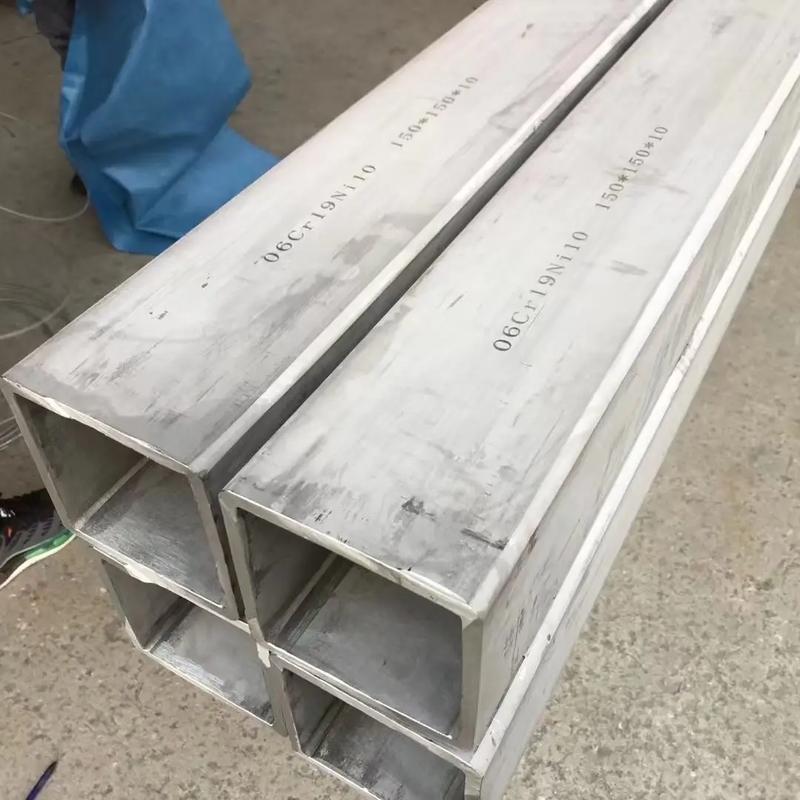
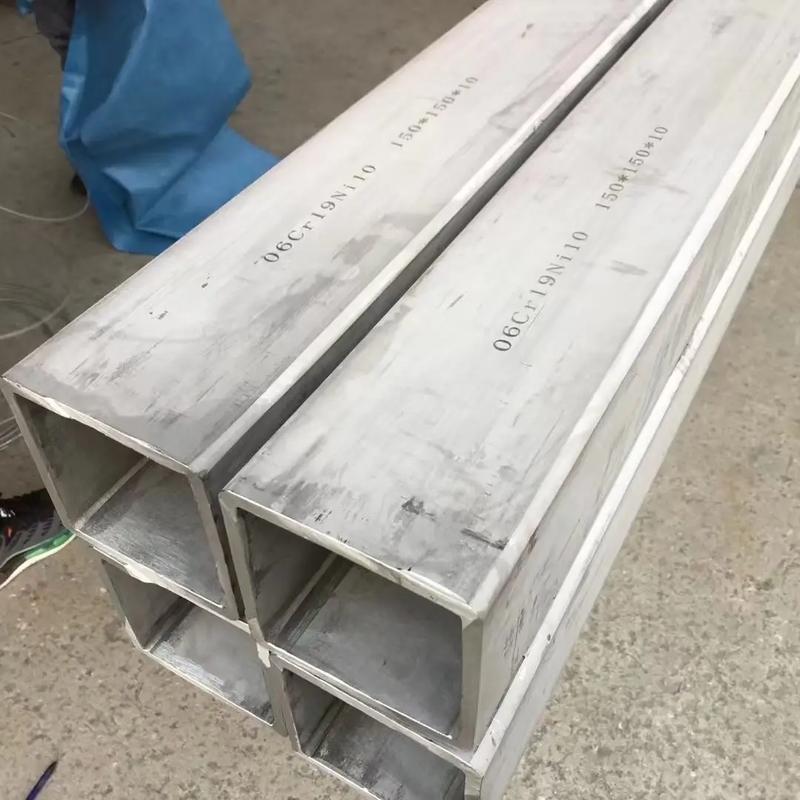
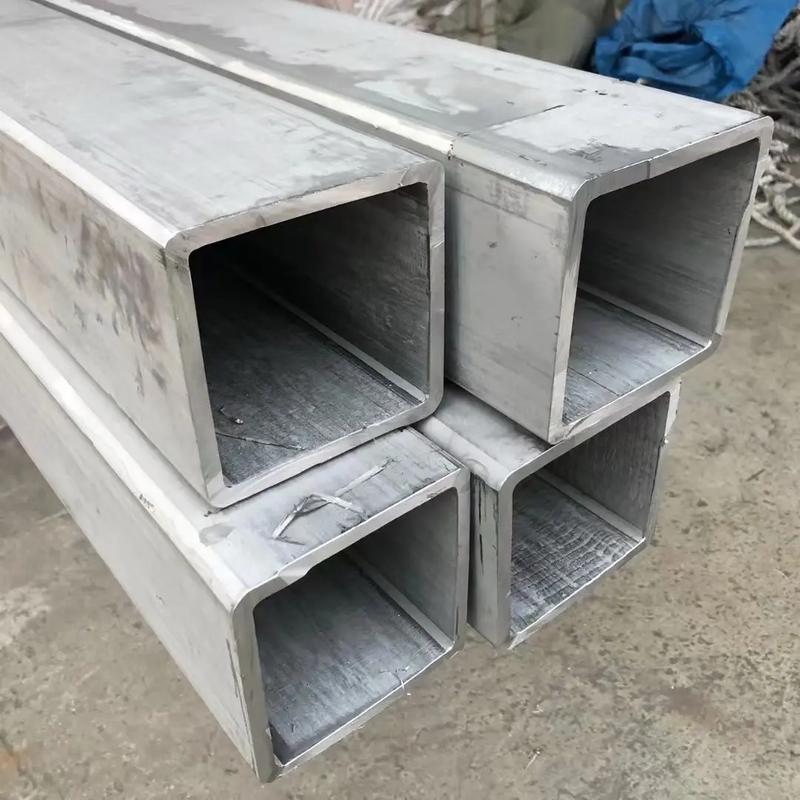
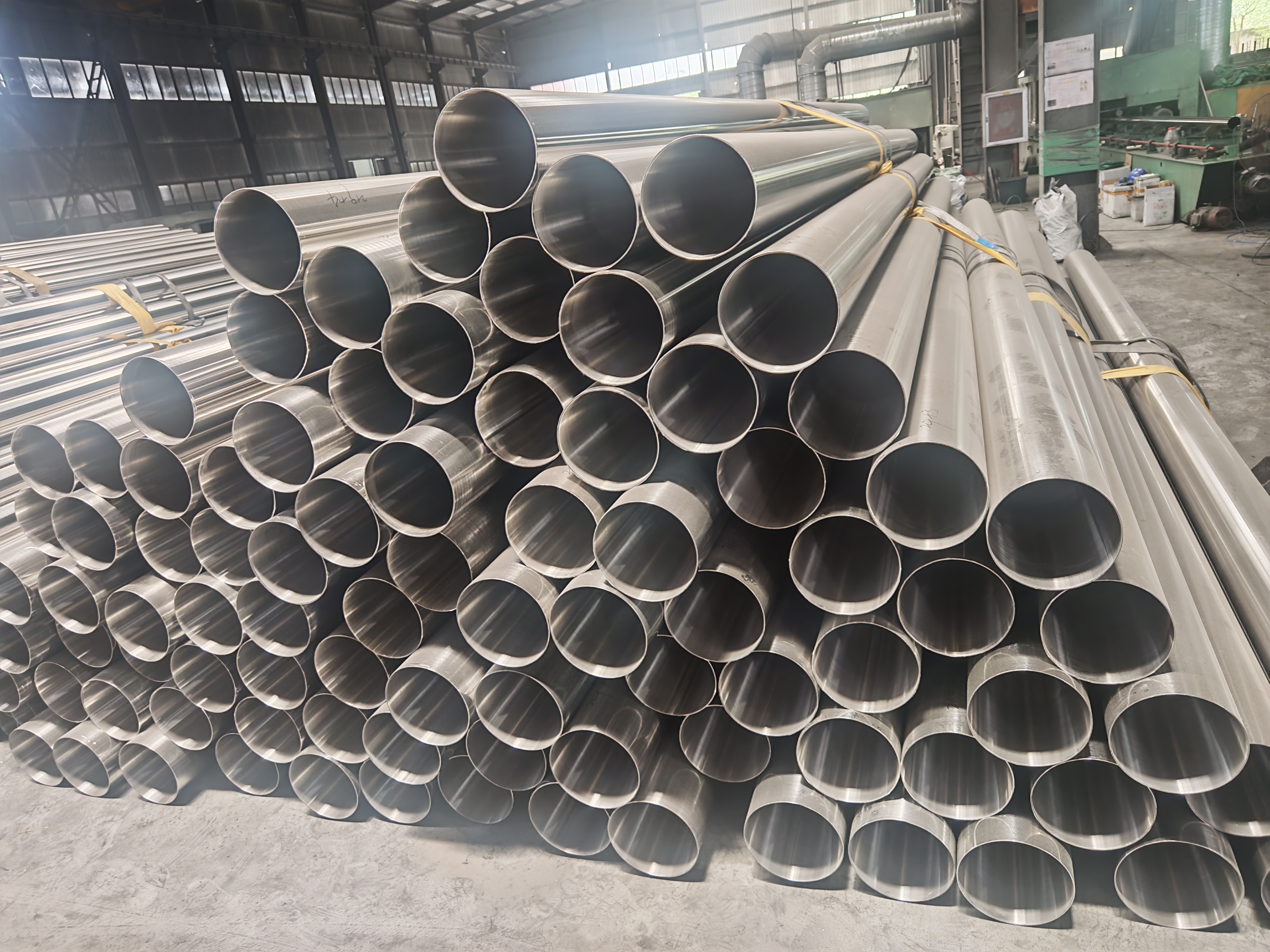
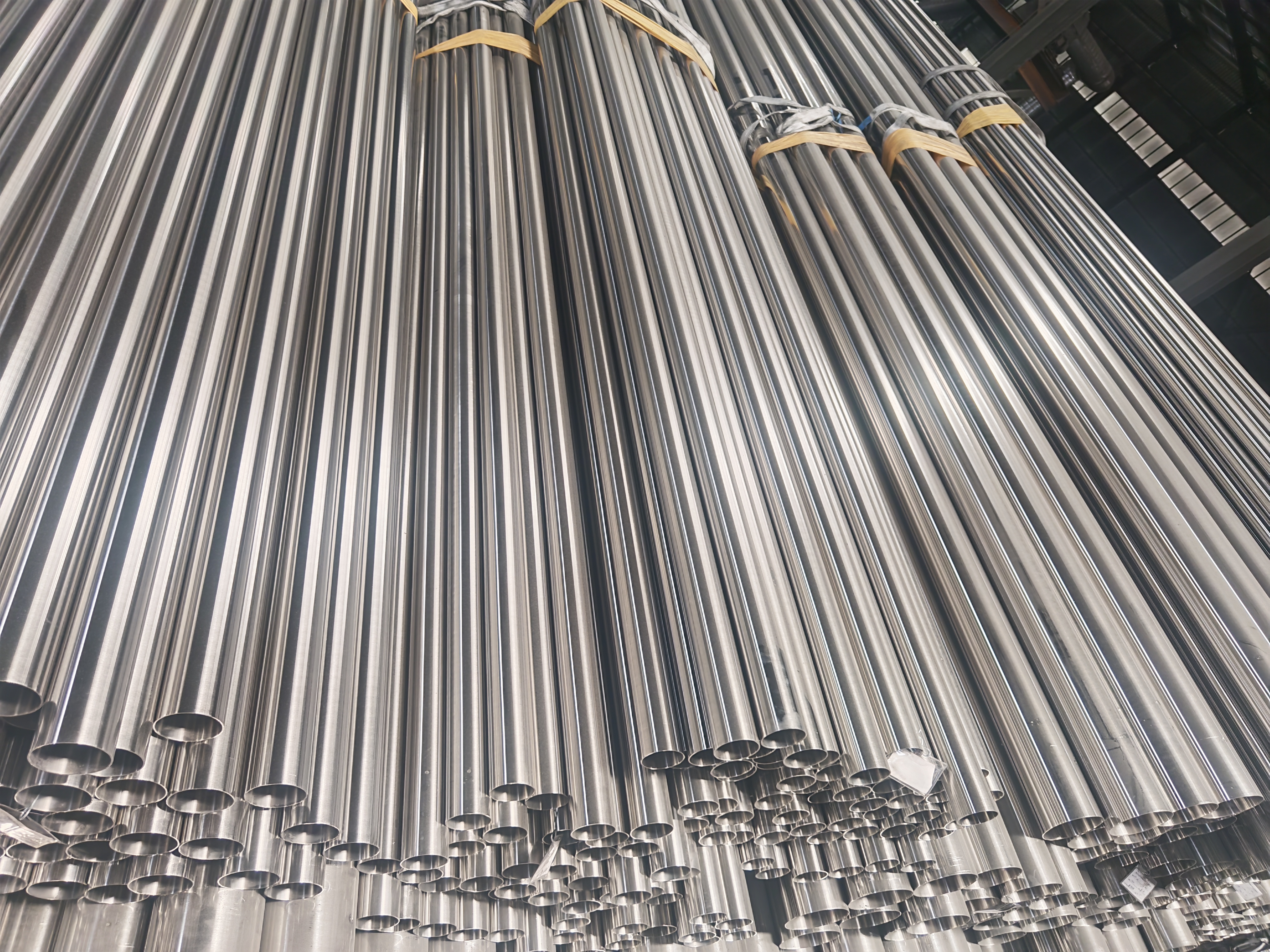
Steel seam pipe represents a fundamental component in modern industrial infrastructure, serving as a reliable conduit for fluid transportation across diverse sectors. This welded pipe construction features a longitudinal seam created through advanced welding techniques, forming a continuous cylindrical structure from flat steel plates or coils. The steel seam pipe manufacturing process begins with high-quality steel materials that undergo precise forming and welding operations to create durable pipeline solutions. These pipes demonstrate exceptional structural integrity through their welded joint design, which creates a permanent bond that withstands significant pressure and environmental stresses. The technological foundation of steel seam pipe production incorporates sophisticated welding methodologies, including electric resistance welding and submerged arc welding, ensuring consistent quality and performance standards. Manufacturing facilities utilize computer-controlled systems to maintain precise dimensional accuracy and wall thickness uniformity throughout the production cycle. The steel seam pipe construction allows for customization in diameter, wall thickness, and length specifications to meet specific project requirements. Quality control measures include non-destructive testing procedures such as ultrasonic inspection and radiographic examination to verify weld integrity and overall pipe quality. Steel seam pipe applications span numerous industries including oil and gas transmission, water distribution systems, structural applications, and industrial processing facilities. The versatility of steel seam pipe makes it suitable for both above-ground and underground installations, with appropriate coating systems providing corrosion protection for extended service life. Engineering specifications for steel seam pipe typically conform to international standards such as API, ASTM, and ASME, ensuring compatibility with existing infrastructure and regulatory compliance. The manufacturing process enables cost-effective production of large-diameter pipes that would be economically challenging to produce through seamless manufacturing methods.

Popular Products

Steel seam pipe offers numerous practical benefits that make it an optimal choice for pipeline projects across various industries. The primary advantage lies in its cost-effectiveness compared to seamless alternatives, as the welding process allows manufacturers to produce larger quantities at lower per-unit costs without compromising quality standards. This economic efficiency translates directly into budget savings for construction projects and infrastructure development initiatives. The manufacturing flexibility of steel seam pipe enables custom sizing options that seamless pipes cannot easily accommodate, particularly for large-diameter applications exceeding standard seamless production capabilities. Engineering teams appreciate the predictable material properties and consistent wall thickness that steel seam pipe provides, facilitating accurate stress calculations and system design parameters. Installation crews benefit from the standardized dimensions and straight lengths that simplify field assembly and reduce connection complexities. The welded construction actually enhances certain performance characteristics, as modern welding techniques create joints that often exceed the strength of the base material itself. Quality assurance protocols during steel seam pipe production include comprehensive testing procedures that verify mechanical properties, dimensional accuracy, and weld integrity before shipment. Transportation logistics become more manageable with steel seam pipe due to its ability to be manufactured in longer standard lengths, reducing the number of field joints required for pipeline construction. Maintenance operations prove more straightforward because steel seam pipe responds predictably to repair welding and modification procedures. The material compatibility of steel seam pipe with standard fittings, flanges, and connection hardware eliminates procurement complications and reduces inventory requirements. Corrosion protection systems integrate seamlessly with steel seam pipe surfaces, whether through external coatings, internal linings, or cathodic protection systems. Environmental considerations favor steel seam pipe due to its recyclability and the reduced energy consumption during manufacturing compared to seamless production processes. The proven track record of steel seam pipe in critical infrastructure applications demonstrates its reliability and longevity under demanding operating conditions. Supply chain advantages include shorter lead times and more consistent availability compared to specialty seamless products, ensuring project schedules remain on track.

Tips And Tricks

Strongwin Stainless Steel Group Achieves ISO 90012015 Certification and AD 2000 Merkblatt Approval

28

Feb

Strongwin Stainless Steel Group Achieves ISO 90012015 Certification and AD 2000 Merkblatt Approval

View More
Strongwin Stainless Steel Group Announces Major Production Capacity Expansion to Meet Growing Global Demand

11

Mar

Strongwin Stainless Steel Group Announces Major Production Capacity Expansion to Meet Growing Global Demand

View More
Strongwin Stainless Steel Group Announces Strategic Partnership with Leading European Engineering Firm

11

Mar

Strongwin Stainless Steel Group Announces Strategic Partnership with Leading European Engineering Firm

View More

Get a Free Quote

Our representative will contact you soon.
Email
Mobile/WhatsApp
Name
Company Name
Message
0/1000

steel seam pipe

Superior Weld Quality and Structural Integrity

Superior Weld Quality and Structural Integrity

The cornerstone advantage of modern steel seam pipe lies in its exceptional weld quality achieved through advanced manufacturing processes that create bonds stronger than the parent material itself. Contemporary welding technology utilizes precise heat control and automated systems to ensure consistent penetration and fusion throughout the entire seam length. The steel seam pipe manufacturing process employs multiple quality checkpoints, including pre-weld preparation, real-time monitoring during welding, and post-weld inspection procedures that guarantee structural integrity. Sophisticated welding equipment maintains optimal parameters for temperature, travel speed, and electrode positioning, resulting in uniform weld profiles that eliminate weak points or inconsistencies. The longitudinal seam design distributes stress loads effectively along the pipe length, preventing concentrated stress points that could lead to failure under pressure or thermal cycling conditions. Non-destructive testing methods such as ultrasonic examination and radiographic inspection verify complete fusion and detect any potential defects before the steel seam pipe leaves the manufacturing facility. The weld zone actually develops enhanced mechanical properties through controlled cooling processes that refine the grain structure and increase tensile strength. Modern steel seam pipe production incorporates backup systems and redundant quality measures to ensure every weld meets or exceeds industry specifications for critical applications. The welding process creates a metallurgical bond that becomes an integral part of the pipe structure, not merely a mechanical connection, providing long-term reliability under challenging operating conditions. Advanced welding techniques eliminate the historical concerns about seam weakness that existed in older welding technologies, making contemporary steel seam pipe suitable for high-pressure and high-temperature applications. The consistent weld quality enables engineers to design systems with confidence, knowing that the steel seam pipe will perform reliably throughout its intended service life without concerns about seam-related failures.
Cost-Effective Manufacturing and Economic Benefits

Cost-Effective Manufacturing and Economic Benefits

Steel seam pipe delivers significant economic advantages through efficient manufacturing processes that optimize material utilization and production capacity while maintaining stringent quality standards. The welding approach allows manufacturers to transform readily available steel coils or plates into finished pipe products without the expensive equipment and energy-intensive processes required for seamless pipe production. This manufacturing efficiency translates into lower costs per linear foot for customers, making steel seam pipe an attractive option for large-scale projects where budget considerations play a crucial role in material selection decisions. The production scalability of steel seam pipe enables manufacturers to adjust output volumes based on market demand, ensuring consistent supply availability and competitive pricing structures. Raw material flexibility allows steel seam pipe manufacturers to source steel from multiple suppliers and optimize procurement costs based on market conditions and quality requirements. The manufacturing process generates minimal waste compared to seamless production methods, as the forming and welding operations utilize nearly all input materials, contributing to overall cost efficiency. Labor efficiency improvements through automated welding systems reduce production costs while maintaining consistent quality levels that meet or exceed industry standards for steel seam pipe applications. Transportation economics favor steel seam pipe due to its ability to be manufactured in standard shipping lengths that maximize truck and rail car capacity utilization. Inventory management becomes more cost-effective because steel seam pipe can be produced in shorter lead times compared to seamless alternatives, reducing carrying costs and improving cash flow for distributors and contractors. The standardized dimensions and specifications of steel seam pipe simplify procurement processes and reduce administrative costs associated with custom ordering and specification verification. Installation cost savings result from the consistent quality and dimensions that reduce field fitting time and minimize the risk of rework or rejection during construction activities.
Versatile Applications and Engineering Flexibility

Versatile Applications and Engineering Flexibility

The engineering versatility of steel seam pipe makes it suitable for an extensive range of applications across diverse industries, from municipal water systems to complex petrochemical facilities. This adaptability stems from the manufacturing flexibility that allows customization of dimensions, wall thickness, and material grades to meet specific performance requirements and operating conditions. Steel seam pipe applications include pressure vessel fabrication, where the welded construction provides reliable containment for various fluids and gases under controlled conditions. Structural applications benefit from the consistent dimensional properties and predictable mechanical characteristics that steel seam pipe offers for building frameworks, support systems, and architectural elements. The pipe design accommodates various end preparation options, including beveled ends for welding, threaded connections for mechanical joints, and flanged configurations for bolted assemblies. Coating compatibility ensures that steel seam pipe can be protected against corrosion through external paint systems, fusion-bonded epoxy, polyethylene wrapping, or specialized chemical-resistant coatings based on environmental exposure requirements. Underground installation applications rely on steel seam pipe durability and the availability of protective coatings that prevent soil-induced corrosion and extend service life in buried environments. Process piping systems utilize steel seam pipe for fluid transport in manufacturing facilities, power plants, and chemical processing operations where reliability and pressure rating consistency are essential. The material properties of steel seam pipe allow engineers to specify appropriate grades and heat treatments that optimize performance for specific temperature and pressure conditions encountered in service. Modification capabilities enable field welding of fittings, branches, and connections without compromising the integrity of the original steel seam pipe structure. Size availability ranges from small-diameter applications to large transmission pipelines, providing design flexibility that accommodates various flow requirements and space constraints. International standard compliance ensures that steel seam pipe products integrate seamlessly with existing infrastructure and meet regulatory requirements across different geographic regions and industrial sectors.

Get a Free Quote

Our representative will contact you soon.
Email
Mobile/WhatsApp
Name
Company Name
Message
0/1000