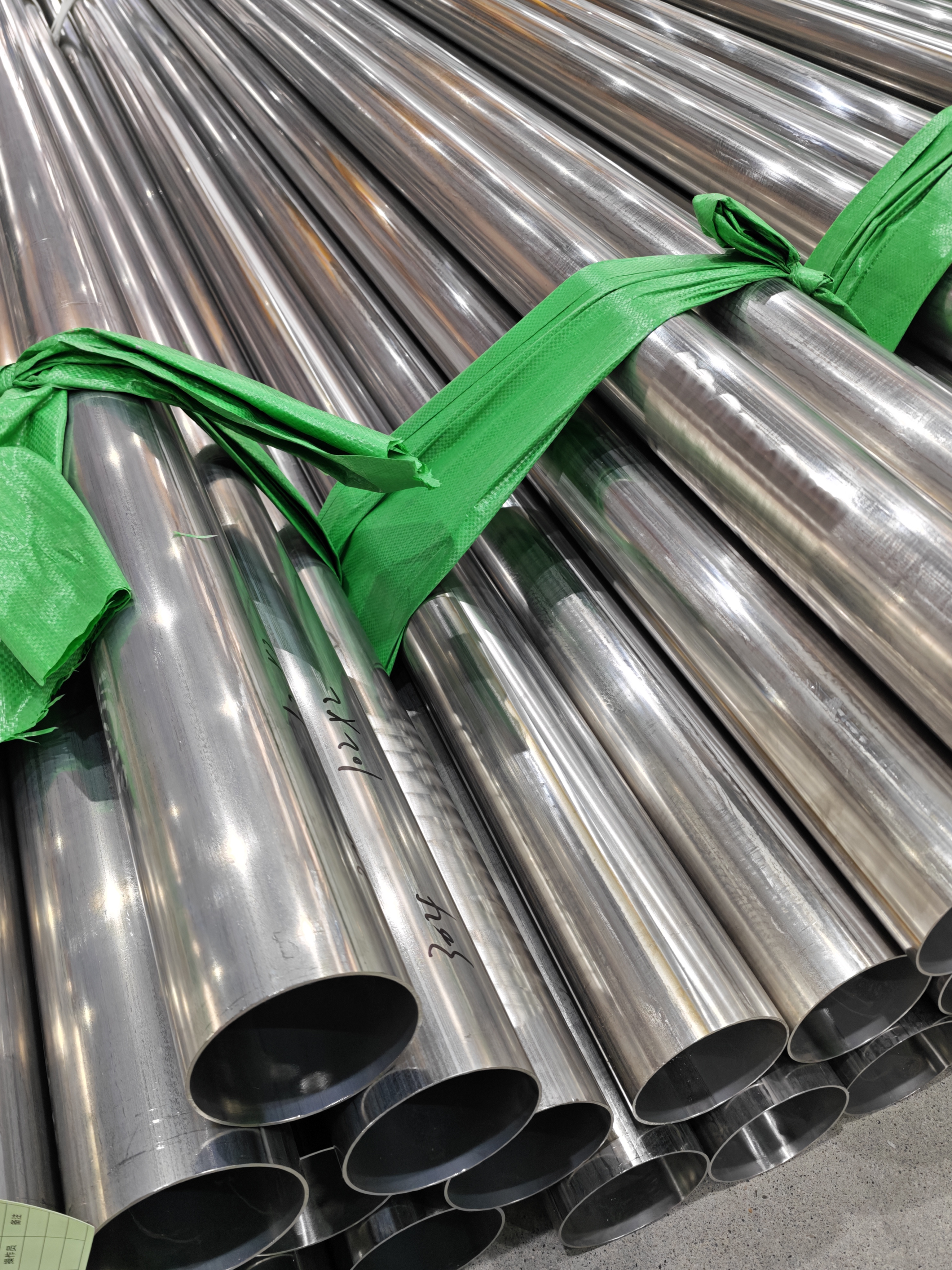
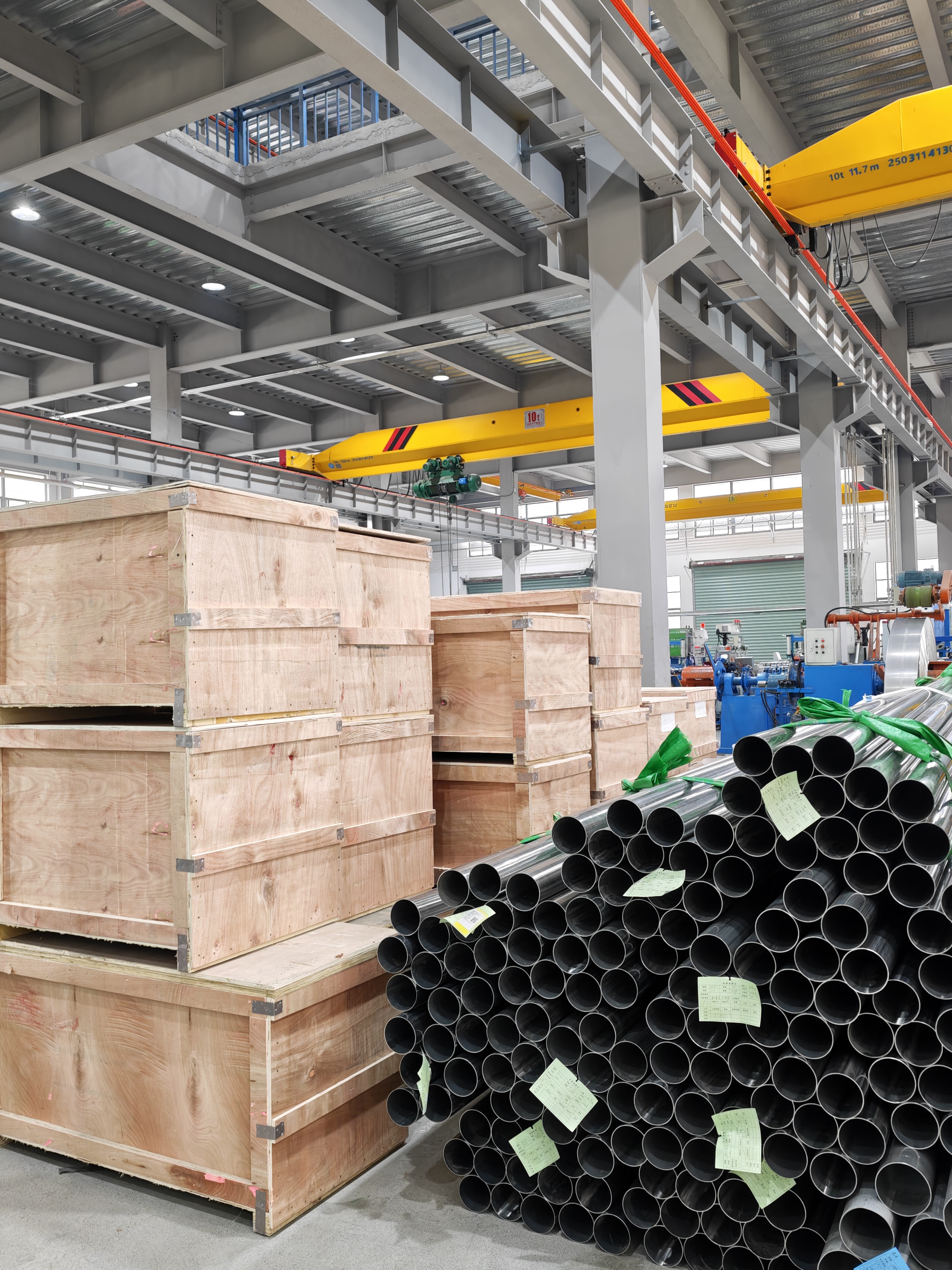
seamless and erw
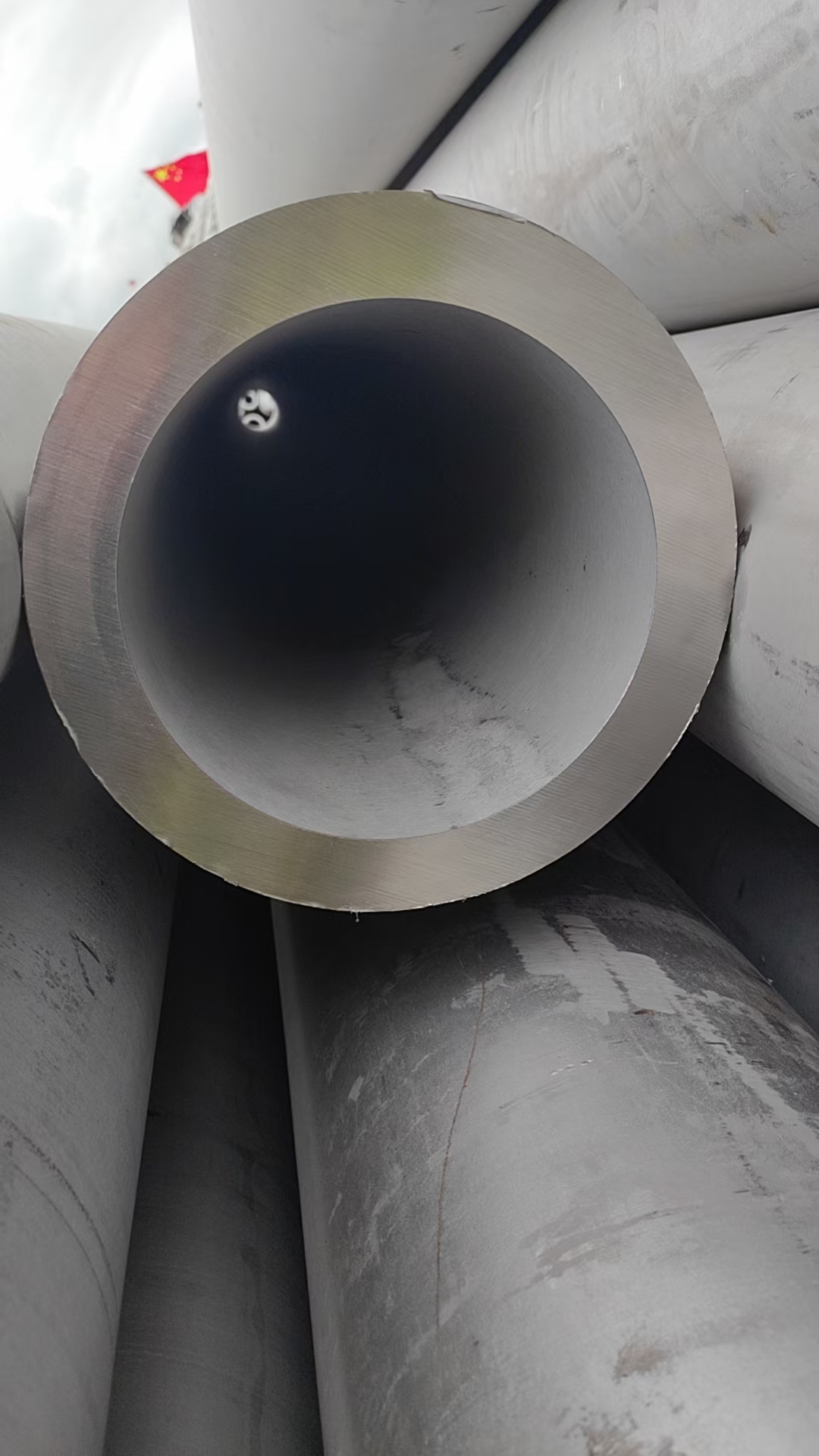
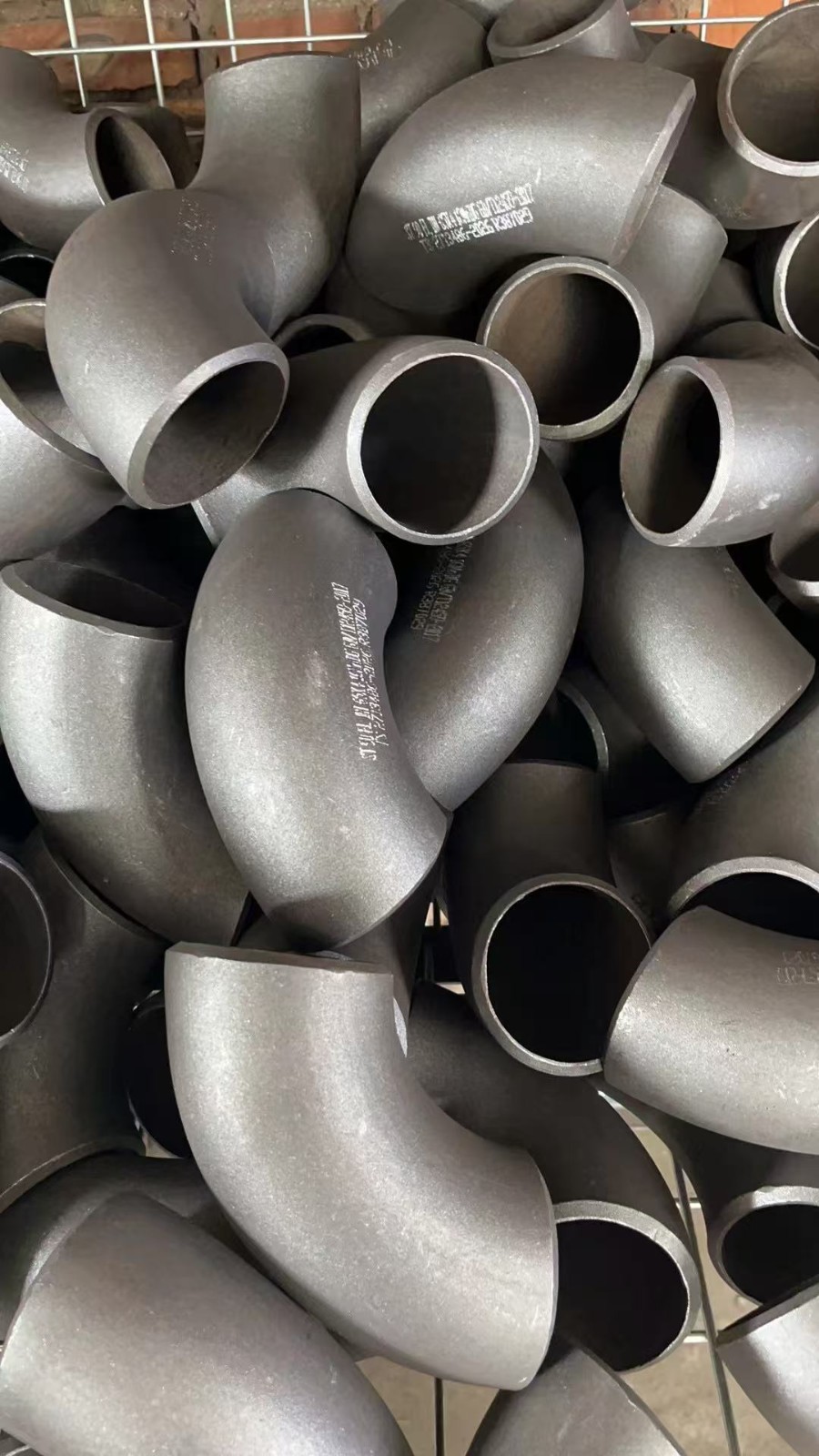
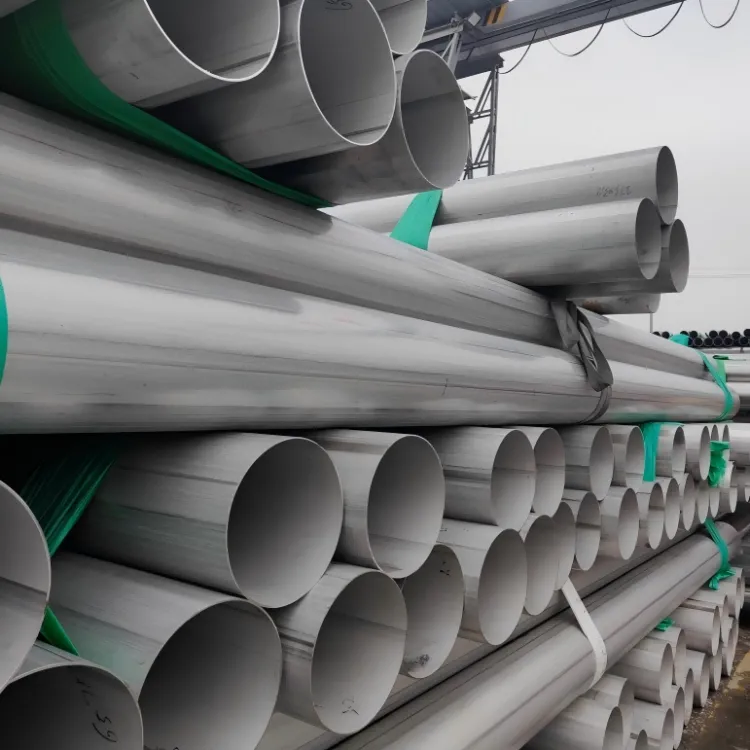
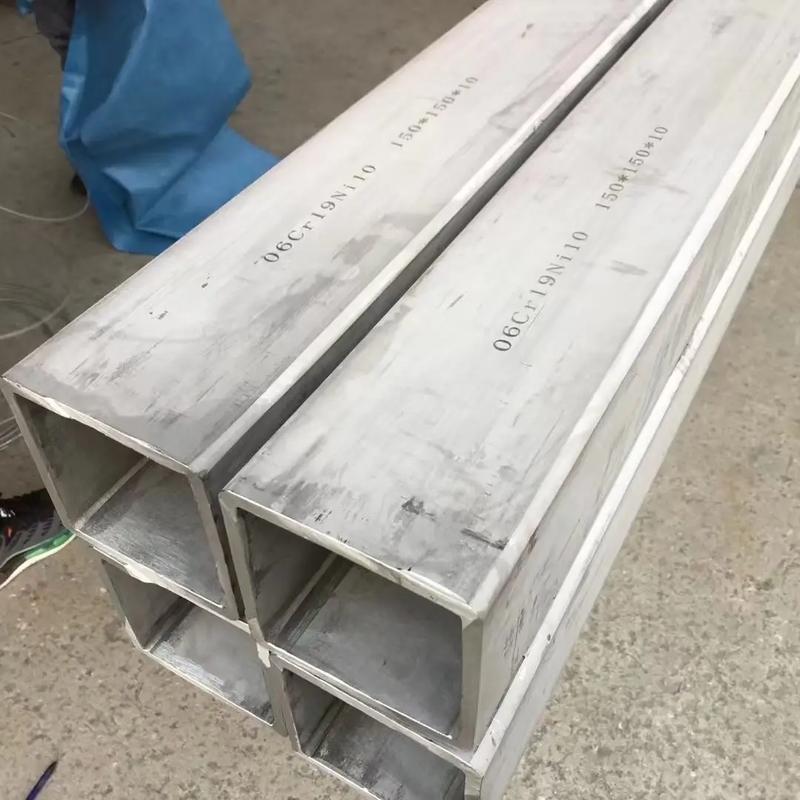
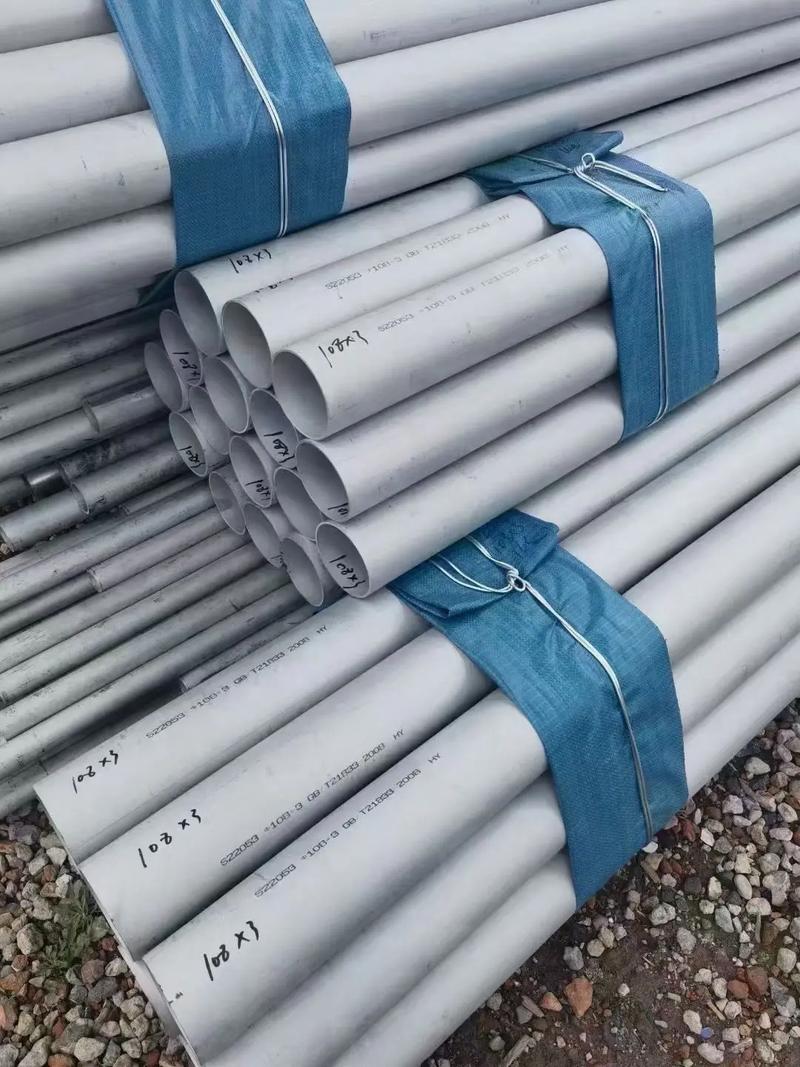
Seamless and ERW pipes represent two fundamental categories of welded steel tubing that serve critical roles across numerous industries. The primary difference lies in their manufacturing processes: seamless pipes are formed by piercing solid steel billets without any welding seams, while ERW (Electric Resistance Welded) pipes are created by rolling steel coils into cylindrical shapes and welding the edges together using electrical resistance heating. Understanding seamless and ERW applications helps engineers and buyers select the most appropriate solution for their specific requirements.
Seamless and ERW pipes differ significantly in their technological characteristics and structural properties. Seamless pipes offer superior pressure-bearing capacity and are ideal for high-temperature, high-pressure applications such as oil and gas extraction, power generation, and hydraulic systems. ERW pipes provide cost-effective solutions with consistent quality and are widely used in structural applications, mechanical systems, and general-purpose piping. The seamless and ERW market continues to expand as industries demand reliable, durable piping solutions.
Both seamless and ERW pipes undergo rigorous quality testing and certification processes to ensure they meet international standards. The choice between seamless and ERW depends on operational pressures, temperature ranges, corrosion resistance needs, and budget constraints. Industries ranging from petrochemical processing to construction utilize seamless and ERW pipes for transporting fluids, gases, and structural support. Modern manufacturing facilities produce seamless and ERW pipes with enhanced precision and consistency, meeting the evolving demands of contemporary industrial applications.
 EN
EN