erw and seamless pipe
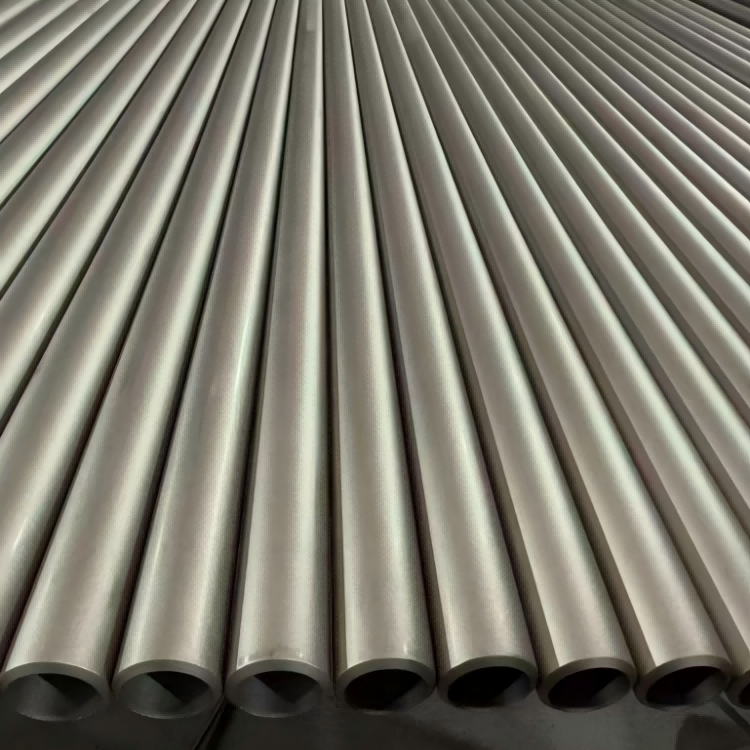
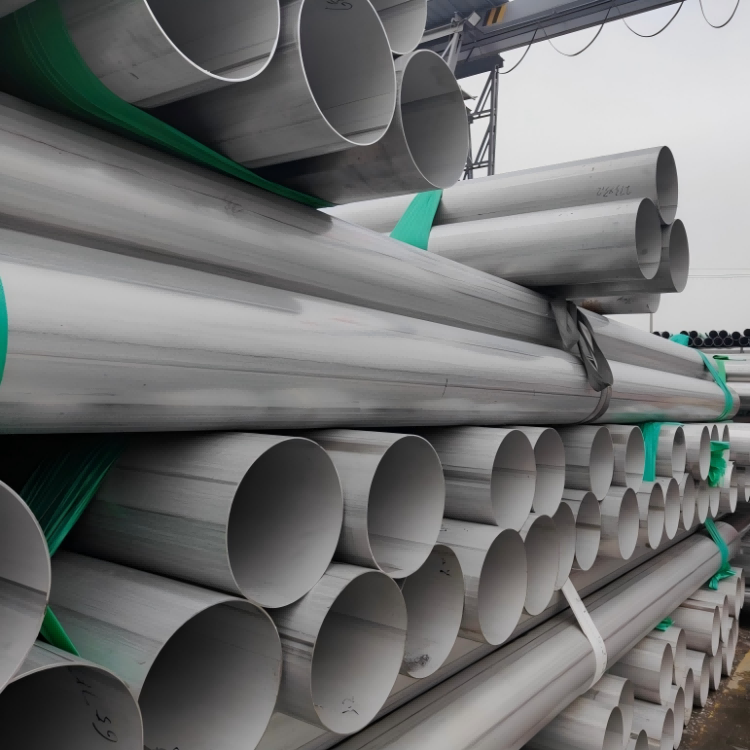
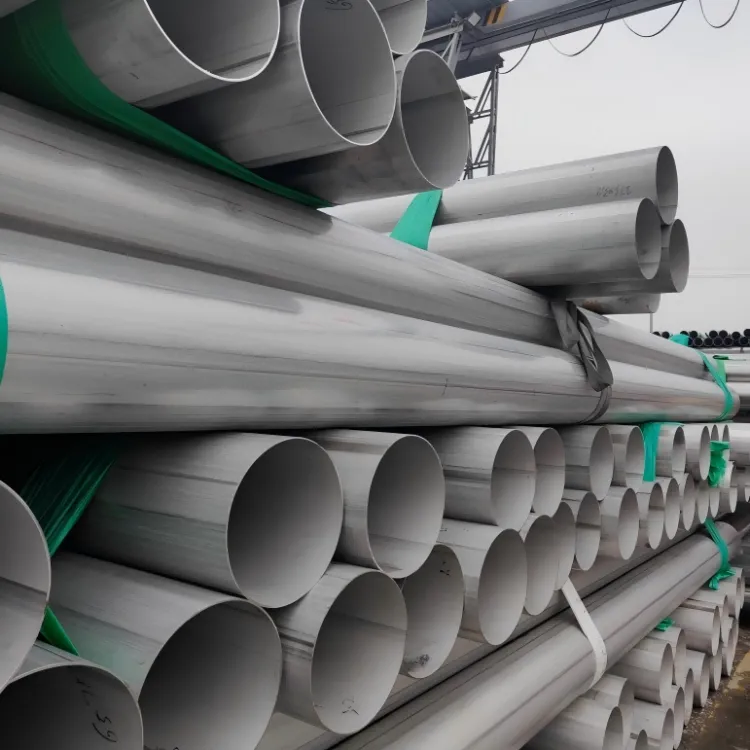
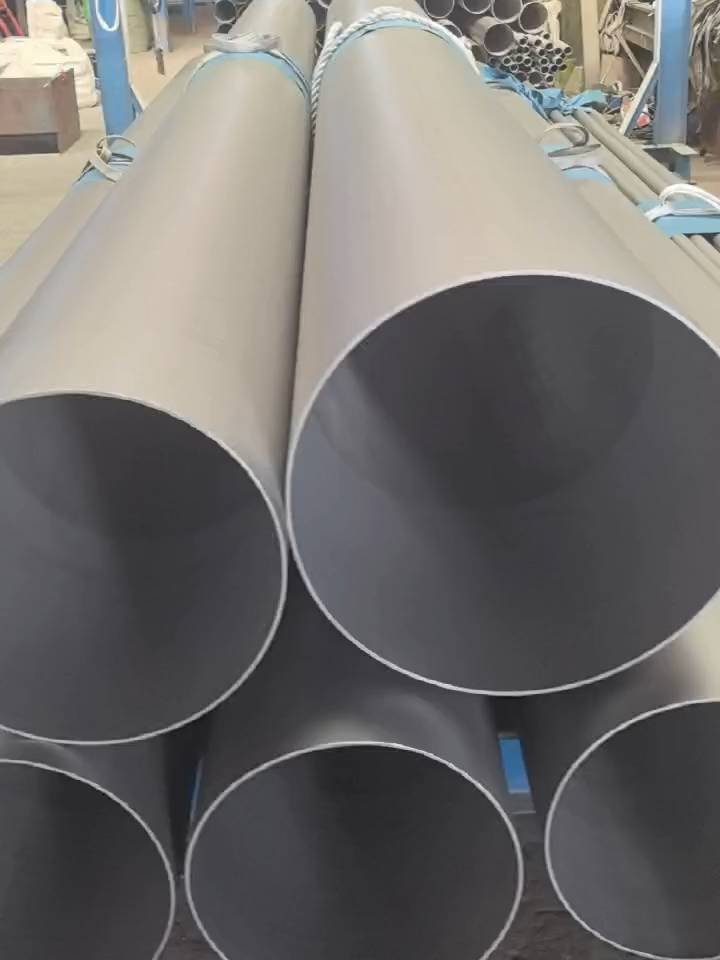
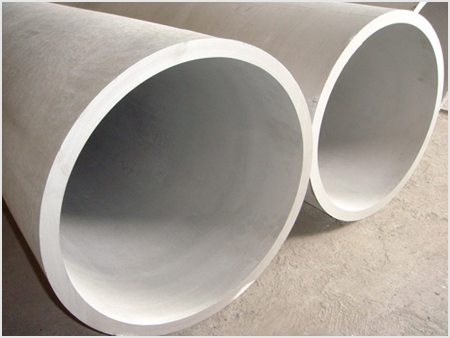
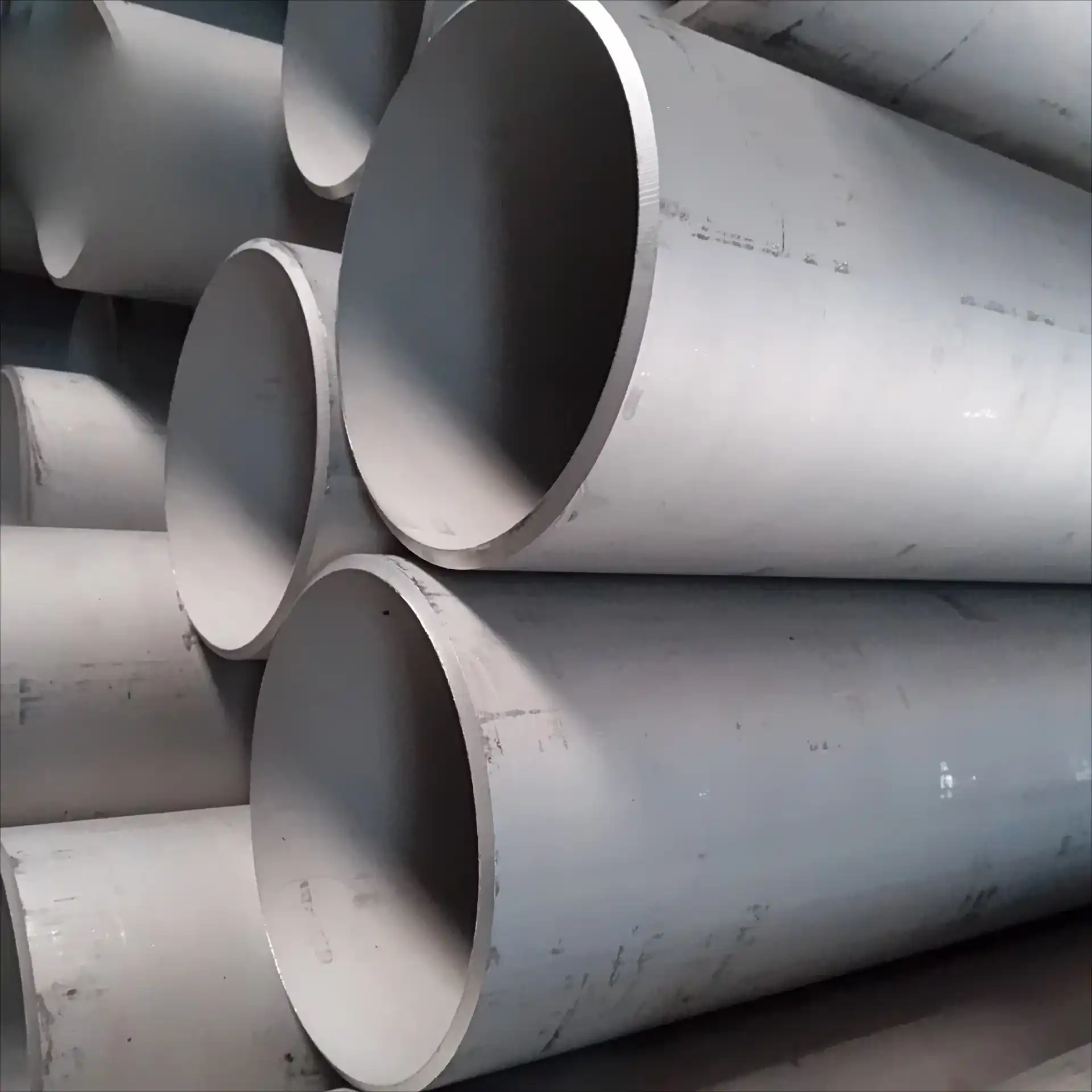
ERW and seamless pipe represent two distinct manufacturing approaches that serve critical roles in industrial applications worldwide. ERW, or Electric Resistance Welded pipe, is created by forming steel coil into a cylindrical shape and welding the seam using electric resistance. Seamless pipe, conversely, is manufactured by piercing a solid steel billet to create a hollow tube without any longitudinal seam. Both erw and seamless pipe deliver exceptional performance characteristics suited to different operational requirements.
The main function of erw and seamless pipe is to transport fluids, gases, and solids across diverse industrial sectors. ERW pipe excels in applications requiring cost-effectiveness and rapid production capabilities, making it ideal for structural applications, mechanical tubing, and standard fluid conveyance. Seamless pipe provides superior integrity for high-pressure environments, corrosive conditions, and demanding service applications.
Technologically, erw and seamless pipe differ significantly in their construction methodology. ERW pipe manufacturing involves precise coil forming, continuous seam welding, and comprehensive quality testing. Seamless pipe production utilizes hot piercing, rolling, and sizing processes that eliminate welded joints entirely. Both erw and seamless pipe undergo rigorous testing protocols including hydrostatic pressure testing, dimensional verification, and material certification to ensure compliance with international standards.
Applications for erw and seamless pipe span numerous industries. Petrochemical facilities, power generation plants, and hydraulic systems commonly utilize seamless configurations for critical functions. Construction projects, automotive manufacturing, and general industrial piping frequently employ erw and seamless pipe solutions. The versatility of both types ensures availability for virtually any piping requirement within modern infrastructure and industrial operations.
 EN
EN