 EN
EN

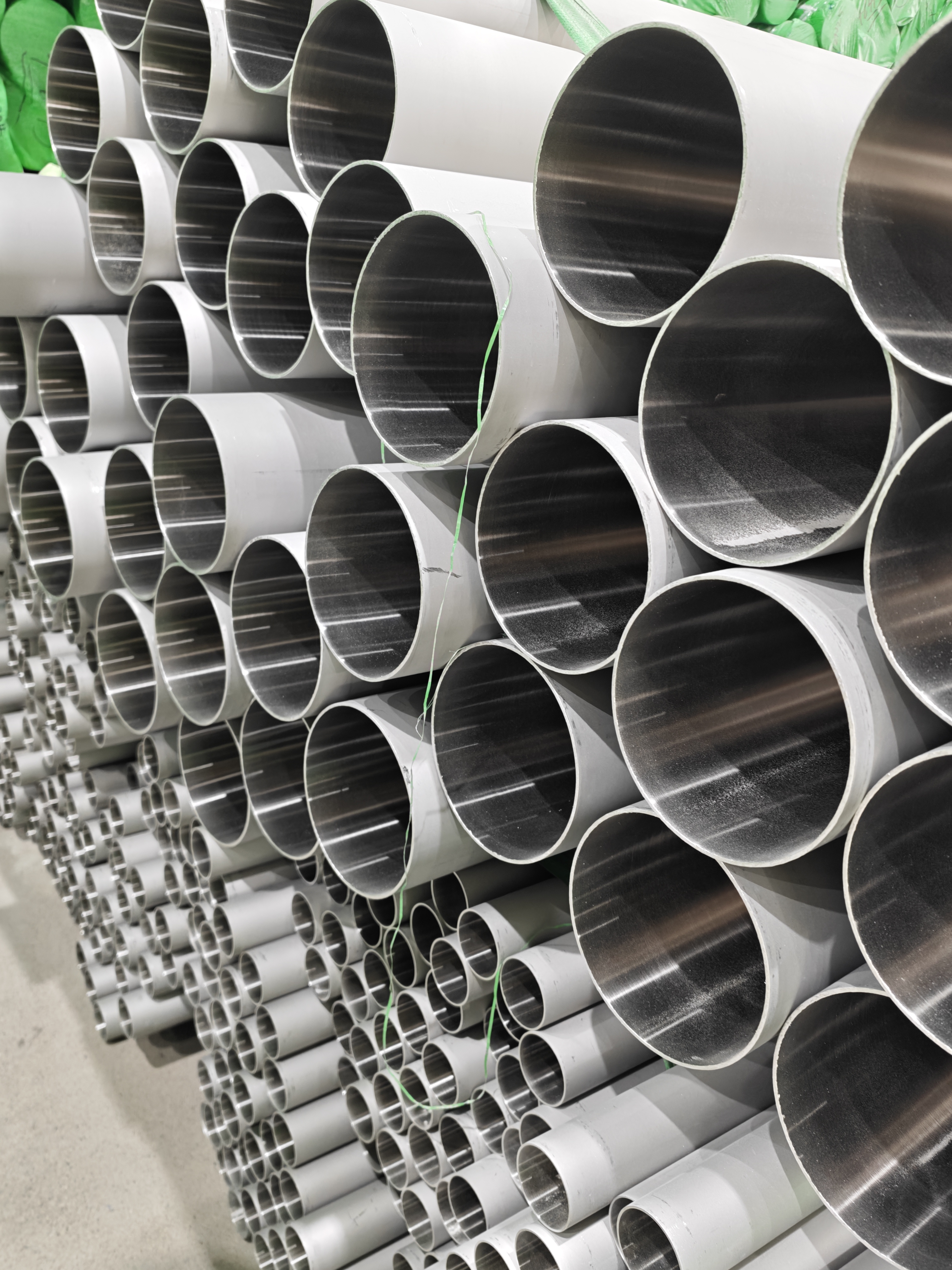
When engineers and procurement specialists evaluate materials for demanding industrial environments, ASTM 304 stainless consistently emerges as one of the most reliable and versatile choices available. Its combination of corrosion resistance, mechanical strength, and formability makes it a foundational material across dozens of industries, from food processing and chemical handling to construction and energy infrastructure. Understanding exactly how this grade of stainless steel supports industrial applications requires a closer look at its composition, performance characteristics, and the practical reasons why it has become a standard specification in industrial procurement worldwide.
The broad industrial adoption of ASTM 304 stainless is no accident. It reflects decades of proven performance in environments where material failure carries serious operational and financial consequences. This article explores the specific mechanisms by which ASTM 304 stainless supports industrial applications, the conditions under which it performs best, the forms in which it is commonly deployed, and the practical guidance that helps industrial buyers and engineers make well-informed material decisions. Whether you are specifying piping systems, structural components, or process equipment, understanding the full capability profile of this grade is essential.
The Alloy Composition Behind Industrial Performance
Key Elements That Define ASTM 304 Stainless
ASTM 304 stainless is an austenitic stainless steel defined by its chromium and nickel content. Typically, it contains approximately 18% chromium and 8% nickel, which is why it is sometimes referred to informally as 18-8 stainless steel. These two alloying elements are primarily responsible for the corrosion resistance and ductility that make ASTM 304 stainless so well suited to industrial use.
Chromium forms a passive oxide layer on the surface of the steel when exposed to oxygen. This thin, self-repairing film acts as a barrier against moisture, oxidizing acids, and many chemical agents. Nickel stabilizes the austenitic microstructure, which contributes to the material's excellent toughness and workability even at cryogenic temperatures. Together, these elements create a material that resists degradation without requiring protective coatings in most standard industrial environments.
Carbon content in ASTM 304 stainless is controlled at a maximum of 0.08%, which limits the risk of carbide precipitation during welding. This characteristic makes the material generally weldable for fabricated industrial components, though care must still be taken with heat input and post-weld treatment in aggressive service environments.
How Composition Translates to Industrial Capability
The alloy composition of ASTM 304 stainless directly translates into measurable industrial advantages. Its tensile strength typically ranges from 515 MPa to 620 MPa, with a yield strength around 205 MPa, providing a solid mechanical foundation for structural and pressure-bearing applications. The material maintains these properties across a wide service temperature range, performing reliably from sub-zero conditions up to approximately 870°C in continuous service.
Excellent formability means that ASTM 304 stainless can be drawn, bent, rolled, and machined into the precise shapes that industrial components demand. This versatility reduces fabrication complexity and allows manufacturers to produce seamless pipes, flanges, fittings, and custom shapes without compromising the integrity of the alloy. The combination of strength, ductility, and corrosion resistance in a single material simplifies system design and reduces the need for secondary protective treatments.
Core Industrial Applications Where ASTM 304 Stainless Excels
Fluid Handling and Piping Systems
One of the most prominent industrial applications for ASTM 304 stainless is in fluid handling systems. Seamless pipes and welded tubes made from this grade are used extensively in chemical processing plants, pharmaceutical facilities, food and beverage manufacturing, and water treatment infrastructure. The material's ability to resist corrosion from a broad range of process fluids, including mild acids, alkalis, and organic compounds, makes it a default specification for many piping engineers.
In food and beverage processing, ASTM 304 stainless is favored because it does not impart taste, odor, or harmful substances to products, and its smooth surface finish is easy to clean and sanitize. Stainless piping systems in these environments must meet hygiene standards that demand non-reactive, non-porous surfaces, and ASTM 304 stainless satisfies these requirements consistently.
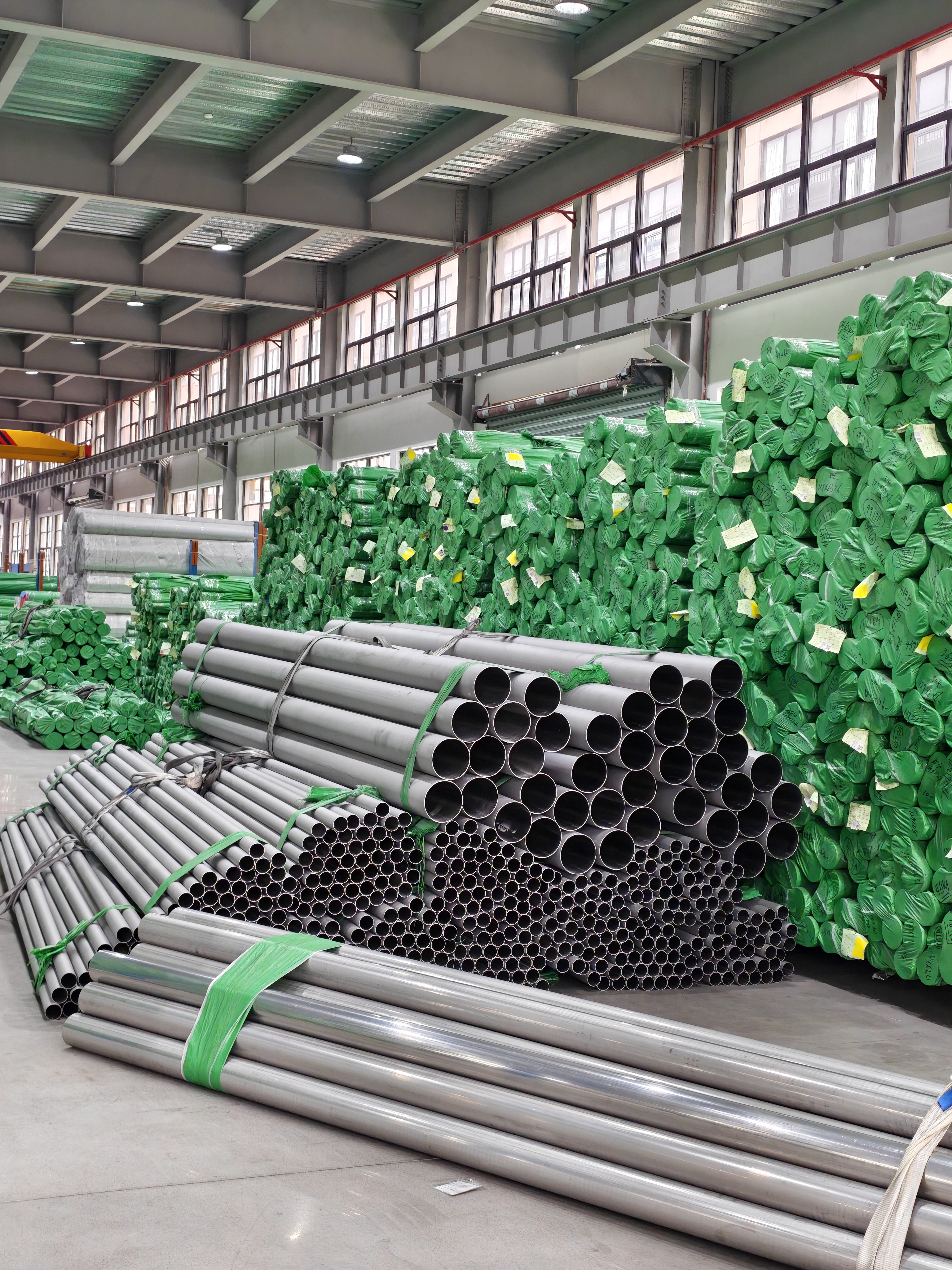
For industrial fluid handling beyond food production, ASTM 304 stainless seamless pipes deliver the structural integrity needed to handle pressurized flow, elevated temperatures, and the mechanical stresses of industrial process systems. Precision-manufactured seamless pipes in this grade provide consistent wall thickness and internal surface quality that support reliable long-term service.
Structural and Fabricated Components
ASTM 304 stainless supports industrial applications well beyond piping. Structural components including support frames, equipment housings, brackets, conveyor components, and machine guards are commonly fabricated from this grade. Its strength-to-weight ratio, combined with natural corrosion resistance, reduces the lifetime maintenance burden compared to carbon steel alternatives that require coating and periodic repainting.
In industrial environments where exposure to moisture, cleaning chemicals, or process fluids is routine, structural components made from ASTM 304 stainless maintain their integrity and appearance over long service periods. This durability translates directly into reduced maintenance downtime and lower lifecycle costs, which are important considerations in industrial capital expenditure planning.
Industry Sectors That Rely on ASTM 304 Stainless
Chemical and Petrochemical Processing
The chemical processing industry relies heavily on ASTM 304 stainless for equipment and piping that contacts process streams containing weak acids, alkalis, solvents, and inorganic salts. Reactors, heat exchangers, storage vessels, and transfer piping are frequently specified in this grade when the corrosive severity of the service environment falls within its resistance envelope. Process engineers value the predictable corrosion behavior of ASTM 304 stainless, which simplifies risk assessment during equipment design.
It is worth noting that ASTM 304 stainless has known limitations in high-chloride environments, where pitting and crevice corrosion can occur. For such conditions, engineers typically upgrade to higher-alloy grades. However, for the majority of chemical plant service environments, ASTM 304 stainless offers an excellent balance of corrosion resistance and cost effectiveness that justifies its dominant position in industrial specifications.
Food Processing and Pharmaceutical Manufacturing
Regulatory requirements in food processing and pharmaceutical manufacturing demand materials that are non-toxic, non-reactive, and cleanable to strict hygiene standards. ASTM 304 stainless meets these demands, which is why it appears in everything from mixing vessels and heat exchangers to conveyor belts and filling equipment. The material's compliance with food-grade standards is widely recognized across global regulatory frameworks.
In pharmaceutical applications, ASTM 304 stainless is used for process vessels, transfer lines, and cleanroom equipment where product purity is paramount. The non-reactive nature of the alloy prevents contamination, and its ability to withstand repeated steam sterilization cycles makes it a practical choice for equipment that must meet pharmaceutical-grade cleanliness standards in daily operations.
Energy and Power Generation
Power generation facilities, including both conventional thermal plants and renewable energy infrastructure, use ASTM 304 stainless in a variety of support systems. Cooling water circuits, heat recovery systems, exhaust handling equipment, and instrumentation tubing are typical applications. The material's ability to perform at elevated temperatures without significant loss of mechanical properties supports its use in moderately hot service conditions.
In renewable energy installations such as solar thermal systems and biomass plants, ASTM 304 stainless provides the durability needed for long service intervals in demanding outdoor and process environments. The material's longevity reduces the frequency of component replacement, which contributes to better overall plant availability and lower operating costs over the asset lifetime.
Forms and Product Types That Deliver ASTM 304 Stainless in Industrial Use
Seamless Pipes and Precision Tubing
Seamless pipes represent one of the most critical product forms for delivering ASTM 304 stainless into industrial service. Unlike welded pipe, seamless pipe contains no weld seam that could be a point of weakness or preferential corrosion attack. This makes seamless pipe the preferred specification for high-pressure systems, critical process lines, and any application where pipe integrity must be guaranteed without reservation.
Precision tubing in ASTM 304 stainless is used where tight dimensional tolerances are required, such as in instrumentation systems, hydraulic circuits, and heat exchanger bundles. The ability to produce ASTM 304 stainless tubing to close outer diameter, wall thickness, and straightness tolerances supports the assembly and performance requirements of precision industrial systems where standard commercial tolerances would be insufficient.
Plates, Sheets, and Structural Profiles
ASTM 304 stainless is produced in a wide range of flat-rolled and structural forms that support diverse industrial fabrication needs. Sheet and plate are used in the construction of tanks, enclosures, liners, and structural panels. Coil stock supports high-volume stamping and forming operations in the automotive and appliance sectors, where the formability of this grade is particularly valued.
Structural profiles including angles, channels, and round bar in ASTM 304 stainless allow fabricators to build corrosion-resistant frameworks and machine structures without departing from a well-understood, widely available material. The extensive distribution network for this grade ensures that procurement lead times remain manageable even for large industrial construction projects.
Practical Guidance for Specifying ASTM 304 Stainless in Industrial Projects
Assessing Service Environment Suitability
Before specifying ASTM 304 stainless for an industrial application, engineers should assess the service environment against the material's known performance boundaries. The grade performs well in atmospheric exposure, freshwater service, most food-grade environments, and moderately corrosive chemical streams. However, it is vulnerable to chloride-induced stress corrosion cracking at elevated temperatures and to pitting in stagnant high-chloride environments such as seawater or concentrated brine.
When the service environment involves chloride exposure at elevated temperatures or highly reducing acid conditions, an upgrade to a higher-alloy grade should be evaluated. Understanding these boundaries ensures that the selection of ASTM 304 stainless is made on the basis of sound technical judgment rather than default assumption, which ultimately protects the reliability and safety of the industrial system.
Procurement and Quality Verification
When procuring ASTM 304 stainless for industrial applications, buyers should insist on mill test certificates that confirm chemical composition and mechanical properties in accordance with the relevant ASTM standards. Third-party inspection and material traceability documentation add further assurance in critical applications where material substitution could have serious consequences.
Surface finish specification is another important procurement consideration for ASTM 304 stainless. Applications in food contact, pharmaceutical, or highly corrosive environments may require a specific surface finish such as 2B, BA, or electropolished finish, each of which offers different levels of surface smoothness and corrosion resistance. Aligning the surface finish specification with the application requirements prevents premature degradation and supports compliance with applicable industry standards.
FAQ
What makes ASTM 304 stainless suitable for food and beverage processing environments?
ASTM 304 stainless is non-reactive, non-toxic, and resistant to a wide range of cleaning agents and mild acids used in food and beverage production. Its smooth surface finish resists microbial adhesion and can be cleaned to strict hygiene standards. These characteristics make it compliant with food-grade material requirements across major global regulatory frameworks, making it the default choice for tanks, piping, and process equipment in this sector.
Can ASTM 304 stainless be used in high-temperature industrial applications?
ASTM 304 stainless retains useful mechanical properties up to approximately 870°C in continuous service and can handle intermittent exposure up to around 925°C. However, prolonged exposure in the temperature range of 425°C to 860°C can lead to sensitization, where chromium carbides precipitate at grain boundaries and reduce localized corrosion resistance. For applications requiring extended high-temperature service, the low-carbon variant or a stabilized grade should be considered.
How does ASTM 304 stainless compare to carbon steel in industrial piping applications?
While carbon steel offers higher yield strength at lower material cost, ASTM 304 stainless provides inherent corrosion resistance that eliminates the need for internal and external coatings in many service environments. This reduces total lifecycle cost by minimizing maintenance interventions and extending service life. For applications handling corrosive fluids, food-grade materials, or requiring long intervals between inspections, ASTM 304 stainless typically delivers better overall value despite its higher initial material cost.
What certifications and standards apply to ASTM 304 stainless in industrial procurement?
ASTM 304 stainless is governed primarily by ASTM A240 for flat-rolled products, ASTM A312 for seamless and welded pipes, and ASTM A276 for bars and shapes, among other product-specific standards. In pressure equipment applications, compliance with ASME codes may also be required. Buyers should request full material certifications confirming compliance with the relevant standard, including chemical analysis, mechanical testing results, and dimensional inspection data, to ensure material integrity before deployment in industrial service.
Table of Contents
- The Alloy Composition Behind Industrial Performance
- Core Industrial Applications Where ASTM 304 Stainless Excels
- Industry Sectors That Rely on ASTM 304 Stainless
- Forms and Product Types That Deliver ASTM 304 Stainless in Industrial Use
- Practical Guidance for Specifying ASTM 304 Stainless in Industrial Projects
-
FAQ
- What makes ASTM 304 stainless suitable for food and beverage processing environments?
- Can ASTM 304 stainless be used in high-temperature industrial applications?
- How does ASTM 304 stainless compare to carbon steel in industrial piping applications?
- What certifications and standards apply to ASTM 304 stainless in industrial procurement?