 EN
EN

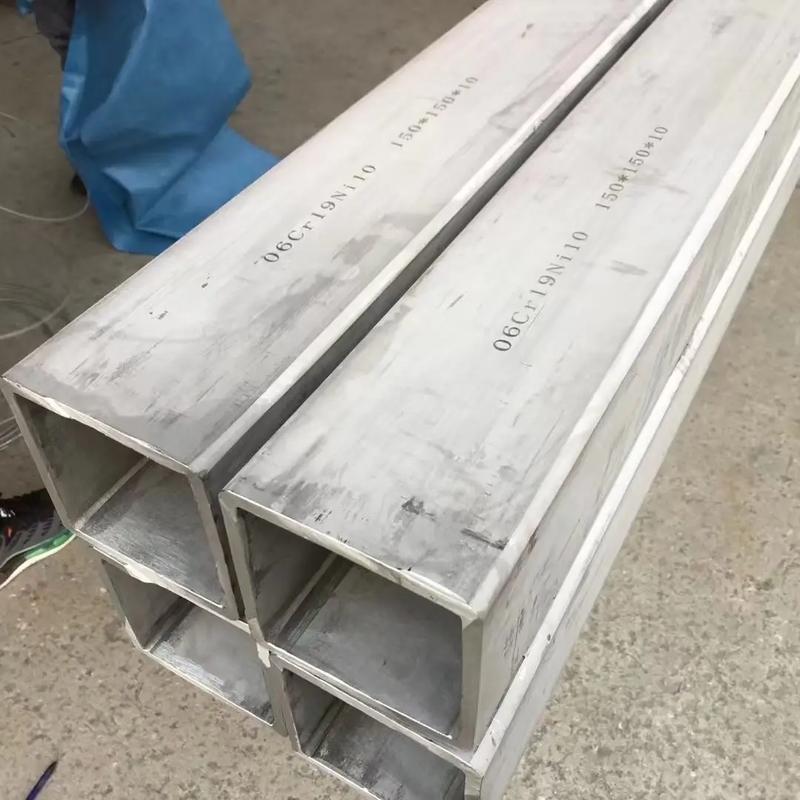
When design engineers sit down to specify materials for a new project, the decision carries enormous weight. Every material choice affects fabrication cost, service life, regulatory compliance, and long-term maintenance burden. Among the many grades available in the stainless steel family, ASTM 304 stainless consistently emerges as the default specification across a remarkably wide range of industries. Understanding why engineers keep returning to this particular grade reveals a great deal about the practical realities of industrial design, procurement, and performance engineering.
The specification of ASTM 304 stainless is not a habit born of inertia. It is a deliberate engineering decision backed by decades of documented performance data, broad international standardization, and a cost-to-performance ratio that competing grades rarely match. This article explores the technical, economic, and logistical reasons why ASTM 304 stainless earns its place in project specifications from food processing facilities to architectural facades, from chemical handling systems to precision-manufactured tubing assemblies.
The Metallurgical Foundation That Engineers Trust
Chromium-Nickel Composition and Corrosion Resistance
At the core of ASTM 304 stainless is its austenitic structure, defined by a nominal composition of 18% chromium and 8% nickel, which is why this grade is also commonly referenced as 18-8 stainless. This chromium-nickel balance is not arbitrary. Chromium forms a self-healing passive oxide layer on the steel surface when exposed to oxygen, giving ASTM 304 stainless its well-known resistance to oxidation and a broad range of corrosive environments. The nickel content stabilizes the austenitic phase, which enhances toughness and formability while maintaining strength.
Engineers specify ASTM 304 stainless precisely because this passive layer regenerates automatically when damaged, a behavior that makes it exceptionally reliable in dynamic service environments where minor surface abrasions are unavoidable. In processing piping, structural supports, heat exchanger shells, and fluid transfer systems, this self-passivating property directly reduces maintenance frequency and lifecycle costs. The material does not require coatings, platings, or other surface treatments to maintain its corrosion resistance under most standard service conditions.
Compared to carbon steel, the corrosion resistance of ASTM 304 stainless is transformational. Engineers working in food and beverage, pharmaceuticals, water treatment, and chemical processing understand that carbon steel would demand far more protective intervention to achieve similar service life. The metallurgical properties of ASTM 304 stainless essentially build the protection in from the start rather than adding it on top.
Mechanical Properties That Support Engineering Calculations
Beyond corrosion resistance, ASTM 304 stainless delivers mechanical properties that allow engineers to work with well-established, well-documented design values. Yield strength, tensile strength, elongation, and hardness values for ASTM 304 stainless are comprehensively tabulated in ASTM standards, ASME codes, and engineering reference databases. When an engineer opens a stress analysis or a pressure vessel calculation, the material inputs for ASTM 304 stainless are immediately available and widely accepted by third-party inspectors and certification bodies.
The austenitic structure also means ASTM 304 stainless remains ductile and tough at cryogenic temperatures, a property that carbon steel and many ferritic grades cannot match. This temperature versatility means that a single grade can serve across a wide temperature envelope without the engineer needing to specify different alloys for different sections of the same system. Simplified material management translates directly into procurement efficiency and reduced risk of misidentification on fabrication floors.
In structural and architectural applications, the combination of good strength, excellent ductility, and aesthetic surface quality makes ASTM 304 stainless a single-material solution that satisfies both engineering performance requirements and visual specification criteria. This dual function reduces complexity in projects where both structural integrity and finished appearance matter.
Standardization and Code Compliance Advantages
Alignment With International and Industry Standards
One of the most practical reasons engineers specify ASTM 304 stainless is that the grade is deeply embedded in international standards and industry codes. ASTM A240, A312, A276, A554, and A269, among others, all cover products manufactured from ASTM 304 stainless. This breadth of product-form coverage means that whether an engineer needs sheet, plate, seamless pipe, welded tube, bar, or fitting, there is a recognized ASTM specification governing that form of ASTM 304 stainless.
This standardization creates enormous practical value during the design, procurement, and inspection phases of a project. Engineers write specifications that reference ASTM grade designations, and suppliers, fabricators, and testing laboratories all operate within the same recognized framework. When mill test reports arrive citing ASTM 304 stainless, every party in the supply chain understands what chemical and mechanical criteria were met, reducing ambiguity and the risk of material substitution errors.
International equivalence further strengthens the specification. ASTM 304 stainless corresponds closely to EN 1.4301 under the European EN 10088 standard and to SUS 304 under the Japanese JIS standard. This cross-standard recognition means that globally sourced projects can specify ASTM 304 stainless and still receive compliant material from multiple international manufacturing sources without requiring separate material qualifications for each origin country.
ASME Code Acceptance for Pressure-Bearing Applications
In the process industries, pressure vessels, piping systems, and heat exchangers must comply with ASME Boiler and Pressure Vessel Code sections and ASME B31 piping codes. ASTM 304 stainless is explicitly listed as an acceptable material in these codes, with allowable stress values published for use in design calculations. This ASME recognition is not a trivial matter. Materials that are not code-listed cannot be used in code-stamped equipment without costly and time-consuming material qualification testing.
By specifying ASTM 304 stainless, engineers immediately access a body of pre-qualified design data that shortens the design cycle, simplifies third-party inspection, and satisfies the documentation requirements of plant owners, insurance underwriters, and regulatory authorities. In industries where code compliance is non-negotiable, this advantage alone justifies the specification of ASTM 304 stainless over technically similar but less widely recognized alternatives.
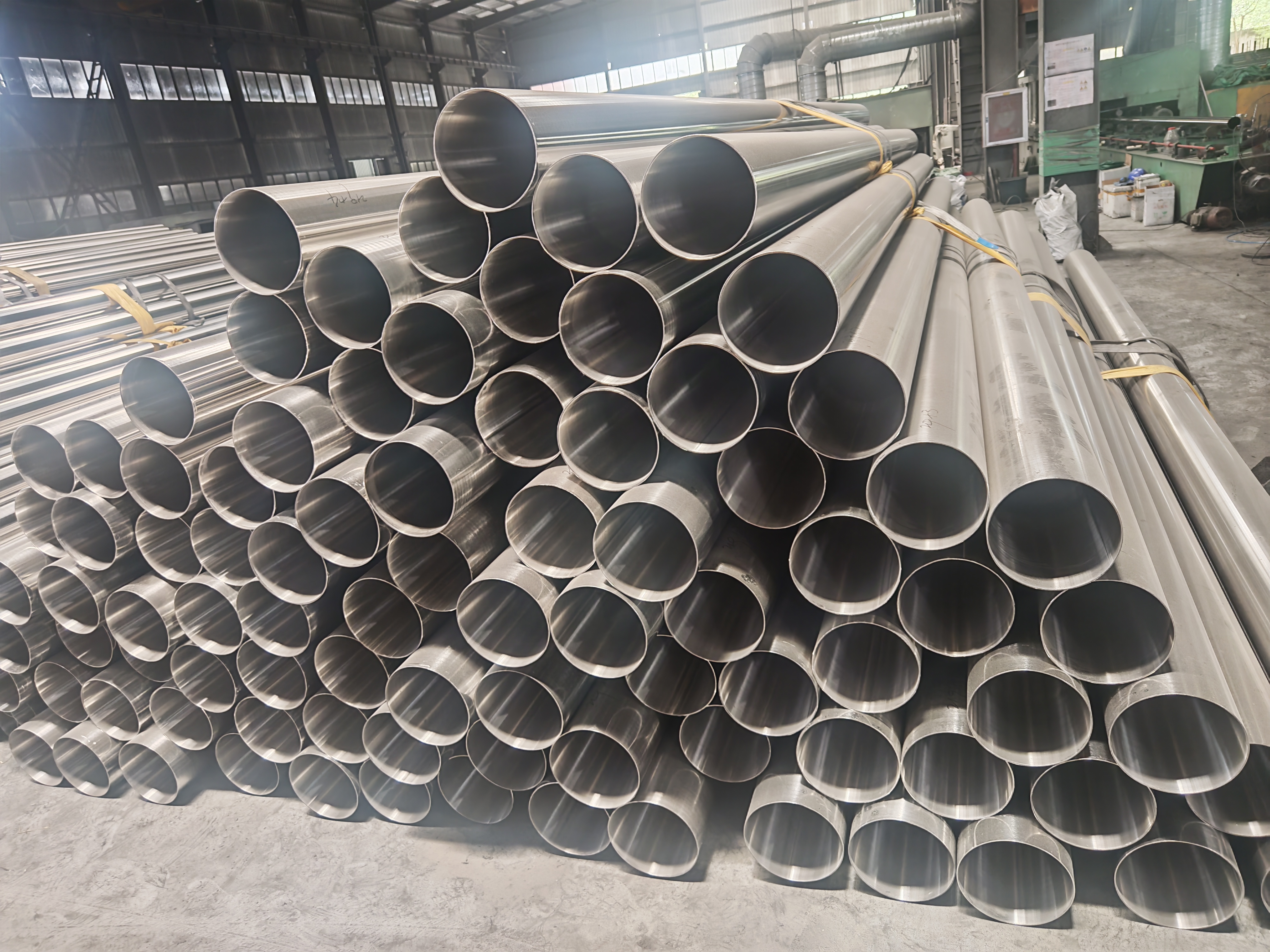
For projects involving ASTM 304 stainless seamless pipes in particular, the ability to procure to ASTM A312 and have that material directly accepted by ASME code calculations removes a significant administrative and technical burden from the engineering team. The seamless pipe form in this grade is among the most commonly specified configurations in the oil and gas, chemical, and pharmaceutical sectors for exactly this reason.
Fabrication Compatibility and Supply Chain Reliability
Weldability and Forming Characteristics
ASTM 304 stainless is highly weldable using all common industrial welding processes, including TIG, MIG, and stick welding. Most fabrication shops have established procedures for welding ASTM 304 stainless, and qualified welders with this experience are widely available. Engineers who specify ASTM 304 stainless do not typically need to impose unusual or expensive welding procedure qualifications, which helps control fabrication costs and schedule.
The formability of ASTM 304 stainless is another fabrication advantage. The austenitic structure allows significant cold working, bending, and deep drawing without cracking. Fabricators can form complex geometries in ASTM 304 stainless that would be difficult or impossible in more brittle materials. This flexibility in fabrication allows engineers to design more complex shapes and assemblies without adding material transitions or specialty forming operations.
Machinability, while not exceptional compared to free-machining grades, is adequate for most turned and milled components. Where precision-machined parts are required in ASTM 304 stainless, established feeds, speeds, and tooling recommendations are well-documented. The engineering team does not need to develop machining parameters from scratch, reducing development time and scrap risk during initial production runs.
Global Availability and Procurement Predictability
Engineers in project-intensive industries quickly learn that specifying an exotic or narrowly produced alloy creates procurement risk that can delay projects and inflate costs. ASTM 304 stainless is produced by mills on every major continent and stocked by distributors in virtually every industrial market worldwide. Lead times for standard product forms in ASTM 304 stainless are predictable, and competitive pricing is available because of the deep supplier base.
This global availability matters enormously for large capital projects where material deliveries on the critical path can delay commissioning. Engineers who specify ASTM 304 stainless know that if one supplier is delayed, alternative sources exist without requiring a change order to a different material. The supply chain resilience of ASTM 304 stainless is itself a form of project risk management.
For maintenance and repair operations, the consistent availability of ASTM 304 stainless means that replacement parts and repair material can be sourced quickly from local distributors. Plant operators appreciate that their maintenance team does not need to hold large safety stocks of exotic alloys when ASTM 304 stainless components fail and require replacement. This operational continuity value extends the appeal of the specification well beyond the initial design phase.
Application Suitability Across Engineering Disciplines
Process Industry and Fluid Handling Systems
In chemical processing, food and beverage manufacturing, pharmaceutical production, and water treatment, engineers regularly turn to ASTM 304 stainless for piping systems, tanks, and vessels. The grade resists oxidizing acids and many organic compounds, making it suitable for a wide range of process fluids encountered in these industries. Sanitary surface finishes are readily achievable on ASTM 304 stainless, satisfying hygiene requirements in food and pharmaceutical applications without requiring a higher-cost specialty grade.
Pump casings, valve bodies, heat exchanger tubes, and instrumentation connections fabricated from ASTM 304 stainless integrate seamlessly with the surrounding piping systems specified in the same grade. This material consistency reduces the risk of galvanic corrosion that can arise when dissimilar metals are joined in a wet environment. The practical benefit for process engineers is a more reliable, longer-lived fluid handling system with fewer corrosion-related failure points.
In water treatment and distribution, ASTM 304 stainless is specified for everything from municipal water infrastructure to high-purity water systems in semiconductor fabrication. The grade does not impart taste or odor to water, does not introduce particulate contamination under normal service conditions, and maintains its surface integrity without the periodic recoating that steel or cast iron alternatives would require.
Structural, Architectural, and General Engineering Uses
Beyond fluid handling, ASTM 304 stainless serves structural and architectural engineers as a material that combines visual appeal with structural function. Handrails, cladding panels, curtain wall components, and exterior structural supports specified in ASTM 304 stainless deliver corrosion resistance in atmospheric and mildly marine environments while maintaining a clean, modern aesthetic that architects and building owners value.
Mechanical engineers specify ASTM 304 stainless for shafts, springs, fasteners, and precision components where both mechanical strength and corrosion resistance are required simultaneously. The grade performs reliably in ambient environments where carbon steel fasteners would corrode and seize or where zinc-plated alternatives would eventually fail in humid or chemical-laden atmospheres.
In the energy sector, ASTM 304 stainless appears in heat recovery systems, exhaust handling equipment, and instrumentation tubing where thermal cycling and mild corrosive exposures are routine. Engineers value the grade's performance envelope because it reliably handles conditions that fall short of the thresholds demanding the more expensive 316 or duplex grades, allowing cost-efficient material specification without compromising service integrity.
Cost-Effectiveness Relative to Alternative Grades
Balancing Alloy Cost Against Performance Requirements
Engineers who specify ASTM 304 stainless are not simply choosing the cheapest stainless option — they are making a deliberate judgment that the service environment does not justify the premium of higher-alloyed grades. ASTM 316 stainless, for example, adds molybdenum to improve resistance to chloride pitting, which is valuable in marine or chloride-rich environments but represents an unnecessary cost premium in the many applications where chloride exposure is minimal or absent.
The cost difference between ASTM 304 stainless and higher grades such as 316, 317L, or duplex stainless steels is material, particularly in large-volume applications where tonnage drives project economics. A chemical plant with thousands of meters of process piping, or a food processing facility with extensive tankage, benefits substantially when ASTM 304 stainless meets the corrosion resistance requirements at a lower alloy cost than the next available grade.
Lifecycle cost analysis consistently supports the specification of ASTM 304 stainless in appropriate service environments. When engineers compare the acquisition cost, installation cost, maintenance cost, and expected service life against alternatives such as coated carbon steel, the total cost of ownership often favors ASTM 304 stainless even when the initial material cost is higher than coated alternatives. The maintenance savings alone, driven by the self-passivating corrosion resistance and the absence of coating maintenance cycles, regularly justify the specification.
Value Engineering Without Performance Compromise
Experienced engineers use ASTM 304 stainless as a value engineering tool that avoids both the under-performance risk of cheaper materials and the cost penalty of over-specified exotic alloys. In the language of materials engineering, ASTM 304 stainless sits in an optimal zone for the vast majority of moderate-duty service environments, delivering reliable performance without the premium associated with specialty corrosion-resistant alloys.
Procurement teams also appreciate that ASTM 304 stainless provides consistent pricing benchmarks and competitive bidding environments due to the large number of qualified suppliers. The commodity-like availability of the grade means that engineers and purchasing managers can forecast material costs with reasonable confidence over a project timeline, reducing budget risk on large capital projects where stainless steel volumes are significant.
When engineers present material specifications to project owners and clients, the reputation and track record of ASTM 304 stainless in similar applications provides supporting evidence that the specification is technically sound and commercially sensible. This combination of technical credibility and economic rationality makes ASTM 304 stainless one of the most defensible material specifications an engineer can make.
FAQ
Why do engineers choose ASTM 304 stainless over carbon steel for many applications?
Engineers choose ASTM 304 stainless over carbon steel primarily because of its inherent corrosion resistance, which eliminates the need for protective coatings and dramatically reduces maintenance frequency. In environments involving moisture, process fluids, or corrosive atmospheres, carbon steel requires ongoing protective treatment to prevent rust and degradation, while ASTM 304 stainless maintains its integrity through its self-passivating chromium oxide layer. Over the service life of a project, the reduced maintenance burden and extended service life of ASTM 304 stainless typically offset the higher initial material cost.
In what environments is ASTM 304 stainless not the best specification choice?
ASTM 304 stainless is not recommended for environments with high chloride concentrations, such as seawater immersion or direct contact with chloride-bearing process streams, because it is susceptible to pitting and crevice corrosion under these conditions. In such environments, engineers typically specify ASTM 316 stainless or duplex grades that offer superior chloride resistance through higher molybdenum or nitrogen content. Similarly, in strongly reducing acid environments or at elevated temperatures above approximately 870 degrees Celsius, alternative grades or alloys may be necessary to achieve the required service performance.
What is the difference between ASTM 304 stainless and ASTM 304L stainless?
ASTM 304L stainless is a low-carbon variant of the standard ASTM 304 stainless grade, with carbon content restricted to a maximum of 0.03% compared to 0.08% for standard 304. The lower carbon content of 304L reduces the risk of sensitization during welding, a phenomenon in which chromium carbides form at grain boundaries and deplete the surrounding area of corrosion-protective chromium. For welded fabrications that will operate in corrosive environments without post-weld heat treatment, engineers often specify 304L to ensure that the corrosion resistance of the weld heat-affected zone matches that of the parent material.
How does ASTM 304 stainless perform at elevated temperatures in process applications?
ASTM 304 stainless retains useful mechanical strength and oxidation resistance at elevated temperatures, making it suitable for many process applications involving elevated service temperatures. Continuous service up to approximately 870 degrees Celsius is generally acceptable from an oxidation standpoint, though engineers must account for sensitization risk in the 425 to 860 degree Celsius range for welded components in corrosive service. For intermittent service or structural applications at elevated temperatures, ASTM 304 stainless provides reliable performance, and its allowable stress values at various temperatures are published in ASME code tables for direct use in design calculations.
Table of Contents
- The Metallurgical Foundation That Engineers Trust
- Standardization and Code Compliance Advantages
- Fabrication Compatibility and Supply Chain Reliability
- Application Suitability Across Engineering Disciplines
- Cost-Effectiveness Relative to Alternative Grades
-
FAQ
- Why do engineers choose ASTM 304 stainless over carbon steel for many applications?
- In what environments is ASTM 304 stainless not the best specification choice?
- What is the difference between ASTM 304 stainless and ASTM 304L stainless?
- How does ASTM 304 stainless perform at elevated temperatures in process applications?