 EN

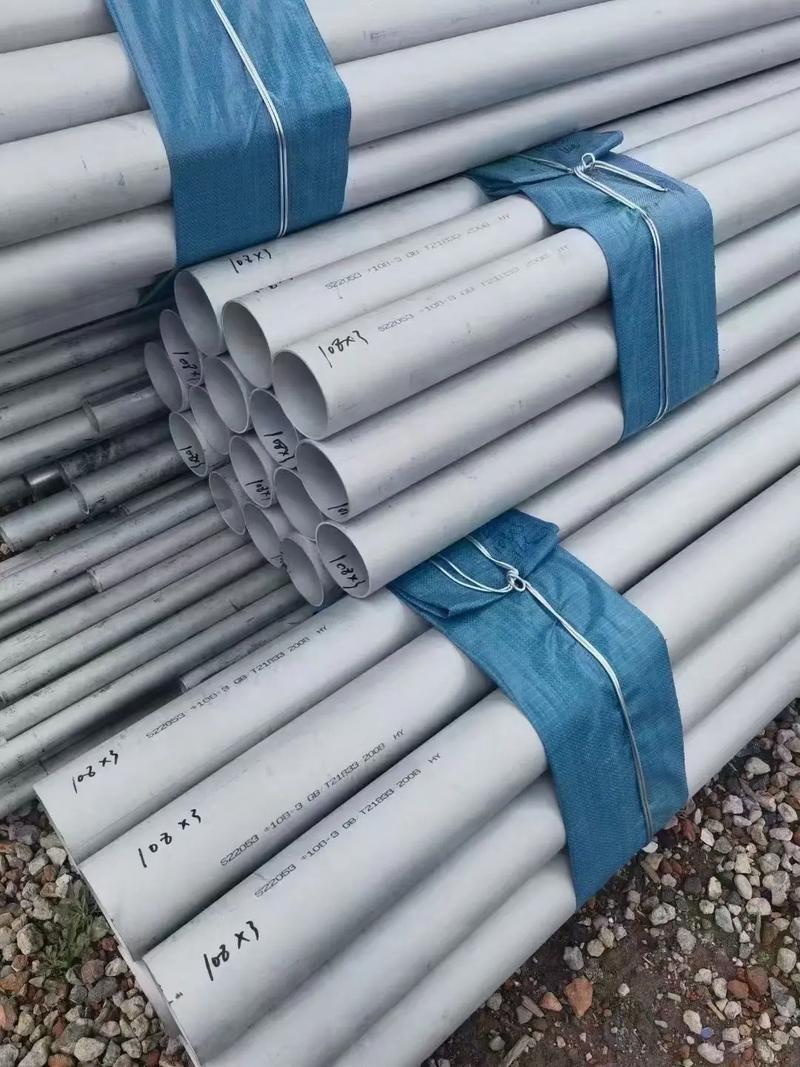
Pickling pipe is a critical process in steel manufacturing that directly impacts the quality, appearance, and longevity of finished steel products. When steel undergoes hot rolling or forging, it develops a layer of iron oxide scale on its surface—a dark, brittle coating that compromises corrosion resistance and aesthetic appeal. Pickling pipe removes this oxide layer through chemical immersion, exposing clean, bright metal beneath and preparing the surface for subsequent applications like coating, welding, or direct use in demanding industrial environments.
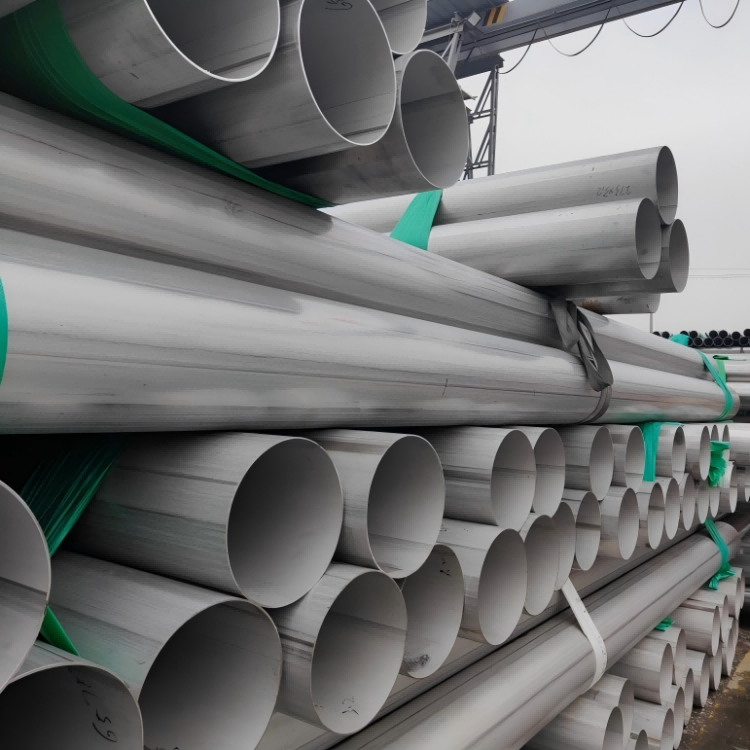
For manufacturers and end-users who require steel with pristine surface conditions, pickling pipe processing is non-negotiable. The difference between pickled and unpickled pipe is immediately visible: pickled surfaces are smooth, uniform, and free of scale, while untreated surfaces retain discolored oxide coatings that can flake off or harbor corrosion initiators. Understanding why pickling pipe is important helps procurement teams, engineers, and quality managers make informed decisions about material specifications and supply chain requirements.
The Scale Problem and Surface Integrity
Why Oxide Scale Becomes a Quality Issue
During hot rolling, steel pipe is processed at elevated temperatures where oxygen in the air chemically reacts with the steel surface, forming layers of iron oxide scale. This scale is porous, brittle, and loosely adhered to the base metal. Left untreated, this scale traps moisture and corrosive salts in its micro-crevices, accelerating rust formation even in mild corrosive environments. Pickling pipe technology directly addresses this vulnerability by stripping away the scale before the material enters service, ensuring long-term surface stability and preventing premature failure in industrial applications.
Impact on Product Performance and Lifespan
The presence of oxide scale on pipe directly shortens service life and increases maintenance costs. In heat exchanger applications, scale acts as an insulating barrier, reducing thermal efficiency. In chemical transport systems, scale can flake into process fluids, contaminating products and damaging downstream equipment. Pickling pipe eliminates these risks by delivering a bare, active surface that resists oxidation naturally or accepts protective coatings more effectively. Facility managers and maintenance teams consistently report lower corrosion-related downtime and longer intervals between inspections when they specify pickling pipe over untreated alternatives.
Chemical Mechanics of the Pickling Process
How Pickling Pipe Removes Contaminants
Pickling pipe typically involves immersing hot-rolled or forged pipe in an acidic solution, most commonly hydrochloric acid or sulfuric acid. These acids react with iron oxide scale, dissolving it into soluble salts that are rinsed away, leaving the base steel unharmed. The process is carefully controlled to optimize the dissolution rate while preventing over-pickling, which can cause hydrogen embrittlement or excessive surface etching. Modern pickling pipe equipment includes precision monitoring systems that track solution strength, temperature, and immersion time to ensure consistent, repeatable results across every pipe produced.
Surface Activation and Readiness for Further Processing
Beyond scale removal, pickling pipe processing activates the steel surface by exposing fresh, unoxidized metal atoms. This active surface is chemically 'hungry' and receptive to subsequent operations like galvanizing, painting, coating application, or welding. Without pickling pipe pre-treatment, these downstream processes often fail or produce weak bonds because they cannot properly adhere to oxide-covered surfaces. For manufacturers who apply protective finishes or fabricate complex assemblies, pickling pipe dramatically improves adhesion strength, coating uniformity, and weld quality—all critical metrics in aerospace, automotive, and marine industries.
Industry Applications and Compliance Standards
Where Pickling Pipe Meets Regulatory and Market Demands
Sectors requiring high purity and corrosion resistance—including food processing, pharmaceuticals, oil and gas, and power generation—mandate or strongly prefer pickling pipe specifications. These industries operate under stringent regulatory frameworks that define acceptable surface conditions for equipment handling sensitive materials or operating in extreme environments. Pickling pipe certifications and surface cleanliness standards ensure compliance with ISO, ASTM, DIN, and industry-specific requirements. Suppliers who consistently deliver pickling pipe to verified standards build trust with customers and reduce the risk of costly rejections or production interruptions.
Competitive Advantage Through Surface Quality
Original equipment manufacturers and processors who invest in high-quality pickling pipe gain measurable competitive advantages. Their finished products display superior aesthetics, resist corrosion more effectively, and command premium pricing in discerning markets. End-users recognize the difference between pipe treated with rigorous pickling pipe protocols and inferior alternatives, particularly in visible or critical-duty applications. Marketing teams and sales channels can confidently position pickling pipe-processed products as premium offerings with longer warranties, better performance guarantees, and reduced total cost of ownership—factors that justify higher purchase prices and strengthen customer loyalty.
FAQ
What is the main benefit of pickling pipe in manufacturing?
The primary benefit of pickling pipe is removal of iron oxide scale formed during hot rolling, exposing clean steel that resists corrosion, accepts coatings effectively, and performs reliably in service. This dramatically extends product lifespan and reduces maintenance requirements across industrial applications.
Can unpickled pipe be treated after fabrication?
Pickling is most effective when performed on raw pipe immediately after hot rolling, before scale becomes thick or embedded. Post-fabrication pickling of assembled components is technically possible but more difficult, costly, and risky—making it far more economical to specify pickling pipe during initial procurement rather than attempting remediation later.
Is pickling pipe suitable for all steel grades?
Pickling pipe processes work well on carbon steel, stainless steel, and alloy steel pipes; however, pickling pipe procedures must be tailored to the specific grade to prevent surface damage or embrittlement. Always confirm with your supplier that their pickling pipe protocols are optimized for your particular steel composition and application requirements.