 EN
EN

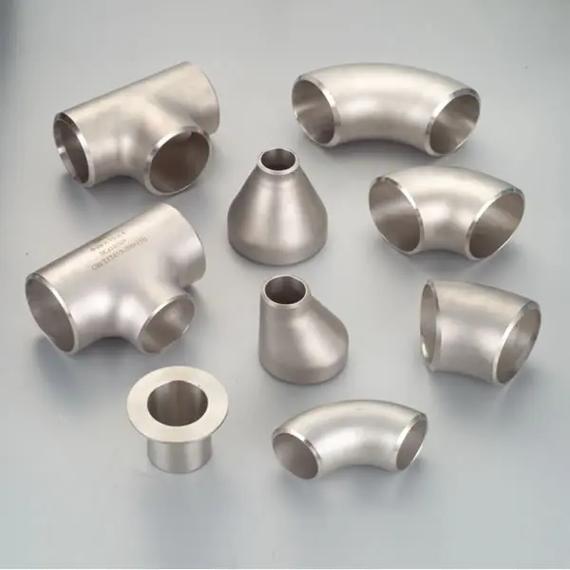
System safety depends on every component working reliably under demanding conditions. When industrial operations depend on fluid transfer, pressurized environments, or corrosive substance handling, the choice of tubing fittings stainless steel becomes critical to overall system integrity. Tubing fittings stainless steel offer superior corrosion resistance, structural reliability, and long-term performance that directly reduce operational risks and extend equipment lifespan across petrochemical, food processing, pharmaceutical, and marine industries.
The engineering decision to select tubing fittings stainless steel over carbon steel or plastic alternatives reflects a commitment to system safety that reverberates through operational performance, maintenance costs, and regulatory compliance. Understanding how tubing fittings stainless steel enhance safety requires examining material properties, failure prevention mechanisms, and real-world application contexts that demonstrate their value in protecting both equipment and personnel.
Why Tubing Fittings Stainless Steel Matter for System Integrity
Corrosion Resistance and Chemical Compatibility
Corrosion is a leading cause of system failures in industrial piping networks. Tubing fittings stainless steel resist oxidation, galvanic corrosion, and chemical attack that would compromise carbon steel alternatives within months of exposure. The chromium-nickel composition of austenitic stainless steel creates a passive oxide layer that self-heals when scratched or damaged, ensuring tubing fittings stainless steel maintain protective barriers even in harsh environments. This inherent resistance means tubing fittings stainless steel prevent leaks, seal failures, and catastrophic ruptures that could release hazardous substances or cause production shutdowns.
Strength-to-Weight Ratio and Pressure Performance
Industrial systems often operate under high pressure or vibration stress that demands fitting materials capable of sustained performance without degradation. Tubing fittings stainless steel maintain yield strength and fatigue resistance across wide temperature ranges that would weaken aluminum or brass components. The mechanical properties of tubing fittings stainless steel allow engineers to specify smaller wall thicknesses and lighter assemblies without sacrificing safety margins, reducing material costs while improving system reliability. Enhanced pressure-bearing capacity means tubing fittings stainless steel deliver consistent performance in applications ranging from cryogenic fluid transfer to superheated steam distribution.
How Tubing Fittings Stainless Steel Reduce Operational Risks
Contamination Prevention and Product Purity
In pharmaceutical, food processing, and semiconductor manufacturing, product purity is non-negotiable. Tubing fittings stainless steel eliminate iron leaching, surface oxidation, and particulate contamination that plastic or coated fittings introduce into fluid streams. The non-reactive nature of tubing fittings stainless steel ensures that sensitive processes maintain required standards without additional filtration or purification stages. This contamination control benefit directly supports regulatory compliance, reduces batch rejection rates, and protects end-product quality that customers depend on.
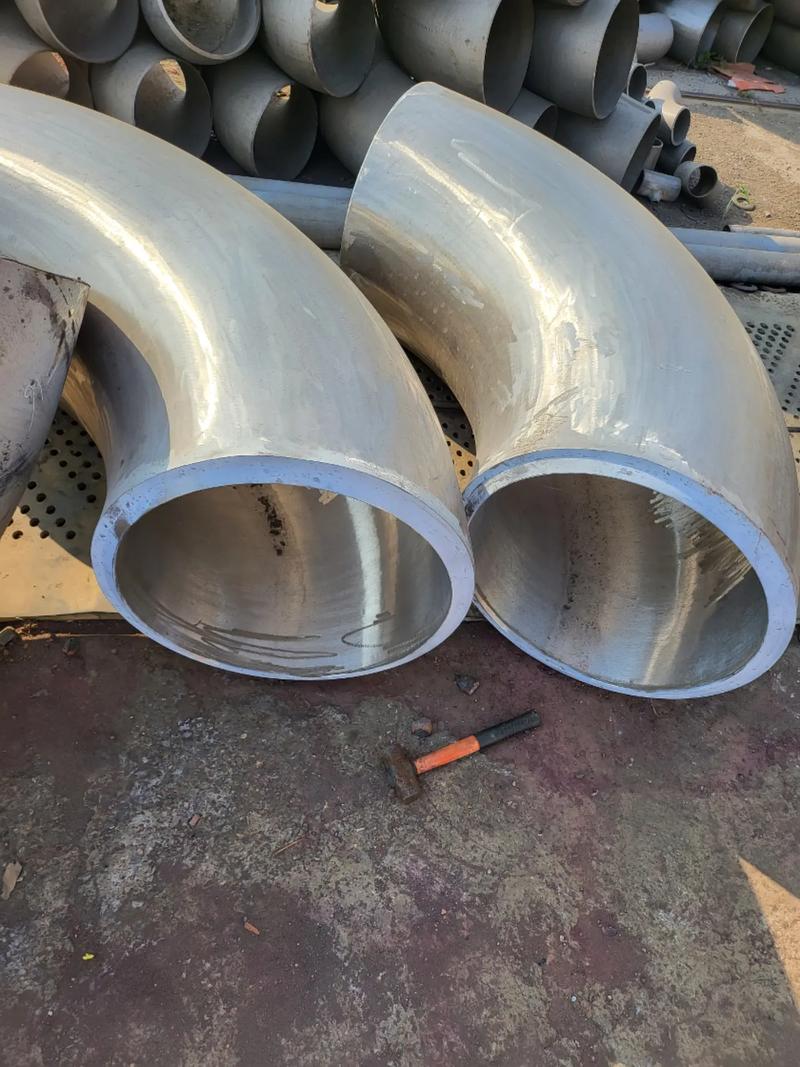
Predictable Failure Modes and Extended Service Life
Unlike composite materials that degrade unpredictably or carbon steel that corrodes at variable rates, tubing fittings stainless steel follow well-understood degradation patterns that engineers can model and plan for. Maintenance teams can predict when tubing fittings stainless steel components will require inspection or replacement based on operating hours and environmental exposure, enabling proactive maintenance strategies that prevent emergency failures. Extended service life of tubing fittings stainless steel means replacement intervals stretch from years to decades, reducing lifecycle costs and unplanned downtime that disrupts production schedules and compromises safety protocols.
Practical Safety Advantages in Critical Applications
Temperature Stability and Thermal Cycling Resistance
Thermal cycling causes seal degradation and metal fatigue in many fitting materials, but tubing fittings stainless steel withstand repeated heating and cooling without losing sealing integrity or structural stability. Applications involving cryogenic storage, steam injection, or alternating hot and cold fluid streams depend on tubing fittings stainless steel to maintain consistent performance across extreme temperature differentials. This thermal stability ensures that tubing fittings stainless steel prevent connection failures that could release pressurized contents or compromise system isolation in emergency scenarios.
Regulatory Compliance and Industry Standards
Major industry standards including ASME, ANSI, ISO, and FDA regulations favor or mandate tubing fittings stainless steel for critical applications because of documented safety performance and reliability records. Specifying tubing fittings stainless steel simplifies compliance documentation, certification processes, and third-party audit requirements across regulated industries. The material traceability, mechanical testing data, and corrosion test results available for tubing fittings stainless steel provide auditable evidence of safety-driven material selection that regulators expect in safety-critical systems.
FAQ
What makes tubing fittings stainless steel safer than alternatives?
Tubing fittings stainless steel provide superior corrosion resistance, higher pressure ratings, temperature stability, and predictable failure modes compared to carbon steel, plastic, or aluminum fittings. These properties combine to reduce leak risks, prevent contamination, and enable reliable long-term operation in demanding environments, making tubing fittings stainless steel the preferred choice for safety-critical applications.
Can tubing fittings stainless steel withstand extreme temperatures?
Yes, tubing fittings stainless steel maintain mechanical properties and sealing integrity across temperature ranges from cryogenic levels below minus 200 degrees Celsius to superheated applications above 500 degrees Celsius. This exceptional thermal stability means tubing fittings stainless steel perform reliably in thermal cycling conditions that would degrade conventional fittings and compromise system safety.
How do tubing fittings stainless steel comply with safety regulations?
Tubing fittings stainless steel meet ASME, ANSI, ISO, and industry-specific standards because they deliver documented performance in safety testing, corrosion testing, and pressure rating evaluations. Regulatory bodies recognize tubing fittings stainless steel as materials that support compliance requirements for food contact, pharmaceutical purity, pressure vessel integrity, and hazardous substance containment.