 EN
EN

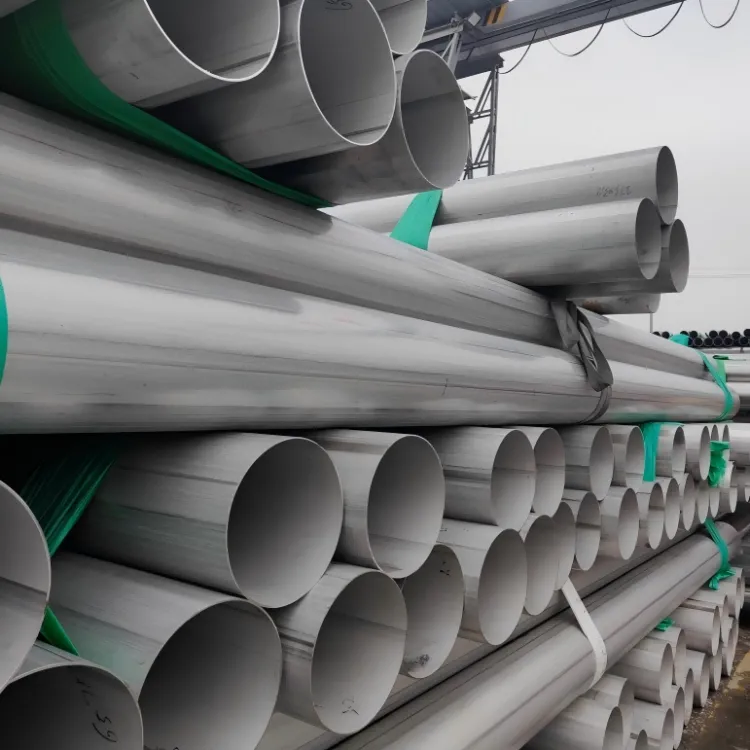
Understanding stainless steel 316L composition is essential for selecting the right material for demanding industrial applications. Stainless steel 316L composition determines the alloy's corrosion resistance, strength, and suitability across chemical processing, offshore, pharmaceutical, and food industries. Unlike standard 304 stainless steel, the 316L grade incorporates additional alloying elements that dramatically enhance its performance in harsh environments and chloride-rich settings.
The composition of stainless steel 316L is carefully engineered to balance multiple performance requirements. By examining each major element within the stainless steel 316L composition, engineers and procurement teams can verify material specifications, predict real-world behavior, and ensure compliance with industry standards such as ASTM, EN, and JIS certifications.
Primary Alloying Elements in Stainless Steel 316L Composition
Chromium Content and Corrosion Protection
Chromium is the foundational element that defines stainless steel 316L composition and creates the oxide layer responsible for corrosion resistance. Stainless steel 316L composition typically contains 16–18 percent chromium by weight, which forms a protective passive film on the metal surface. This chromium-rich oxide layer self-heals when exposed to oxygen, making the material resistant to oxidizing acids, atmospheric corrosion, and general rusting even in untreated industrial environments.
The chromium percentage within stainless steel 316L composition is precisely controlled because insufficient chromium compromises corrosion resistance, while excessive chromium can reduce ductility. Most specifications for stainless steel 316L composition set chromium between 16.0 and 18.0 percent to optimize the balance between protection and mechanical properties. In coastal, chemical, and food processing applications, this chromium level in the stainless steel 316L composition consistently outperforms lower-chromium grades.
Nickel Role in Stainless Steel 316L Composition
Nickel is a critical alloying element in stainless steel 316L composition that improves both corrosion resistance and mechanical ductility. Stainless steel 316L composition contains 8–12 percent nickel, which enhances resistance to pitting and crevice corrosion in chloride-containing environments. The nickel in stainless steel 316L composition strengthens the austenitic crystalline structure, making the material tougher and more formable at elevated temperatures compared to ferritic or martensitic alternatives.
Without adequate nickel in the stainless steel 316L composition, the material becomes brittle at low temperatures and loses its superior corrosion resistance. The interplay between chromium and nickel within stainless steel 316L composition creates an austenitic matrix that maintains its properties across a wide temperature range. This characteristic makes stainless steel 316L composition ideal for cryogenic, ambient, and elevated-temperature service conditions across industries.
Molybdenum and Secondary Elements in Stainless Steel 316L Composition
Molybdenum Enhancement in Stainless Steel 316L Composition
Molybdenum is the distinguishing element that separates stainless steel 316L composition from the more common 304 grade and provides superior performance in chloride-rich environments. Stainless steel 316L composition incorporates 2–3 percent molybdenum, which dramatically improves resistance to localized corrosion such as pitting and crevice attack. The molybdenum in stainless steel 316L composition acts as a noble element that strengthens the passive film, particularly in applications exposed to seawater, brine, or chemical processing fluids containing aggressive anions.
The pitting resistance equivalent number, commonly called PREN, directly correlates to molybdenum content in stainless steel 316L composition. Higher PREN values indicate better performance against localized corrosion, making stainless steel 316L composition suitable for subsea pipelines, desalination plants, and offshore platforms where standard austenitic stainless steels would fail. Engineers frequently specify stainless steel 316L composition specifically because of its molybdenum content when standard corrosion allowances cannot be applied.
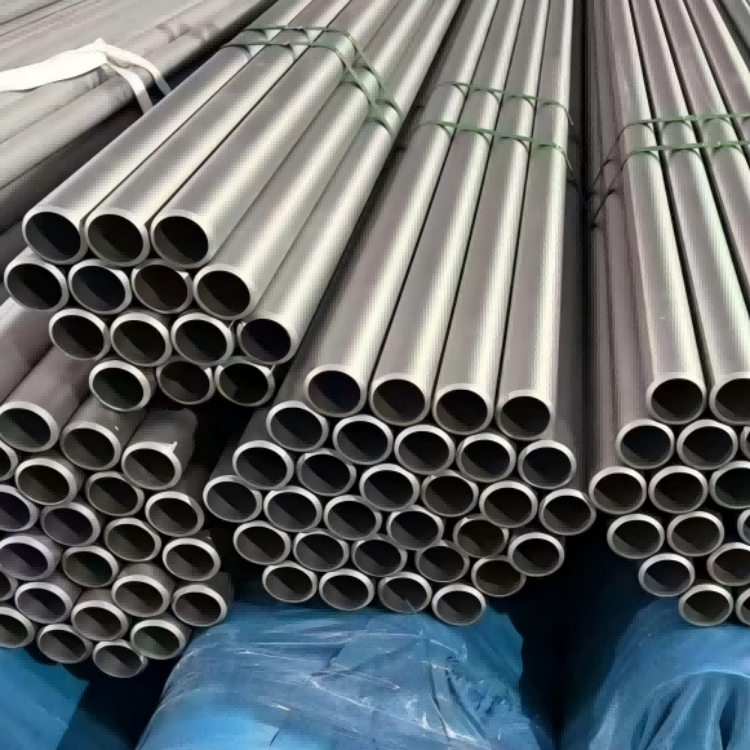
Carbon and Nitrogen Control in Stainless steel 316L Composition
Carbon content in stainless steel 316L composition is kept below 0.03 percent, compared to 0.08 percent in standard 304 grade, to prevent sensitization and intergranular corrosion. The 'L' designation in 316L specifically refers to this low-carbon specification within stainless steel 316L composition. Reducing carbon in stainless steel 316L composition prevents chromium carbide formation at grain boundaries during welding, which would create corrosion pathways and weaken joints in critical applications.
Nitrogen is sometimes added to stainless steel 316L composition to strengthen the austenitic matrix without sacrificing corrosion resistance. When nitrogen appears in stainless steel 316L composition, it typically ranges from 0.08 to 0.20 percent and improves yield strength significantly. This element choice in stainless steel 316L composition allows thinner sections to be used in pressure vessels and piping systems, reducing material costs while maintaining safety margins.
Trace Elements and Specifications for Stainless Steel 316L Composition
Iron, Manganese, and Silicon in Stainless Steel 316L Composition
Iron serves as the base element of stainless steel 316L composition and comprises approximately 65–70 percent of the alloy. Stainless steel 316L composition relies on iron as the foundational matrix that receives the chromium, nickel, and molybdenum elements. Manganese appears in stainless steel 316L composition at 1–2 percent to improve strength and hot-working characteristics without compromising corrosion resistance. Silicon content in stainless steel 316L composition typically ranges from 0.5 to 1.0 percent and enhances high-temperature oxidation resistance.
These base elements work synergistically within stainless steel 316L composition to create the austenitic structure that defines the material's performance envelope. Precise control of stainless steel 316L composition ensures consistency across multiple production batches and geographic suppliers. Mill certificates documenting elemental percentages provide traceability for industries such as pharmaceuticals and food processing where material documentation is mandatory.
Impurity Control and Material Purity in Stainless Steel 316L Composition
Stainless steel 316L composition specifications strictly limit impurities such as sulfur, phosphorus, and copper to ensure consistent mechanical properties and corrosion performance. Sulfur in stainless steel 316L composition is capped at 0.015–0.030 percent to prevent brittle sulfide inclusions. Phosphorus restrictions in stainless steel 316L composition protect against grain boundary embrittlement, while copper limits prevent unwanted sensitization mechanisms.
The rigorous control of stainless steel 316L composition reflects modern metallurgical standards and vacuum induction melting processes. Suppliers offering stainless steel 316L composition products undergo third-party testing and certification to validate conformance. This commitment to elemental accuracy ensures that end-users receive material that performs predictably across demanding service conditions.
FAQ
Why is the carbon content reduced in 316L compared to standard 316 stainless steel?
Carbon reduction in stainless steel 316L composition prevents sensitization during welding by minimizing chromium carbide precipitation at grain boundaries. Lower carbon in stainless steel 316L composition preserves corrosion resistance in the heat-affected zone and maintains intergranular integrity. This low-carbon specification in stainless steel 316L composition is especially critical for welded pipe systems and pressure equipment.
How does molybdenum improve pitting resistance in stainless steel 316L composition?
Molybdenum strengthens the passive film in stainless steel 316L composition by forming stable molybdenum oxides that resist chloride penetration. The molybdenum in stainless steel 316L composition increases the critical pitting temperature and extends service life in seawater and brine applications. This element is essential to stainless steel 316L composition's superior performance in subsea, desalination, and chemical processing environments.
Can stainless steel 316L composition be used in high-temperature applications above 800 degrees Celsius?
Stainless steel 316L composition remains structurally sound to approximately 800 degrees Celsius but experiences reduced corrosion resistance and creep strength at extreme temperatures. For sustained operation above 800 degrees Celsius, specialty superalloys or higher-grade austenitic variants may be more appropriate than standard stainless steel 316L composition. The elemental balance in stainless steel 316L composition is optimized for ambient to moderate elevated-temperature service rather than extreme heat applications.