 EN
EN

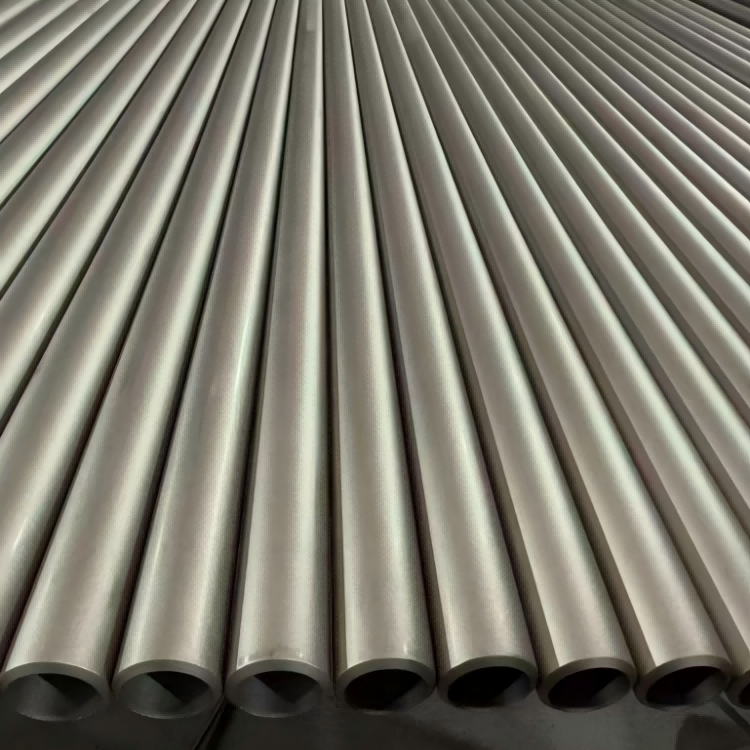
The choice between 304 stainless steel vs stainless steel remains one of the most critical material decisions in industrial manufacturing, construction, and equipment design. While all 304 stainless steel vs stainless steel applications require corrosion resistance, not every sector demands the premium properties of 304 grade. Understanding the distinct advantages and limitations of 304 stainless steel vs stainless steel helps engineers and procurement teams select the most cost-effective and performance-appropriate material. Different industries face unique environmental challenges, temperature ranges, and durability requirements that determine whether 304 stainless steel vs stainless steel grades deliver superior value or represent unnecessary expense.
304 stainless steel vs stainless steel comparisons reveal fundamental differences in nickel content, chromium composition, and processing techniques that directly impact real-world performance across sectors. The food and beverage industry, pharmaceutical manufacturing, chemical processing, and marine applications each demonstrate distinct preferences for specific grades. By examining industry-specific requirements, cost structures, and long-term maintenance implications, organizations can optimize their material selection strategy and reduce both capital expenditure and lifecycle costs.
Food and Beverage Industry Requirements
Hygiene and Contact Safety Standards
The food and beverage sector predominantly relies on 304 stainless steel vs stainless steel selections because regulatory compliance demands absolute material integrity in direct food contact applications. 304 stainless steel vs stainless steel grades used in food processing must withstand frequent sanitation cycles, acidic environments from citrus and fermented products, and dairy processing alkaline solutions. The 304 stainless steel vs stainless steel formulation contains approximately 18 percent chromium and 8 percent nickel, creating a passive surface oxide layer that resists corrosion from common food compounds. Lower-grade stainless varieties cannot provide equivalent reliability in these aggressive chemical environments, making 304 stainless steel vs stainless steel the industry standard for equipment that maintains consumer safety and product quality.
Equipment and Infrastructure Applications
Commercial kitchens, breweries, dairies, and meat processing facilities invest in 304 stainless steel vs stainless steel components for seamless pipes, storage tanks, mixing vessels, and conveyor systems. The 304 stainless steel vs stainless steel material choice ensures that equipment survives years of intensive cleaning, temperature fluctuations between processing and cooling stages, and exposure to salt-based preservatives. Food manufacturers report that 304 stainless steel vs stainless steel pipes maintain structural integrity and corrosion resistance far longer than alternative grades, reducing replacement frequency and production downtime. Lower-cost stainless steel options typically develop surface pitting and stress corrosion cracking within 3 to 5 years under identical conditions, forcing premature equipment replacement.
Chemical and Pharmaceutical Processing Sectors
Corrosive Fluid Handling
Chemical manufacturers and pharmaceutical laboratories depend on 304 stainless steel vs stainless steel for handling organic solvents, acids, bases, and complex pharmaceutical intermediates that aggressively attack conventional stainless grades. The 304 stainless steel vs stainless steel composition provides superior performance in environments where equipment contacts sulfuric acid, hydrochloric acid, and various caustic solutions throughout production cycles. Pharmaceutical companies specifically choose 304 stainless steel vs stainless steel reactors, distillation columns, and transfer lines because regulatory authorities require documented material reliability and batch traceability. The 304 stainless steel vs stainless steel standard guarantees material consistency, allowing manufacturers to achieve reproducible chemical reactions and maintain product purity specifications across production batches.
Equipment Longevity and Regulatory Compliance
Regulatory frameworks in pharmaceutical and chemical processing mandate that equipment materials demonstrate proven performance records and predictable degradation patterns. 304 stainless steel vs stainless steel meets these stringent requirements because decades of industry documentation validate its performance across thousands of chemical applications. The 304 stainless steel vs stainless steel material allows chemical companies to extend equipment life cycles to 15 to 20 years, whereas alternative stainless grades require replacement at 6 to 8 year intervals. This extended service life significantly reduces capital investment in replacement equipment and minimizes production interruptions from unscheduled equipment failures.
Marine and Coastal Infrastructure Applications
Saltwater Corrosion Resistance
Marine environments subject materials to constant chloride exposure that rapidly degrades most metals and many lower-grade stainless varieties through pitting corrosion and crevice attack. 304 stainless steel vs stainless steel demonstrates substantially superior performance in offshore platforms, desalination facilities, ship components, and coastal infrastructure because its nickel content creates stronger passive film stability. Maritime engineers select 304 stainless steel vs stainless steel for seamless pipes, fasteners, valves, and structural components because the material withstands decades of continuous saltwater exposure without significant degradation. Lower-cost stainless options fail within 2 to 4 years in marine service conditions, requiring replacement and creating safety risks if failures occur unexpectedly on active platforms or vessels.
Lifecycle Cost Advantages
Coastal infrastructure projects initially select 304 stainless steel vs stainless steel because the higher material cost justifies substantial maintenance and replacement savings over 20 to 30 year project lifespans. Port facilities, bridge expansion joints, and seawater intake systems consistently demonstrate that 304 stainless steel vs stainless steel investments recover their premium through reduced maintenance labor and extended replacement intervals. The 304 stainless steel vs stainless steel choice eliminates expensive coating systems, frequent inspections, and emergency repair costs associated with premature corrosion failure, making it the economically rational selection despite initial price differentials.
FAQ
Which industries absolutely require 304 stainless steel vs stainless steel for compliance?
Food processing, pharmaceutical manufacturing, and chemical handling sectors mandate 304 stainless steel vs stainless steel because regulatory frameworks require documented material reliability and corrosion resistance guarantees. These industries face liability exposure if equipment fails and contaminates products or causes safety incidents, making 304 stainless steel vs stainless steel the only acceptable choice. Lower-grade materials lack the regulatory track record and performance documentation required for regulatory agency approval in these sectors.
Can lower-grade stainless steel replace 304 stainless steel vs stainless steel in any industrial applications?
Lower-grade stainless steel performs acceptably only in non-critical applications with minimal corrosive exposure, such as architectural trim, interior fixtures, or low-stress decorative components where corrosion or failure poses minimal operational risk. Structural equipment, process-critical components, and applications involving direct chemical or saltwater contact require 304 stainless steel vs stainless steel because alternative grades demonstrate insufficient corrosion resistance. Attempting to save material costs by substituting lower grades typically results in premature equipment failure and significantly higher total lifecycle costs.
How do lifecycle costs compare between 304 stainless steel vs stainless steel options across different industries?
304 stainless steel vs stainless steel typically costs 15 to 30 percent more than lower-grade stainless varieties upfront, but delivers 2 to 3 times longer service life, reducing total equipment replacement frequency and maintenance labor expenses. In marine environments and chemical processing applications where corrosion rates are highest, 304 stainless steel vs stainless steel becomes cost-effective within 5 to 7 years through avoided replacement and repair expenses. Industries performing comprehensive total cost of ownership analysis consistently choose 304 stainless steel vs stainless steel despite premium material pricing because lifecycle economics strongly favor the superior-performance option.
Table of Contents
- Food and Beverage Industry Requirements
- Chemical and Pharmaceutical Processing Sectors
- Marine and Coastal Infrastructure Applications
-
FAQ
- Which industries absolutely require 304 stainless steel vs stainless steel for compliance?
- Can lower-grade stainless steel replace 304 stainless steel vs stainless steel in any industrial applications?
- How do lifecycle costs compare between 304 stainless steel vs stainless steel options across different industries?