 EN
EN
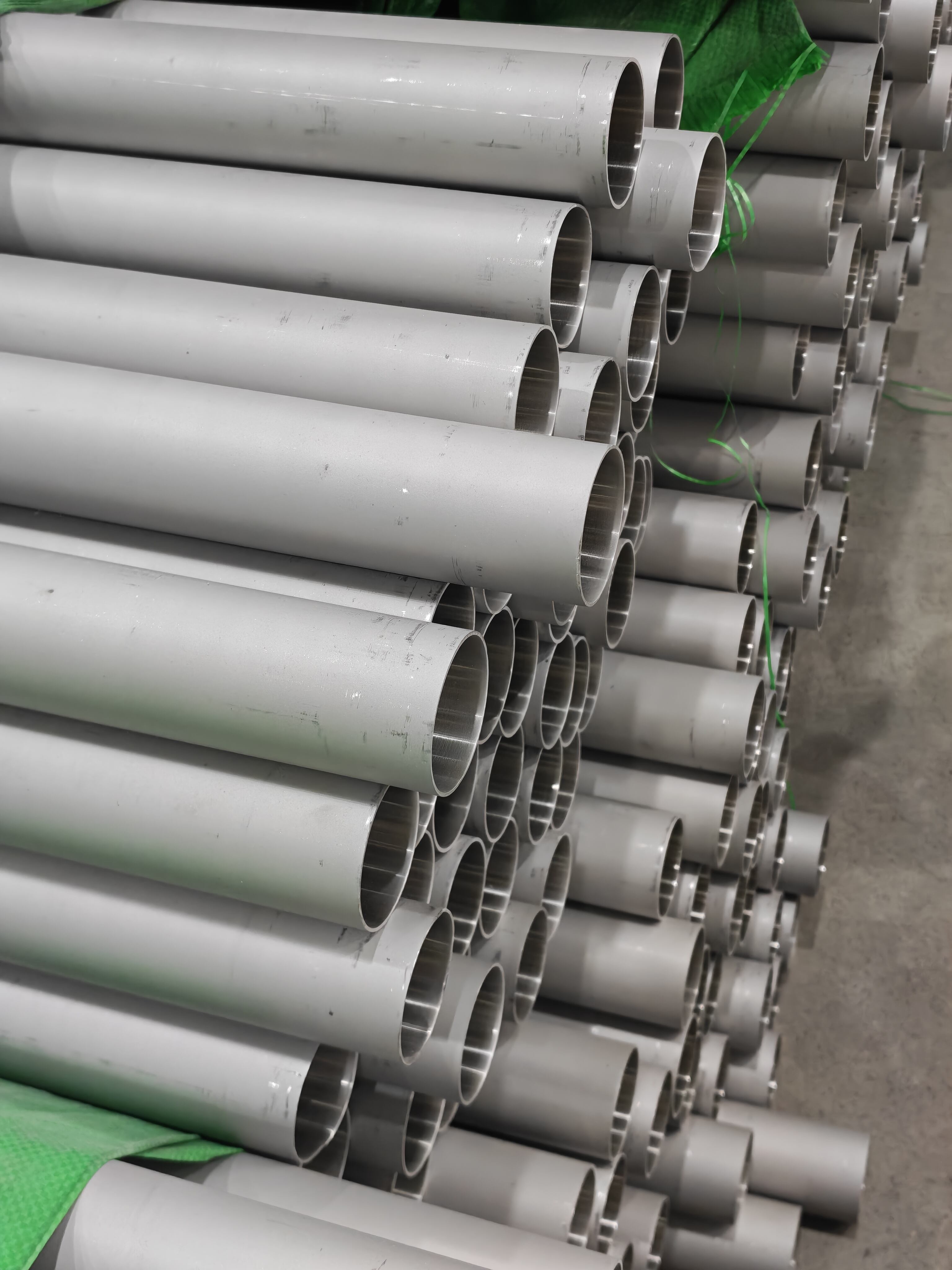
In high-pressure industrial environments, selecting the right piping solution is critical for operational safety, efficiency, and long-term reliability. Seam pipe, also known as welded pipe, has become a cornerstone material across industries such as oil and gas, chemical processing, power generation, and manufacturing. The fundamental question facing engineers and procurement professionals is how these welded structures respond when subjected to extreme internal pressures, thermal cycling, corrosive media, and mechanical stresses that define demanding industrial applications. Understanding the performance characteristics of seam pipe under high-pressure conditions requires examining the welding technology, material integrity, quality assurance protocols, and real-world application outcomes that determine whether this cost-effective solution can meet stringent operational requirements.
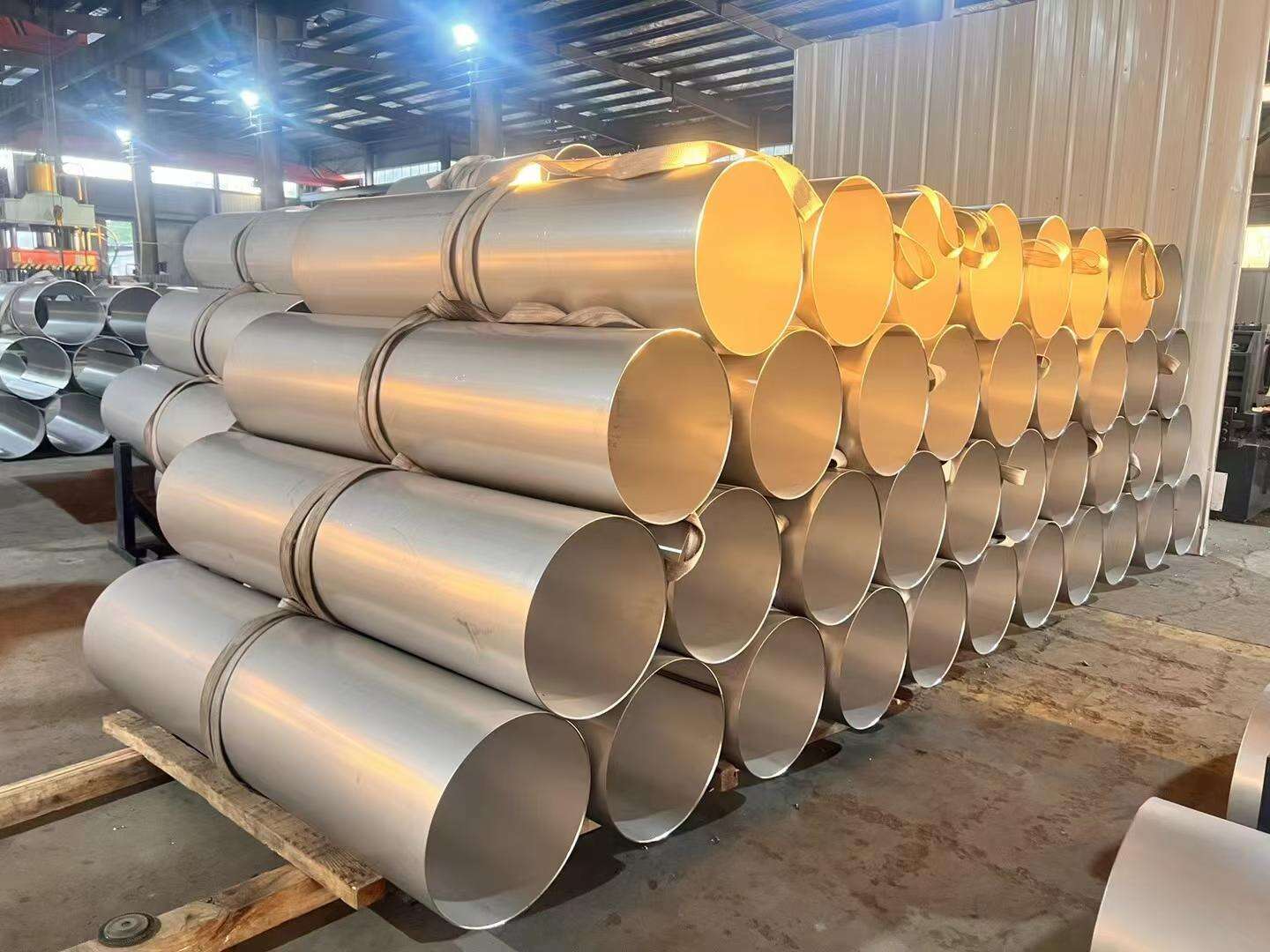
The performance of seam pipe in high-pressure scenarios is governed by multiple interdependent factors including weld quality, base material properties, manufacturing precision, and the specific pressure-temperature profile of the application. Modern welding techniques such as electric resistance welding (ERW), submerged arc welding (SAW), and high-frequency induction welding have dramatically improved the structural integrity of the longitudinal seam, enabling these pipes to withstand pressures that rival seamless alternatives in many industrial contexts. This article explores the mechanisms by which seam pipe achieves high-pressure performance, the testing standards that validate its reliability, the limitations engineers must consider, and the practical applications where welded pipe excels in pressure-critical systems.
Structural Integrity and Weld Quality in High Pressure Applications
Welding Technology Impact on Pressure Resistance
The longitudinal weld seam represents the defining characteristic of seam pipe and directly influences its ability to contain high internal pressures. Advanced welding processes create metallurgical bonds between base materials that can achieve strength levels equal to or exceeding the parent metal when properly executed. Electric resistance welding applies precisely controlled heat and pressure to forge a solid-state bond, while submerged arc welding deposits filler material under a protective flux blanket that produces clean, high-integrity welds with minimal defects. The heat-affected zone (HAZ) adjacent to the weld requires careful metallurgical management to prevent brittleness, grain coarsening, or microstructural changes that could compromise pressure containment capacity under cyclic loading conditions.
Modern seam pipe manufacturing facilities employ real-time weld monitoring systems that track temperature profiles, welding speed, current density, and forge pressure to ensure consistent weld quality across production runs. Non-destructive testing methods including ultrasonic inspection, radiographic examination, and eddy current testing verify weld integrity before pipes enter service. These quality control measures enable manufacturers to produce seam pipe with documented pressure ratings that meet or exceed specifications for high-pressure industrial applications. The weld zone typically undergoes post-weld heat treatment to relieve residual stresses, refine microstructure, and restore mechanical properties that optimize performance under sustained pressure loading.
Material Selection and Grade Specifications
The base material composition of seam pipe fundamentally determines its pressure-bearing capacity alongside geometric dimensions and weld quality. Carbon steel grades such as ASTM A53, API 5L, and ASTM A106 provide varying levels of tensile strength, yield strength, and ductility that directly correlate with maximum allowable working pressure. Alloy additions including chromium, molybdenum, and nickel enhance corrosion resistance, high-temperature strength, and toughness for specialized high-pressure applications involving aggressive chemical environments or elevated operating temperatures. Stainless steel seam pipe grades offer superior corrosion resistance critical for maintaining pressure integrity in environments where internal corrosion could progressively weaken pipe walls over service life.
Engineers specify seam pipe material grades based on detailed analysis of operating conditions including maximum design pressure, temperature ranges, fluid characteristics, and required service life. The relationship between material properties and pressure capacity follows established engineering formulas that account for pipe diameter, wall thickness, material yield strength, safety factors, and applicable design codes such as ASME B31.1, B31.3, or B31.4. Higher strength materials enable thinner wall constructions for equivalent pressure ratings, offering weight and cost advantages while maintaining structural integrity. Material certification documentation provides traceability for mechanical properties, chemical composition, and manufacturing history essential for validating pressure performance in critical applications.
Dimensional Precision and Wall Thickness Uniformity
The pressure containment capability of seam pipe depends significantly on maintaining precise dimensional tolerances and uniform wall thickness throughout the pipe body. Manufacturing processes that produce consistent outside diameter, wall thickness, and roundness ensure predictable stress distribution under internal pressure loading. Variations in wall thickness create stress concentration points where material is thinnest, potentially limiting overall pressure capacity below theoretical calculations based on nominal dimensions. Advanced forming technologies including continuous roll forming and precision sizing operations maintain tight dimensional control that supports reliable high-pressure performance.
Quality seam pipe production includes comprehensive dimensional inspection using laser measurement systems, ultrasonic thickness gauges, and coordinate measuring equipment to verify conformance with specification tolerances. Wall thickness testing at the weld seam and base material confirms adequate material is present to resist hoop stress generated by internal pressure. The relationship between internal pressure, pipe diameter, wall thickness, and allowable stress follows Barlow's formula and related design equations that establish safe operating envelopes. Dimensional consistency across production lots enables engineers to specify seam pipe with confidence that pressure ratings will be achieved in field installations without excessive safety margins that add unnecessary cost.
Testing Standards and Performance Validation Methods
Hydrostatic Pressure Testing Protocols
Hydrostatic testing represents the industry-standard method for validating the pressure integrity of seam pipe before it enters service in high-pressure industrial systems. This destructive testing approach fills pipes with water or another incompressible fluid and pressurizes them to levels exceeding maximum design pressure by specified safety margins, typically 150% to 200% depending on applicable codes and customer specifications. The test duration maintains elevated pressure for a minimum period while inspectors examine the entire pipe surface, weld seam, and end connections for leaks, deformation, or failure indicators. Seam pipe that successfully completes hydrostatic testing without leakage or permanent deformation demonstrates adequate strength for rated pressure service.
Manufacturing facilities conduct hydrostatic testing on either individual pipes or continuous production runs depending on quality requirements and production economics. Automated test systems monitor pressure levels, maintain test duration, and document results for quality records and customer certification. The test pressure calculation considers material grade, pipe dimensions, design codes, and intended service conditions to establish appropriate validation levels. Seam pipe subjected to rigorous hydrostatic testing provides assurance that weld quality, material properties, and dimensional characteristics combine to deliver reliable high-pressure performance. Some applications require witnessed testing where customer representatives or third-party inspectors observe testing procedures and verify results before accepting material shipments.
Non-Destructive Examination Techniques
Non-destructive testing (NDT) methods enable comprehensive evaluation of seam pipe integrity without damaging pipes or rendering them unsuitable for service. Ultrasonic testing employs high-frequency sound waves to detect internal defects, wall thickness variations, and weld discontinuities that could compromise pressure performance. Radiographic inspection uses X-ray or gamma radiation to create images revealing internal weld quality, porosity, slag inclusions, and lack of fusion defects invisible to visual inspection. Magnetic particle inspection identifies surface and near-surface cracks in ferromagnetic materials, while liquid penetrant testing reveals surface-breaking defects in any material type. These complementary techniques provide layered quality assurance that validates seam pipe suitability for high-pressure applications.
Industry specifications such as ASTM E213, ASTM E165, and ASTM E709 establish standardized procedures, acceptance criteria, and inspector qualification requirements for NDT applied to seam pipe. Advanced automated ultrasonic systems scan the entire weld seam at production speeds, detecting and characterizing defects smaller than manual inspection methods can reliably identify. Digital radiography provides enhanced defect detection sensitivity with reduced exposure times compared to film-based methods. The combination of hydrostatic testing and comprehensive NDT creates a robust validation framework ensuring seam pipe meets stringent quality standards for pressure-critical industrial installations. Documentation of NDT results accompanies material shipments, providing traceable quality records for asset integrity management programs.
Mechanical Property Testing Requirements
Mechanical testing verifies that seam pipe materials possess the strength, ductility, and toughness properties required for safe high-pressure operation. Tensile testing measures yield strength, ultimate tensile strength, and elongation characteristics that determine pressure capacity and resistance to rupture. Hardness testing at the weld zone, heat-affected zone, and base material identifies potential brittle regions that could initiate failure under pressure loading. Impact testing using Charpy V-notch specimens evaluates material toughness at service temperatures, particularly important for applications involving low-temperature operation where brittle fracture risks increase.
Flattening tests and flaring tests assess the ductility and forming characteristics of seam pipe, while crush tests evaluate resistance to external loads that could compromise pressure integrity. Weld-specific tests including guided bend tests verify that the weld seam possesses adequate ductility to withstand installation stresses and operational loading without cracking. Testing frequency follows statistical sampling plans defined by relevant standards, with increased testing for critical applications or when material properties approach specification limits. Comprehensive mechanical testing combined with dimensional inspection, NDT, and hydrostatic testing establishes confidence that seam pipe will perform reliably under sustained high-pressure conditions throughout its intended service life.
Comparative Performance Against Seamless Alternatives
Pressure Rating Equivalence Considerations
The historical preference for seamless pipe in high-pressure applications stemmed from concerns about weld seam integrity and potential weakness compared to homogeneous pipe structures. Modern manufacturing advances have substantially narrowed or eliminated performance gaps between quality seam pipe and seamless alternatives for many pressure ranges and service conditions. Electric resistance welded seam pipe with proper heat treatment and quality control can achieve pressure ratings equivalent to seamless pipe of identical material grade and dimensions. Submerged arc welded large-diameter seam pipe demonstrates pressure performance matching seamless pipe while offering superior dimensional control and availability in sizes where seamless manufacturing becomes technically challenging or economically prohibitive.
Engineers evaluate pressure rating equivalence by comparing material properties, dimensional tolerances, and applicable design codes rather than assuming seamless superiority. ASME pressure vessel codes and piping standards provide calculation methods that apply identical design formulas to seam pipe and seamless pipe when weld joint efficiencies meet specified values. High-quality seam pipe typically achieves 100% weld joint efficiency, meaning the weld seam possesses strength equal to base material and requires no pressure rating reduction. Applications involving extreme pressures, highly corrosive conditions, or critical safety consequences may still favor seamless pipe, but the decision should rest on engineering analysis rather than outdated assumptions about welded pipe limitations.
Cost-Performance Trade-offs in System Design
The economic advantages of seam pipe become particularly significant in high-pressure systems requiring substantial pipe quantities or large diameters where seamless alternatives command premium pricing. Manufacturing efficiency gains from continuous welding processes translate to lower per-foot costs while maintaining adequate pressure performance for most industrial applications. System designers optimize total installed cost by specifying seam pipe where pressure ratings, material properties, and quality standards meet operational requirements without unnecessary over-specification. The cost differential between seam pipe and seamless alternatives often enables larger diameter selections, thicker walls for corrosion allowance, or upgraded materials that enhance overall system performance within budget constraints.
Life-cycle cost analysis considers not only initial material costs but also installation labor, maintenance requirements, and service life expectations. Seam pipe dimensional consistency and availability in standard lengths facilitate faster installation with fewer field modifications compared to seamless pipe that may exhibit greater dimensional variability. The widespread availability of seam pipe in common grades and sizes reduces procurement lead times and inventory carrying costs for maintenance operations. For applications where seam pipe pressure ratings adequately satisfy design requirements, the economic advantages support its selection over higher-cost seamless alternatives without compromising safety or reliability.
Application-Specific Performance Criteria
Certain high-pressure applications present operating conditions where seam pipe characteristics offer advantages over seamless alternatives beyond simple pressure containment. The controlled grain structure and refined microstructure achieved through modern seam pipe manufacturing can provide superior corrosion resistance in specific chemical environments. The longitudinal weld seam orientation parallel to pipe axis typically experiences lower stress levels than circumferential stresses from internal pressure, making properly executed longitudinal welds less vulnerable to stress-corrosion cracking in susceptible environments. Applications involving cyclic pressure loading benefit from the fatigue resistance of high-quality weld seams that undergo post-weld heat treatment and comprehensive quality validation.
Industries including chemical processing, petroleum refining, and power generation successfully employ seam pipe in high-pressure steam lines, process piping, and fluid transmission systems where operating experience validates reliable performance. The selection decision balances pressure requirements, temperature conditions, corrosion environment, cyclic loading, fabrication requirements, and economic considerations rather than defaulting to seamless pipe assumptions. Engineering specifications increasingly recognize seam pipe as acceptable and often preferred for high-pressure applications where modern manufacturing quality, appropriate material selection, and proper installation practices ensure long-term reliability. The expanding acceptance of seam pipe in pressure-critical applications reflects accumulated field experience demonstrating performance equivalent to seamless alternatives in properly engineered installations.
Installation and Operational Considerations for Pressure Systems
Joint Preparation and Welding Requirements
Installing seam pipe in high-pressure systems requires careful attention to field welding procedures that join individual pipe sections into continuous pressure boundaries. Proper joint preparation including beveling, cleaning, and fit-up ensures field welds achieve quality levels matching factory-produced longitudinal seams. Welding procedure specifications (WPS) qualified through testing establish parameters for electrode selection, current levels, travel speed, interpass temperature, and post-weld heat treatment appropriate for material grades and service conditions. Welder qualification testing verifies individual craftsmen possess skills to produce sound welds meeting mechanical property and defect acceptance criteria.
Field welding of seam pipe follows the same quality principles governing original pipe manufacture, with documented procedures, qualified personnel, and comprehensive inspection ensuring pressure integrity. The orientation of the longitudinal seam relative to field welds typically receives specification attention, with some standards requiring seam positioning away from critical stress locations or high-temperature zones. Preheat and post-weld heat treatment requirements for field joints depend on material carbon equivalent, section thickness, and ambient conditions, with proper thermal management preventing hydrogen cracking and residual stress accumulation that could compromise pressure performance. Quality field installation practices enable seam pipe systems to achieve design pressure ratings throughout their operational life.
Pressure Testing and Commissioning Procedures
Completed piping systems constructed from seam pipe undergo comprehensive pressure testing before entering service to verify system integrity and validate design assumptions. Pneumatic testing using compressed air or inert gas provides an alternative to hydrostatic testing where water damage concerns, freezing risks, or system configuration makes liquid testing impractical, though pneumatic methods require enhanced safety protocols due to stored energy hazards. Test pressure levels, duration, acceptance criteria, and documentation requirements follow applicable piping codes such as ASME B31.3 for process piping or ASME B31.1 for power piping, with specifications often exceeding minimum code requirements for critical high-pressure applications.
Pressure testing validates not only the seam pipe material but also field welds, fittings, flanges, valves, and other system components that collectively form the pressure boundary. Leak detection during testing employs soap solution application, ultrasonic leak detectors, or pressure decay monitoring depending on system size and test medium. Systems passing acceptance testing receive documentation including test pressure, duration, temperature, test medium, and inspector certification that becomes part of permanent facility records. Successful commissioning testing provides confidence that properly manufactured seam pipe, correctly installed using qualified procedures, reliably contains design pressures throughout the system operating envelope.
Monitoring and Maintenance Programs
Maintaining pressure integrity of seam pipe systems throughout operational life requires proactive inspection and monitoring programs that detect degradation before it compromises safety or reliability. Risk-based inspection methodologies prioritize monitoring resources toward system locations experiencing highest stress, most aggressive corrosion, or greatest consequence of failure. Ultrasonic thickness measurement tracks wall loss from internal or external corrosion, enabling remaining life calculations and timely replacement before pressure capacity falls below safe levels. Visual inspection identifies external corrosion, mechanical damage, or support degradation that could affect system integrity.
Advanced monitoring technologies including acoustic emission testing, guided wave ultrasonics, and inline inspection tools enable condition assessment of seam pipe in operating systems without service interruption. Corrosion monitoring programs using corrosion coupons, electrochemical probes, or online analyzers track corrosion rates and guide adjustments to chemical treatment programs protecting internal surfaces. Pressure relief device testing, valve maintenance, and control system calibration ensure protective systems function properly to prevent overpressure events that could challenge seam pipe design limits. Comprehensive asset integrity management programs combining inspection data, operating history, and fitness-for-service analysis optimize maintenance timing while sustaining safe high-pressure operation of seam pipe systems throughout their economic life.
FAQ
What is the maximum pressure rating achievable with seam pipe in industrial applications?
The maximum pressure rating for seam pipe depends on multiple factors including material grade, pipe diameter, wall thickness, and applicable design codes rather than a single universal limit. High-strength carbon steel seam pipe with appropriate wall thickness can safely contain pressures exceeding 5,000 psi in smaller diameters, while large-diameter transmission pipe operates reliably at lower pressures determined by dimensional and material constraints. Alloy and stainless steel seam pipe grades offer higher pressure capacities for specialized applications requiring enhanced strength or corrosion resistance. Modern manufacturing quality enables seam pipe to achieve pressure ratings equivalent to seamless pipe of identical specifications in most industrial service conditions.
How does weld seam orientation affect pressure performance in seam pipe installations?
The longitudinal weld seam in seam pipe experiences primarily axial stress from internal pressure, which is typically one-half the magnitude of circumferential hoop stress acting perpendicular to the seam. This stress distribution means properly executed longitudinal welds generally perform well under internal pressure loading. Installation specifications sometimes require positioning the seam away from areas of concentrated external loading, support locations, or regions expected to experience highest temperatures. The weld seam orientation becomes most critical when external bending moments, thermal stresses, or point loads create localized stress concentrations that could interact with weld metallurgy. For pure internal pressure loading, longitudinal seam orientation provides favorable stress distribution supporting reliable high-pressure performance.
Can seam pipe be used interchangeably with seamless pipe in existing high-pressure systems?
Substituting seam pipe for seamless pipe in existing systems requires engineering evaluation confirming that material specifications, pressure ratings, dimensional compatibility, and quality standards meet or exceed original design requirements. When seam pipe possesses equivalent material properties, dimensions, and appropriate quality certifications including hydrostatic testing and NDT, it generally serves as an acceptable replacement for seamless pipe in most applications. Design codes such as ASME B31.3 provide guidance on weld joint efficiency factors and allowable stress values that engineers apply to verify pressure adequacy. Applications involving severe cyclic loading, extremely corrosive environments, or critical safety functions may require specific analysis or testing before substitution approval. Documentation including material test reports, pressure test certificates, and quality inspection records supports engineering decisions regarding seam pipe substitution in pressure-critical systems.
What inspection methods verify seam pipe integrity in operating high-pressure systems?
Multiple inspection technologies enable condition assessment of seam pipe during operation without system shutdown or depressurization. Ultrasonic thickness measurement provides direct wall thickness data identifying corrosion-related material loss that could reduce pressure capacity. Guided wave ultrasonic testing examines extended pipe lengths from single sensor locations, detecting corrosion, cracking, or other defects requiring detailed investigation. Radiographic inspection during planned outages reveals internal corrosion patterns, deposit accumulation, or developing cracks invisible to external examination. Acoustic emission monitoring detects active crack growth or leak development in real-time during operation. Visual inspection using remote cameras or borescopes examines internal surfaces in accessible systems. Comprehensive inspection programs combine multiple technologies selected based on degradation mechanisms, accessibility constraints, and consequence of failure to maintain seam pipe pressure integrity throughout service life.
Table of Contents
- Structural Integrity and Weld Quality in High Pressure Applications
- Testing Standards and Performance Validation Methods
- Comparative Performance Against Seamless Alternatives
- Installation and Operational Considerations for Pressure Systems
-
FAQ
- What is the maximum pressure rating achievable with seam pipe in industrial applications?
- How does weld seam orientation affect pressure performance in seam pipe installations?
- Can seam pipe be used interchangeably with seamless pipe in existing high-pressure systems?
- What inspection methods verify seam pipe integrity in operating high-pressure systems?