 EN
EN

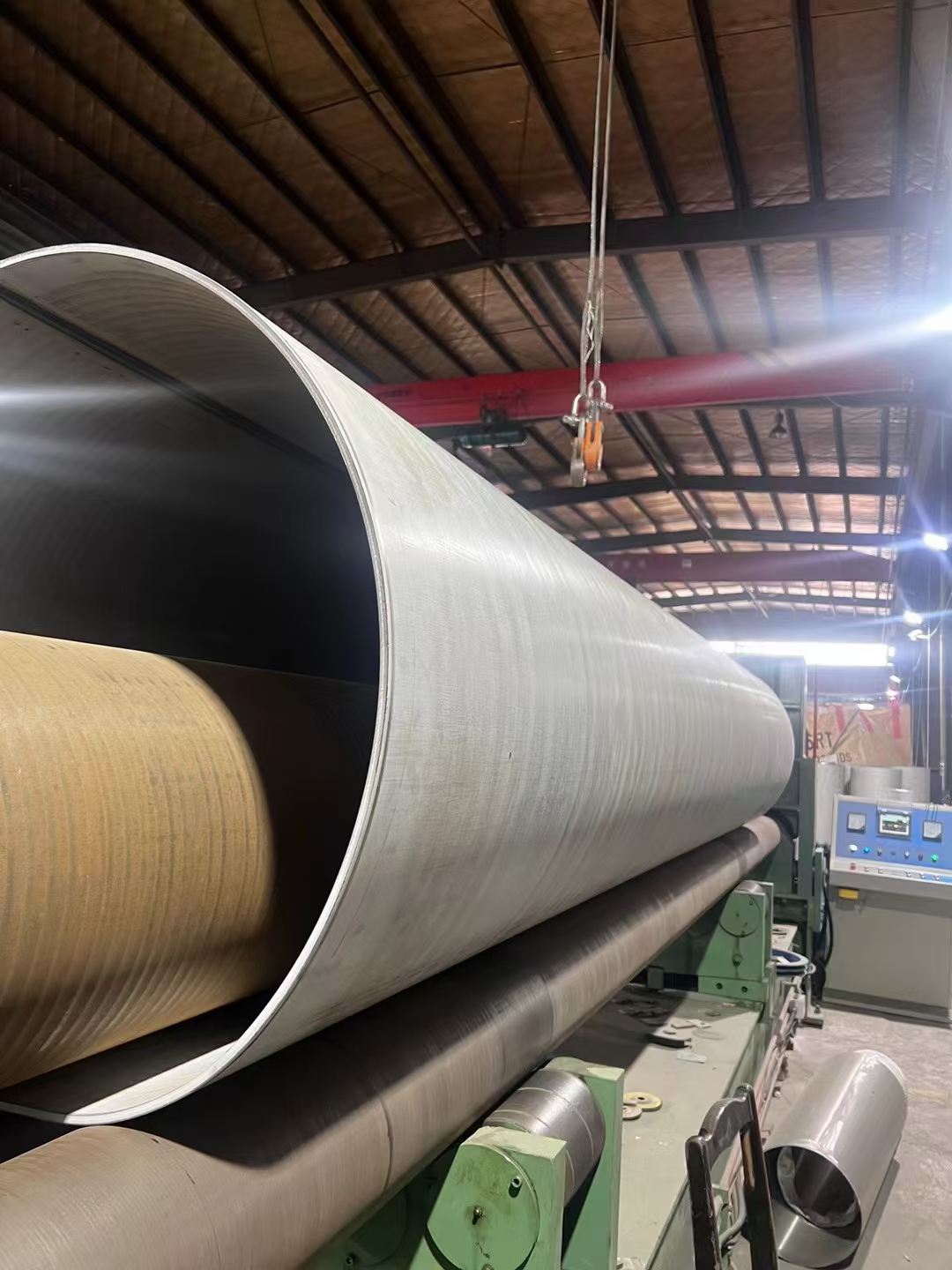
When engineers and procurement managers evaluate materials for demanding industrial environments, ASTM 304 stainless consistently emerges as one of the most trusted choices on the market. Its widespread adoption across chemical processing, food manufacturing, architectural applications, and fluid transport systems is not accidental — it is grounded in a well-understood metallurgical framework that makes this alloy exceptionally resistant to corrosion. Understanding precisely how this resistance works helps decision-makers select the right material, apply it correctly, and get the longest possible service life out of every component.
The corrosion resistance of ASTM 304 stainless is not simply a marketing claim — it is the direct result of carefully balanced alloying elements, a stable microstructure, and a passive oxide layer that continuously regenerates under the right conditions. This article breaks down the mechanisms behind that resistance, explores the environments where it performs best, identifies conditions that can challenge it, and explains why proper fabrication practices matter to preserving it.
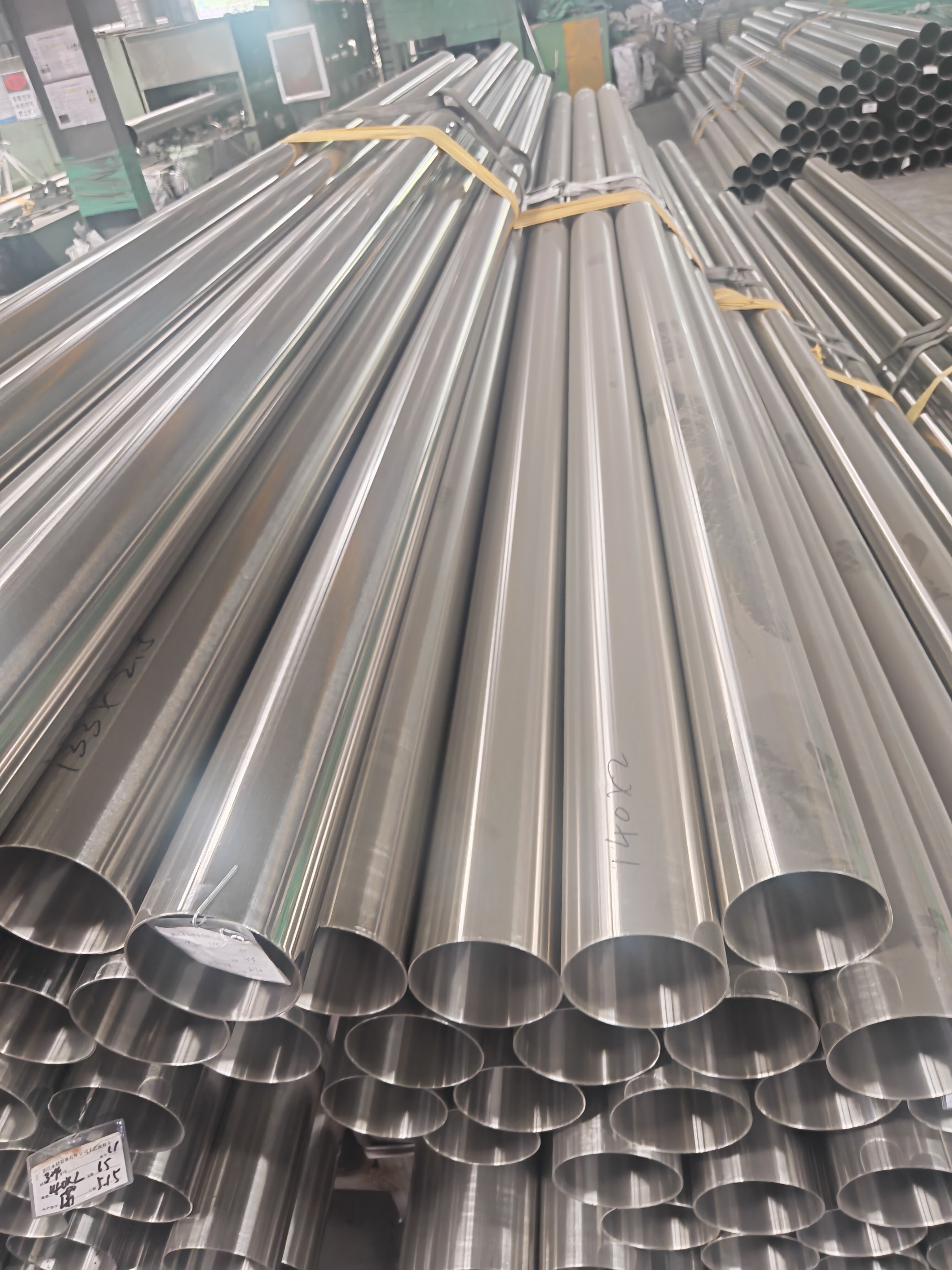
The Metallurgical Foundation of ASTM 304 Stainless
Chromium Content and Passive Layer Formation
The single most important factor driving the corrosion resistance of ASTM 304 stainless is its chromium content. According to the ASTM specification, this alloy contains a minimum of 18% chromium by weight, and it is this element that reacts with oxygen in the environment to form a thin, adherent chromium oxide layer on the steel's surface.
This passive layer, typically only a few nanometers thick, acts as a physical and chemical barrier between the underlying metal and corrosive agents in the surrounding environment. What makes it especially valuable is its self-healing property — if the surface is scratched or mechanically damaged, the chromium in the alloy re-oxidizes rapidly in the presence of air or moisture, restoring the protective film without any human intervention.
The stability of this passive film across a wide pH range and temperature spectrum is what gives ASTM 304 stainless its reputation for long-term reliability. In environments where many other metals would suffer visible rust and structural degradation within months, 304-grade components can maintain their integrity for decades.
The Role of Nickel in Structural Stability
ASTM 304 stainless also contains between 8% and 10.5% nickel, which plays a complementary but distinct role in corrosion resistance. Nickel stabilizes the austenitic microstructure of the alloy, which is inherently more corrosion-resistant than ferritic or martensitic structures because it reduces susceptibility to stress corrosion cracking in many environments.
Beyond structural stabilization, nickel improves the alloy's resistance to reducing acids and enhances its overall toughness at both elevated and cryogenic temperatures. This makes ASTM 304 stainless suitable for a broader operating range than many lower-alloy alternatives, particularly in piping and pressure vessel applications where thermal cycling is a concern.
The synergy between chromium and nickel in this alloy is deliberate and precise. Engineers who specify ASTM 304 stainless benefit from over a century of metallurgical refinement that has optimized the balance between these two elements to maximize passive film stability, ductility, and weldability simultaneously.
Environments Where ASTM 304 Stainless Excels
Aqueous and Atmospheric Exposure
In standard atmospheric conditions — including urban, industrial, and moderately aggressive environments — ASTM 304 stainless demonstrates exceptional performance. The passive oxide layer maintains its integrity when exposed to humidity, rain, and airborne contaminants that would corrode carbon steel rapidly.
In water treatment applications and clean water distribution systems, ASTM 304 stainless seamless pipe is widely specified because of its resistance to pitting and crevice corrosion in low-chloride water. The material does not introduce metallic contamination into the water, which is equally important for potable water systems and process water loops in pharmaceutical and food-grade facilities.
Outdoor architectural applications — handrails, facades, structural supports — also rely on ASTM 304 stainless because of its ability to resist staining and surface oxidation even with minimal maintenance. This durability translates directly into lower lifecycle costs compared to coated or painted carbon steel alternatives.
Chemical and Food Processing Applications
The food and beverage industry is one of the largest consumers of ASTM 304 stainless precisely because the material resists the mild organic acids and cleaning agents used in production environments. Citric acid, acetic acid, and common sanitizing solutions do not compromise the passive film at typical processing temperatures, making 304-grade components hygienic, cleanable, and long-lasting.
In chemical processing, ASTM 304 stainless is used in piping, heat exchangers, tanks, and fittings where moderate chemical exposure is expected. Its resistance to oxidizing acids like nitric acid is particularly strong, a direct consequence of the chromium-rich passive layer that becomes even more stable in oxidizing environments.
Specifying ASTM 304 stainless for these applications reduces the need for protective coatings, lining systems, or frequent replacement cycles. The alloy's resistance to both the process media and the caustic cleaning chemicals used between production runs gives facility operators a single-material solution for most moderate-duty chemical environments.
How Fabrication Practices Affect Corrosion Resistance
Welding and Heat-Affected Zone Sensitization
One of the most critical considerations when working with ASTM 304 stainless is the risk of sensitization during welding. When the alloy is heated to temperatures between approximately 425°C and 860°C, chromium can combine with carbon at grain boundaries to form chromium carbides, depleting the nearby regions of the chromium necessary to maintain the passive layer.
This depletion leaves sensitized zones vulnerable to intergranular corrosion — a form of attack that travels along grain boundaries and can cause rapid structural failure even in environments that would otherwise pose no risk to properly maintained ASTM 304 stainless. To mitigate this, fabricators should use low-heat-input welding techniques, apply proper post-weld treatments where feasible, and consider using the low-carbon variant, 304L, in applications involving extensive welding.
Proper passivation treatments after fabrication are also important for restoring and enhancing the passive film on ASTM 304 stainless components. Acid passivation using citric or nitric acid solutions removes surface contamination and promotes uniform oxide layer formation, significantly reducing the risk of localized corrosion in finished assemblies.
Surface Finish and Its Corrosion Implications
Surface finish has a measurable impact on the corrosion performance of ASTM 304 stainless. Smoother surface finishes are associated with better resistance to pitting and crevice corrosion because they minimize the micro-scale surface irregularities where aggressive species like chlorides can concentrate and initiate localized attack.
In hygienic or chemically aggressive environments, electropolished or mirror-polished ASTM 304 stainless surfaces are often specified to reduce bacterial adhesion and enhance the passive film's uniformity. Even in less demanding applications, avoiding mechanical damage, embedded iron contamination from tools, and improper handling during installation helps preserve the material's corrosion resistance over its full service life.
Regular inspection and maintenance of ASTM 304 stainless installations — including removal of deposits, cleaning of crevice-prone areas, and monitoring for discoloration — ensures that any localized attack is identified and addressed before it progresses to structural concern. Good maintenance practice is an extension of the material's inherent corrosion resistance, not a replacement for it.
Limitations and When Corrosion Resistance May Be Insufficient
Chloride Environments and Pitting Risk
Despite its strong general corrosion resistance, ASTM 304 stainless has recognized limitations in high-chloride environments. Chloride ions are particularly aggressive toward the passive oxide film because they penetrate and undermine it at localized sites, initiating pitting corrosion that can progress rapidly even when the surrounding surface remains unaffected.
Seawater exposure, concentrated brine systems, and high-chloride industrial process streams represent conditions where ASTM 304 stainless may not provide adequate service life. In such environments, higher-alloyed grades with molybdenum additions — such as 316 stainless — are typically specified because molybdenum significantly enhances resistance to chloride-induced pitting.
Understanding these boundaries is essential for proper material selection. ASTM 304 stainless is an excellent performer within its design envelope, but pushing it beyond those boundaries without understanding the mechanisms of failure leads to premature component loss and unexpected maintenance costs. Specifying the right alloy for the right environment remains the most important corrosion control strategy available to engineers.
High-Temperature Oxidation and Scaling Behavior
At elevated temperatures, ASTM 304 stainless maintains oxidation resistance up to approximately 870°C in continuous service and somewhat higher in intermittent service. Above these thresholds, the rate of oxide scale formation accelerates, and scaling can compromise both the appearance and the structural integrity of components over time.
For applications involving sustained high-temperature exposure — such as furnace components, exhaust systems, or high-temperature chemical reactors — higher-chromium or silicon-bearing stainless grades are typically more appropriate than ASTM 304 stainless. Recognizing where the material excels and where it transitions to marginal performance is part of the engineering discipline that maximizes the value of any material investment.
In standard industrial environments below these thermal thresholds, however, ASTM 304 stainless delivers a compelling combination of corrosion resistance, mechanical strength, fabricability, and cost-effectiveness that few other materials can match across such a broad range of applications.
FAQ
What makes ASTM 304 stainless more corrosion-resistant than regular carbon steel?
The key difference is the presence of at least 18% chromium in ASTM 304 stainless, which reacts with oxygen to form a self-repairing passive chromium oxide layer on the surface. Carbon steel lacks this alloying element and therefore rusts rapidly when exposed to moisture and oxygen, while the passive film on 304 stainless continuously regenerates and blocks corrosive attack.
Can ASTM 304 stainless be used in saltwater or marine environments?
ASTM 304 stainless is generally not recommended for direct immersion in seawater or for prolonged exposure to high-chloride marine environments. Chloride ions can penetrate and destroy the passive film, leading to pitting corrosion. For marine or coastal applications with significant chloride exposure, molybdenum-containing grades such as 316 stainless are a more suitable selection.
Does welding reduce the corrosion resistance of ASTM 304 stainless?
Improper welding can reduce the corrosion resistance of ASTM 304 stainless through a process called sensitization, where chromium carbides form at grain boundaries and deplete the surrounding areas of chromium. Using correct welding parameters, selecting the low-carbon 304L grade for weld-intensive designs, and applying post-weld passivation treatments can effectively mitigate this risk and preserve corrosion performance.
How should ASTM 304 stainless components be maintained to preserve their corrosion resistance?
Maintaining ASTM 304 stainless components involves regular cleaning to remove deposits, chloride residues, and biological fouling that can initiate localized corrosion. Avoiding contact with carbon steel tools or fixtures during handling prevents iron contamination that disrupts the passive layer. Periodic inspection for early signs of pitting or discoloration allows timely intervention before minor surface issues develop into structural problems.
Table of Contents
- The Metallurgical Foundation of ASTM 304 Stainless
- Environments Where ASTM 304 Stainless Excels
- How Fabrication Practices Affect Corrosion Resistance
- Limitations and When Corrosion Resistance May Be Insufficient
-
FAQ
- What makes ASTM 304 stainless more corrosion-resistant than regular carbon steel?
- Can ASTM 304 stainless be used in saltwater or marine environments?
- Does welding reduce the corrosion resistance of ASTM 304 stainless?
- How should ASTM 304 stainless components be maintained to preserve their corrosion resistance?