 EN
EN

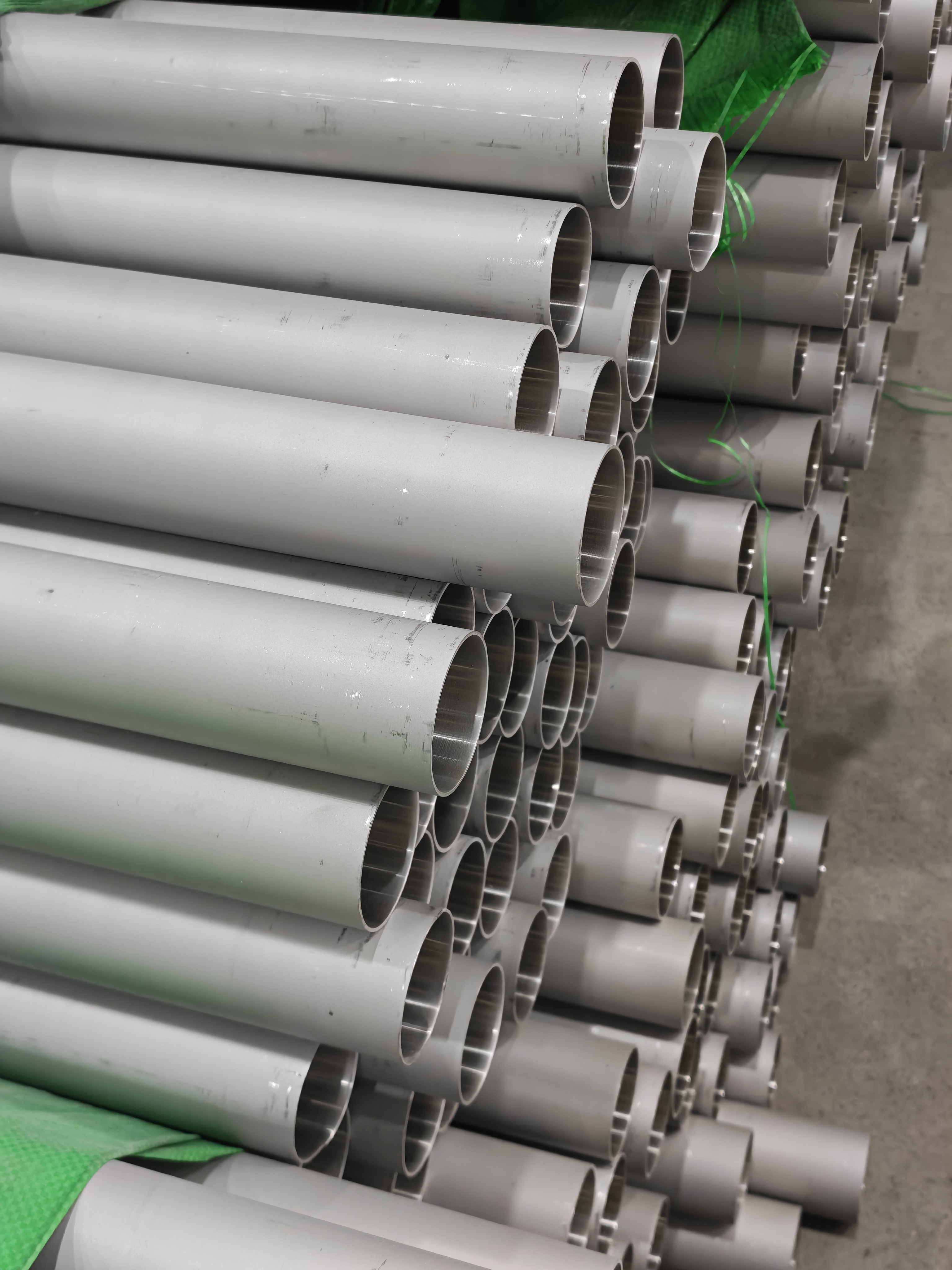
Introduction
High-pressure industrial systems require piping that can withstand internal pressure, temperature changes, mechanical stress, and exposure to demanding process media. A pipe failure can lead to production downtime, fluid leakage, equipment damage, or serious safety risks. For this reason, material selection and pipe design are critical in industries such as oil and gas, chemical processing, power generation, petrochemicals, and industrial manufacturing.
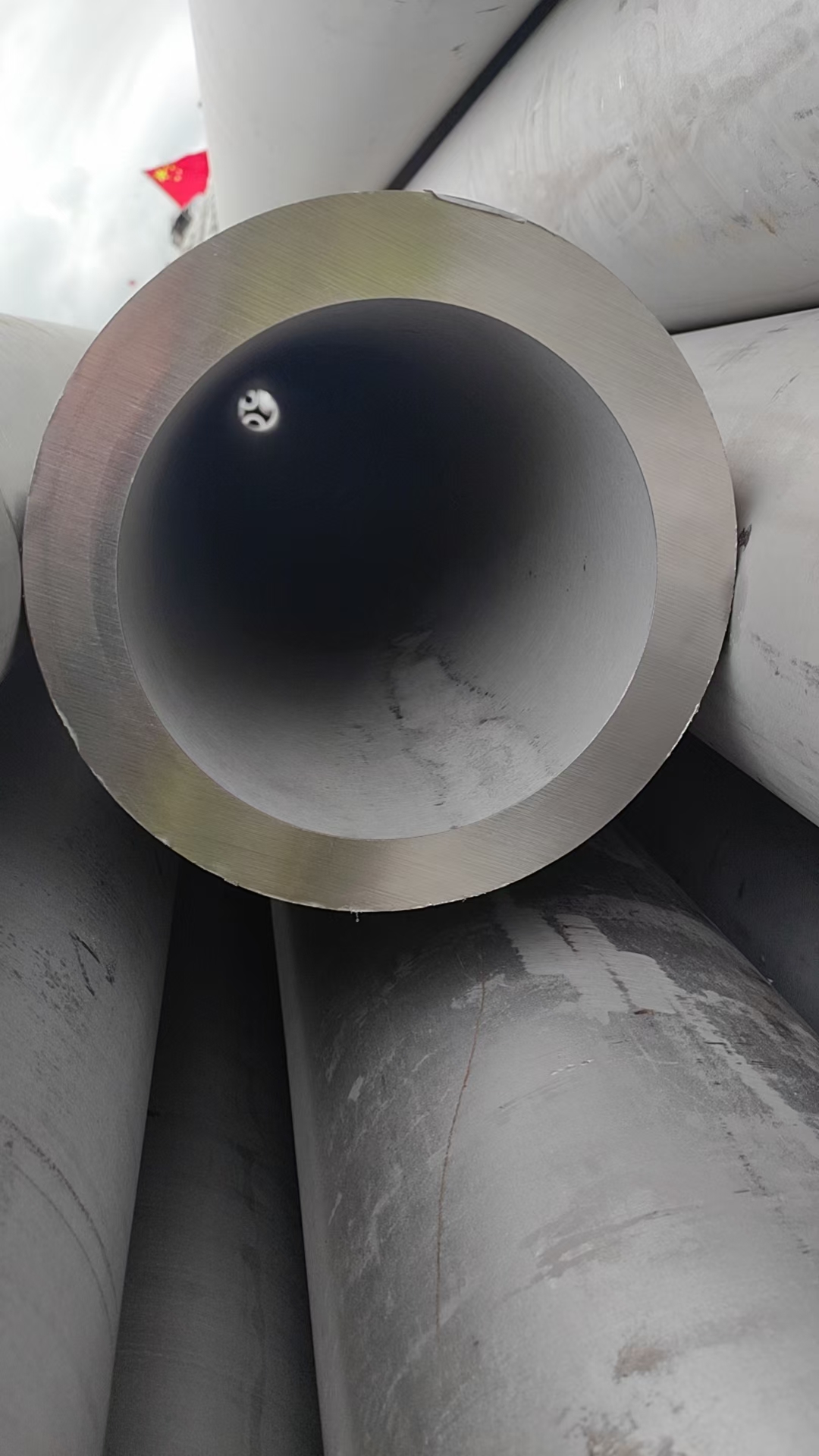
Seamless pipe is widely considered for high-pressure applications because it is manufactured without a longitudinal welded seam. Its continuous structure can reduce concerns associated with weld-zone defects and make it suitable for demanding pressure service when the material, wall thickness, manufacturing standard, and design conditions are correctly selected.
However, seamless construction alone does not guarantee safe performance. The pipe must be matched to the actual operating pressure, temperature, corrosion environment, dimensions, and applicable engineering code.
What Is Seamless Pipe?
Seamless pipe is produced from a solid steel billet. The billet is heated and pierced to create a hollow section, which is then rolled, sized, heat-treated, or cold-worked according to the required specifications.
Unlike welded pipe, seamless pipe does not contain a longitudinal weld line. This provides a continuous metal structure around the pipe circumference and removes the need to evaluate a longitudinal weld seam as part of the pressure boundary.
Seamless pipe is available in different materials and grades, including:
- Carbon steel
- Alloy steel
- Austenitic stainless steel
- Ferritic stainless steel
- Duplex stainless steel
- Super duplex stainless steel
- Nickel-based alloys
The appropriate material depends on the pressure, temperature, process fluid, corrosion exposure, and required service life.
1. Continuous Construction Supports Pressure Resistance
One of the main advantages of seamless pipe is its continuous construction. Since there is no longitudinal weld seam, the pipe does not have a weld zone that may become a concern under certain pressure, temperature, corrosion, or fatigue conditions.
This can be particularly valuable in systems exposed to:
- High internal pressure
- Repeated pressure cycles
- Thermal expansion and contraction
- Vibration
- Mechanical loading
- Corrosive process media
A seamless structure may provide more consistent pressure performance when manufactured and inspected correctly. However, the actual pressure capacity still depends on wall thickness, outside diameter, material strength, operating temperature, and design code.
Seamless pipe should therefore be selected based on engineering calculations rather than the word “seamless” alone.
2. Seamless Pipe Performs Well Under Pressure Cycling
Industrial piping systems may not operate at one constant pressure. Some systems experience repeated start-up and shutdown cycles, pressure surges, pulsation, or changes in flow conditions.
These repeated changes can create fatigue stress in the pipe wall. Over time, fatigue may cause cracks or failure if the pipe is not properly designed.
Seamless pipe can be advantageous in pressure-cycling environments because it avoids a longitudinal weld seam that may require additional evaluation. Its continuous structure can help reduce certain seam-related risks, particularly when the pipe is produced to an appropriate specification.
Pressure-cycle performance also depends on:
- Pipe material
- Wall thickness
- Surface quality
- Stress concentration
- Welding during installation
- Support spacing
- Vibration control
- Operating temperature
- Pressure fluctuation frequency
Even seamless pipe can fail if the system is poorly supported or exposed to pressure conditions beyond its design rating.
3. Wall Thickness Determines Pressure Capacity
The pressure resistance of seamless pipe is strongly influenced by its wall thickness. A thicker wall generally provides greater resistance to internal pressure, but thickness alone is not enough to determine suitability.
Engineers also need to consider:
- Outside diameter
- Internal diameter
- Design pressure
- Design temperature
- Allowable material stress
- Corrosion allowance
- Manufacturing tolerance
- External loads
- Applicable design code
For some industrial projects, pipe dimensions are selected using nominal pipe size and schedule. Other applications require a detailed wall-thickness calculation based on the actual design conditions.
A pipe with a suitable pressure rating at room temperature may have a lower allowable pressure at elevated temperature because material strength can decrease as temperature rises.
For this reason, B2B buyers should provide complete pressure and temperature information when requesting a quotation.
4. Material Grade Influences High-Pressure Performance
Different stainless steel and alloy grades offer different combinations of strength, corrosion resistance, toughness, and temperature performance.
304 and 304L Stainless Steel
304 and 304L are commonly used for general industrial and corrosive service. They may be suitable for many process systems, water applications, food processing lines, and industrial equipment.
However, they may not be the best choice for every chloride-containing or high-temperature environment.
316 and 316L Stainless Steel
316 and 316L contain molybdenum, which generally improves resistance to certain chloride-related corrosion conditions compared with 304 grades.
They are often considered for:
- Chemical processing
- Marine-related environments
- Pharmaceutical equipment
- Food processing
- Water treatment
- Industrial fluid systems
The final grade selection must still be based on the actual process medium and operating conditions.
Duplex Stainless Steel
Duplex grades combine characteristics of austenitic and ferritic stainless steels. They may provide higher strength and improved resistance to certain corrosion mechanisms.
Duplex and super duplex grades may be considered for:
- Oil and gas systems
- Offshore equipment
- Chemical processing
- Desalination
- High-chloride environments
- High-strength pressure piping
Higher-alloy materials may increase initial cost, but they can be appropriate when corrosion or mechanical requirements exceed the capabilities of standard grades.
5. High-Temperature Service Requires Careful Selection
High-pressure systems are often exposed to elevated temperatures. Examples include steam lines, refinery systems, heat exchangers, boiler equipment, and petrochemical processing units.
Temperature affects both material strength and corrosion behavior. As temperature increases, the allowable stress of a material may change. Some materials may also experience:
- Oxidation
- Thermal fatigue
- Creep
- Embrittlement
- Corrosion acceleration
- Dimensional changes
Seamless pipe can be used in high-temperature applications when the selected material and specification are appropriate. For example, ASTM A312 covers austenitic stainless steel pipe for high-temperature and general corrosive service, while other standards apply to alloy steel or specialized boiler and heat-exchanger products.
The buyer should confirm:
- Maximum operating temperature
- Design temperature
- Continuous or intermittent service
- Thermal cycling
- Required heat treatment
- Allowable stress
- Applicable pressure piping code
A high-pressure pipe should never be selected using pressure alone without considering temperature.
6. Corrosion Resistance Helps Maintain Long-Term Performance
Internal corrosion can reduce wall thickness and weaken a pressure boundary over time. External corrosion may also occur in humid, marine, chemical, or outdoor environments.
Stainless steel seamless pipe can provide corrosion resistance through its alloy composition, particularly its chromium content. Some grades also contain nickel, molybdenum, nitrogen, or other alloying elements to improve performance in specific environments.
Corrosion resistance is important because a pipe that initially meets pressure requirements may become unsafe if corrosion gradually reduces its wall thickness.
The correct grade depends on the process conditions, including:
- Chloride concentration
- Acidity or alkalinity
- Moisture
- Chemical composition
- Fluid velocity
- Operating temperature
- Oxygen exposure
- Cleaning chemicals
- External atmospheric conditions
For severe service, buyers may need additional corrosion evaluation, material testing, or a corrosion allowance.
7. Seamless Pipe Can Support Critical Industrial Applications
Seamless pipe is used in a range of demanding industrial environments when the applicable specification permits it.
Common applications include:
Oil and Gas
Seamless pipe may be used in process piping, gathering systems, high-pressure fluid lines, and equipment connections. Material selection must account for pressure, temperature, hydrocarbons, hydrogen sulfide, chlorides, and other service conditions.
Chemical Processing
Chemical plants may require piping that resists both pressure and aggressive process media. Stainless steel and alloy seamless pipe can be considered when corrosion resistance and mechanical performance are important.
Power Generation
Power plants use pressure piping for steam, water, feedwater, and other high-temperature services. The pipe must meet the requirements of the relevant power piping and material standards.
Petrochemical Processing
Refineries and petrochemical plants often operate with high temperatures, pressure changes, and corrosive substances. Seamless pipe may be selected for specific process and utility lines.
Industrial Equipment
Seamless pipe can be used in hydraulic systems, heat exchangers, pressure equipment, machinery, and specialized industrial assemblies.
The correct application depends on the product standard and engineering design. Not every seamless pipe is suitable for every pressure system.
8. Manufacturing Quality Affects Reliability
The performance of seamless pipe depends heavily on manufacturing quality. Even without a weld seam, the pipe may contain defects caused by poor billet quality, improper forming, unsuitable heat treatment, or inadequate finishing.
Important manufacturing controls may include:
- Raw material inspection
- Chemical composition verification
- Controlled piercing and rolling
- Heat-treatment control
- Dimensional inspection
- Surface inspection
- Mechanical testing
- Hydrostatic testing
- Nondestructive testing
- Material traceability
Quality requirements should be agreed before production. Buyers should also confirm whether the manufacturer can provide inspection reports, material certificates, and test documentation.
A reliable supplier should be able to identify the material heat number and connect the delivered pipe to its production and inspection records.
9. Testing Helps Verify Pressure Performance
Testing provides evidence that the pipe meets the agreed technical requirements. The exact tests depend on the product standard, grade, size, application, and project specification.
Possible tests include:
Chemical Analysis
Chemical analysis verifies whether the material composition matches the specified grade.
Tensile Testing
Tensile testing evaluates properties such as tensile strength and yield strength.
Hardness Testing
Hardness testing may be required for certain materials or applications.
Hydrostatic Testing
Hydrostatic testing uses liquid pressure to check pressure integrity and identify leakage or unacceptable defects.
Nondestructive Testing
Nondestructive testing may include eddy-current, ultrasonic, or other methods to detect discontinuities without damaging the product.
Dimensional Inspection
Dimensional checks confirm outside diameter, wall thickness, length, ovality, and other required tolerances.
Heat-Treatment Verification
Heat-treatment records may be important for stainless steel, alloy steel, and specialized high-temperature applications.
ASTM A312, for example, includes requirements related to chemical composition, mechanical properties, heat treatment, and hydrostatic or nondestructive electric testing for covered stainless steel pipe products.
10. Applicable Standards Define the Product Requirements
Industrial buyers should specify the correct standard instead of ordering only “high-pressure seamless pipe.”
Depending on the application, relevant standards may include:
- ASTM A312 for austenitic stainless steel pipe
- ASTM A213 for boiler, superheater, and heat-exchanger tubes
- ASTM A269 for certain stainless steel tubing applications
- ASTM A790 for duplex stainless steel pipe
- ASTM A106 for seamless carbon steel pipe for high-temperature service
- API 5L for applicable oil and gas line pipe
- EN 10216-5 for certain seamless stainless steel tubes
- ASME B31.1 for power piping
- ASME B31.3 for process piping
- ASME B31.4 for liquid transportation pipelines
- ASME B31.8 for gas transportation pipelines
The correct standard depends on the pipe type and service. Pipe, tube, pressure equipment, and pipeline products may have different dimensional, testing, and documentation requirements.
The latest applicable edition should be confirmed during engineering and procurement.
11. Installation Quality Is Also Important
A high-quality seamless pipe can still experience problems if installation is not properly controlled.
Potential installation risks include:
- Incorrect welding procedures
- Poor alignment
- Excessive bending
- Inadequate pipe supports
- Improper flange assembly
- Wrong gasket selection
- Residual stress
- Vibration
- Thermal expansion restrictions
- Contamination during fabrication
Although the pipe itself has no longitudinal weld seam, field welding may still be required to connect it to other components. Welding procedures, heat input, post-weld treatment, and inspection should follow the project requirements.
The complete piping system must be evaluated, not just the individual pipe.
12. Proper Support Reduces Mechanical Stress
Internal pressure is only one type of load acting on industrial pipe. The piping system may also experience:
- Pipe weight
- Fluid weight
- Thermal expansion
- Wind loads
- Vibration
- Seismic loads
- Equipment movement
- Pressure surge
- External impact
Improper support spacing can create bending stress and local deformation. Excessive vibration may also contribute to fatigue failure.
Engineers should consider support locations, anchors, guides, expansion loops, and flexible connections where appropriate.
A seamless pipe selected for high pressure should be integrated into a complete system designed for all expected loads.
What Should B2B Buyers Include in an RFQ?
When purchasing seamless pipe for high-pressure industrial service, the request for quotation should include as much technical information as possible.
Important details include:
- Product type
- Seamless or cold-drawn construction
- Material grade
- Applicable standard
- Outside diameter
- Nominal pipe size
- Wall thickness or schedule
- Pipe length
- Design pressure
- Design temperature
- Process medium
- Corrosion conditions
- Required surface finish
- Heat-treatment requirements
- Hydrostatic or NDT requirements
- Mechanical testing
- Material certificates
- Inspection documentation
- Packaging requirements
- Delivery destination
- Required quantity
The more complete the RFQ, the easier it is for the manufacturer to recommend a suitable product and prepare an accurate quotation.
Conclusion
Seamless pipe can perform effectively in high-pressure industrial environments because its continuous construction eliminates the longitudinal weld seam and can support reliable pressure performance under demanding conditions. It is widely considered for oil and gas, chemical processing, petrochemical, power generation, and industrial equipment applications.
However, seamless construction is only one part of a safe piping solution. The final performance depends on material grade, wall thickness, operating temperature, corrosion resistance, manufacturing quality, testing, installation, and the applicable design code.
For industrial buyers, the best approach is to select seamless pipe according to the complete service specification rather than relying on pressure ratings or material names alone. A qualified manufacturer should be able to provide the required dimensions, grades, testing, documentation, and customization support for the project.
Table of Contents
- Introduction
- What Is Seamless Pipe?
- 1. Continuous Construction Supports Pressure Resistance
- 2. Seamless Pipe Performs Well Under Pressure Cycling
- 3. Wall Thickness Determines Pressure Capacity
- 4. Material Grade Influences High-Pressure Performance
- 5. High-Temperature Service Requires Careful Selection
- 6. Corrosion Resistance Helps Maintain Long-Term Performance
- 7. Seamless Pipe Can Support Critical Industrial Applications
- 8. Manufacturing Quality Affects Reliability
- 9. Testing Helps Verify Pressure Performance
- 10. Applicable Standards Define the Product Requirements
- 11. Installation Quality Is Also Important
- 12. Proper Support Reduces Mechanical Stress
- What Should B2B Buyers Include in an RFQ?
- Conclusion