 EN

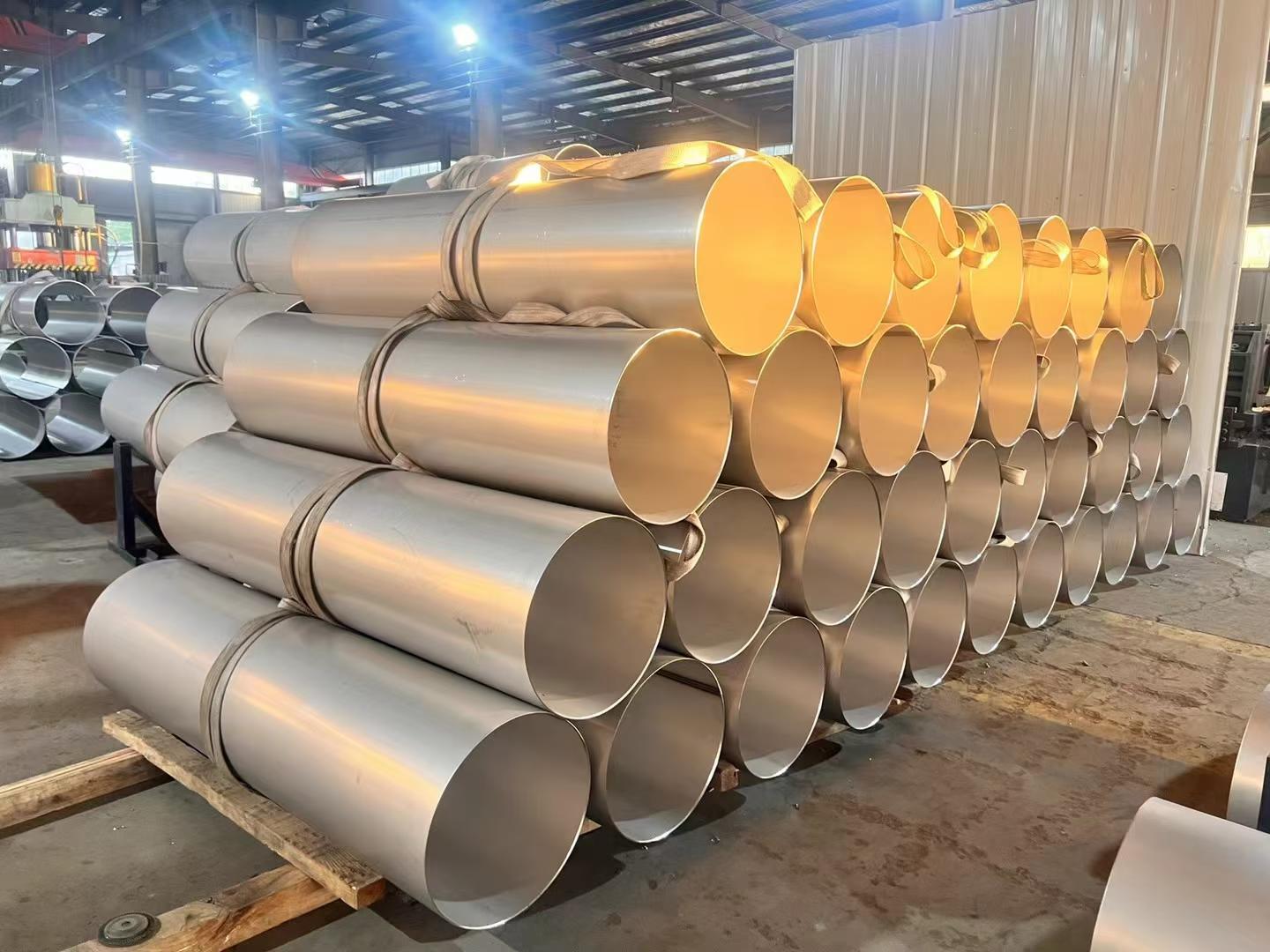
The piped seam is a critical concept in steel pipe manufacturing that directly affects product quality, structural integrity, and performance in demanding industrial applications. Understanding what a piped seam represents, how it forms during production, and why it matters to engineers, procurement specialists, and manufacturers is essential for anyone involved in steel pipe selection and quality assurance. A piped seam refers to a specific internal or surface defect that occurs during the welding and forming process of steel pipes, creating a seam that can compromise the pipe's ability to withstand pressure, corrosion, and operational stress.
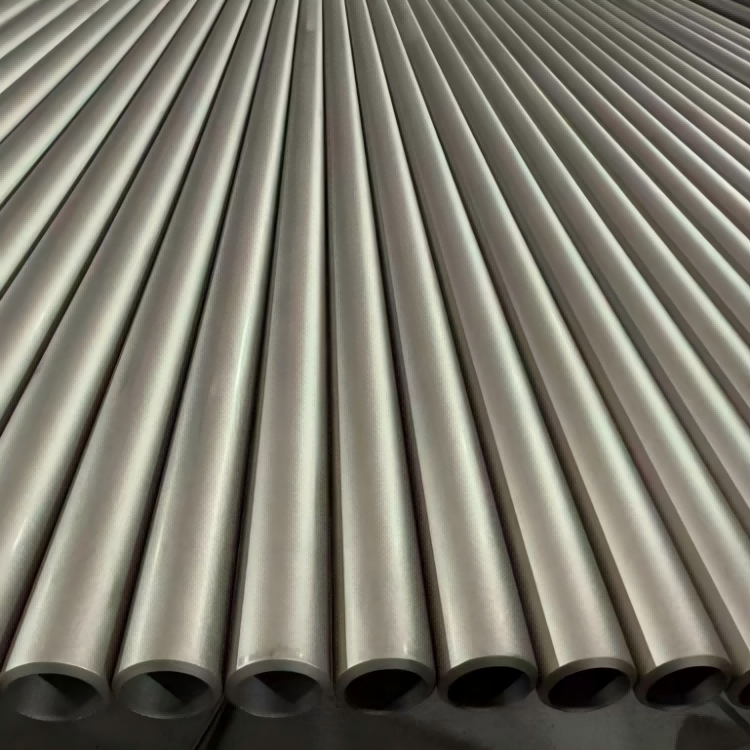
In steel pipe manufacturing, a piped seam typically manifests as a longitudinal line or groove along the length of the pipe where two edges of material meet but fail to fuse properly or leave behind trapped material and voids. This defect becomes particularly problematic in high-pressure applications, chemical transport, and structural systems where pipe integrity cannot be compromised. The piped seam designation exists in industry standards and quality control protocols precisely because even minor seam irregularities can lead to stress concentration, crack initiation, and eventual pipe failure under operational conditions.
Understanding Piped Seam Formation During Manufacturing
How Piped Seam Develops in the Welding Process
During pipe manufacturing, steel coils are unrolled, formed into a cylindrical shape, and welded along the seam where the two edges meet. A piped seam occurs when the welding process leaves behind a depression, void, or improperly fused region along this critical junction. The formation of a piped seam happens due to several technical factors: insufficient heat input during welding, improper electrode alignment, inadequate pressure during the forming stage, or residual oxide layers that prevent complete fusion between the two steel surfaces. When manufacturers rush production, fail to calibrate welding equipment correctly, or use substandard materials, the likelihood of piped seam defects increases significantly.
Root Causes Behind Piped Seam Defects
The primary root causes of piped seam formation include operator error, equipment malfunction, material inconsistency, and process parameter deviation. In high-frequency induction welding and electric resistance welding processes commonly used for steel pipes, precise timing and temperature control are non-negotiable. When the piped seam appears, it typically indicates that the pipe mill failed to maintain proper forging pressure after the weld bead solidified, or the cooling phase proceeded too quickly, creating internal voids. Environmental factors such as humidity, ambient temperature, and contaminant presence in the welding area can also contribute to piped seam development, particularly in pipes manufactured under less controlled conditions or at facilities with aging equipment.
Impact of Piped Seam on Pipe Performance and Safety
Structural Integrity and Pressure Rating Implications
A piped seam directly reduces the effective cross-sectional area of a steel pipe and creates a stress concentration point that amplifies loads and operational pressures. For pipes designed to carry fluids at high pressure, contain corrosive media, or support structural loads, the presence of a piped seam can reduce the working pressure rating by 10 to 25 percent or more, depending on seam depth and location. Engineers performing pressure vessel design and pipeline system specifications must account for piped seam risk because even small voids can initiate fatigue cracks over time, leading to slow leaks or catastrophic failures. In critical applications such as offshore pipelines, aerospace hydraulic systems, and power generation equipment, a piped seam is considered a critical defect that mandates pipe rejection or rework.
Corrosion Vulnerability and Service Life Degradation
The piped seam acts as a corrosion initiation site because the irregular geometry traps moisture, corrosive agents, and oxygen, accelerating localized corrosion at the seam location. In carbon steel pipes carrying water, acids, or salt solutions, a piped seam shortens the expected service life dramatically compared to seamless or properly welded pipe with uniform seam geometry. Stainless steel pipes with a piped seam face similar challenges despite the material's inherent corrosion resistance, as crevice corrosion can develop in the seam depression. For industries such as chemical processing, water treatment, offshore oil and gas, and marine applications, eliminating piped seam defects is a non-negotiable quality requirement to prevent unplanned downtime, safety incidents, and replacement costs.
Quality Control and Detection of Piped Seam Defects
Inspection Methods for Identifying Piped Seam
Manufacturers employ multiple inspection techniques to detect and measure piped seam depth and width, ensuring that pipes meet contractual specifications and industry standards. Visual inspection identifies obvious piped seam surface depressions, while ultrasonic thickness measurement, radiographic inspection, and eddy current testing reveal internal voids and subsurface defects that visual methods cannot detect. The piped seam signature appears distinctly on ultrasonic scans as a localized thinning or void region along the longitudinal seam axis. High-reliability applications require that all pipes undergo 100 percent piped seam inspection using automated eddy current or phased array ultrasonic systems that scan the entire pipe length and flag defects exceeding specified tolerance thresholds. Industry standards such as API 5L, ASME B36.10, and ISO 3183 establish acceptance criteria that define maximum allowable piped seam dimensions, providing a objective benchmark for quality decisions.
Acceptance Criteria and Rework Procedures
Different applications tolerate varying degrees of piped seam severity based on design pressure, fluid type, and regulatory requirements. For general utility piping, minor surface piped seam may be acceptable if depth remains below specified limits, typically 10 to 15 percent of pipe wall thickness. For critical applications, zero piped seam tolerance applies, requiring that any detected defect triggers pipe rejection or mandates corrective action such as grinding out the seam depression and re-welding. Manufacturers capable of addressing piped seam through controlled rework operations grind the seam area, remove the defective material, and re-weld using tightly controlled parameters to ensure complete fusion and proper geometry. The rework process adds cost and production time, making piped seam prevention preferable to detection and correction downstream.
FAQ
What is the difference between a piped seam and a regular weld line in steel pipes?
A piped seam is a defect characterized by voids, depressions, or incomplete fusion along the weld line, whereas a regular weld line represents a properly formed and fused junction between pipe edges. A normal seam shows uniform geometry, complete material fusion, and no internal voids, allowing the pipe to achieve its full rated pressure and service life. A piped seam, by contrast, contains localized weak points that reduce structural capacity and initiate premature failure under stress or corrosive conditions.
How does a piped seam affect the pressure rating of a steel pipe?
A piped seam reduces the effective wall thickness at the seam location and creates a stress concentration zone, both of which lower the maximum allowable working pressure. Depending on piped seam depth and design factors, the pressure rating can drop 10 to 30 percent or more. For pipes initially rated at 1500 PSI, a significant piped seam might reduce the safe working pressure to 1050 to 1350 PSI, necessitating redesign or pipe replacement in affected systems.
Can a piped seam be repaired, or must the entire pipe be replaced?
A piped seam can be repaired through controlled grinding and re-welding if the seam depth remains within limits and the pipe's operational requirements allow rework. However, repair costs, time delays, and uncertainty regarding repair quality often make replacement the preferred option for critical applications. In high-reliability systems, rejected pipes with significant piped seam defects are typically scrapped or downgraded to lower-pressure service categories rather than subjected to uncertain repair processes.