 EN

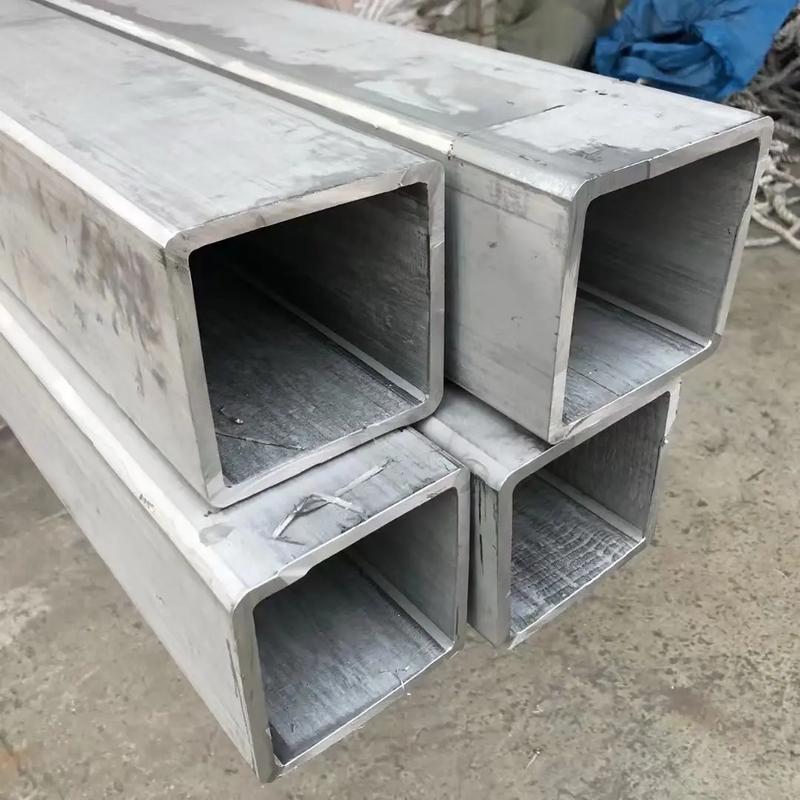
Industries worldwide depend on seamless stainless pipe for critical high pressure applications where failure is not an option. From oil and gas extraction to chemical processing, pharmaceutical manufacturing to power generation, the seamless stainless pipe has become the standard for operations requiring exceptional strength, corrosion resistance, and reliability under extreme conditions. Understanding why seamless stainless pipe dominates this market reveals fundamental truths about material science, engineering demands, and operational cost management in industrial settings.
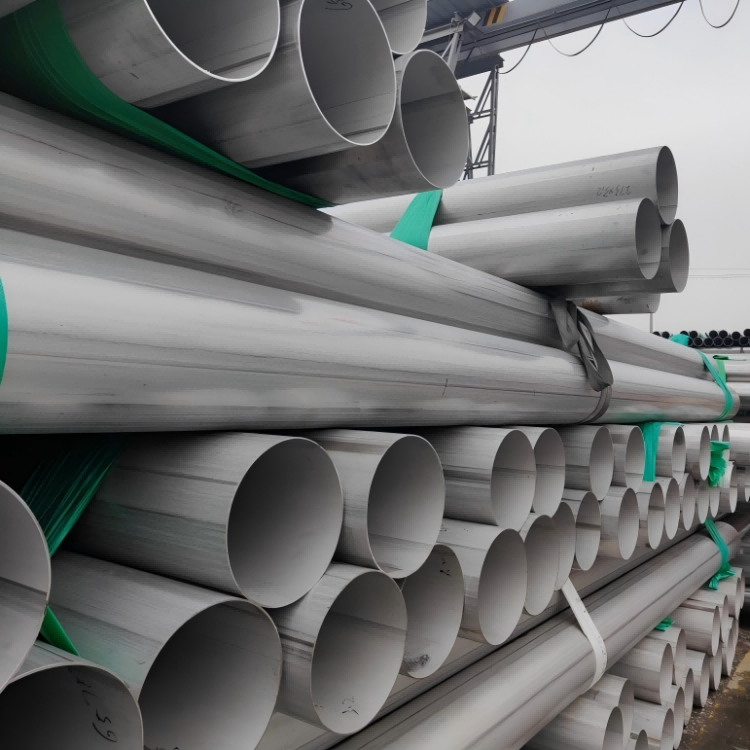
The decision to invest in seamless stainless pipe represents a strategic commitment to operational excellence. Industries choose seamless stainless pipe not merely for compliance with specifications, but because the material delivers measurable advantages in performance, longevity, and total cost of ownership. This article explores the technical, economic, and practical reasons why seamless stainless pipe has become indispensable across demanding industrial sectors.
Superior Structural Integrity Under Extreme Pressure
Eliminating Weak Points Through Seamless Manufacturing
Seamless stainless pipe achieves superior structural integrity because the manufacturing process eliminates seams, which are inherent weak points in welded pipe systems. The seamless stainless pipe is produced by piercing a solid billet and drawing the resulting tube through dies, creating a continuous material matrix with no joints or stress concentration zones. This process ensures that seamless stainless pipe maintains uniform wall thickness and metallurgical consistency throughout its entire length, preventing the stress risers that compromise performance in high pressure environments.
High pressure applications demand materials that can withstand extreme stress cycles without developing micro-fractures or fatigue failure points. Seamless stainless pipe excels in these demanding conditions because every cross-section exhibits the same structural properties. The absence of welded seams means seamless stainless pipe can tolerate pressure spikes, thermal cycling, and mechanical vibration that would quickly compromise seamed alternatives. Industries choose seamless stainless pipe specifically because the seamless construction eliminates the vulnerabilities that lead to catastrophic failures in critical systems.
Pressure Rating and Design Advantages
Seamless stainless pipe typically permits higher pressure ratings than equivalent seamed tubes, allowing engineers to specify smaller diameter seamless stainless pipe for the same application, reducing material costs and installation complexity. The pressure capability of seamless stainless pipe derives from the absence of weld heat-affected zones where metallurgical changes can reduce strength and corrosion resistance. This advantage means seamless stainless pipe supports higher design pressures while maintaining the same wall thickness, translating directly to operational efficiency and safety margins.
When industries evaluate piping materials for high pressure service, seamless stainless pipe consistently delivers superior pressure ratings compared to alternatives. The seamless stainless pipe's ability to handle higher pressures safely enables more compact system designs, fewer pressure relief requirements, and reduced equipment footprints in confined spaces. This design flexibility has made seamless stainless pipe the material of choice across petrochemical, aerospace, and power generation industries where pressure ratings directly influence system performance and capital equipment costs.
Corrosion Resistance and Material Longevity
Protecting Against Aggressive Chemical Environments
The stainless steel composition of seamless stainless pipe provides inherent corrosion resistance that conventional carbon steel cannot match, particularly in aggressive chemical, saltwater, or high temperature environments. Seamless stainless pipe contains chromium and nickel alloying elements that form a passive oxide layer on the pipe surface, preventing rust and corrosion even when exposed to corrosive media. This passive protection mechanism makes seamless stainless pipe ideal for chemical processing, offshore platforms, and desalination facilities where corrosive attack would rapidly deteriorate conventional materials.
Industries choose seamless stainless pipe because the corrosion resistance dramatically extends service life and reduces maintenance requirements. A seamless stainless pipe installation can operate for decades in chemically aggressive environments where carbon steel alternatives would require replacement within years or even months. The seamless stainless pipe's superior longevity translates into lower total cost of ownership, reduced downtime for maintenance and replacement, and greater operational predictability. For applications involving corrosive fluids, seamless stainless pipe becomes the only practical choice when lifecycle costs and safety risks are properly evaluated.
Minimizing Corrosion at Stress Concentration Points
Weld seams in conventional piping create localized areas prone to stress corrosion cracking, a failure mode that seamless stainless pipe completely eliminates through its manufacturing process. Seamless stainless pipe avoids the metallurgical weaknesses associated with weld heat-affected zones where chromium depletion reduces corrosion resistance. This advantage becomes critical in high temperature applications and systems containing chloride-containing fluids that accelerate stress corrosion cracking at weld locations. Seamless stainless pipe's seamless construction provides uniform corrosion protection throughout the entire pipe length, ensuring consistent performance over the system's operational life.
The absence of seams in seamless stainless pipe means there are no preferential corrosion initiation sites where moisture and corrosive agents can accumulate and attack the material. This characteristic makes seamless stainless pipe particularly valuable in offshore, coastal, and chemically contaminated environments where weld seam corrosion typically initiates failures. Industries investing in seamless stainless pipe for corrosive service environments are effectively purchasing extended asset life and enhanced safety margins against catastrophic failure modes.
Economic and Operational Performance Factors
Reducing Leak Points and Maintenance Costs
Seamless stainless pipe reduces the number of potential leak points in piping systems by eliminating weld seams and the associated quality variability that accompanies manual or automated welding processes. Every weld joint represents a potential failure point requiring inspection, maintenance, and eventual replacement. Seamless stainless pipe systems require significantly fewer joints overall, directly reducing the surface area exposed to corrosion and the probability of leaks occurring. Industries choose seamless stainless pipe to minimize operational disruptions caused by unexpected leaks and the associated environmental, safety, and productivity consequences.
The economic advantage of seamless stainless pipe extends beyond materials procurement to encompass installation labor, inspection requirements, and long-term maintenance protocols. Seamless stainless pipe systems require fewer quality inspections during installation because the manufacturing process provides guaranteed quality at the factory. This advantage reduces installation costs, accelerates project timelines, and provides greater confidence in system performance when operational startup occurs. The reduced maintenance burden of seamless stainless pipe over decades of service represents substantial cost savings that justify the higher initial material investment compared to alternatives.
Supporting Higher Operating Pressures with Confidence
Industries choose seamless stainless pipe because the material supports higher operating pressures safely, enabling more aggressive production parameters and higher throughput in process systems. When a seamless stainless pipe can handle higher pressures than alternative materials, engineers can optimize system operating conditions for maximum productivity without sacrificing safety or reliability. This capability becomes particularly valuable in chemical processing, where the ability to operate at higher pressures directly improves reaction yields and equipment efficiency. Seamless stainless pipe's pressure-handling capabilities translate into measurable improvements in product output, energy efficiency, and return on capital investment.
The pressure advantages of seamless stainless pipe also provide valuable safety margins during upset conditions or unexpected demand spikes. Industrial operators rely on seamless stainless pipe's superior pressure rating to maintain safe operation during transient events that temporarily exceed normal operating parameters. This safety buffer prevents emergency shutdowns, protects expensive downstream equipment, and maintains system reliability that customer commitments depend upon. Industries operating critical infrastructure recognize that seamless stainless pipe represents insurance against operational disruptions and the substantial financial and reputational costs that accompany unexpected failures.
FAQ
What Makes Seamless Stainless Pipe Different from Welded Alternatives?
Seamless stainless pipe is manufactured by piercing and drawing a solid billet, creating a continuous tube with no welds or seams. This process eliminates weak points present in welded pipe, allowing seamless stainless pipe to achieve higher pressure ratings, superior corrosion resistance, and extended service life. Welded pipes contain seams that create stress concentration zones, weld defects, and metallurgical discontinuities that reduce strength and reliability. Seamless stainless pipe's manufacturing process produces uniform material properties throughout the entire length, delivering superior performance in high pressure and corrosive environments.
In Which Industries Is Seamless Stainless Pipe Most Commonly Used?
Seamless stainless pipe is essential in oil and gas production, chemical processing, pharmaceutical manufacturing, power generation, aerospace applications, and desalination systems. These industries require seamless stainless pipe because the material can withstand extreme pressures, corrosive fluids, and harsh environmental conditions where conventional materials fail prematurely. Seamless stainless pipe's ability to maintain integrity under demanding conditions makes it the material of choice for critical infrastructure and high-reliability applications where failure could result in environmental damage, safety hazards, or significant financial loss.
Does Seamless Stainless Pipe Cost More Than Alternatives?
Seamless stainless pipe typically has a higher initial material cost than carbon steel or low-alloy alternatives, but delivers superior total cost of ownership through extended service life, reduced maintenance, and fewer replacement cycles. When industries calculate lifecycle costs including installation labor, inspections, maintenance, and eventual replacement, seamless stainless pipe frequently proves more economical than cheaper alternatives that require early replacement due to corrosion or fatigue failure. The decision to invest in seamless stainless pipe should evaluate performance requirements and expected service life rather than focusing solely on initial procurement price.