 EN
EN

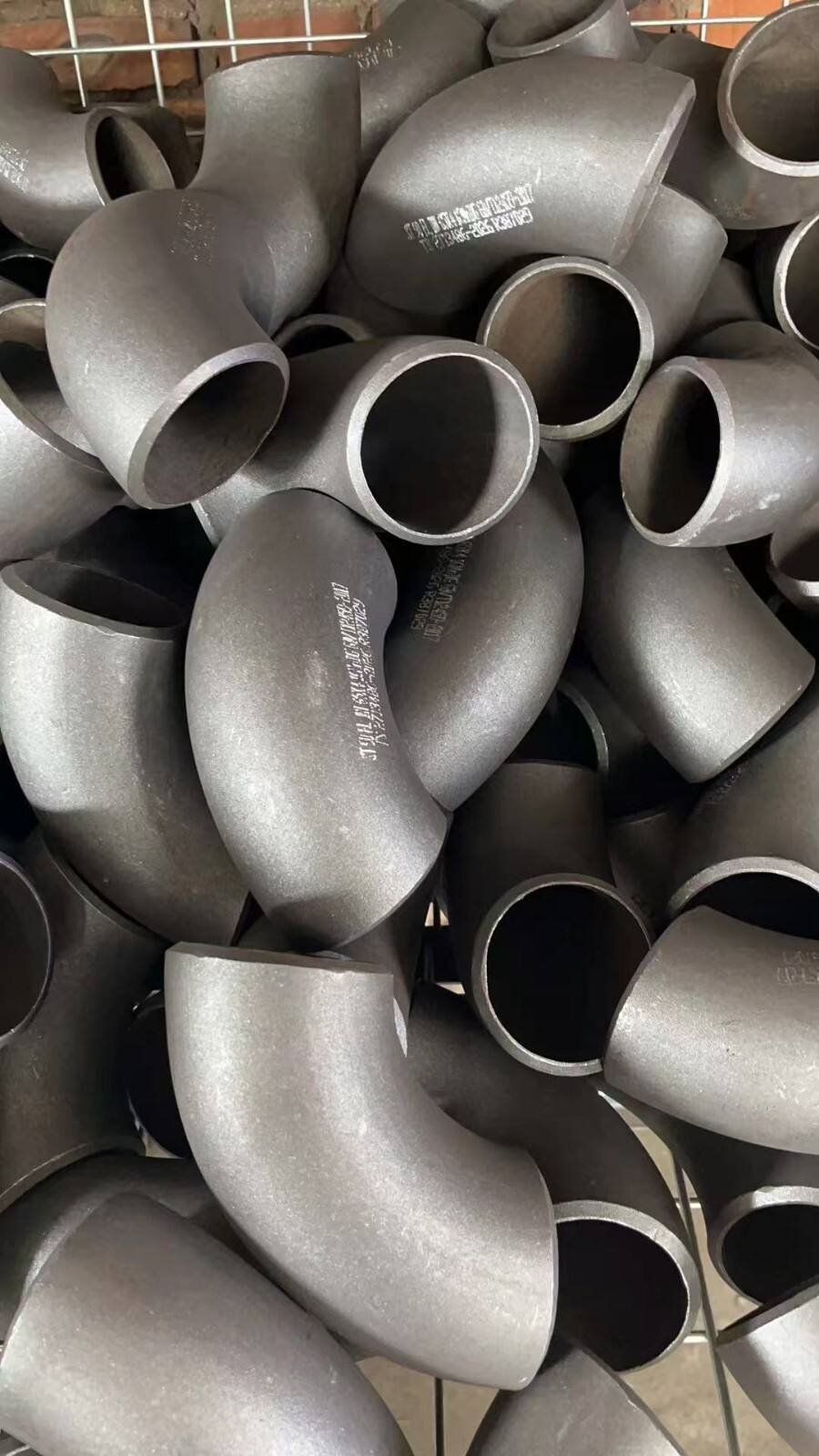
When engineers and procurement specialists evaluate materials for demanding applications, 300 stainless steel consistently emerges as one of the most versatile and reliable choices across a wide spectrum of industries. This family of austenitic alloys is characterized by its unique combination of corrosion resistance, mechanical strength, formability, and hygienic properties — qualities that collectively explain why it has become a cornerstone material in modern industrial design and manufacturing. Understanding what specifically makes 300 stainless steel suitable for such diverse applications requires a careful look at its metallurgical composition, performance characteristics, and the practical needs of each sector it serves.
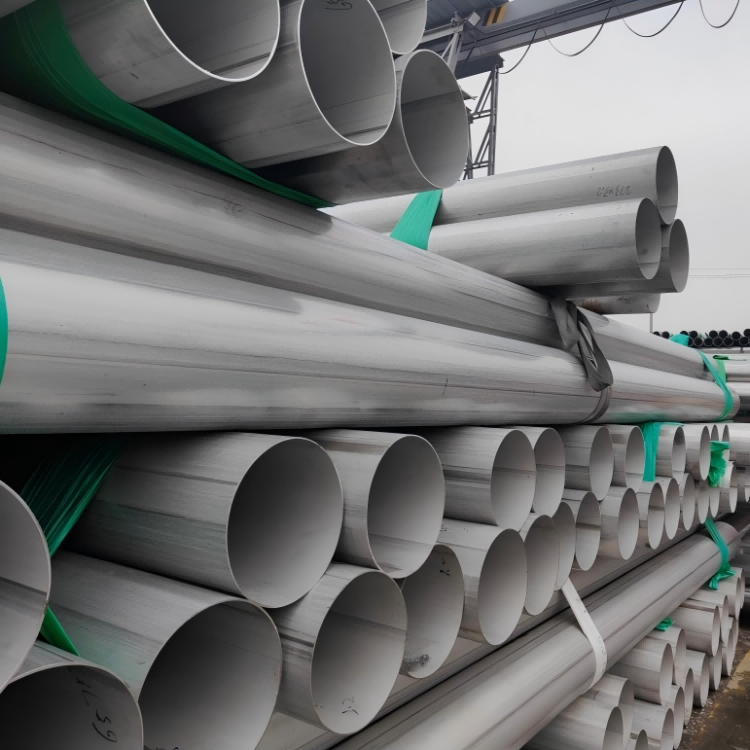
The 300 stainless steel series encompasses grades such as 304, 316, 321, and 347, each offering a refined balance of chromium, nickel, and other alloying elements that tailor performance to specific environments. Whether used in food processing equipment, petrochemical pipelines, architectural facades, or medical instruments, these grades deliver consistent value. This article explores the core attributes of 300 stainless steel that make it so broadly applicable, helping decision-makers appreciate why it remains a top material specification in industrial procurement worldwide.
The Metallurgical Foundation of 300 Stainless Steel
Austenitic Structure and Its Core Benefits
The defining characteristic of 300 stainless steel is its austenitic microstructure, which is stabilized by the addition of nickel alongside chromium. This face-centered cubic crystal structure gives the material exceptional toughness at both high and low temperatures, unlike ferritic or martensitic stainless grades that can become brittle under thermal extremes. The austenitic structure also contributes to the material's non-magnetic behavior in the annealed state, which is a critical requirement in certain electronic, medical, and precision manufacturing applications.
This microstructural stability means that 300 stainless steel retains its mechanical integrity across a broad temperature range, from cryogenic conditions used in liquefied natural gas storage to elevated temperatures found in heat exchangers and boiler components. The combination of strength and ductility provided by the austenitic lattice allows the material to be formed, welded, and machined without compromising its structural performance — a major reason for its widespread adoption across industries that demand both manufacturability and long service life.
Chromium, Nickel, and the Role of Alloying Elements
The base composition of 300 stainless steel typically includes a minimum of 16–18% chromium, which forms a passive oxide layer on the steel's surface when exposed to oxygen. This self-repairing passive film is the primary mechanism behind the material's renowned corrosion resistance, protecting the substrate from oxidizing agents, moisture, and many acidic or alkaline environments. The higher the chromium content, the more robust this protection becomes under challenging conditions.
Nickel, present at 8–12% in most grades, stabilizes the austenitic phase and further enhances corrosion resistance, particularly in reducing environments where chromium alone would be insufficient. In grade 316, the addition of 2–3% molybdenum extends the material's resistance to chloride-induced pitting and crevice corrosion, making it far more suitable for marine, chemical processing, and coastal environments. These deliberate alloying choices are precisely why 300 stainless steel grades can be matched to the specific corrosive demands of virtually any industrial setting.
Performance Advantages That Drive Cross-Industry Suitability
Corrosion Resistance Across Aggressive Environments
One of the most compelling reasons that 300 stainless steel is specified across so many industries is its ability to resist corrosion in environments that would rapidly degrade carbon steel or lower-grade alloys. In chemical processing plants, where pipelines and vessels are regularly exposed to acids, alkalis, and oxidizing agents, the material's passive layer provides reliable long-term protection with minimal maintenance requirements. This translates directly into lower lifecycle costs and reduced downtime — both of which are critical performance metrics in capital-intensive industrial operations.
In the food and beverage industry, 300 stainless steel resists organic acids present in dairy, meat processing, and brewing applications without contaminating the product stream. In offshore and coastal infrastructure, grade 316 300 stainless steel specifically resists chloride attack that would cause rapid pitting in less resistant alloys. This breadth of corrosion performance, covering both oxidizing and mildly reducing environments, is simply unmatched among commodity structural metals and underpins the material's multi-industry relevance.
High-Temperature and Cryogenic Performance
300 stainless steel performs reliably across an exceptionally wide temperature spectrum, which is a decisive advantage in industries where thermal cycles, high-heat exposure, or sub-zero operating conditions are routine. Grades such as 321 and 347 are specifically stabilized with titanium or niobium respectively, which prevents sensitization and intergranular corrosion in the heat-affected zones of welds, making them highly suitable for high-temperature service in exhaust systems, pressure vessels, and furnace components.
At the other end of the temperature scale, 300 stainless steel maintains excellent impact toughness and ductility at cryogenic temperatures, unlike many other metallic materials that undergo ductile-to-brittle transition when cooled significantly below zero. This makes it the material of choice for liquefied gas storage tanks, cryogenic transport equipment, and scientific instruments that operate near absolute zero. The consistency of mechanical behavior across this temperature range allows engineers to design components with confidence, regardless of the thermal environment.
Mechanical Strength and Formability
300 stainless steel offers an attractive balance of yield strength, tensile strength, and elongation that supports a wide variety of fabrication techniques. Its capacity for significant work hardening during cold forming allows manufacturers to achieve higher strength levels in finished components without requiring heat treatment, which simplifies production workflows and reduces processing costs. This characteristic is particularly valued in the production of deep-drawn components, tubes, wire forms, and precision-machined parts used across automotive, medical, and aerospace sectors.
The material's inherent toughness and resistance to fracture under impact loading also make it suitable for structural and pressure-containing applications where sudden mechanical loads must be absorbed without failure. For procurement professionals specifying 300 stainless steel seamless pipes for high-pressure fluid transport, these mechanical properties provide the confidence that the material will perform reliably under operational stress without requiring excessive wall thickness or frequent inspection intervals.
Industry-Specific Suitability of 300 Stainless Steel
Food, Beverage, and Pharmaceutical Sectors
The food, beverage, and pharmaceutical industries operate under strict hygiene and regulatory standards that require materials incapable of contaminating products, harboring bacteria, or reacting with process chemicals. 300 stainless steel satisfies all of these requirements through its smooth, non-porous surface finish, chemical inertness in contact with food-grade substances, and ease of cleaning and sterilization. Its resistance to cleaning agents and sanitizers used in CIP (clean-in-place) systems ensures that equipment surfaces remain intact and hygienic through thousands of cleaning cycles.
Pharmaceutical manufacturing environments impose even stricter demands, including resistance to sterilization at elevated temperatures and pressures, compatibility with strong disinfectants, and the ability to be electropolished to achieve ultra-smooth surface finishes that prevent microbial adhesion. 300 stainless steel meets all of these criteria without modification, which is why it is the default material for bioreactors, mixing vessels, piping systems, and cleanroom equipment in drug manufacturing facilities worldwide. Its compliance with major international standards for food-contact and pharmaceutical materials further streamlines regulatory approval for new installations.
Oil, Gas, and Chemical Processing
The hydrocarbon and chemical processing industries present some of the most demanding material environments, combining elevated pressures, high temperatures, aggressive chemical media, and the risk of stress corrosion cracking. 300 stainless steel, particularly grades 316 and 316L, is widely specified for heat exchangers, process piping, valves, and fittings in these sectors because of its resistance to a broad range of corrosive agents encountered during production, refining, and chemical synthesis operations.
The low-carbon 'L' variants of 300 stainless steel are especially valuable in applications involving welded fabrications exposed to corrosive service, as the reduced carbon content minimizes the risk of sensitization and subsequent intergranular corrosion. This means that fabricated assemblies retain their corrosion resistance near weld joints without requiring post-weld annealing, which would be impractical for large vessels and piping networks. This combination of corrosion resistance, weldability, and compliance with pressure vessel codes makes 300 stainless steel an indispensable material in upstream and downstream oil and gas operations.
Architecture, Construction, and Transportation
Beyond process industries, 300 stainless steel has earned a prominent role in architectural design, civil construction, and transportation infrastructure. Its aesthetic appeal, reflective surface finish, and long-term durability without protective coatings make it attractive for facades, handrails, cladding, and structural elements in buildings, bridges, and public spaces. Unlike painted or coated carbon steel, 300 stainless steel does not require periodic repainting to maintain its appearance or corrosion performance, reducing lifecycle maintenance costs significantly.
In transportation, particularly in rail, automotive, and marine applications, 300 stainless steel provides structural integrity combined with resistance to road salts, seawater spray, and the mechanical vibrations inherent in moving vehicles. Passenger rail car bodies, exhaust manifolds, and marine hardware all benefit from the material's combination of strength, corrosion resistance, and aesthetic consistency over long service lifetimes. These properties collectively justify the higher initial material cost compared to alternative metals, particularly in applications where maintenance access is limited or expensive.
Practical Considerations for Specifying 300 Stainless Steel
Grade Selection and Application Matching
Selecting the appropriate grade within the 300 stainless steel family requires a thorough understanding of the operating environment, fabrication requirements, and performance expectations. Grade 304 represents the workhorse of the series — cost-effective, widely available, and suitable for the majority of general-purpose applications where exposure to chlorides or highly aggressive media is not expected. Grade 316 commands a premium due to its molybdenum content but is essential in chloride-rich, acidic, or aggressive chemical environments where 304 would experience pitting or crevice corrosion.
Stabilized grades 321 and 347 should be considered when components will be subjected to sustained elevated temperatures or thermal cycling that could cause sensitization in standard 304 or 316. The choice between these grades is not merely academic — incorrect grade selection can result in premature corrosion failure, unexpected maintenance costs, or even safety incidents in pressure-containing systems. Working closely with material suppliers and metallurgical consultants during the specification phase ensures that the chosen 300 stainless steel grade is correctly matched to the demands of the application throughout its intended service life.
Fabrication, Welding, and Surface Finishing
300 stainless steel is generally considered to be very weldable using standard processes including TIG, MIG, and plasma arc welding, though specific precautions are necessary to preserve corrosion resistance at and near weld joints. Proper control of heat input, the use of appropriate filler materials, and shielding gas selection are all critical factors in producing sound welds that maintain the passive layer and mechanical properties required for reliable service. Post-weld passivation or pickling treatments are often applied to restore the passive film and remove heat tint that could otherwise act as a site for localized corrosion.
Surface finish is another important variable in the performance and longevity of 300 stainless steel components. Smoother surface finishes achieved through grinding, polishing, or electropolishing reduce the surface area available for corrosive attack, bacterial adhesion, and fouling deposit accumulation. In industries such as food processing, pharmaceuticals, and semiconductor manufacturing, specified surface roughness values are part of the component design requirements, and 300 stainless steel is uniquely well-suited to achieving and maintaining these finishes across its service lifetime without surface degradation.
FAQ
What is the difference between grade 304 and grade 316 in the 300 stainless steel series?
Grade 304 is the standard general-purpose grade of 300 stainless steel, offering good corrosion resistance and excellent formability at a competitive cost. Grade 316 contains an additional 2–3% molybdenum, which significantly enhances resistance to chloride-induced pitting and crevice corrosion, making it the preferred choice for marine environments, chemical processing, and applications involving exposure to saline or acidic media. The selection between these two grades should be based on the specific corrosive conditions expected during service rather than cost alone.
Is 300 stainless steel magnetic?
300 stainless steel in its fully annealed condition is essentially non-magnetic due to its austenitic microstructure. However, cold working and forming operations can induce a degree of martensite transformation, which introduces slight magnetic permeability in heavily deformed areas such as drawn tubing or formed sheet components. For applications where strict non-magnetic behavior is required, such as certain medical or electronic instruments, it is important to specify appropriate heat treatment or to evaluate the actual magnetic permeability of the finished component rather than relying solely on the grade designation.
Why is 300 stainless steel preferred in food and pharmaceutical applications?
300 stainless steel is preferred in these industries primarily because of its chemical inertness in contact with food and pharmaceutical substances, its smooth and easily cleaned surface, and its resistance to the aggressive sanitizing agents used in these environments. The material does not impart flavors, odors, or contaminants to products, and its non-porous surface does not harbor microorganisms when properly finished and maintained. It also complies with international standards and regulatory frameworks governing food-contact and pharmaceutical-grade materials, simplifying the qualification and validation process for new equipment installations.
Can 300 stainless steel be used in high-temperature applications?
Yes, 300 stainless steel is well-suited to many high-temperature applications, with standard grades 304 and 316 capable of continuous service up to approximately 870°C and 925°C respectively in oxidizing atmospheres. Stabilized grades 321 and 347 are specifically designed for environments where sustained elevated temperatures or thermal cycling could cause sensitization, offering improved resistance to intergranular corrosion in the heat-affected zones of welds. For applications above these temperature thresholds or involving reducing atmospheres, higher-alloyed grades or alternative materials may be necessary to ensure acceptable service life.