 EN

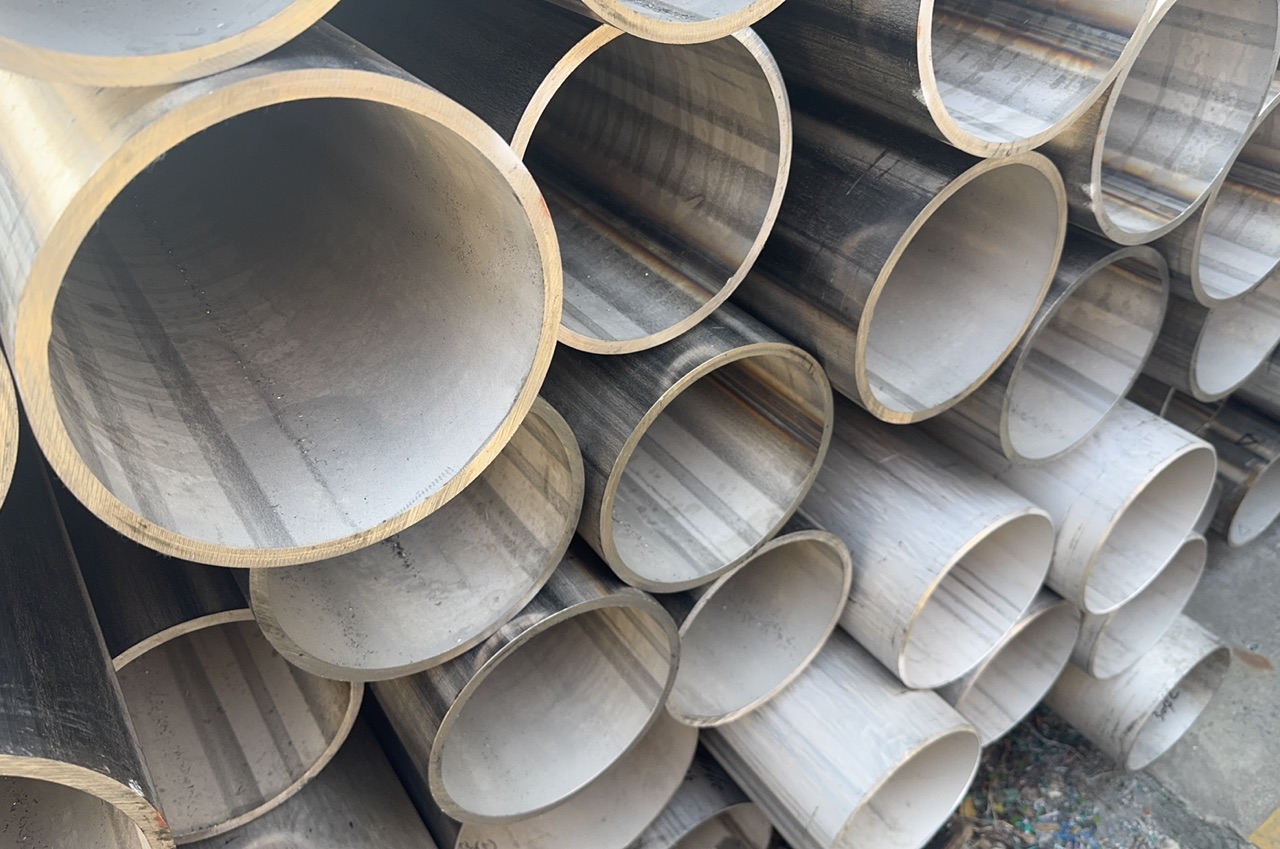
A longitudinal weld seam represents one of the most critical structural elements in welded pipe systems, yet it remains a primary source of failure when inspection protocols are inadequate or overlooked. Engineers inspect the longitudinal weld seam with meticulous care because this continuous joint runs the full length of the pipe body and bears the maximum circumferential stress during operation. Any defect in the longitudinal weld seam—whether a crack, porosity, lack of fusion, or incomplete penetration—can propagate rapidly under pressure cycles, temperature fluctuations, or cyclic loading, leading to catastrophic leaks, environmental contamination, safety incidents, and equipment downtime. Understanding why longitudinal weld seam inspection is non-negotiable reveals the intersection of material science, operational safety, regulatory compliance, and economic responsibility.
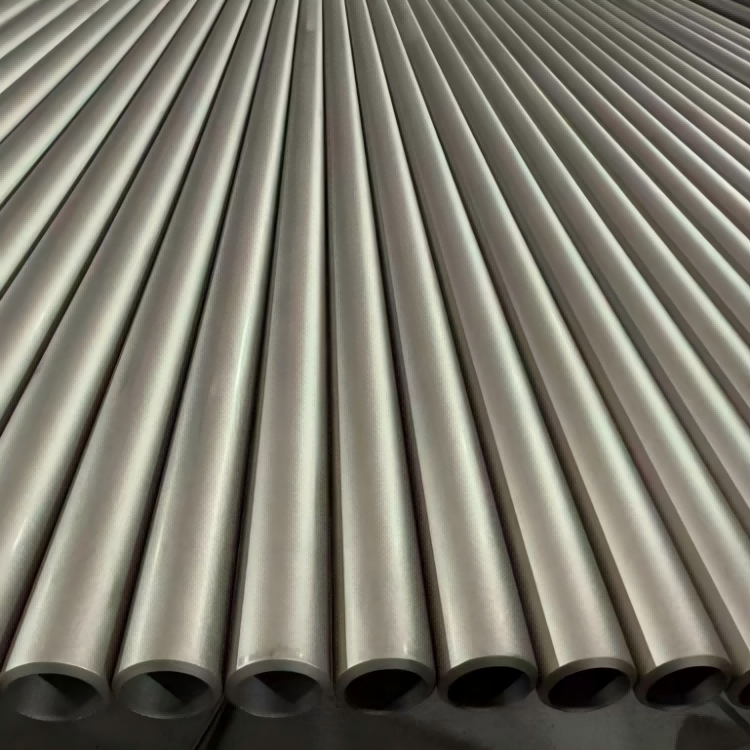
The longitudinal weld seam must sustain tensile and hoop stresses generated by internal pressure, external loads, and thermal expansion cycles throughout the service life of the pipe. This cumulative mechanical demand means that even microscopic defects embedded in the weld metal or heat-affected zone can act as stress concentrators, amplifying localized strain and initiating fracture propagation. Rigorous inspection protocols ensure that only pipes meeting stringent quality standards enter critical applications in oil and gas transmission, chemical processing, power generation, aerospace systems, and pharmaceutical manufacturing. The inspection of the longitudinal weld seam is therefore not a procedural checkbox but a fundamental engineering safeguard that protects human life, preserves environmental integrity, and ensures operational continuity.
Structural Stress and the Longitudinal Weld Seam
How Pressure and Loading Affect Weld Integrity
The longitudinal weld seam experiences the highest tensile stress in a pressurized cylindrical pipe because this seam runs parallel to the axis of the pipe, directly opposing the hoop stress generated by internal pressure. Under operational conditions, the longitudinal weld seam must accommodate not only static pressure but also dynamic pressure fluctuations, thermal cycling, vibration, and external bending moments. These combined loads create a fatigue environment where cyclic stress reversal can initiate cracks at microscopic discontinuities within the weld structure. Engineers recognize that the longitudinal weld seam is inherently more vulnerable than the circumferential seams because it spans the entire length and cannot be reinforced or supported by internal ridging or external bands without compromising flow or functionality.
Defect Mechanisms and Failure Modes
Defects in the longitudinal weld seam manifest through several mechanisms: incomplete fusion where the weld metal fails to bond fully with the base material or previous passes; centerline cracking caused by shrinkage stress concentration in thick sections; porosity from trapped gas bubbles that create stress concentration points; and lack of penetration where the weld does not fuse through the full thickness of the joint. Each defect type in the longitudinal weld seam acts differently under operational stress. Cracks propagate suddenly and catastrophically; porosity creates localized stress peaks that initiate slow crack growth over months or years; incomplete fusion produces gradual separation under cyclic loading. Engineers inspect the longitudinal weld seam to detect these defects before they reach critical size, because detection and remediation at the fabrication stage costs far less than failure in service.
Inspection Methods and Detection Technology
Non-Destructive Examination Techniques
Engineers employ multiple non-destructive testing methods to inspect the longitudinal weld seam because different defect types require different detection principles. Ultrasonic testing uses sound waves to identify internal defects within the weld and heat-affected zone; radiography creates detailed images of density variations that indicate voids, inclusions, and lack of fusion; magnetic particle testing highlights surface and near-surface cracks by detecting magnetic field disturbances caused by defects. The longitudinal weld seam typically undergoes 100 percent ultrasonic inspection in critical pressure applications because this technique provides real-time feedback about defect size, location, and orientation. Some applications combine ultrasonic inspection with radiographic spot checking to maximize confidence in longitudinal weld seam integrity.
Acceptance Standards and Quality Thresholds
The longitudinal weld seam must meet acceptance criteria established by industry codes such as ASME Section VIII (for pressure vessels), API 1104 (for pipeline welding), and equivalent international standards. These codes define maximum allowable defect sizes, spacing rules, and cumulative defect limits for the longitudinal weld seam based on service class and operating parameters. Acceptance decisions for the longitudinal weld seam depend on defect type, location, and size; a small surface crack might require grinding and reinspection, while a deep internal void might trigger complete weld removal and repair. Engineers document all inspection results for the longitudinal weld seam in permanent records, creating a quality history that supports traceability, regulatory compliance audits, and root-cause analysis if field problems develop.
Regulatory Compliance and Risk Mitigation
Industry Standards and Mandatory Inspection Protocols
Regulatory bodies worldwide mandate rigorous inspection of the longitudinal weld seam because failure consequences extend beyond single pipe sections to entire systems. The Pipeline and Hazardous Materials Safety Administration (PHMSA), European Pressure Equipment Directive (PED), and equivalent agencies require documented evidence that the longitudinal weld seam meets material, dimensional, and quality specifications before equipment enters service. Facilities operating under these regulations must demonstrate that their longitudinal weld seam inspection program includes qualified personnel, calibrated equipment, written procedures, and periodic audits. Non-compliance with longitudinal weld seam inspection protocols exposes operators to regulatory fines, operating permit revocation, legal liability for failure-related incidents, and environmental remediation costs that far exceed the investment in comprehensive inspection programs.
Economic and Operational Consequences of Inadequate Inspection
A single failure of the longitudinal weld seam in an operating system can trigger emergency shutdowns, loss of production revenue, emergency repairs at premium cost, environmental cleanup liability, and potential workplace injuries that generate long-term legal and reputational damage. The longitudinal weld seam failure in a high-pressure pipeline system can result in millions of dollars in economic loss plus years of regulatory scrutiny and operational restrictions. Investment in comprehensive longitudinal weld seam inspection at the fabrication stage—including qualified inspectors, advanced detection equipment, statistical sampling programs, and corrective action implementation—represents a fraction of the economic exposure. Engineers advocate aggressive longitudinal weld seam inspection because the small fabrication-stage inspection investment provides exponential risk reduction compared to the catastrophic failure scenario.
Best Practices and Continuous Improvement
Design Optimization and Weld Configuration
Engineers influence the behavior of the longitudinal weld seam through strategic design decisions that reduce defect susceptibility. Single-pass welding of the longitudinal weld seam, where practical, eliminates multiple heat cycles and reduces centerline cracking risk. Multi-pass welding of the longitudinal weld seam, when required for thick sections, must follow controlled sequences that manage heat input, interpass temperature, and stress relief. Material selection affects the longitudinal weld seam because high-strength or high-hardenability base metals increase cold-cracking susceptibility, necessitating preheating, slow cooling rates, or alternative welding parameters for the longitudinal weld seam. Engineers analyze the specific application requirements and material properties to establish the optimal welding procedure for the longitudinal weld seam, then implement inspection protocols tailored to the defect risks introduced by that procedure.
Documentation, Traceability, and Process Feedback
Each longitudinal weld seam undergoes inspection with documented collection of heat and material identities, welding parameters, environmental conditions, inspection method, results, and corrective actions if required. This traceability supports root-cause investigation if field problems emerge, enables rapid determination of which production batches may be affected, and provides statistical trending data that identifies systemic welding or inspection issues requiring process correction. When inspection of the longitudinal weld seam reveals recurring defect patterns—such as porosity in pipes from a specific mill or incomplete fusion associated with particular welders—process engineers investigate root causes and implement corrective actions such as electrode changes, procedure modifications, welder retraining, or equipment maintenance. Continuous monitoring of the longitudinal weld seam inspection database creates a learning feedback loop that drives quality improvement and prevents repeated defect occurrence.
FAQ
Why is the longitudinal weld seam more critical than circumferential seams?
The longitudinal weld seam carries the maximum tensile stress in a pressurized pipe because it runs parallel to the pipe axis and opposes hoop stress. Circumferential seams distribute stress circumferentially, whereas the longitudinal weld seam spans the entire pipe length and cannot be easily reinforced. A single defect in the longitudinal weld seam can propagate the full length of the pipe, whereas circumferential defects are often confined to localized sections. This stress distribution geometry makes the longitudinal weld seam the most damage-tolerant sensitive component in welded pipe systems.
What are the most common defects found during longitudinal weld seam inspection?
The most common defects detected in the longitudinal weld seam include porosity from gas entrapment, incomplete fusion at the weld sidewalls or between passes, lack of penetration where the longitudinal weld seam does not fuse through the full thickness, and centerline cracks caused by shrinkage stress in thick sections. Surface cracks and undercut defects also appear in the longitudinal weld seam when welding parameters are not controlled. Inclusions and segregation patterns may develop in the longitudinal weld seam under certain material or thermal conditions. Each defect type requires different detection methods and remediation approaches during longitudinal weld seam inspection protocols.
How does temperature and pressure cycling affect the longitudinal weld seam over time?
Thermal and pressure cycling creates fatigue stress reversals in the longitudinal weld seam that can initiate and propagate pre-existing microscopic defects into service-threatening cracks over months or years. The longitudinal weld seam experiences cumulative thermal strain if the pipe operates in variable temperature environments, leading to crack initiation at stress concentration sites. High-pressure cycles amplify hoop stress cycles that are transmitted to the longitudinal weld seam, accelerating crack growth from any discontinuity. This time-dependent degradation mechanism is why comprehensive inspection of the longitudinal weld seam at fabrication is essential; early detection and correction prevent latent defects from becoming failure sites during operational service.