 EN

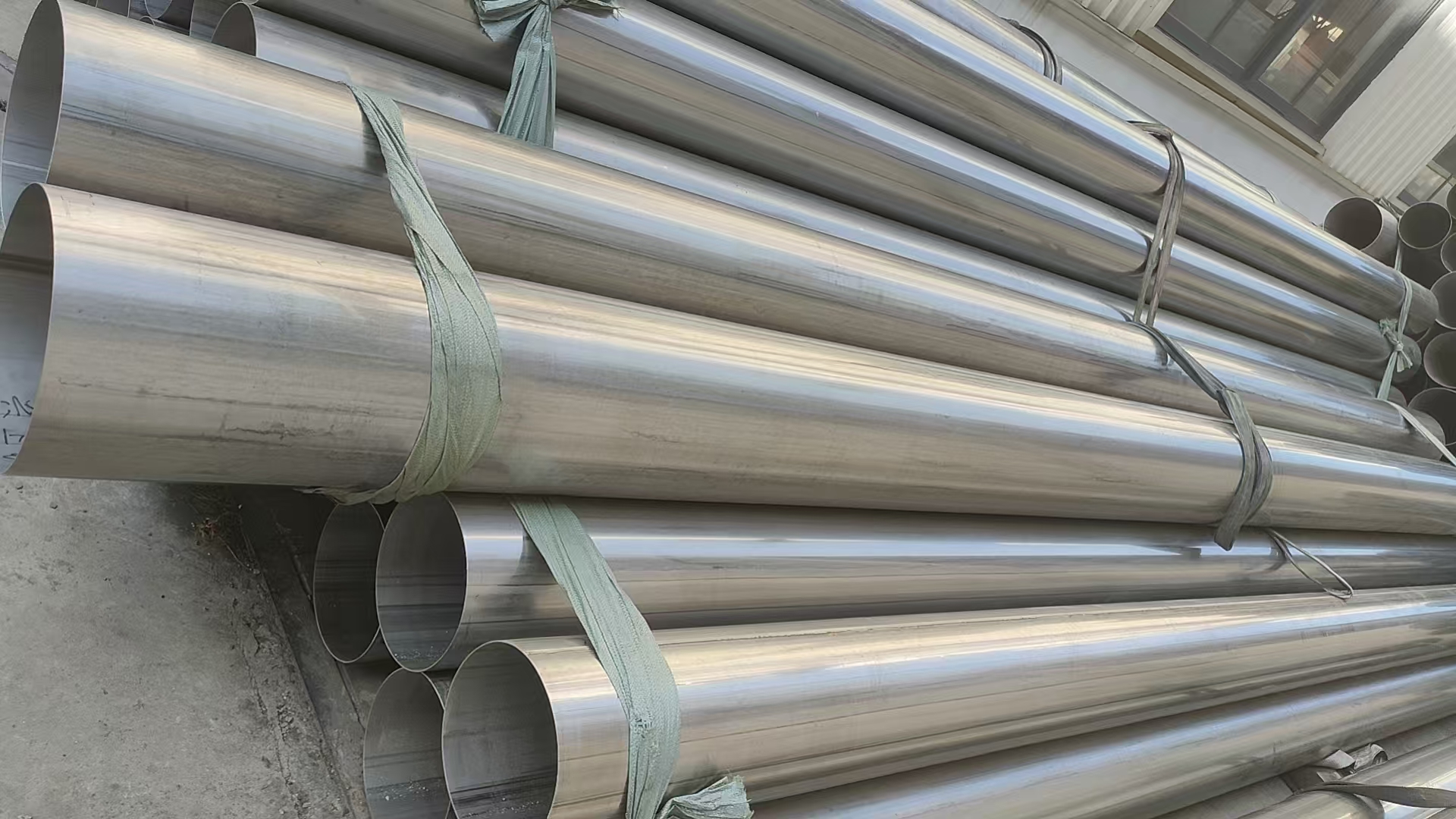
The longitudinal weld seam represents a critical structural element that directly determines how pipelines perform under pressure, temperature cycling, and corrosive environments. Understanding this relationship between longitudinal weld seam design and pipeline performance is essential for engineers, facility managers, and procurement professionals who specify or maintain pipeline systems in demanding industrial applications. The longitudinal weld seam runs parallel to the pipe axis and bears substantial axial stresses during operation, making its quality and integrity fundamental to overall system reliability.
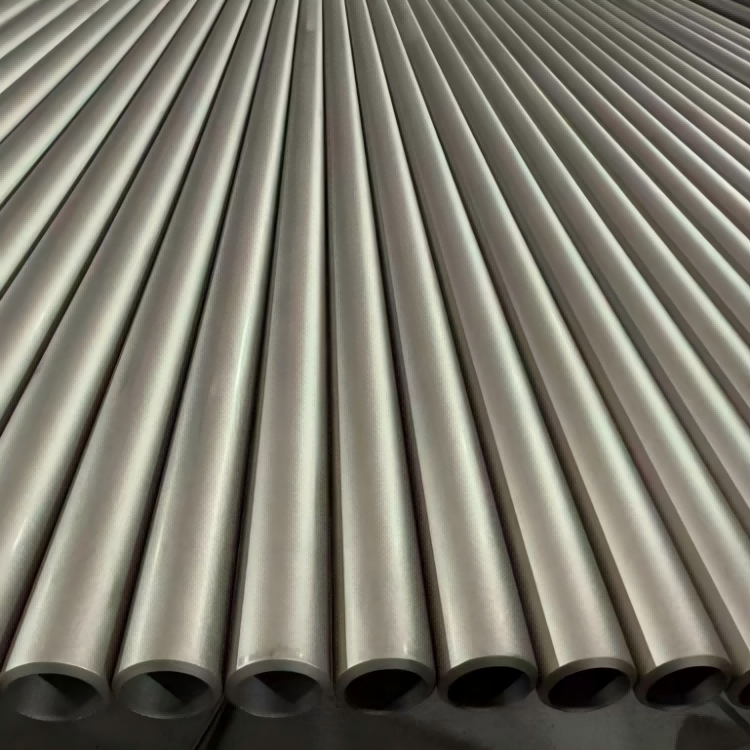
Pipeline operators face increasing pressure to maximize service life while minimizing maintenance costs and safety risks. The longitudinal weld seam plays a pivotal role in this balance because it handles the highest hoop stress and longitudinal loads transmitted through the pipe wall. A well-designed and properly executed longitudinal weld seam enhances pressure containment, extends asset life, and reduces the risk of catastrophic failure that could result in environmental damage, production downtime, or safety incidents.
Structural Load Distribution and Longitudinal Weld Seam Geometry
Pressure Distribution Along the Longitudinal Weld Seam
When internal pressure builds within a pipeline, stress distributes unevenly across the pipe wall depending on how the longitudinal weld seam is positioned and constructed. The longitudinal weld seam experiences axial tension—pull forces that try to separate the weld along its length. In contrast, the circumferential welds experience hoop stress, which is typically higher in magnitude. However, the longitudinal weld seam remains highly susceptible to fatigue and cyclic stress because pipelines rarely operate at constant pressure; they cycle during startup, shutdown, and load variations. This cyclical loading accumulates damage at the longitudinal weld seam over months and years, potentially leading to crack initiation if the weld quality is compromised or if the material adjacent to the longitudinal weld seam exhibits reduced toughness.
Material Property Variance Near the Longitudinal Weld Seam
The zone surrounding the longitudinal weld seam experiences thermal and metallurgical changes that alter mechanical properties. The heat-affected zone near the longitudinal weld seam can become brittle or soften, depending on the steel grade and cooling rate. High-strength steels are particularly sensitive to this effect; a poorly controlled heat input during welding creates a hard, brittle region adjacent to the longitudinal weld seam. When combined with cyclic pressure loading, these weakened areas near the longitudinal weld seam become stress concentrators where cracks preferentially initiate. Engineers must select welding procedures and base materials that minimize this property degradation around the longitudinal weld seam to ensure long-term reliability.
Weld Quality, Defects, and Performance Impact
Common Defects Within the Longitudinal Weld Seam
Manufacturing and welding process variations introduce defects such as porosity, inclusions, incomplete penetration, and surface cracks directly into the longitudinal weld seam. Porosity within the longitudinal weld seam creates voids that reduce load-bearing area and concentrate stress around the cavity perimeter. Inclusions—non-metallic particles trapped in the longitudinal weld seam—act as stress raisers that promote crack propagation under cyclic loading. Incomplete penetration in the longitudinal weld seam means the weld does not fully fuse to the pipe's interior surface, reducing the effective wall thickness and creating a stress concentration that accelerates fatigue crack growth. These defects in the longitudinal weld seam are often invisible to the naked eye, requiring radiographic testing, ultrasonic inspection, or other advanced nondestructive evaluation methods to detect.
Inspection Standards and Acceptance Criteria
Industry standards such as ASME, API, and ISO establish acceptance criteria that define the maximum allowable defect size within the longitudinal weld seam for different pressure classes and service conditions. The longitudinal weld seam must be inspected to verify that defect dimensions remain below these thresholds. Larger defects in the longitudinal weld seam reduce the safety margin and shorten the expected service life, sometimes dramatically. Stricter inspection protocols applied to the longitudinal weld seam during manufacturing catch defects early, allowing repair or rejection before the pipe enters service. Regular in-service inspection of the longitudinal weld seam monitors for crack growth and helps predict remaining pipeline life, enabling proactive maintenance scheduling.
Operational Conditions and Longitudinal Weld Seam Vulnerability
Temperature Cycling and Weld Fatigue
Pipelines operating in thermal cycling environments—such as cryogenic services, heat recovery applications, or systems with seasonal demand fluctuations—impose repeated thermal stresses on the longitudinal weld seam. Each temperature change causes differential expansion and contraction between the weld metal and base material, generating cyclic strain that accumulates over thousands of cycles. The longitudinal weld seam becomes progressively weaker as these thermal fatigue cycles accumulate, eventually triggering crack initiation. High-pressure hydrogen services present additional risk because hydrogen can diffuse into the microstructure of the longitudinal weld seam, creating hydrogen-assisted cracking through a process known as hydrogen embrittlement. Proper post-weld heat treatment and material selection reduce this vulnerability in the longitudinal weld seam.
Corrosion and Longitudinal Weld Seam Degradation
The longitudinal weld seam chemistry and microstructure often differ from the base material, creating a galvanic couple that accelerates corrosion at the weld interface. Corrosive fluids—sour gas mixtures, seawater, or acidic solutions—preferentially attack the longitudinal weld seam, thinning the wall and creating stress concentrations. Stress corrosion cracking (SCC) occurs when the longitudinal weld seam is simultaneously exposed to tensile stress and a corrosive environment, leading to sudden, brittle failure without prior warning. Selecting corrosion-resistant alloys, applying protective coatings, and managing operational stress levels all help mitigate corrosion damage to the longitudinal weld seam. Cathodic protection systems and corrosion inhibitors further extend the service life of the longitudinal weld seam in aggressive chemical environments.
Design Optimization and Performance Enhancement
Weld Procedure Specification and Control
Optimizing the longitudinal weld seam begins with a detailed weld procedure specification (WPS) that controls heat input, cooling rate, filler metal composition, and preheat temperature. The longitudinal weld seam procedure must balance penetration and fusion requirements against the need to minimize heat-affected zone hardness and ensure sufficient toughness. Multi-pass welding of the longitudinal weld seam allows better control over thermal cycling but increases labor costs. Automated welding processes applied to the longitudinal weld seam often produce more consistent results than manual methods, reducing the probability of defects. Qualified welders and rigorous procedural compliance are essential because the longitudinal weld seam quality directly translates to pipeline reliability and safety margins.
Material Selection and Compatibility
Choosing the correct pipe material and filler metal affects how well the longitudinal weld seam performs under service conditions. Lower-strength steels generally exhibit better weldability and toughness in the longitudinal weld seam, whereas high-strength steels require careful control to avoid brittle zones near the longitudinal weld seam. Matching the filler metal composition to the base material ensures that the longitudinal weld seam has properties compatible with the pipe, minimizing galvanic corrosion and stress concentration effects. Duplex stainless steels and nickel alloys offer superior corrosion resistance, enhancing the durability of the longitudinal weld seam in harsh chemical environments, though at higher material cost. Conducting materials testing and consulting with welding engineers helps identify the optimal material combination for each longitudinal weld seam application.
FAQ
What is the primary function of a longitudinal weld seam in pipeline systems?
The longitudinal weld seam joins two edges of the pipe body along its length and is responsible for containing internal pressure and transmitting axial loads. The longitudinal weld seam runs parallel to the pipe axis and must withstand both hoop stress during internal pressurization and longitudinal tension during thermal expansion and external loading. Its integrity is fundamental to pressure containment and structural reliability throughout the pipeline's service life.
How do defects in the longitudinal weld seam affect pipeline safety?
Defects such as porosity, cracks, or incomplete penetration in the longitudinal weld seam create stress concentrations that reduce the effective load-bearing area and accelerate fatigue crack growth. Under cyclic pressure loading, these defects expand and propagate, potentially leading to sudden rupture without warning. Regular inspection of the longitudinal weld seam and adherence to defect acceptance standards are critical for maintaining safe operations and preventing catastrophic failures.
Can regular maintenance improve longitudinal weld seam performance in aging pipelines?
Yes, proactive maintenance including corrosion monitoring, in-service inspection of the longitudinal weld seam, and protective coating or inhibitor application can extend the service life of aging pipelines. Identifying and documenting growth in existing flaws within the longitudinal weld seam allows operators to plan repairs or replacement before failure occurs. Stress relief treatments and cathodic protection systems further help preserve the integrity of the longitudinal weld seam over decades of operation.