 EN

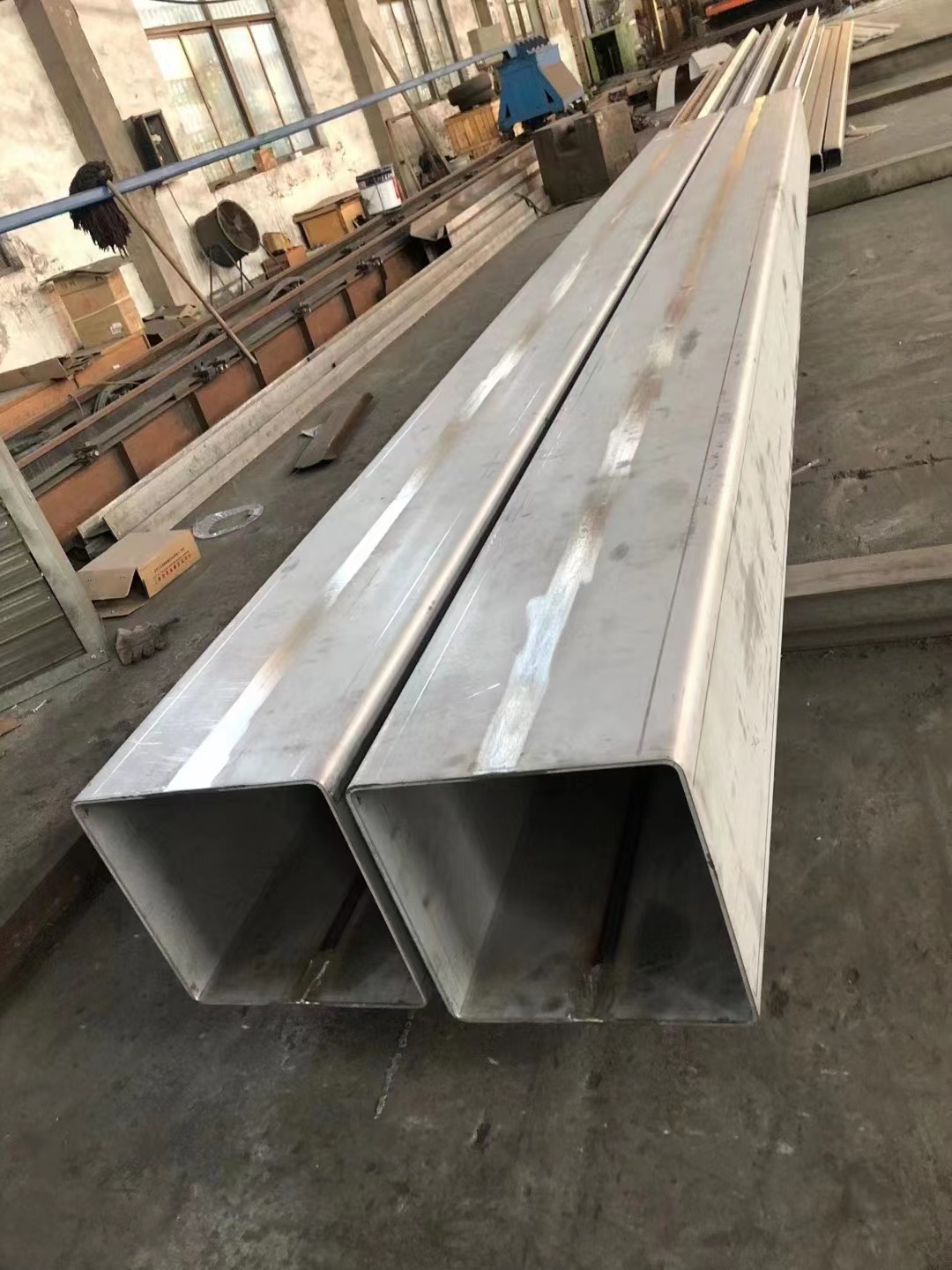
The longitudinal weld seam represents one of the most critical structural features in modern industrial pipe design. Unlike circumferential welds that circle the pipe, a longitudinal weld seam runs along the length of the pipe, joining two edges of the metal strip during the pipe manufacturing process. This fundamental construction method directly influences the pipe's ability to withstand pressure, temperature extremes, and mechanical stress. Understanding why the longitudinal weld seam matters is essential for engineers, manufacturers, and procurement professionals who depend on reliable piping systems for chemical processing, oil and gas transport, water distribution, and power generation applications.
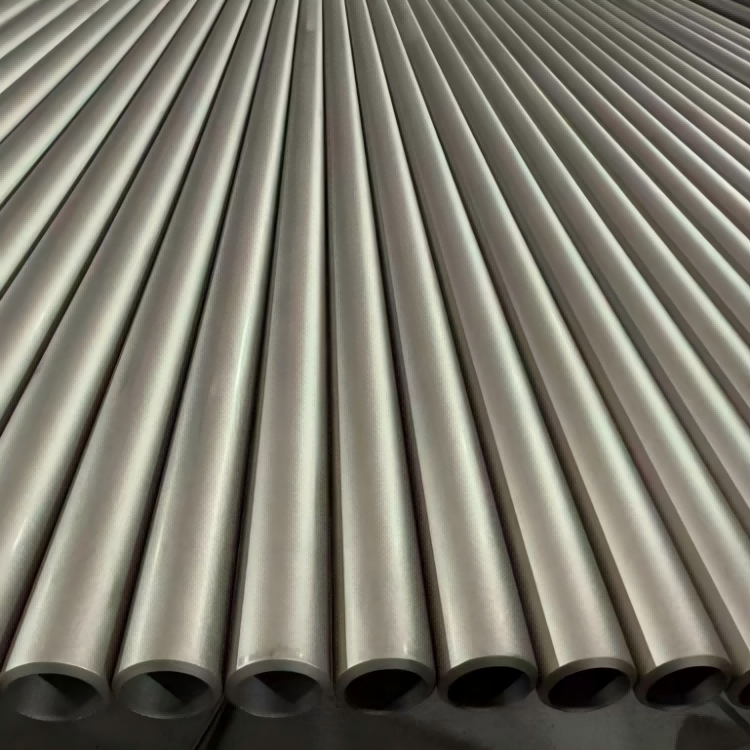
The quality and execution of a longitudinal weld seam directly determine whether a pipe will perform safely throughout its operational lifetime. Industrial applications demand pipes that maintain integrity under continuous or cyclic loading, corrosive environments, and thermal stress. A poorly designed or improperly executed longitudinal weld seam creates a potential failure point where stress concentrates, crack initiation occurs, and catastrophic leaks develop. Conversely, a well-engineered longitudinal weld seam distributes loads evenly, resists fatigue, and maintains pressure containment across decades of service. This is why pipe specifications, industry standards, and quality control procedures place such strong emphasis on longitudinal weld seam geometry, material composition, and inspection protocols.
The Structural Role of Longitudinal Weld Seam in Pipe Integrity
Load Distribution and Pressure Resistance
A longitudinal weld seam must efficiently transfer hoop stress—the circumferential tension that develops when internal pressure pushes outward against the pipe walls. The orientation of the longitudinal weld seam means it bears full responsibility for containing this radial force across the pipe's length. If the longitudinal weld seam exhibits low penetration, porosity, or misalignment, the effective load-bearing cross-section reduces, causing localized stress spikes. Engineers must ensure that the longitudinal weld seam achieves full fusion with the base metal, maintains consistent geometry, and contains no defects that might propagate under cyclic loading. Proper longitudinal weld seam design ensures that pressure loads distribute uniformly rather than concentrating at weak points, which is why modern welding procedures specify exact parameters for heat input, travel speed, and filler material composition.
Fatigue Resistance and Long-Term Reliability
Industrial pipes frequently experience fluctuating pressures, temperature cycling, and mechanical vibration that induce fatigue stresses over time. The longitudinal weld seam becomes a critical fatigue crack initiation site if it contains stress concentrations, inclusions, or surface irregularities. A high-quality longitudinal weld seam features smooth transitions between the weld metal and base metal, minimal reinforcement, and uniform microstructure that resists crack nucleation. This fatigue resistance directly translates to longer service life, reduced maintenance intervals, and lower failure risk. Industries such as nuclear power, offshore oil production, and high-pressure hydrogen storage depend entirely on longitudinal weld seam integrity to meet safety standards and operational uptime requirements.
Design Specifications and Material Considerations for Longitudinal Weld Seam
Weld Geometry and Process Selection
The longitudinal weld seam geometry—including throat thickness, reinforcement height, and bead profile—directly influences the pipe's structural performance. Modern manufacturing processes for welded pipes include high-frequency induction welding, submerged arc welding, and electric resistance welding, each producing a different longitudinal weld seam profile. The choice of process affects the metallurgical properties of the longitudinal weld seam, the heat-affected zone width, and the overall mechanical strength. Specifications such as API 5L, ASME B36.10, and EN 10217 define minimum requirements for longitudinal weld seam penetration, acceptable defect sizes, and mechanical properties. Adherence to these standards ensures that the longitudinal weld seam meets pressure ratings, temperature limits, and corrosion resistance expectations across diverse industrial applications.
Material Compatibility and Corrosion Prevention
The filler material, flux composition, and shielding gas used in forming the longitudinal weld seam must be compatible with the base metal and the service environment. In corrosive applications such as seawater pipelines or chemical processing, the longitudinal weld seam becomes vulnerable to preferential corrosion if the weld composition differs significantly from the base metal. Stainless steel pipes require filler metals that maintain austenitic structure in the longitudinal weld seam, preventing sensitization and intergranular corrosion. Carbon steel and low-alloy pipes benefit from longitudinal weld seam compositions that match base metal strength and toughness. Post-weld heat treatment, passivation, and surface conditioning often follow to ensure the longitudinal weld seam resists attack throughout the design service life. This attention to material compatibility reflects the critical importance of longitudinal weld seam quality in preventing unexpected failures and maintaining regulatory compliance.
Quality Control, Inspection, and Standards for Longitudinal Weld Seam
Non-Destructive Testing Methods
Ensuring longitudinal weld seam quality requires rigorous non-destructive testing protocols that detect internal and surface defects without compromising the pipe. Radiographic testing, ultrasonic inspection, magnetic particle inspection, and eddy current testing are standard methods for evaluating the longitudinal weld seam. Each method reveals different classes of defects: radiography shows voids and inclusions within the longitudinal weld seam, ultrasonic testing measures wall thickness loss and laminations, magnetic particle inspection reveals surface cracks, and eddy current detects subsurface flaws. Automated systems now scan the longitudinal weld seam continuously during or immediately after manufacturing, providing real-time feedback to operators. This inspection rigor ensures that pipes entering service have documented evidence of longitudinal weld seam integrity, supporting traceability and accountability throughout the supply chain.
Defect Acceptance Criteria and Remediation
Industry standards establish clear acceptance criteria for the longitudinal weld seam, defining maximum allowable defect sizes, spacing requirements, and repair procedures. Small defects in the longitudinal weld seam may be acceptable depending on pipe diameter, pressure rating, and application severity, but critical defects require either repair or pipe rejection. Remediation of the longitudinal weld seam involves grinding out the defect, re-welding with controlled parameters, and re-inspecting to confirm repair success. The cost of rework and potential production delays incentivize manufacturers to optimize their longitudinal weld seam processes from the beginning, investing in equipment precision, operator training, and process monitoring. Pipes that pass stringent longitudinal weld seam inspection carry higher market value and customer confidence, justifying the expense of rigorous quality management.
FAQ
What defines the longitudinal weld seam in a welded pipe?
The longitudinal weld seam is the weld joint that runs along the length of a pipe, formed by joining the edges of a metal strip during the pipe manufacturing process. It contrasts with circumferential welds that circle the pipe at connection points. The longitudinal weld seam bears the primary load from internal pressure and must maintain integrity throughout the pipe's operational life to ensure safety and performance.
How does longitudinal weld seam quality affect pipe pressure ratings?
Pressure ratings depend directly on the structural integrity of the longitudinal weld seam. A high-quality longitudinal weld seam with full penetration, minimal defects, and consistent geometry allows the pipe to achieve its design pressure rating. Defects in the longitudinal weld seam reduce the effective load-bearing area, forcing lower pressure ratings and limiting the pipe's suitability for demanding applications. Engineers calculate pressure ratings based on proven longitudinal weld seam performance data and safety factors.
Can a defective longitudinal weld seam be repaired or must the pipe be rejected?
Minor defects in the longitudinal weld seam may be repaired by grinding out the flaw and re-welding with controlled parameters, followed by re-inspection to verify repair quality. However, large defects, multiple defects in close proximity, or defects in critical sections may require pipe rejection to maintain safety and regulatory compliance. Repair decisions depend on defect size, location, severity, applicable standards, and the intended application's criticality level.