tubus erw versus tubus continuus
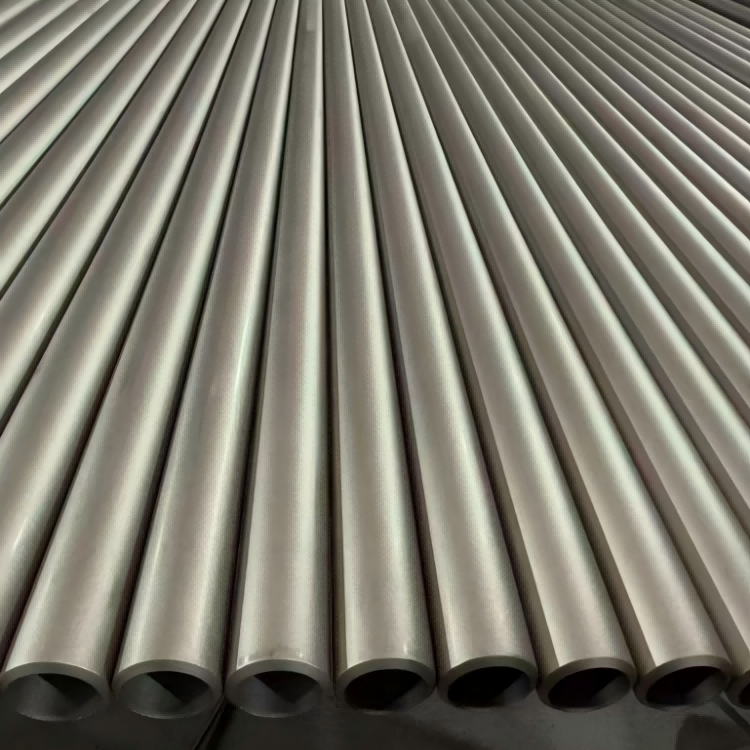
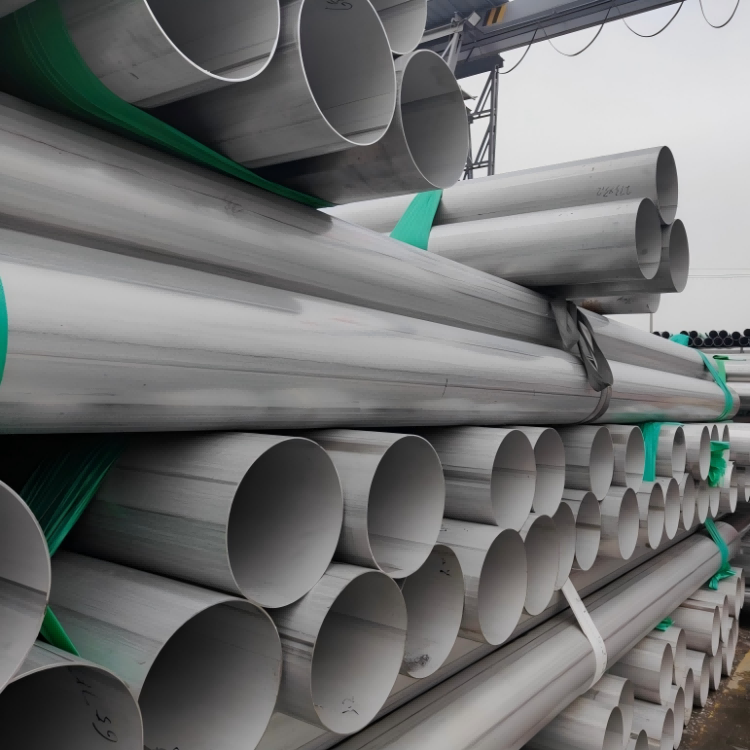
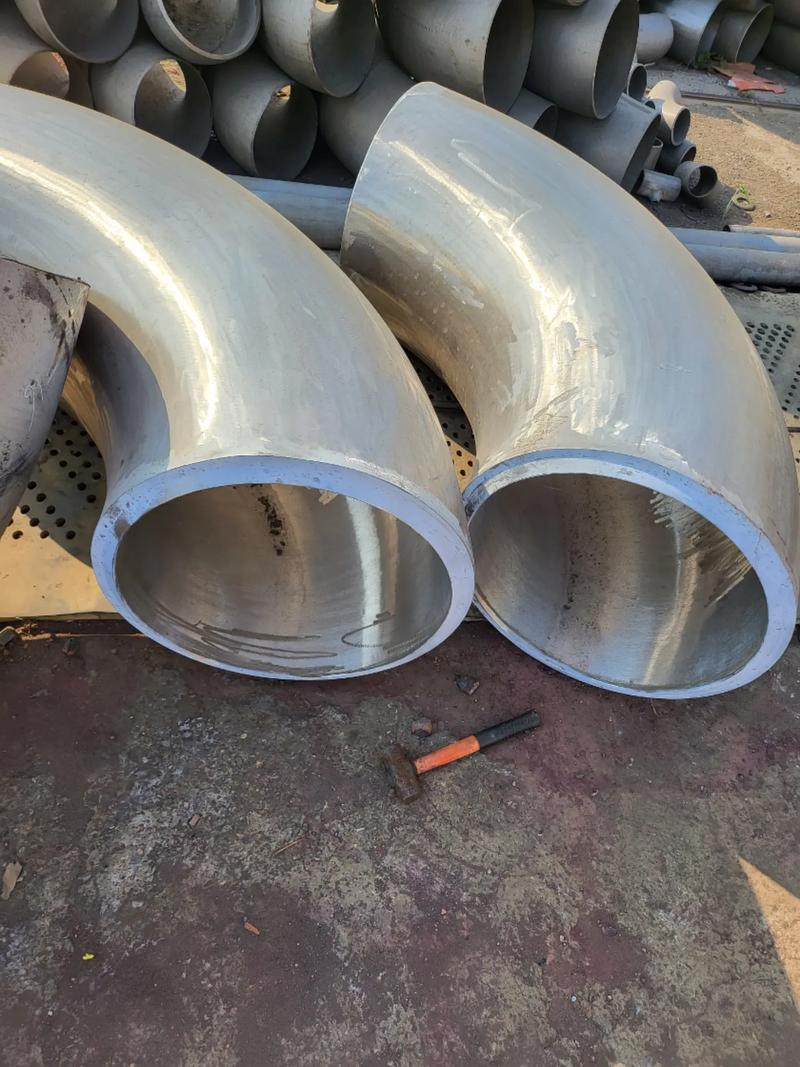
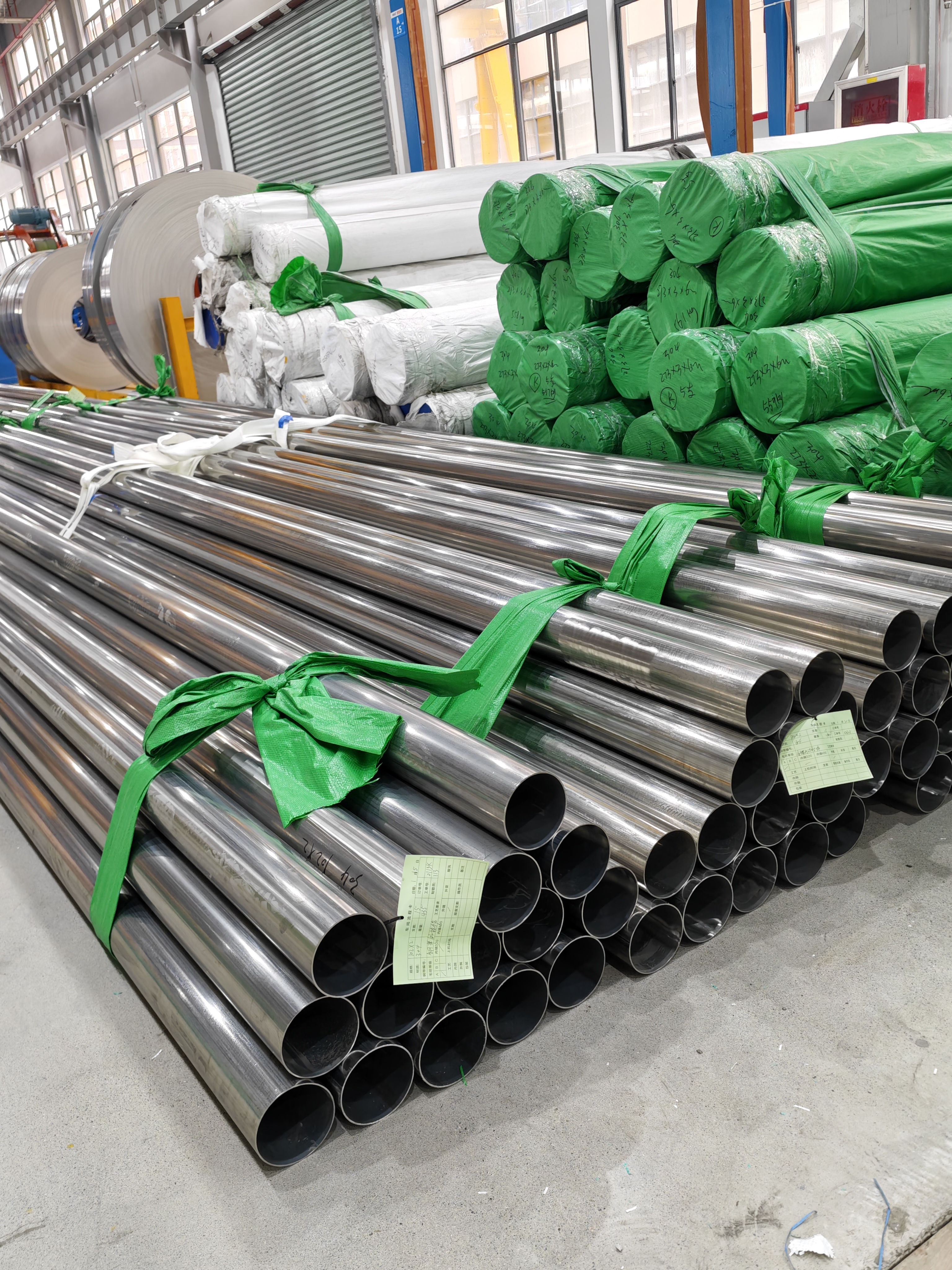
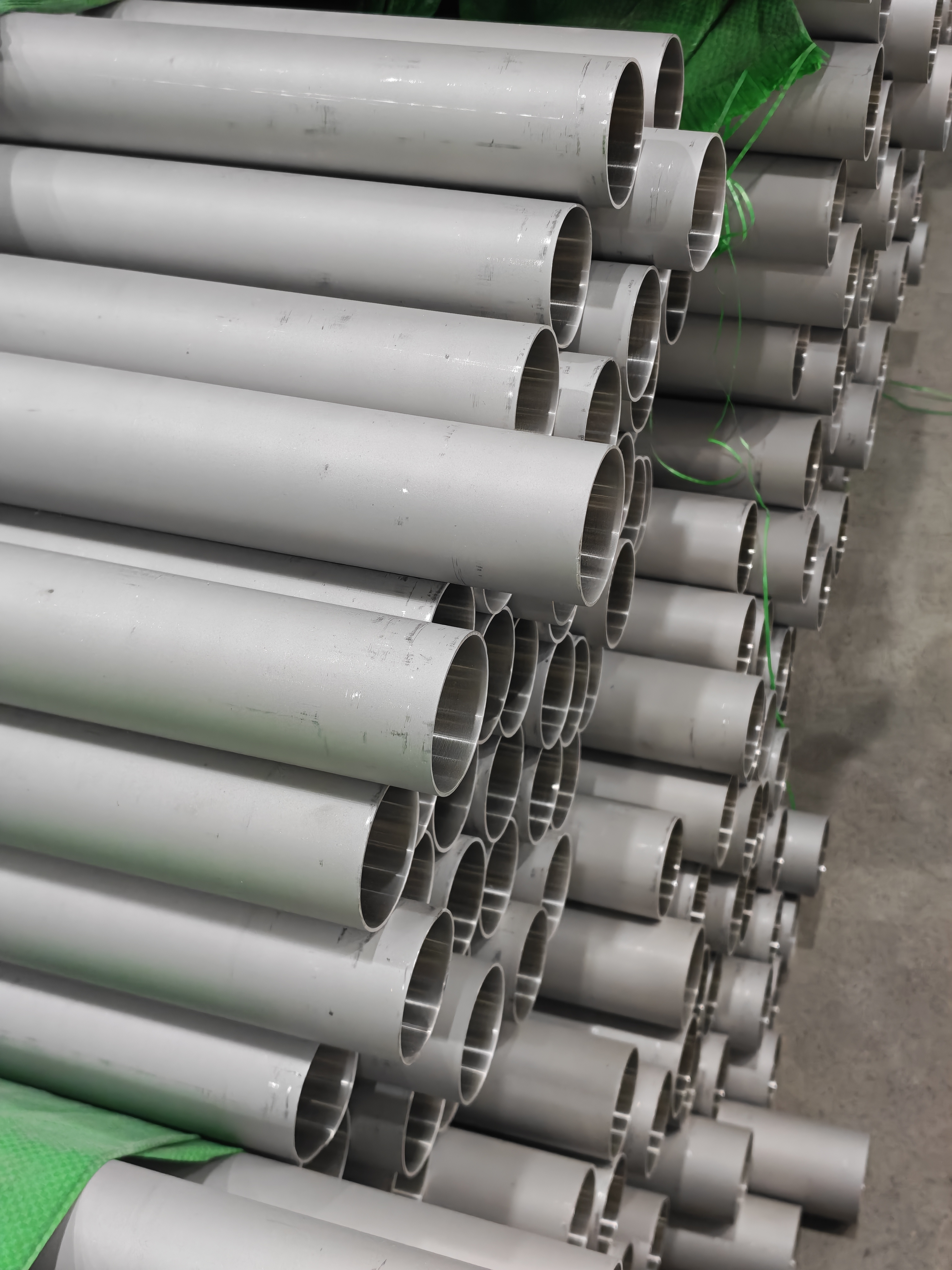
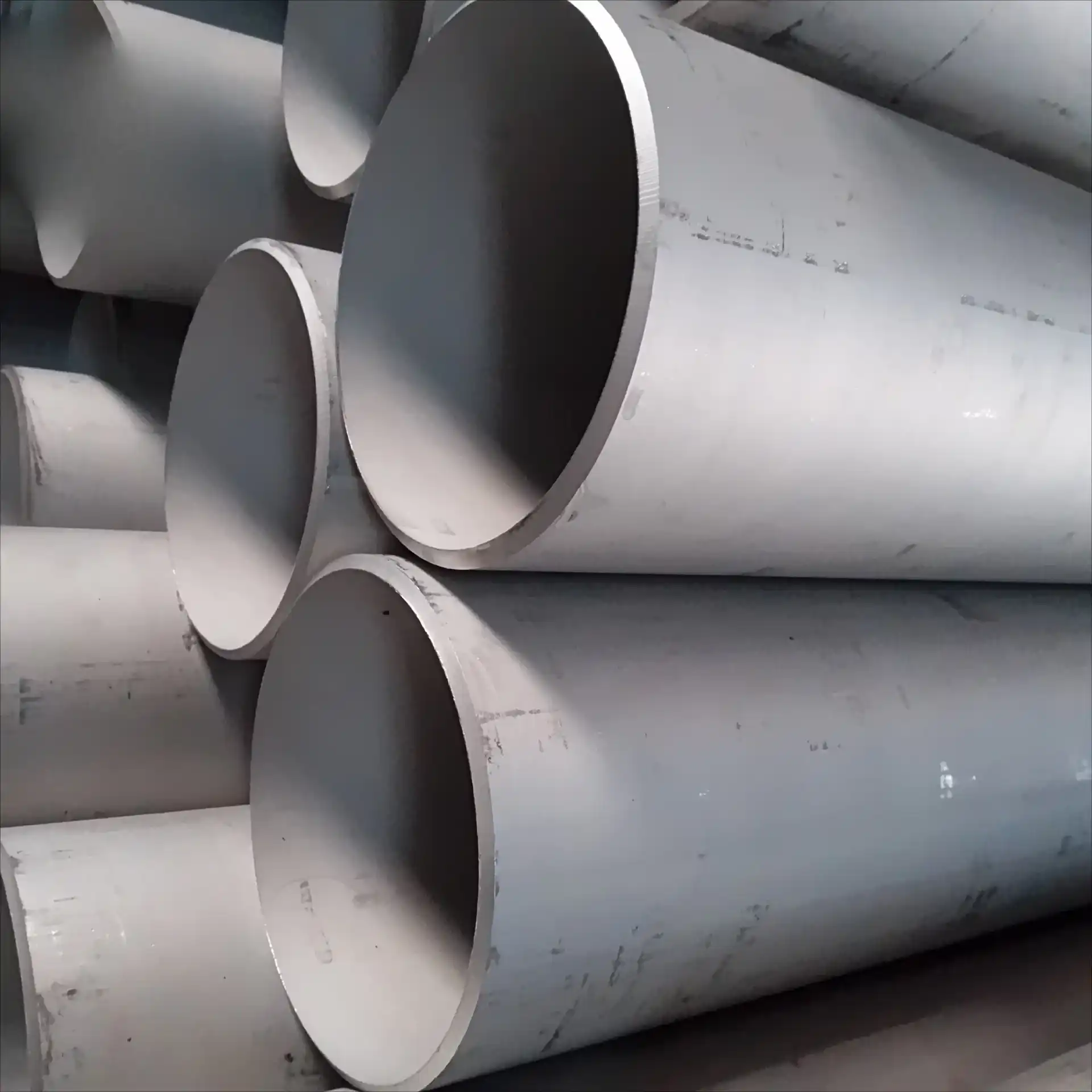
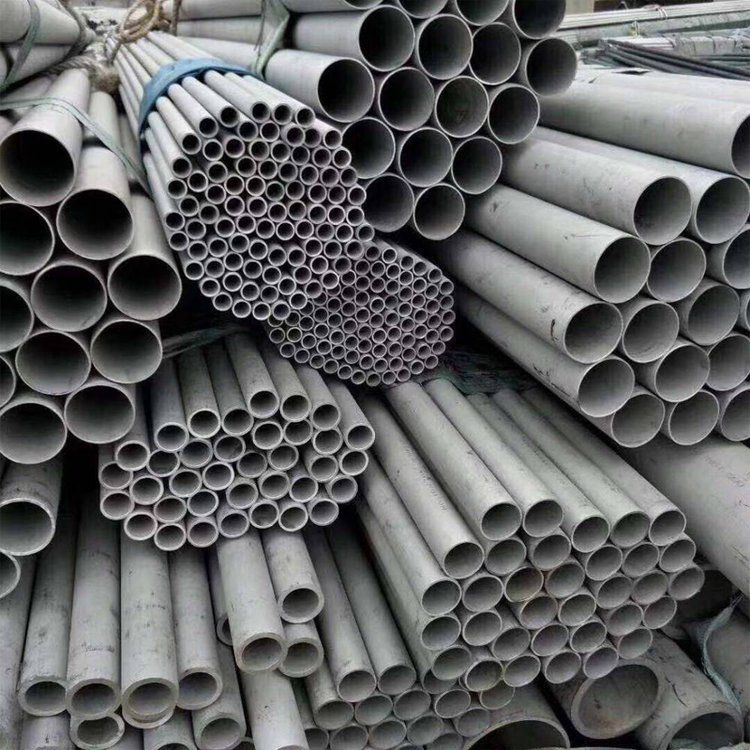
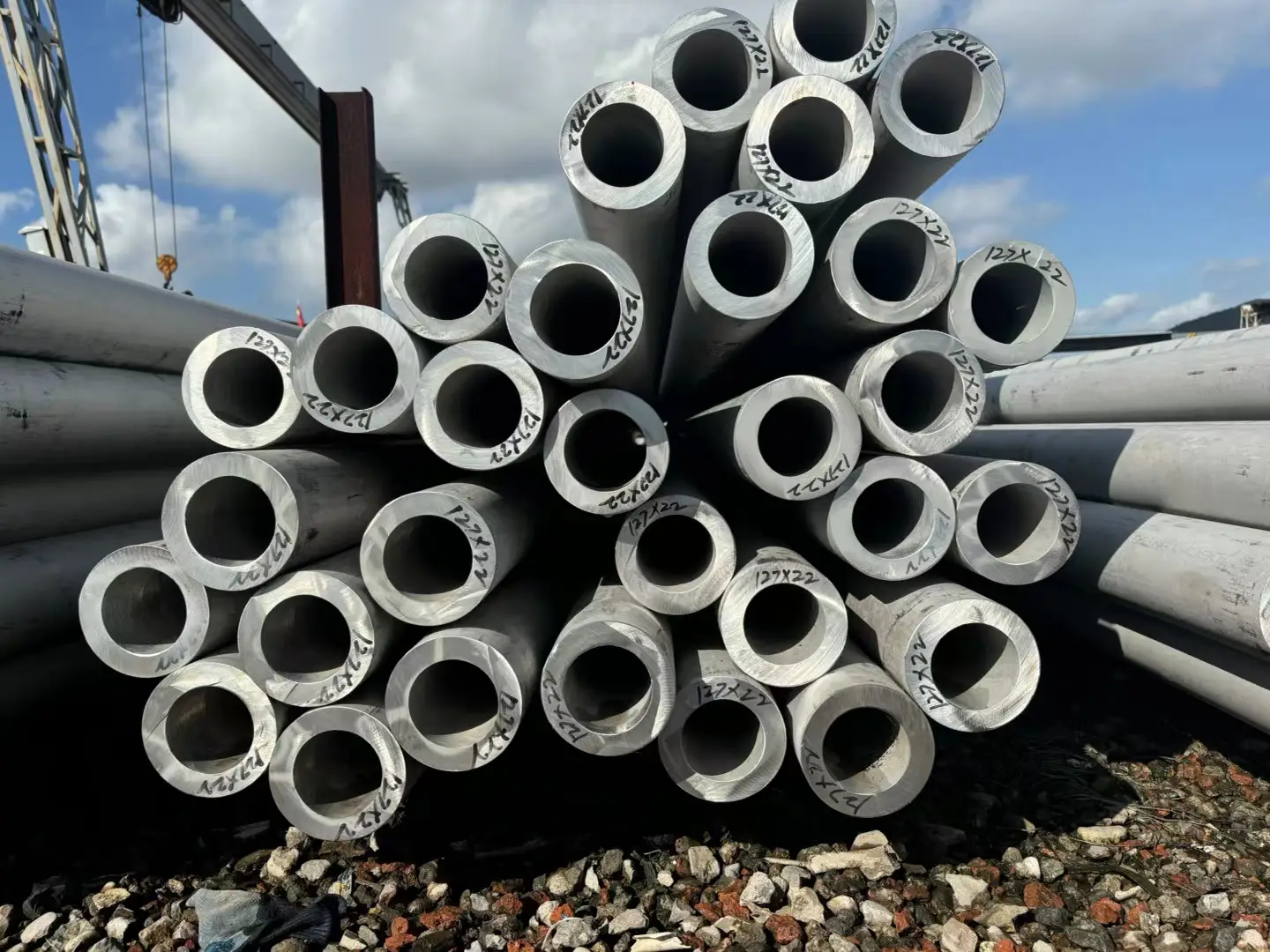
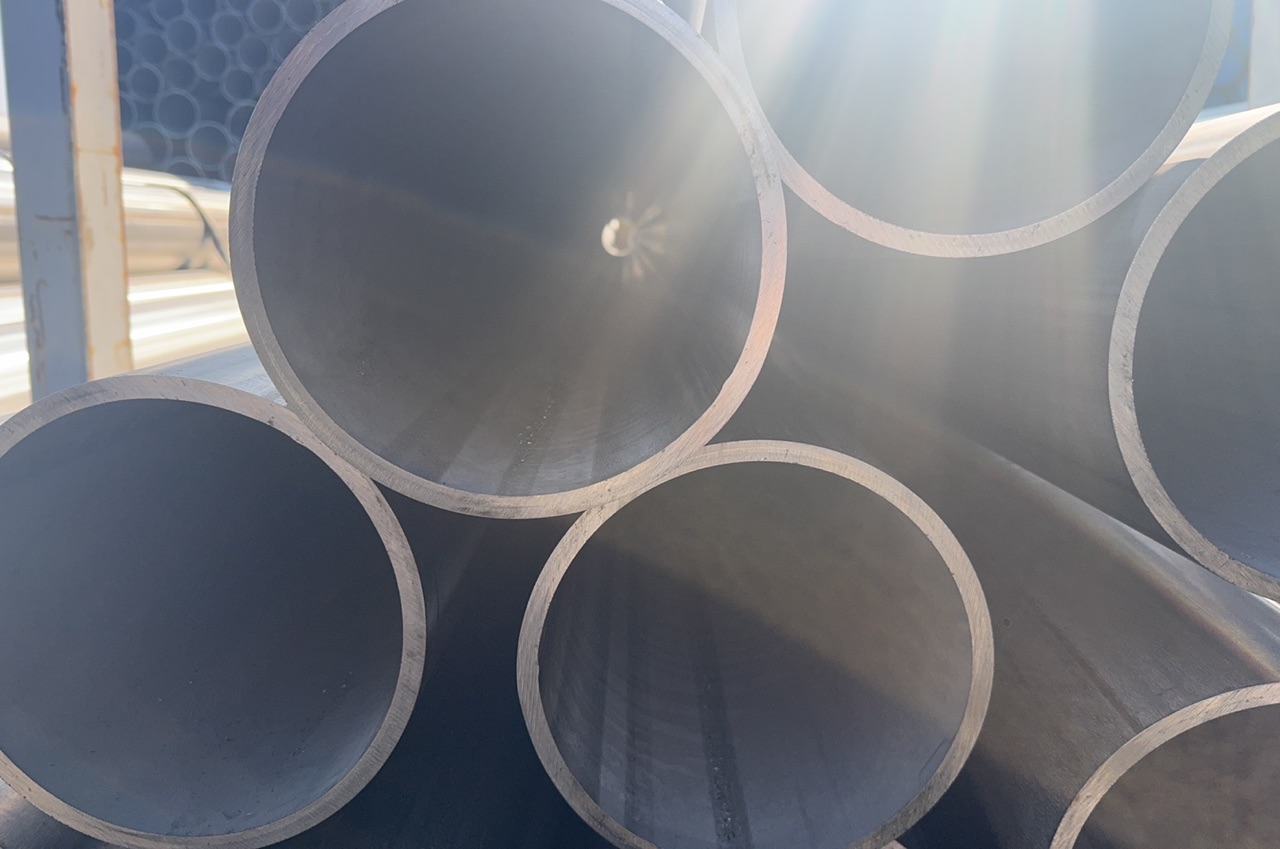
ERW pipe vs seamless pipes represent one of the most important distinctions in modern piping solutions. ERW stands for Electric Resistance Welded, a manufacturing process that creates pipes by rolling steel coil and welding the seams together using electrical resistance. In contrast, seamless pipes are produced by piercing a solid steel billet without any welding involved. Understanding the differences between ERW pipe vs seamless helps engineers and contractors select the most appropriate solution for their specific applications. ERW pipes are manufactured through a highly controlled process where steel coil is gradually formed into a cylindrical shape, and the edges are fused together using an electrical current. This creates a strong, reliable joint. Seamless pipes, however, are created by heating a steel billet and piercing it with a mandrel, then rolling it to the desired dimensions. The technological features of ERW pipe vs seamless differ significantly in terms of production methods, cost efficiency, and structural characteristics. Both pipe types serve critical functions across numerous industries including oil and gas, construction, automotive, and HVAC systems. The choice between ERW pipe vs seamless depends on pressure requirements, application demands, budget constraints, and performance specifications. ERW pipes excel in applications requiring excellent weldability and cost-effectiveness, while seamless pipes are preferred for high-pressure environments and specialized industrial uses. Each option provides distinct advantages that make them suitable for different scenarios in modern infrastructure and manufacturing projects.
 EN
EN