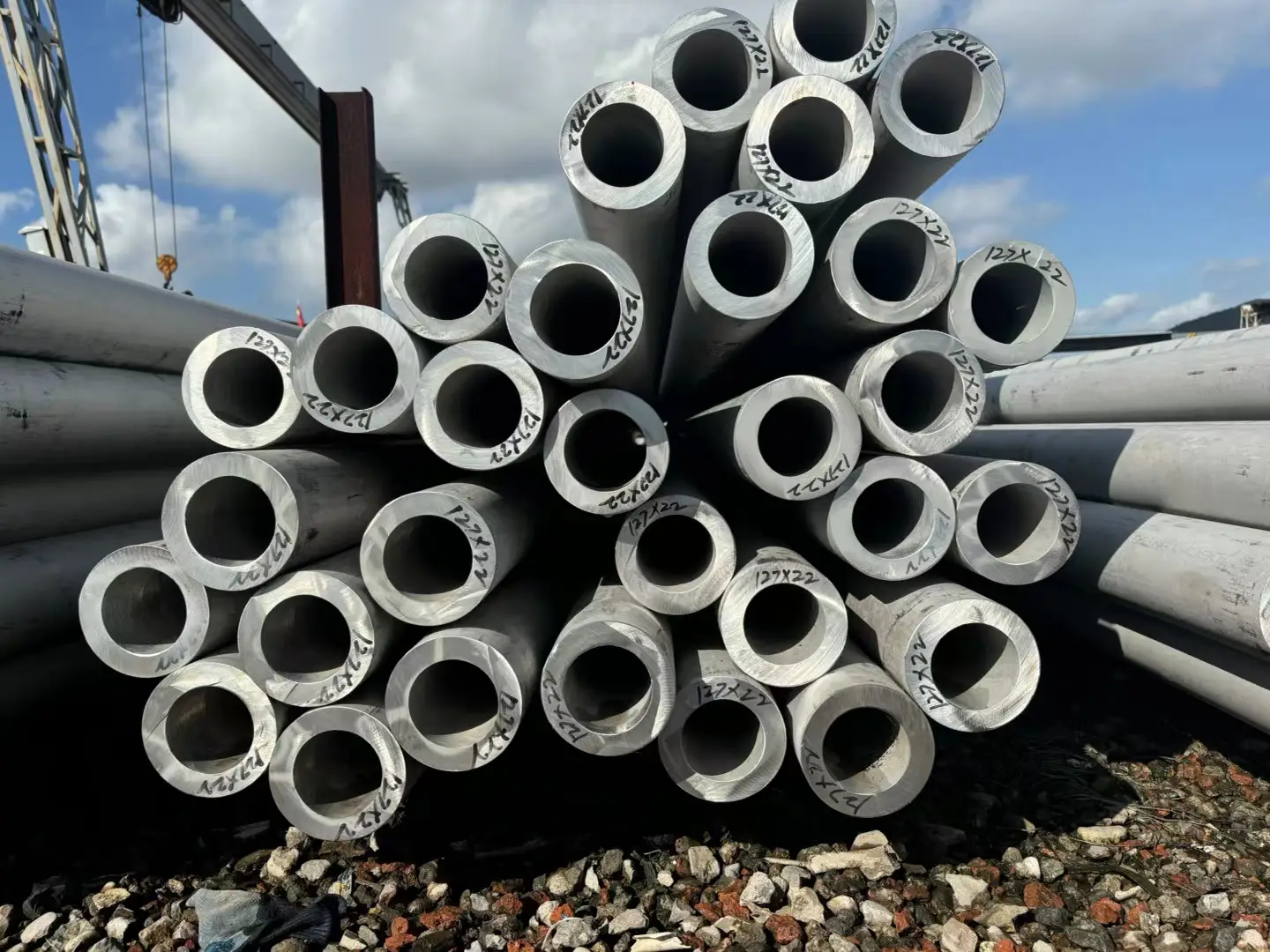
Exceptional Application Versatility
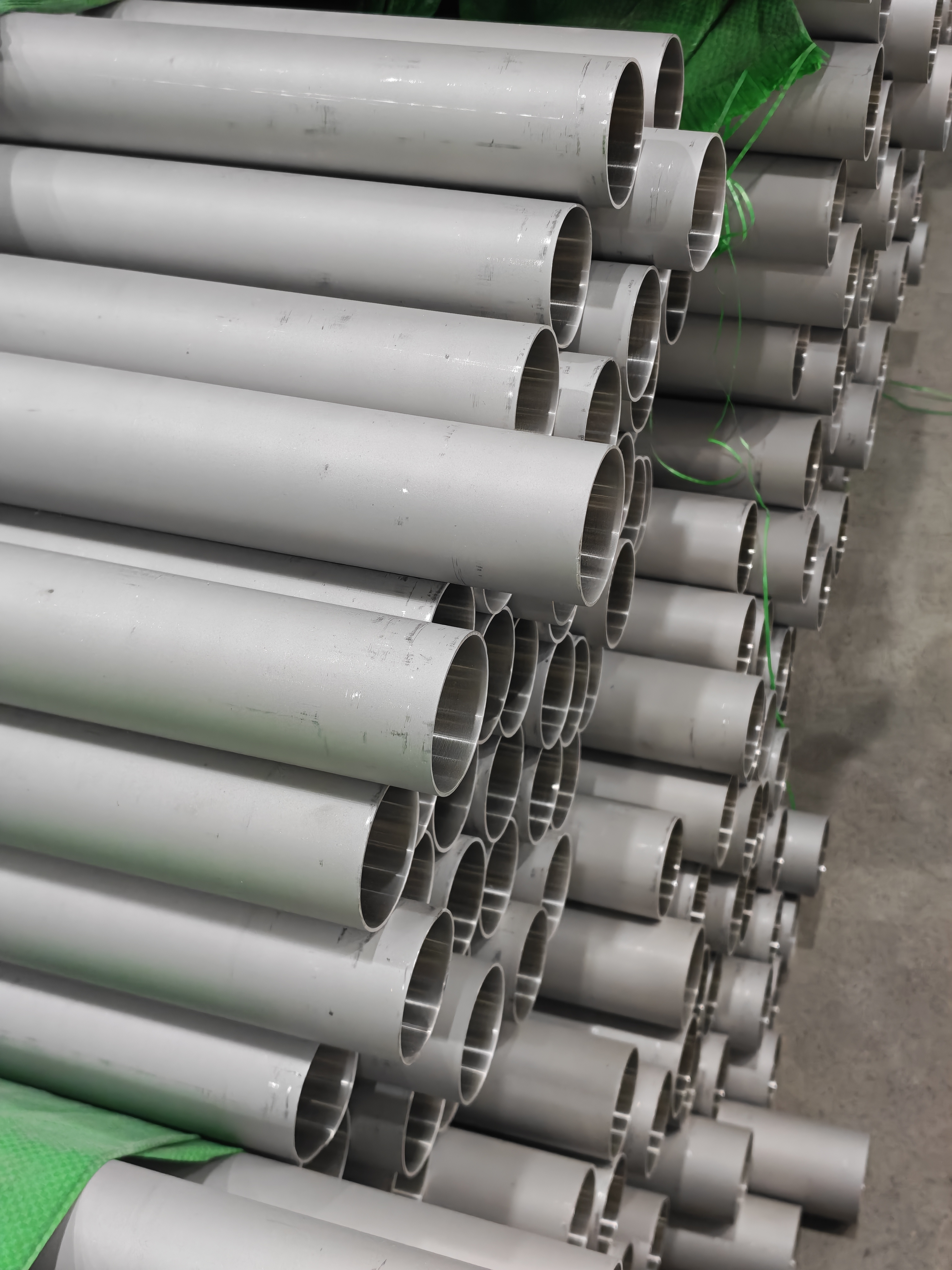
The ERW pipe vs seamless versatility comparison demonstrates the remarkable adaptability of ERW pipes across diverse industrial applications and operating conditions. Pressure rating capabilities of modern ERW pipes have expanded significantly due to advances in welding technology and quality control procedures. Current ERW pipes can safely handle pressures that previously required seamless alternatives, making them suitable for medium to high-pressure applications in oil and gas distribution, water transmission systems, and industrial process piping. The welded seam strength now approaches that of the base material, enabling ERW pipes to meet stringent pressure requirements while maintaining cost advantages. Temperature performance characteristics of ERW pipes accommodate a wide range of operating conditions, from cryogenic applications to elevated temperature services. The weld zone metallurgy can be controlled during manufacturing to match specific temperature requirements, ensuring reliable performance throughout the operating temperature range. This thermal versatility makes ERW pipes suitable for applications including steam distribution systems, chemical processing equipment, and HVAC installations where temperature cycling occurs regularly. Industry-specific applications showcase the exceptional versatility of ERW pipes across multiple sectors. In the oil and gas industry, ERW pipes serve effectively in gathering lines, distribution networks, and storage tank connections. Water utility applications benefit from ERW pipe corrosion resistance and pressure capabilities, particularly in municipal distribution systems and industrial water treatment facilities. Structural applications leverage ERW pipe strength characteristics for building frameworks, bridge construction, and architectural elements where both strength and cost-effectiveness are required. Size range flexibility represents a significant versatility advantage in the ERW pipe vs seamless analysis. ERW manufacturing can efficiently produce pipes ranging from small diameter instrumentation tubing to large diameter transmission mains. This size flexibility enables engineers to specify ERW pipes for complete piping systems, simplifying procurement and inventory management while ensuring consistent performance characteristics throughout the system. The ability to produce custom sizes and wall thicknesses further enhances application versatility, allowing ERW pipes to meet specific project requirements without compromising performance or economics. Chemical compatibility studies demonstrate ERW pipe suitability for various fluid transport applications. The weld seam exhibits corrosion resistance comparable to the base material when properly manufactured, enabling use with various chemical media. This chemical compatibility, combined with available coating and lining options, extends ERW pipe applications to chemical processing, food and beverage production, and pharmaceutical manufacturing where product purity and system reliability are paramount. Installation versatility provides additional practical advantages, as ERW pipes can be welded, threaded, or joined using mechanical connections depending on application requirements. This joining flexibility simplifies field installation procedures and enables repairs using standard construction techniques and equipment.