erw versus tubus continuus
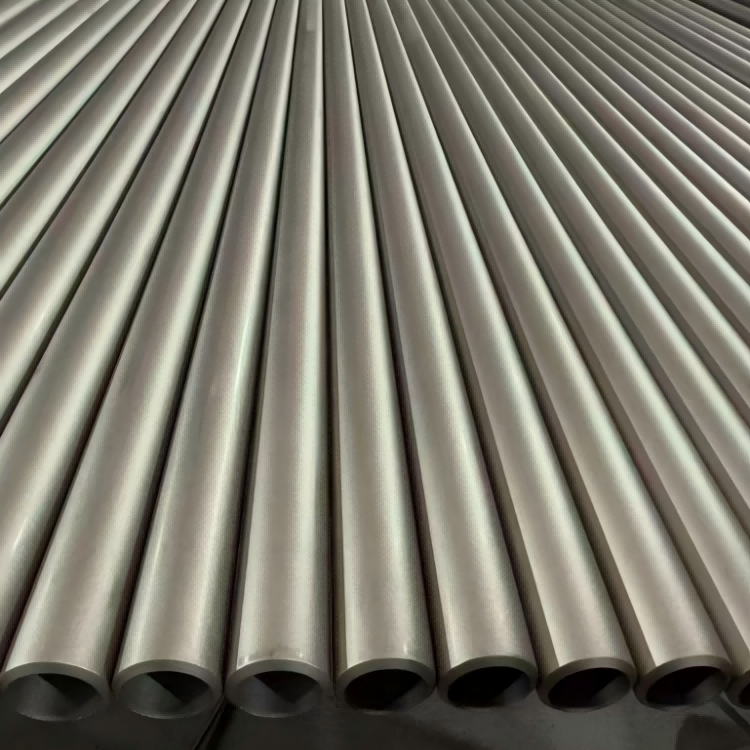
The choice between ERW vs seamless pipe is fundamental for industries requiring reliable fluid transport and structural applications. ERW, or electric resistance welded pipe, is manufactured by forming steel coil into a cylindrical shape and welding the edges using electrical resistance heating. Seamless pipe, conversely, is produced by piercing a solid steel billet and rolling it into tube form without any welds. Understanding ERW vs seamless pipe differences helps engineers and procurement specialists select optimal solutions for their specific needs. ERW pipe offers cost-effective production with consistent quality control, making it ideal for lower-pressure applications and general-purpose distribution systems. The welded seam in ERW vs seamless pipe comparison presents unique characteristics that influence performance under varying conditions. Seamless pipe eliminates weld joints entirely, providing superior strength for high-pressure applications and corrosive environments. Both ERW vs seamless pipe types serve distinct market demands. ERW manufacturing allows rapid production with minimal material waste, while seamless production requires specialized equipment and longer processing times. The decision between ERW vs seamless pipe depends on pressure ratings, temperature requirements, budget constraints, and environmental conditions. Industrial sectors including oil and gas, chemical processing, construction, and automotive manufacturing rely on both types. Each variant of ERW vs seamless pipe demonstrates particular advantages in specific operational contexts, making comprehensive evaluation essential before procurement decisions.
 EN
EN