ERW vs Seamless Pipe: Complete Comparison Guide for Industrial Applications

All Categories

Get a Free Quote

Our representative will contact you soon.
Email
Mobile/WhatsApp
Name
Company Name
Message
0/1000

erw vs seamless pipe

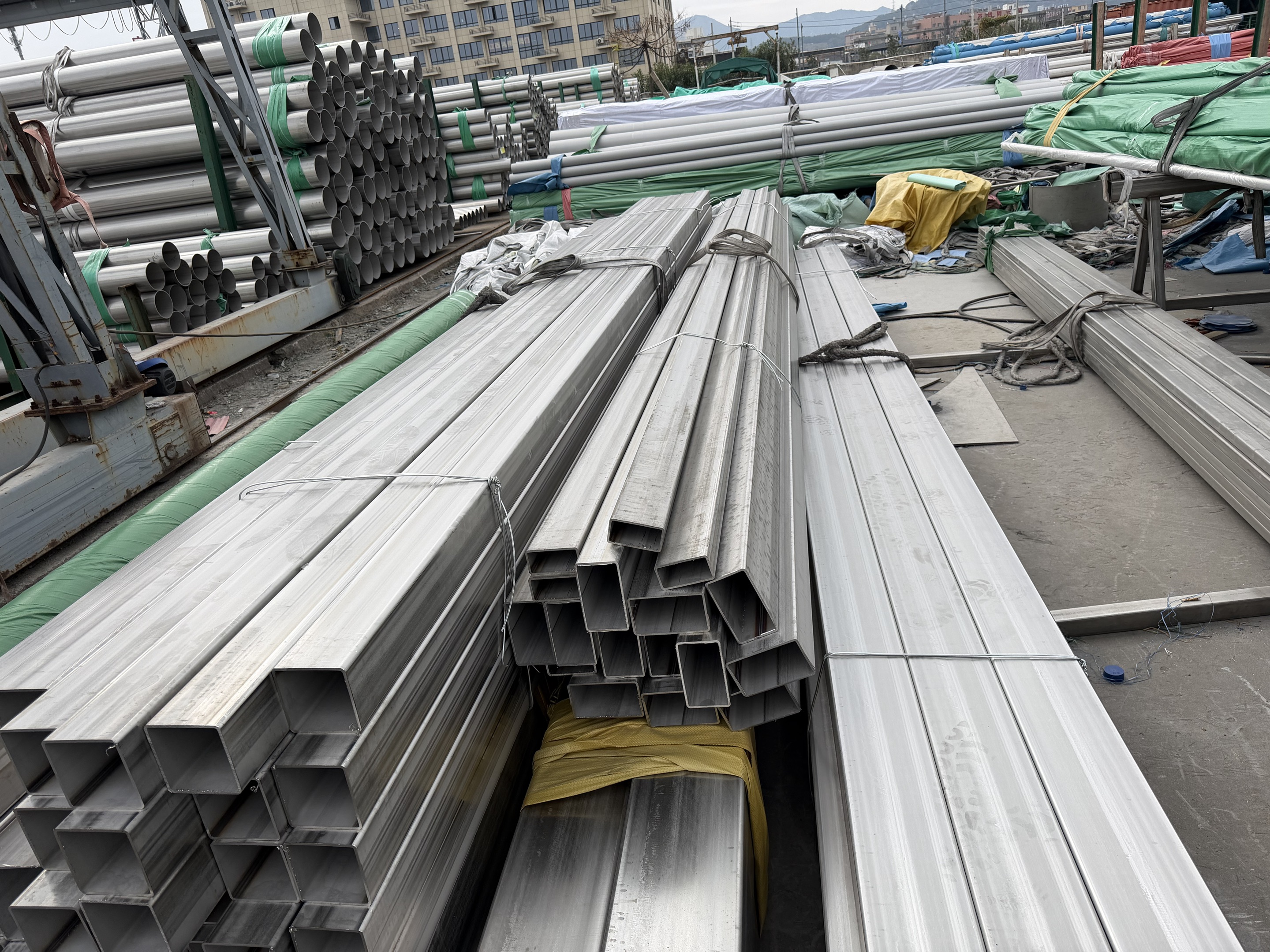
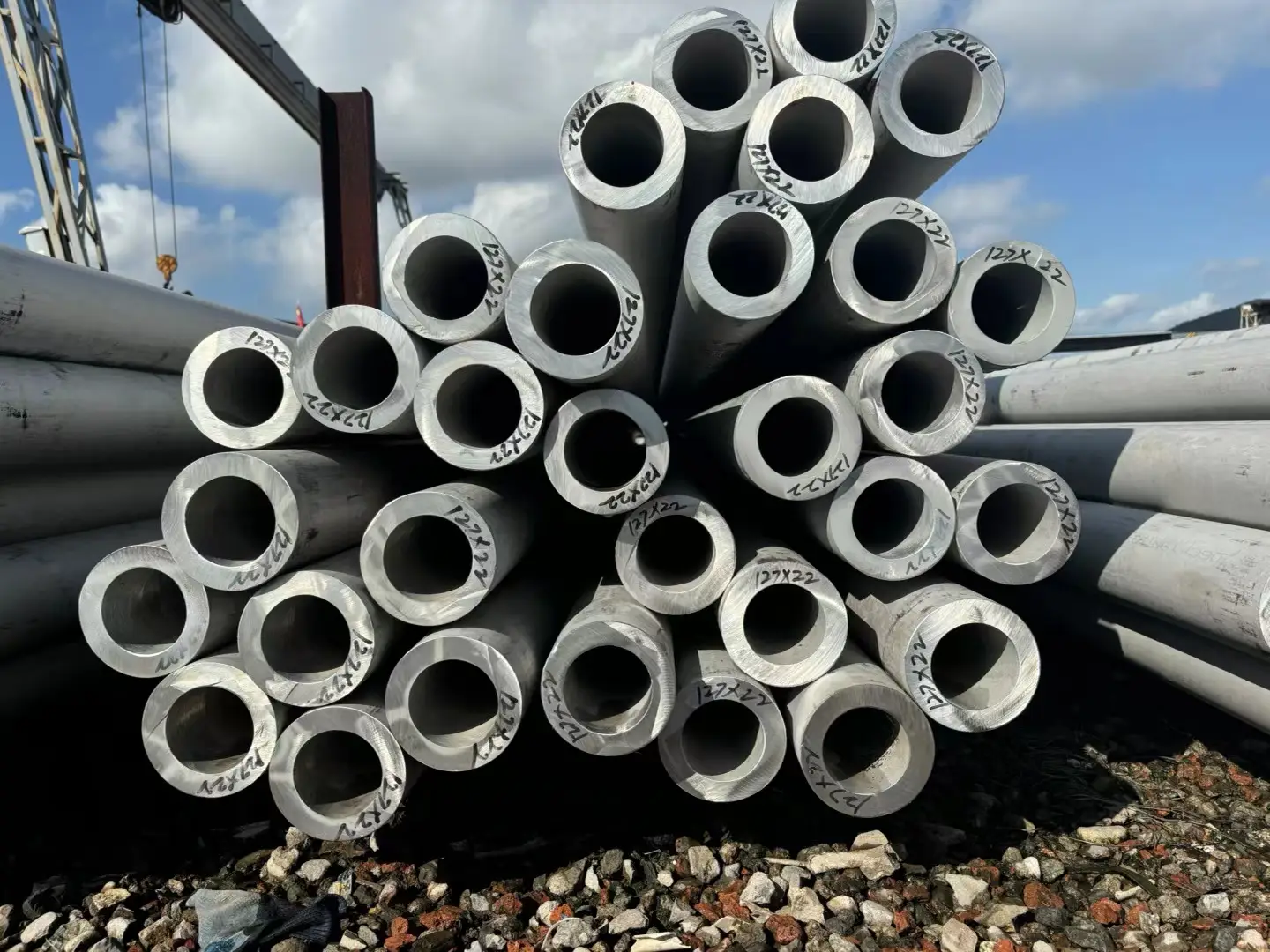
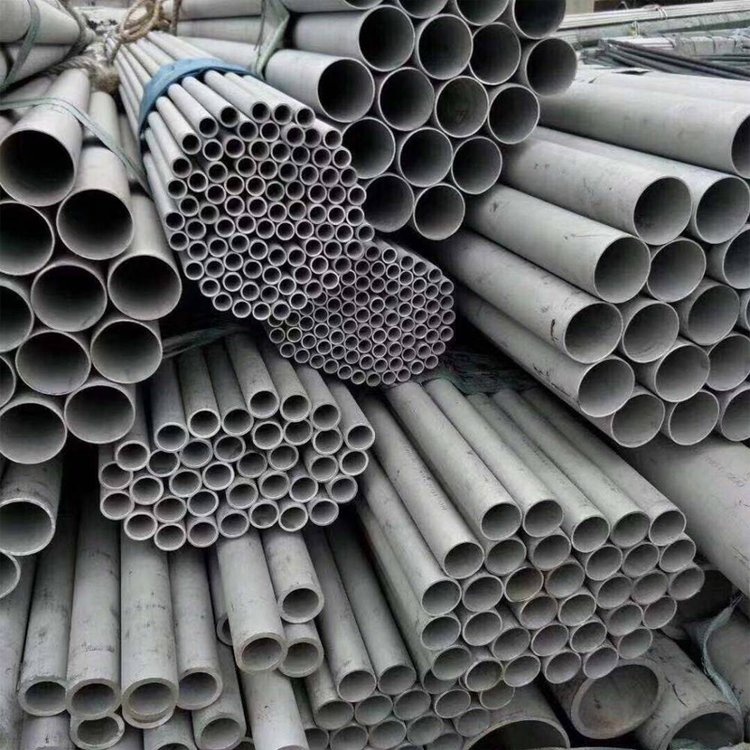
Understanding ERW vs seamless pipe requires examining two fundamentally different manufacturing processes that create distinct steel pipe products for industrial applications. ERW (Electric Resistance Welded) pipes are manufactured through a process where steel strips or coils are formed into a cylindrical shape and welded along a longitudinal seam using electric resistance welding technology. This manufacturing method involves heating the steel edges to fusion temperature and pressing them together to create a continuous weld seam. Seamless pipes, conversely, are produced through hot rolling or cold drawing processes that create pipes without any welded joints, starting from solid steel billets that are heated and pierced to form hollow tubes. The technological differences between ERW vs seamless pipe manufacturing result in varying structural characteristics, performance capabilities, and cost considerations. ERW pipes typically offer excellent dimensional accuracy and consistent wall thickness due to their controlled manufacturing process, making them suitable for applications requiring precise specifications. The welding technology used in ERW pipe production has advanced significantly, creating strong longitudinal welds that meet stringent quality standards. Seamless pipes excel in applications requiring superior strength and pressure resistance since they lack weld seams that could potentially become weak points under extreme conditions. The manufacturing process for seamless pipes involves sophisticated equipment and higher energy consumption, resulting in premium pricing compared to ERW alternatives. Both ERW vs seamless pipe types serve critical functions across industries including oil and gas transmission, structural construction, automotive manufacturing, and water distribution systems. The choice between ERW vs seamless pipe depends on specific application requirements, including pressure ratings, temperature conditions, corrosion resistance needs, and budget considerations. Modern ERW pipe manufacturing incorporates advanced quality control measures and testing procedures to ensure weld integrity and overall pipe performance meets industry standards.

New Products

The comparison of ERW vs seamless pipe reveals distinct advantages that make each type suitable for different applications and project requirements. ERW pipes offer significant cost advantages due to their streamlined manufacturing process, which requires less energy and processing time compared to seamless pipe production. This cost efficiency makes ERW pipes particularly attractive for large-scale projects where budget considerations are paramount without compromising essential performance standards. The manufacturing process for ERW pipes allows for precise control over dimensions and wall thickness, resulting in consistent product quality and reduced material waste. ERW vs seamless pipe analysis shows that ERW pipes can be produced in longer lengths with fewer joints required during installation, reducing labor costs and potential leak points in pipeline systems. The welding technology used in ERW pipe production has evolved to create exceptionally strong longitudinal seams that perform reliably under normal operating conditions. ERW pipes demonstrate excellent surface finish quality, making them ideal for applications requiring aesthetic appeal or specific coating requirements. Seamless pipes provide superior strength characteristics and pressure handling capabilities due to their homogeneous structure without weld seams. The absence of welded joints in seamless pipes eliminates potential weak points, making them preferred choices for high-pressure applications and critical systems where failure could have serious consequences. Seamless pipes offer better performance in extreme temperature conditions, maintaining structural integrity across wider temperature ranges compared to ERW alternatives. The manufacturing process for seamless pipes creates uniform grain structure throughout the pipe wall, resulting in consistent mechanical properties and predictable performance characteristics. When evaluating ERW vs seamless pipe options, seamless pipes demonstrate superior corrosion resistance in certain environments due to their homogeneous material composition. Seamless pipes require fewer quality control concerns related to weld integrity, simplifying inspection procedures and reducing long-term maintenance requirements. Both ERW vs seamless pipe types offer advantages in specific applications, with ERW pipes excelling in cost-sensitive projects requiring reliable performance, while seamless pipes dominate applications demanding maximum strength and pressure resistance.

Latest News

Strongwin Stainless Steel Group Achieves ISO 90012015 Certification and AD 2000 Merkblatt Approval

28

Feb

Strongwin Stainless Steel Group Achieves ISO 90012015 Certification and AD 2000 Merkblatt Approval

View More
Strongwin Stainless Steel Group Announces Major Production Capacity Expansion to Meet Growing Global Demand

11

Mar

Strongwin Stainless Steel Group Announces Major Production Capacity Expansion to Meet Growing Global Demand

View More
Strongwin Stainless Steel Group Announces Strategic Partnership with Leading European Engineering Firm

11

Mar

Strongwin Stainless Steel Group Announces Strategic Partnership with Leading European Engineering Firm

View More

Get a Free Quote

Our representative will contact you soon.
Email
Mobile/WhatsApp
Name
Company Name
Message
0/1000

erw vs seamless pipe

Cost-Effective Manufacturing Excellence in ERW vs Seamless Pipe Selection

Cost-Effective Manufacturing Excellence in ERW vs Seamless Pipe Selection

The economic advantages of ERW pipes represent a compelling factor in the ERW vs seamless pipe decision-making process for industrial projects across multiple sectors. ERW pipe manufacturing utilizes an efficient production process that transforms steel coils into finished pipes through continuous operations, significantly reducing production time and energy consumption compared to seamless pipe manufacturing. This streamlined approach translates directly into cost savings that benefit end users through competitive pricing without sacrificing quality or performance standards. The ERW vs seamless pipe cost comparison reveals that ERW pipes typically cost 20-30 percent less than equivalent seamless pipes, making them attractive for budget-conscious projects requiring substantial pipe quantities. The manufacturing efficiency of ERW pipes extends beyond initial production costs to include reduced raw material waste, as the process allows for precise material utilization and minimal scrap generation. ERW pipe production facilities can operate with lower capital investment requirements compared to seamless pipe manufacturing plants, contributing to overall cost advantages that are passed on to customers. The standardized manufacturing process for ERW pipes enables consistent quality control and predictable delivery schedules, reducing project delays and associated costs. When evaluating ERW vs seamless pipe for large infrastructure projects, the cost savings from choosing ERW pipes can be substantial enough to fund additional project components or allow for upgraded specifications in other areas. The economic benefits of ERW pipes make them particularly suitable for water distribution systems, structural applications, and general industrial uses where extreme pressure requirements are not primary concerns. ERW pipe manufacturing technology continues advancing, incorporating automated quality control systems and improved welding techniques that maintain cost advantages while enhancing product reliability and performance standards for diverse industrial applications.
Superior Pressure Performance and Structural Integrity in ERW vs Seamless Pipe Applications

Superior Pressure Performance and Structural Integrity in ERW vs Seamless Pipe Applications

Seamless pipes demonstrate exceptional pressure handling capabilities and structural integrity that distinguish them significantly in the ERW vs seamless pipe performance comparison for demanding industrial applications. The absence of welded seams in seamless pipes eliminates potential stress concentration points that could compromise structural integrity under high-pressure conditions, making them the preferred choice for critical applications requiring maximum reliability and safety margins. The manufacturing process for seamless pipes creates uniform material properties throughout the pipe wall thickness, resulting in consistent performance characteristics that engineers can rely on for precise calculations and system design. When analyzing ERW vs seamless pipe pressure ratings, seamless pipes consistently demonstrate superior performance in high-pressure applications, often rated for pressures 15-25 percent higher than comparable ERW pipes of similar dimensions and materials. The homogeneous structure of seamless pipes provides excellent fatigue resistance under cyclic loading conditions, making them ideal for applications involving pressure fluctuations or dynamic loading scenarios. Seamless pipe manufacturing through hot rolling or cold drawing processes creates refined grain structures that enhance mechanical properties including tensile strength, yield strength, and impact resistance. The ERW vs seamless pipe comparison for extreme temperature applications favors seamless pipes due to their ability to maintain structural integrity across wider temperature ranges without concerns about weld seam performance degradation. Seamless pipes excel in corrosive environments where weld seams in ERW pipes might become preferential corrosion sites, offering enhanced service life and reduced maintenance requirements. The superior pressure performance of seamless pipes makes them essential for oil and gas transmission lines, high-pressure steam systems, hydraulic applications, and other critical infrastructure where failure consequences are severe. Quality control for seamless pipes focuses on material uniformity and dimensional accuracy rather than weld integrity, simplifying inspection procedures and providing greater confidence in long-term performance reliability for mission-critical applications.
Versatile Application Range and Installation Benefits in ERW vs Seamless Pipe Systems

Versatile Application Range and Installation Benefits in ERW vs Seamless Pipe Systems

The versatility and installation advantages of both pipe types in the ERW vs seamless pipe comparison offer unique benefits that cater to diverse industrial requirements and project specifications across multiple sectors. ERW pipes provide exceptional installation flexibility due to their availability in extended lengths, reducing the number of joints required in pipeline systems and minimizing potential leak points while decreasing installation time and labor costs. The consistent dimensional accuracy of ERW pipes facilitates precise fitting and alignment during installation, contributing to system integrity and reducing the need for field modifications or adjustments. ERW vs seamless pipe installation considerations reveal that ERW pipes often feature superior surface finish quality, making them ideal for applications requiring specific coating systems or aesthetic considerations in visible installations. The manufacturing process for ERW pipes allows for customization of wall thickness and diameter combinations that may not be readily available in seamless pipe options, providing design engineers with greater flexibility in system optimization. Seamless pipes offer installation advantages in applications requiring complex routing or bending operations, as their homogeneous structure provides consistent bending characteristics without concerns about weld seam positioning or integrity during fabrication. The ERW vs seamless pipe selection for specialized applications shows seamless pipes excelling in high-temperature installations where thermal expansion and contraction cycles could stress welded joints in ERW alternatives. Both pipe types accommodate various joining methods including welding, threading, and mechanical connections, though seamless pipes often provide more consistent weld penetration characteristics due to uniform wall composition. The application range for ERW vs seamless pipe systems spans from residential plumbing and HVAC systems to major industrial infrastructure including petrochemical processing, power generation, and water treatment facilities. Installation planning benefits from understanding ERW vs seamless pipe characteristics, as ERW pipes offer logistical advantages through lighter weight and easier handling, while seamless pipes provide performance advantages in critical applications where long-term reliability is paramount for system operations and maintenance requirements.

Get a Free Quote

Our representative will contact you soon.
Email
Mobile/WhatsApp
Name
Company Name
Message
0/1000