 EN
EN
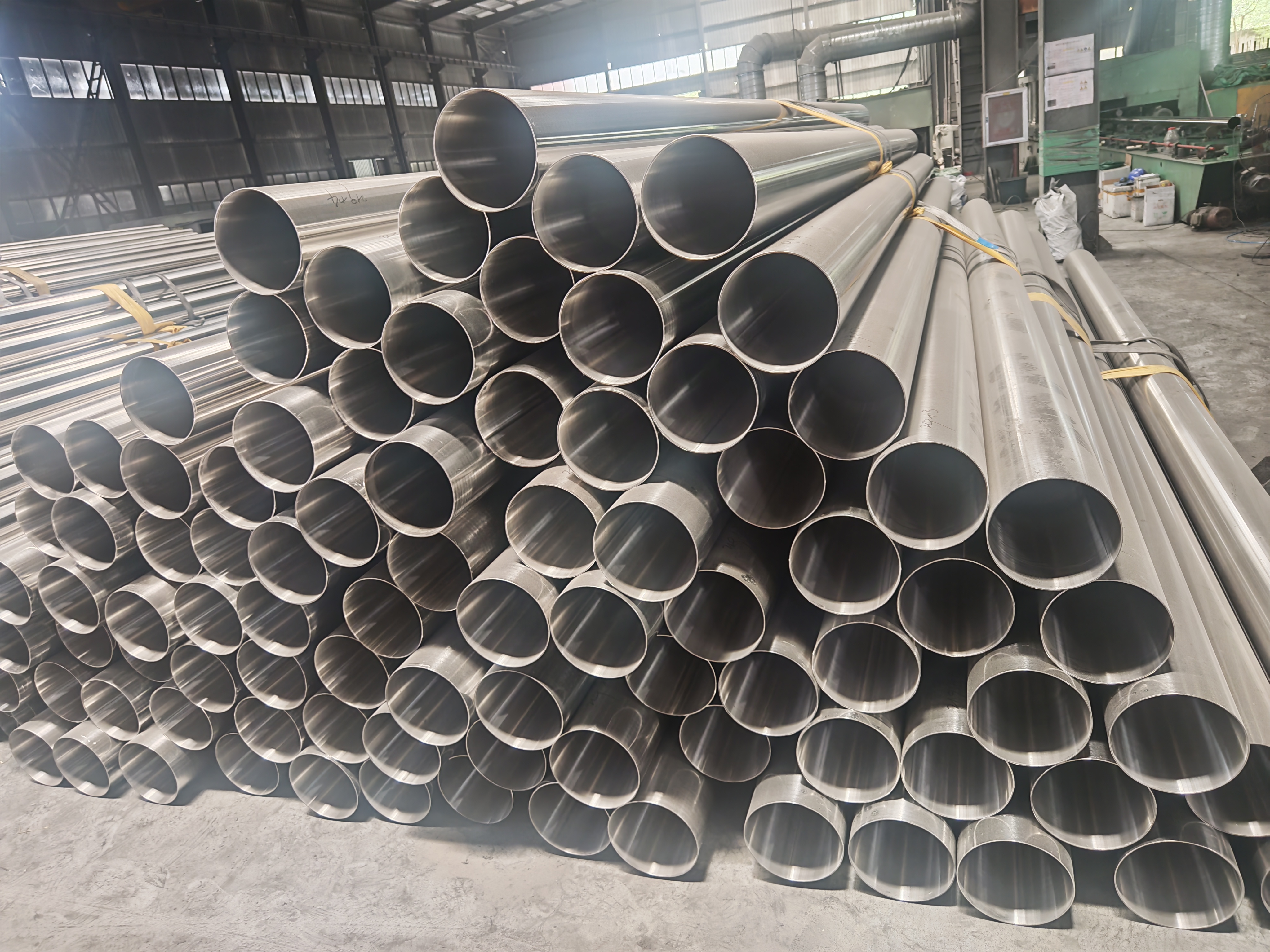
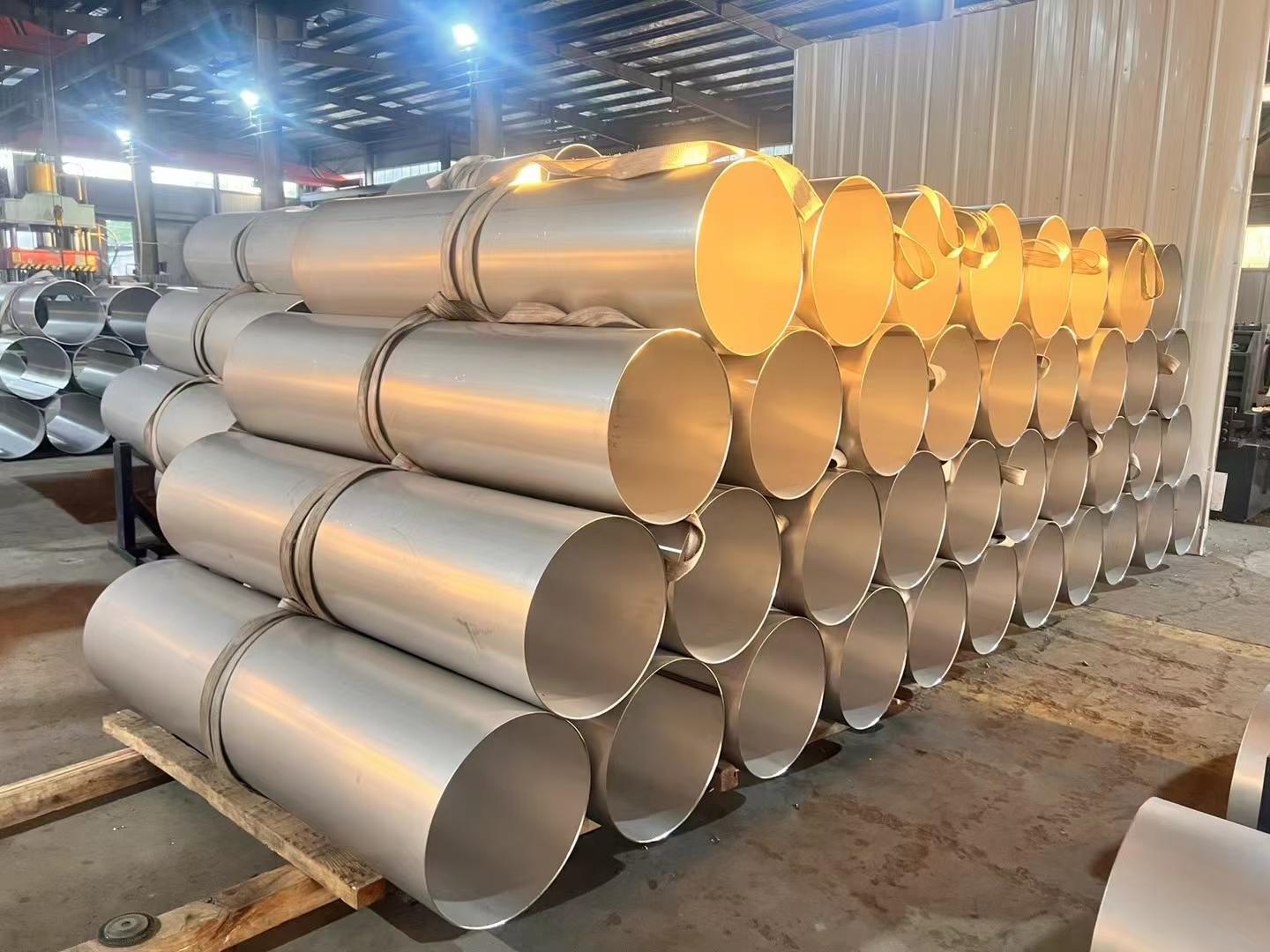
Integriteti strukturor i tubave prej çeliku varet në mënyrë të madhe nga cilësia dhe karakteristikat e bashkimit të tyre tubular, i cili përfaqëson ndërfaqen e lidhur ku skajet metalike bashkohen gjatë procesit të prodhimit. Kuptimi i mënyrës se si bashkimi tubular ndikon në fortësinë e përgjithshme të tubit është kritik për inxhinierët, specialistët e blerjes dhe menaxherët e objekteve, të cilët duhet të zgjedhin materiale të përshtatshme për aplikime industriale të kërkuara. Bashkimi tubular ndikon drejtpërdrejt në vetitë mekanike, përfshirë fortësinë e treguar, rezistencën ndaj lodhjes dhe mënyrat e dëmtimit nën stresat operative. Ky studim i hollësishëm shqyrton marrëdhënien themelore midis cilësisë së bashkimit tubular dhe performancës së tubave prej çeliku, duke ofruar pasqyra të veprueshme për zhvillimin e specifikimeve dhe protokollet e sigurimit të cilësisë.
Brenda tubave prej çeliku të ngjitur, bashkimi i përgjatëm krijon një zonë metalurgjike të veçantë që sjell veti të ndryshme nga materiali bazë nën kushte të ngarkesës. Proceset e prodhimit, përfshirë ngjitjen me rezistencë elektrike, ngjitjen me hark të mbuluar dhe ngjitjen me induksion, prodhojnë mikrostruktura të ndryshme të bashkimit që tregojnë karakteristika unike të fortësisë. Këto variacione ndikojnë mënyrën se si tubat përgjigjen ndaj shtypjes së brendshme, ngarkesave të jashtme, cikleve termike dhe mjedisit korroziv. Për aplikimet industriale ku besueshmëria është e thelbësishme, bashkimi i përgjatëm bëhet pikë fokuse për kontrollin e cilësisë, protokollet e testimit dhe parashikimin e performancës afatgjatë. Formimi i saktë i bashkimit të përgjatëm mund të arrijë ose edhe të tejkalojë fortësinë e metalit bazë, ndërsa defektet në bashkim mund të krijojnë pika kritike të dobësia që komprometojnë sistemet e plotë të tubave.
Transformimet Metalurgjike Brenda Zonës së Bashkimit të Përgjatëm
Formimi i Zonës së Ndikuar nga Nxehtësia dhe Ndryshimet e Strukturës së Grurëzave
Brenda bashkësimit të tubit krijohet një zonë e ndikuar nga nxehtësia, ku temperaturat e larta gjatë ngjitjes ndryshojnë strukturën e grurave të materialeve të çelikut origjinal. Kjo transformim metalurgjik ndodh në një bandë të ngushtë pranë vijës së shkrirjes, ku ciklet termike shkaktojnë rritjen e grurave, transformimet fazore dhe mundësinë e precipitimit të karbidit. Shtrirja dhe karakteristikat e kësaj zone të ndikuar nga nxehtësia përcaktojnë drejtpërdrejt vetitë mekanike rreth bashkësimit të tubit. Shkallët e shpejtë të ngrohjes dhe ftohjes, të tipit të përdorur në proceset e ngjitjes me frekuencë të lartë, krijojnë mikrostruktura me grura të holla që shpesh tregojnë fortësi më të lartë krahasuar me metodat e ngjitjes më të ngadaltë, të cilat lejojnë rritje të gjerë të grurave.
Karakteristikat e kufijve të kornizave brenda zonës së gjysëm të tubit rregullojnë rezistencën ndaj përhapjes së tharjeve dhe ductilitetin nën kushte të tensionit. Kornizat e holla ekuiaxed prodhuara nga profile termike të kontrolluara shpërndajnë koncentrimet e tensionit më efektivisht sesa kornizat koluminare të trasha që mund të lehtësojnë përparimin e tharjeve përgjatë shtigjeve të preferuara. Zona kufitare midis zonës së shkrirjes së lidhjes dhe metalit bazë të pa prekur përfaqëson një gradient vetish që ndikon në performancën e përgjithshme të tubit. Optimizimi modern i parametrave të lidhjes përqendrohet në minimizimin e gjerësisë së zonës së ndikuar nga nxehtësia, duke ruajtur njëkohësisht shkrirjen e plotë për të ruajtur vetitë maksimale të materialit prind afër gjysëm të tubit.
Skenariet e Shpërndarjes së Tensioneve Të Mbetur
Kontraktimi termik gjatë ftohjes së bashkimit të tubave krijon fusha tensioni të mbetura që mbeten në strukturën përfundimtare të tubit. Këto tensione të "bllokuara" mund të arrijnë madhësi që i afrohen rezistencës së materialit ndaj shpërimrit në procese ngjitjeje me kontroll të dobët, duke krijuar një vulnerabilitet ndaj çarjeve të korrozionit të tensionit dhe dëmtimit parakohësh të lodhjes. Komponentët longitudinal dhe rrethorë të tensionit të mbetur veprojnë bashkë me ngarkesat e zbatuara në shfrytëzim, duke forcuar ose duke kundërshtuar tensionet operative, varësisht nga orientimi dhe madhësia e tyre. Proceset e trajtimit termik pas ngjitjes mund të zvogëlojnë në mënyrë të konsiderueshme nivelet e tensioneve të mbetura në rajonin e bashkimit të tubave, duke përmirësuar stabilitetin dimensionale dhe rezistencën ndaj mekanizmave të çarjeve të ndihmuara nga mjedisi.
Natura asimetrike e shpërndarjes së tensioneve të mbetura rreth bashkimit të tubit ndikon në mënyrën se si tubat përgjigjen ndaj momenteve të përkuljes dhe skenarëve të ngarkesave të kombinuara. Tensionet e mbetura të treguar në sipërfaqen e bashkimit zvogëlojnë margjinën efektive të sigurisë për aplikimet e mbajtjes së shtypjes, ndërsa tensionet shtypëse mund të përmisojnë në mënyrë të dobishme jetën e përdorimit nën ngarkesa ciklike. Instalimet e avancuara të prodhimit përdorin sisteme të integruara për çlirimin e tensioneve dhe kontrollin e saktë të parametrave për të menaxhuar në mënyrë sistematike profilin e tensioneve të mbetura. Kuptimi i këtyre modeleve të tensioneve lejon analizën strukturore të saktë dhe zbatimin e faktorëve të përshtatshëm të sigurisë për instalimet kritike, ku integriteti i bashkimit të tubit ndikon drejtpërdrejt në sigurinë operative.
Variacionet e vetive mekanike nëpër ndërfaqen e bashkimit të tubit
Karakteristikat e fortësisë së treguar dhe të pikës së shpërblyerjes
Brenda bashkësimit të tubave me ngjeshje, vlerat e rezistencës së treguar në tension zakonisht ndryshojnë nga ato të trupit të tubit për shkak të ndryshimeve mikrostrukturore në zonën e shkrirjes së weld-it dhe në zonën e ndikuar nga nxehtësia. Tubat me ngjeshje elektrike rezistente të lartë cilësie arrijnë rezistenca në tension të bashkësimit që korrespondojnë ose tejkalojnë vetitë e metalit bazë përmes një shtypjeje optimale të ngjeshjes dhe profilit të nxehtësisë. Megjithatë, parametrat e pavlefshëm të ngjeshjes mund të prodhojnë forca të bashkësimit që janë shumë më të ulëta se kërkesat e specifikimeve, duke krijuar shtigje të preferuara të dëmtimit nën ngarkesa shtypjeje. Protokollet e standardizuara të testimit kërkojnë mostra specifike të bashkësimit për testimin në tension, që të verifikohet se bashkësimi i tubit plotëson kriteret minimale të forcës për klasifikimin e shërbesës së parashikuar.
Variacionet e rezistencës së shpërthimit nëpër bashkëngjitjen e tubave ndikojnë në mënyrën se si deformohen tubat nën kushte të ngarkesës së tepërt dhe ndikojnë në kalimin nga sjellja elastike në atë plastike. Një bashkëngjitje e tubit të kryer mirë shpërndan uniformisht fillimin e shpërthimit rreth perimetrit të tubit, duke parandaluar deformimin lokal plastik që mund të çojë në zgjerim ose kolaps. Mbi-përputhja e fortësisë, ku bashkëngjitja tregon një rezistencë shpërthimi më të lartë se materiali i rrethueshëm, mund të drejtojë deformimin larg zonës së ngjitjes, por mund të përqendrojë tensionin në rajonet e prekura nga nxehtësia fqinje. Profilet e balancuara të fortësisë që ruajnë një sjellje të konzistentë shpërthimi në tërë prerjen transversale ofrojnë performancë optimale për aplikime që përfshijnë fluktuacione shtypjesh dhe tranziente termike.
Qëndrueshmëria ndaj goditjeve dhe sensitiviteti ndaj thellimeve
Rezistenca ndaj goditjes përfaqëson aftësinë e bashkimit të tubave të thithë energji gjatë ngarkimit të papritur pa thyerje të brishtë, një veti kritike për shfrytëzimin në temperaturë të ulët dhe skenarët e ngarkimit dinamik. Mikrostruktura e zonës së lidhjes ndikon në vetitë ndaj goditjes, ku strukturat me grura të holla ofrojnë rezistencë më të mirë ndaj goditjes krahasuar me formatimet dendritike të trasha. Testimi Charpy me furrë V vendoset drejtpërdrejt në bashkimi i tubave me qepje kuantifikon këtë veti dhe përcakton përshtatshmërinë për gamat e veçanta të temperaturave dhe kushteve të ngarkimit. Zbatimet në klima të ftohta ose shfrytëzimi kriogjenik kërkojnë vlera minimale rezistence ndaj goditjes që mund të kërkojnë procedura speciale ngjitjeje dhe trajtime pas-ngjitjeje për të arritur performancën e pranueshme.
Sensibiliteti i thellësive në rajonin e bashkimit të tubave përcakton se si diskontinuitetet gjeometrike dhe paaftësitë e sipërfaqes ndikojnë në fillimin e çarjeve nën stresat operative. Kalimet e ngushta, fusioni i paplotë ose përfshirjet e shlagit brenda bashkimit të tubave veprojnë si pika koncentrimi stresi që zvogëlojnë dramatikisht fortësinë efektive. Materialët me sensibilitet të lartë thellësie tregojnë zvogëlim të konsiderueshëm të fortësisë kur janë të pranishme defekte, ndërsa ligjirat e optimizuara për rezistencë mbajnë performancë më të mirë edhe në prani të paaftësive të vogla. Sistemet e kontrollit të cilësisë që synojnë integritetin e bashkimit të tubave fokusohen në eliminimin e defekteve që formojnë thellësi përmes monitorimit të procesit dhe teknikave të vlerësimit jo të dëmtueshëm që zbulon diskontinuitetet nën sipërfaqe para se tubat të hyjnë në përdorim.
Mekanizmat e Dështimit të Lidhur me Defektet e Bashkimit të Tubave
Mënyrat e Propagimit të Çarjeve Gjatësore
Tharret longitudinale që fillon në bashkëngjitur e tubit paraqesin një nga mënyrat më të rëndësishme të dëmtimit në tubat e çelikut të ngjitur, shpesh rezultojnë nga ngjitja e paplotë, mungesa e penetrimi ose tharret e shkaktuara nga hidrogjeni gjatë prodhimit. Këto defekte krijojnë diskontinuitete planare të orientuara paralelisht me boshtin e tubit, të cilat zvogëlojnë trashësinë efektive të murit dhe përqendrojnë tensionet rrethore nga shtypja e brendshme. Nën ngarkesën ciklike të shtypjes, rritja e tharreve të lodhjes nga defektet në bashkëngjitur e tubit mund të zhvillohet shpejt, duke çuar në ngjarje të papritura të thyerjes që lëshojnë energjinë e ruajtur dhe krijojnë rreziqe për siguri. Analiza e mekanikës së thyerjes së tharreve në bashkëngjitur e tubit kërkon marrjen në konsiderim të tensioneve mbetëse, gjeometrisë së defektit dhe rezistencës së materialit për të parashikuar me saktësi jetën e mbetur të shfrytëzimit.
Madhësia kritike e defektit për përhapjen e papërshtatshme të çarjeve në zonat e bashkimit të tubave varet nga niveli i stresit të aplikuar, rezistenca e materialit ndaj çarjes dhe morfologjia e çarjes. Çarjet e thella dhe të mprehta, të orientuara pingul me stresin maksimal të treguar, paraqesin konfigurimin më të rrezikshëm, ndërsa defektet të rrumbullakosura që janë paralele me drejtimin e stresit paraqesin një rrezik të ulët. Teknikat e avancuara të inspektimit ultrazëri specifikisht synojnë zonën e bashkimit të tubave për të zbuluar dhe karakterizuar indikacionet e ngjashme me çarjet para se të arrijnë dimensionet kritike. Vendosja e intervaleve të përshtatshme të inspektimit, bazuar në parashikimet e shpejtësisë së rritjes së çarjeve, siguron që integriteti i bashkimit të tubave të ruhet gjatë tërë jetës së projektuar të sistemeve që mbajnë shtypje.
Ndjeshmëria ndaj çarjeve nga korrozioni i stresit
Brenda bashkësimit të tubave shihet një ndjeshmëri e rritur ndaj çarjeve nga korrozioni i tensionit, për shkak të efekteve të përbashkëta të tensioneve mbetëse të shtypjes, variacioneve mikrostrukturore dhe ndryshimeve potenciale në përbërjen kimike të zonës së ngullosjes. Ambiente specifike, siç janë solucionet që përmbajnë kloridë, lëngjet alkaloze dhe atmosferat që përmbajnë hidrogjen-sulfid, mund të iniciojnë çarjet në nivele tensioni shumë më të ulët se forca e zhvendosjes së materialit, kur bashkësimi i tubave ofron një vend të vulnervëlshëm për fillimin e çarjeve. Shpejtësia e rritjes së çarjeve në mekanizmat e korrozionit të tensionit varet nga kimia lokale, potenciali elektrokimik dhe madhësia e tensionit të shtypjes që vepron pingul me orientimin e bashkësimit.
Strategjitë për zbutjen e çarjeve të korrozionit nga stresi në aplikimet me bashkëngjitur tubash përfshijnë trajtimin termik pas ngjitjes për të zvogëluar stresat reziduale, sistemet e mbulimeve mbrojtëse për të izoluar bashkëngjiturin nga mjedisi korroziv dhe kriteret e zgjedhjes së materialeve që specifikojnë legera rezistente ndaj korrozionit për mjedise agresive. Programet e rregullta të inspektimit duke përdorur metodat e përshtatshme të testimit jo-destruktiv zbulon çarjet në fazën e hershme para se të ndodhë penetrimi i murit. Kuptimi i mekanizmit specifik të korrozionit nga stresi që është i lidhur me mjedisin e përdorimit lejon qasjet e synuara të parandalimit që zgjasin jetëgjatësinë e bashkëngjiturit të tubash dhe parandalojnë dëmtimet e hershme në aplikimet kritike infrastrukturore.
Masat e Kontrollit të Cilësisë për Sigurimin e Integritetit të Bashkëngjiturit të Tubash
Protokollet për Provime pa Zgjedhje
Testimi i përgjithshëm jo-tërheqës i bashkimit të tubave siguron verifikimin se proceset e prodhimit kanë prodhuar lidhje pa defekte që plotësojnë kërkesat e specifikimit. Sistemet e testimit ultrazëri, të konfiguruara specifikisht për inspektimin e bashkimit, zbulojnë diskontinuitete të brendshme, përfshirë mungesën e shkrirjes, porozitetin dhe indikacionet e ngjashme me çarjet, të cilat komprometohen integritetin strukturor. Sistemet automatike të inspektimit monitorojnë vazhdimisht bashkimin e tubave gjatë prodhimit, duke ofruar përgjigje në kohë reale për rregullimin e procesit dhe duke mundësuar mbulimin e plotë (100%) të gjatësisë së prodhuar. Inspektimi me grimca magnetike dhe testimi me rryma vortikose plotësojnë metodat volumetrike duke zbuluar defektet që shfaqen në sipërfaqe dhe anomali të afërta me sipërfaqen, të cilat mund të shpëtojnë nga zbulimi ultrazëri.
Standardet e kalibrimit që përfshijnë defekte artificiale të përfaqësuara nga diskontinuitetet reale të bashkëngjitjes së tubave sigurojnë që sistemet e inspektimit ruajnë sensitivitetin e duhur gjatë tërë fushat së prodhimit. Studimet e probabilitetit të zbulimit kuantifikojnë performancën e sistemit dhe vendosin nivelet e besimit për vendimet e pranimit, të bazuara në rezultatet e inspektimit. Sistemet avancuara ultrasonike me varg fazor ofrojnë imazhe të hollësishme të prerjes tërthore të bashkëngjitjes së tubave, duke mundësuar karakterizimin dhe matjen e saktë të defekteve, çka mbështet vlerësimin inxhinierik kritik kur zbulohen indikacione që kërkojnë refuzim. Këto masa të sofistikuara të kontrollit të cilësisë mbrojnë nga hyrja e materialeve jo të standards në shfrytëzim, ku dështimi i bashkëngjitjes së tubave mund të çojë në incidente sigurie ose lëshime mjedisore.
Testimi Destructiv dhe Kualifikimi Mekanik
Programet e testimeve shkatërruese që synojnë bashkëngjiturën e tubave ofrojnë verifikim të drejtpërdrejtë të vetive mekanike dhe vërtetojnë se proceset e prodhimit prodhojnë bashkëngjitje që plotësojnë kërkesat e projektimit. Testet e shtypjes, testet e zgjerimit dhe testet e përkuljes vështrojnë specifikisht zonën e bashkëngjiturës së tubit për të treguar duktilitetin dhe mungesën e defekteve që mund të shkaktojnë çarje. Specimet e tensionit, të përpunuar në mënyrë që të përfshijnë tërë prerjen e bashkëngjiturës, përcaktojnë vetitë e fortësisë dhe vërtetojnë se bashkëngjitja plotëson vlerat minimale të specifikuara. Testimi i goditjes në temperatura të ndryshme përcakton karakteristikat e qëndrueshmërisë që janë të nevojshme për kushte specifike të përdorimit dhe identifikon sjelljen e mundshme të brishtë në zonën e bashkëngjiturës së tubit.
Hulumtimi metalografik i mikrostrukturës së bashkimit të tubave ofron një vlerësim të hollësishëm të cilësisë së shkrirjes, të shtrirjes së zonës së prekur nga nxehtësia dhe të karakteristikave të strukturës së grurave që përcaktojnë performancën mekanike. Kjo analizë e distrugtive zbulon kushtet nënfaqe që nuk mund të zbulohen me metoda jo-distrugtive dhe vërteton efikasitetin e kontrollit të procesit. Planet e mostrimit statistikor e balancojnë koston e testimeve me nivelet e kërkuara të besimit, duke rritur frekuencën e mostrimit për aplikime kritike ku pasojat e dështimit të bashkimit të tubave janë të rënda. Kombinimi i ekranimit jo-distrugtiv dhe verifikimit periodik distrugtiv krijon një sistem cilësie të plotë që siguron integritetin e përsëritshëm të bashkimit të tubave nëpër volumet e prodhimit.
Optimizimi i Procesit të Prodhimit për Performancë të Përmirësuar të Bashkimit të Tubave
Kontrolli dhe Monitorimi i Parametrave të Ngjitjes
Kontrolli i saktë i parametrave të ngjitjes, përfshirë hyrjen e energjisë, frekuencën, shtypjen e forcimit dhe shpejtësinë e ngjitjes, përcakton drejtpërdrejt cilësinë e bashkësimit të tubave dhe vetitë mekanike të rezultuara. Sistemet moderne të ngjitjes me rezistencë elektrike përdorin algoritme të kontrollit me unazë të mbyllur që ruajnë profile termike të qëndrueshme dhe kushte të përsëritshme të shkrirjes, edhe kur ndryshojnë vetitë e materialeve ose kushtet ambientale. Monitorimi në kohë reale i rrymës, tensionit dhe temperaturës së ngjitjes ofron vlerësimin e procesit dhe lejon veprime korrigjuese menjëherë kur parametrat dalin jashtë gamave të pranueshme. Ky nivel i kontrollit siguron që çdo bashkim i tubit të marrë hyrjen optimale të energjisë për të arritur shkrirjen e plotë pa formimin e tepërt të zonës së prekur nga nxehtësia apo pa grumbullimin e thelluar të grurave.
Shtypja e forguar që aplikohet gjatë formimit të bashkimit të tubit heq filmat e oksideve dhe kontaminuesit nga ndërfaqja e shkrirjes, duke krijuar një lidhje metalurgjike përmes deformimit plastik të sipërfaqeve të ngrohura. Shtypja e pavlefshme e forguar rezulton në shkrirje të paplotë dhe defekte shtresore, ndërsa shtypja e tepërt shkakton heqje të tepërt të metaleve dhe irregularitete dimensionale. Sistemet automatike të kontrollit të forguar mbajnë profilet e shtypjes të synuara gjatë tërë ciklit të ngjitjes, duke u përshtatur me variacionet e trashësisë së materialeve dhe duke siguruar cilësi të qëndrueshme të bashkimit. Studimet e aftësisë së procesit tregojnë se parametrat e ngjitjes të mirëkontrolluar prodhojnë veti të bashkimeve të tubit me variacion minimal, duke zvogëluar normat e refuzimit dhe duke përmirësuar besueshmërinë e përgjithshme të produktit.
Traktimi dhe kondicionimi pas ngjitjes
Traktimi termik pas ngjitjes, i zbatuar strategjikisht në zonën e bashkimit të tubave, ofron reduktim të tensioneve, përmirësim të mikrostrukturës dhe optimizim të vetive që rrisin performancën e gjatëkohëshme. Sistemet e ngrohjes me induksion, të fokusuar në zonën e bashkimit, sigurojnë cikle termike të kontrolluara që zvogëlojnë tensionet reziduale pa ndikuar në vetitë e zonave të largëta të trupit të tubit. Traktimet e temperimit modifikojnë profilin e ngurtësisë në zonën e ndikuar nga nxehtësia, duke parandaluar ngurtësinë e tepërt që mund të shkaktojë thyerje të brishtë ose ngurtësinë e pamjaftueshme që mund të lejojë vërim të preferuar. Këto procese kondicionimi transformojnë bashkimin e ngjitur të tubit në një element strukturor plotësisht të integruar, i cili tregon veti të përshtatura me supozimet e projektimit.
Kushtëzimi mekanik, përfshirë përcaktimin e madhësisë, drejtimin dhe formimin e skajve, ushtron bashkëngjiturin e tubit nën kushte të ngarkimit të kontrolluara që verifikojnë adekuatësinë strukturale dhe e bëjnë materialin më të fortë për rezistencë të përmirësuar ndaj lodhjes. Zgjerimi i ftohtë i rajonit të bashkëngjiturit krijon tensione të mbetura shtypëse të dobishme që i kundërveprojnë forcave të hapjes së çarjeve gjatë ngarkimit në përdorim. Trajtimet e kushtëzimit të sipërfaqes, përfshirë gërryerjen, polirimin ose peeningun e kontrolluar me plumb, optimizojnë më tej gjendjen e sipërfaqes së bashkëngjiturit të tubit duke hequr përqendrimet e tensioneve dhe duke futur shtresa tensionesh shtypëse të përshtatshme. Zbatimi sistematik i këtyre trajtimeve pas-ngjitjes transformon një ndërfaqe bashkëngjitjeje potencialisht të dobët në një element strukturor me performancë të lartë, i aftë të plotësojë kërkesat industriale të kërkuara.
Pyetje të shpeshta
Cilat metoda testimi verifikojnë fortësinë e bashkëngjiturit të tubit në tubat e prodhuar prej çeliku?
Prodhuesit përdorin metodat e testimit jo-tërheqëse dhe tërheqëse për të verifikuar fortësinë e bashkimit të tubave. Teknikat jo-tërheqëse përfshijnë testimin ultrazëllor që zbulon defekte të brendshme, testimin me rryma vortikosore për diskontinuitete në sipërfaqe dhe kontrollin radiografik për aplikime kritike. Testimi i treguar përfshin testet transversale të tensionit me mostra që përfshijnë tërë prerjen e bashkimit, testet e përkuljes së udhëzuar që ngarkojnë bashkimin në tension ose shtypje, testet e shpreshjes që tregojnë duktilitetin dhe testet e goditjes Charpy të vendosura në vijën e ngjitjes për matjen e qëndrueshmërisë. Testimi i presionit hidrostatik vërteton integritetin strukturor të përgjithshëm, duke përfshirë performancën e bashkimit të tubave nën kushte të simuluara të përdorimit. Standardet e cilësisë specifikojnë frekuencat minimale të testimit dhe kriteret e pranimit bazuar në klasën e tubit dhe aplikimin e synuar.
A mund të tejkalojë fortësia e bashkimit të tubave fortësinë e materialit origjinal te tubat e çelikut?
Po, ngjeshja e bashkuar me tuba të ekzekutuar në mënyrë të duhur mund të prodhojë lidhje me forcë të barabartë ose më të madhe se vetitë e materialit origjinal. Ngjeshja me rezistencë elektrike me parametra të optimizuar krijon mikrostruktura me grana të holla në zonën e shkrirjes që tregojnë forcë të superiorë krahasuar me metalin bazë të normalizuar ose të rulluar në temperaturë të lartë. Ciklet termike të shpejta dhe shtypja e kontrolluar e forcimit gjatë formimit të bashkimit mund të gjenerojnë efekte të favorshme të përmirësimit të graneve dhe të ngurtësimit nga puna. Megjithatë, arritja e një bashkimi me forcë më të madhe se ajo e materialit origjinal kërkon kontroll të saktë të procesit, parametra të përshtatshëm ngjeshjeje për gradën specifike të materialit dhe siguri efektive e cilësisë. Procedurat e papërshtatshme ngjeshjeje do të prodhojnë bashkime me forcë më të ulët se ajo e materialit origjinal, duke krijuar vende të preferuara të dëmtimit nën kushtet e ngarkesave operative.
Si ndikon orientimi i bashkimit me tuba në performancën e tubit në aplikimet e përkuljes?
Orientimi i bashkimit të tubit ndikon në mënyrë të konsiderueshme në sjelljen e tubit nën ngarkesa të përkuljes, për shkak të vetive të veçanta të bashkimit të ngjitur krahasuar me materialin bazë. Kur bashkimi i tubit ndodhet në boshtin neutral gj during përkuljes, ai përjeton tension minimal dhe ka efekt të papërfillshëm në performancën e përgjithshme. Megjithatë, kur bashkimi ndodhet në pozicionet e tensionit maksimal ose të shtypjes maksimale, karakteristikat e tij të fortësisë dhe të duktilitetit përcaktojnë drejtpërdrejt kapacitetin e përkuljes. Standardet industriale shpesh specifikojnë kërkesat për pozicionimin e bashkimit për aplikime kritike të përkuljes, ku disa specifikime kërkojnë që bashkimi të jetë i vendosur jashtë rajoneve të tensionit maksimal. Për aplikime të rënda të përkuljes ose ato ku cilësia e bashkimit nuk mund të garantohet, alternativat e tubave pa bashkim eliminohen plotësisht këtë konsideratë.
Cilat faktorë shkaktojnë dëmtimet e bashkimit të tubit në kushtet e përdorimit?
Dështimet e bashkësive të tubave në shfrytëzim rrjedhin nga defektet e prodhimit, mospërputhjet e vetive të materialeve ose kushtet e shfrytëzimit që tejkalojnë parametrat e projektimit. Defektet e zakonshme të prodhimit përfshijnë bashkimin e paplotë, mungesën e penetrimi, porozitetin, përfshirjet e zgavros, dhe çarjet nga hidrogjeni, të cilat krijojnë koncentrime tensioni dhe zvogëlojnë trashësinë efektive të murit. Tensionet reziduale të shtypjes nga ngjitja, në kombinim me mjedise korrozive, mund të iniciojnë çarjet e korrozionit të tensionit në bashkimin e tubit. Kushtet e ngarkimit ciklik shkaktojnë përhapjen e çarjeve të lodhjes nga defektet e bashkimit ose diskontinuitetet mikrostrukturore. Mungesa e përshtatshmërisë së materialeve në zonën e ndikuar nga nxehtësia bën bashkimin e tubit të vulnervël në çarje të brishtë kur shfrytëzohet në temperaturë të ulët. Zgjedhja e duhur e materialeve, proceset e prodhimit me kontroll cilësie, testimet jo-destruktive të përshtatshme dhe konsideratat e projektimit që marrin parasysh karakteristikat e bashkimit të tubit parandalojnë shumicën e dështimeve në shfrytëzim që lidhen me nyjet e ngjitura në sistemet e tubave prej çeliku.
Përmbajtja
- Transformimet Metalurgjike Brenda Zonës së Bashkimit të Përgjatëm
- Variacionet e vetive mekanike nëpër ndërfaqen e bashkimit të tubit
- Mekanizmat e Dështimit të Lidhur me Defektet e Bashkimit të Tubave
- Masat e Kontrollit të Cilësisë për Sigurimin e Integritetit të Bashkëngjiturit të Tubash
- Optimizimi i Procesit të Prodhimit për Performancë të Përmirësuar të Bashkimit të Tubave
-
Pyetje të shpeshta
- Cilat metoda testimi verifikojnë fortësinë e bashkëngjiturit të tubit në tubat e prodhuar prej çeliku?
- A mund të tejkalojë fortësia e bashkimit të tubave fortësinë e materialit origjinal te tubat e çelikut?
- Si ndikon orientimi i bashkimit me tuba në performancën e tubit në aplikimet e përkuljes?
- Cilat faktorë shkaktojnë dëmtimet e bashkimit të tubit në kushtet e përdorimit?