 EN
EN

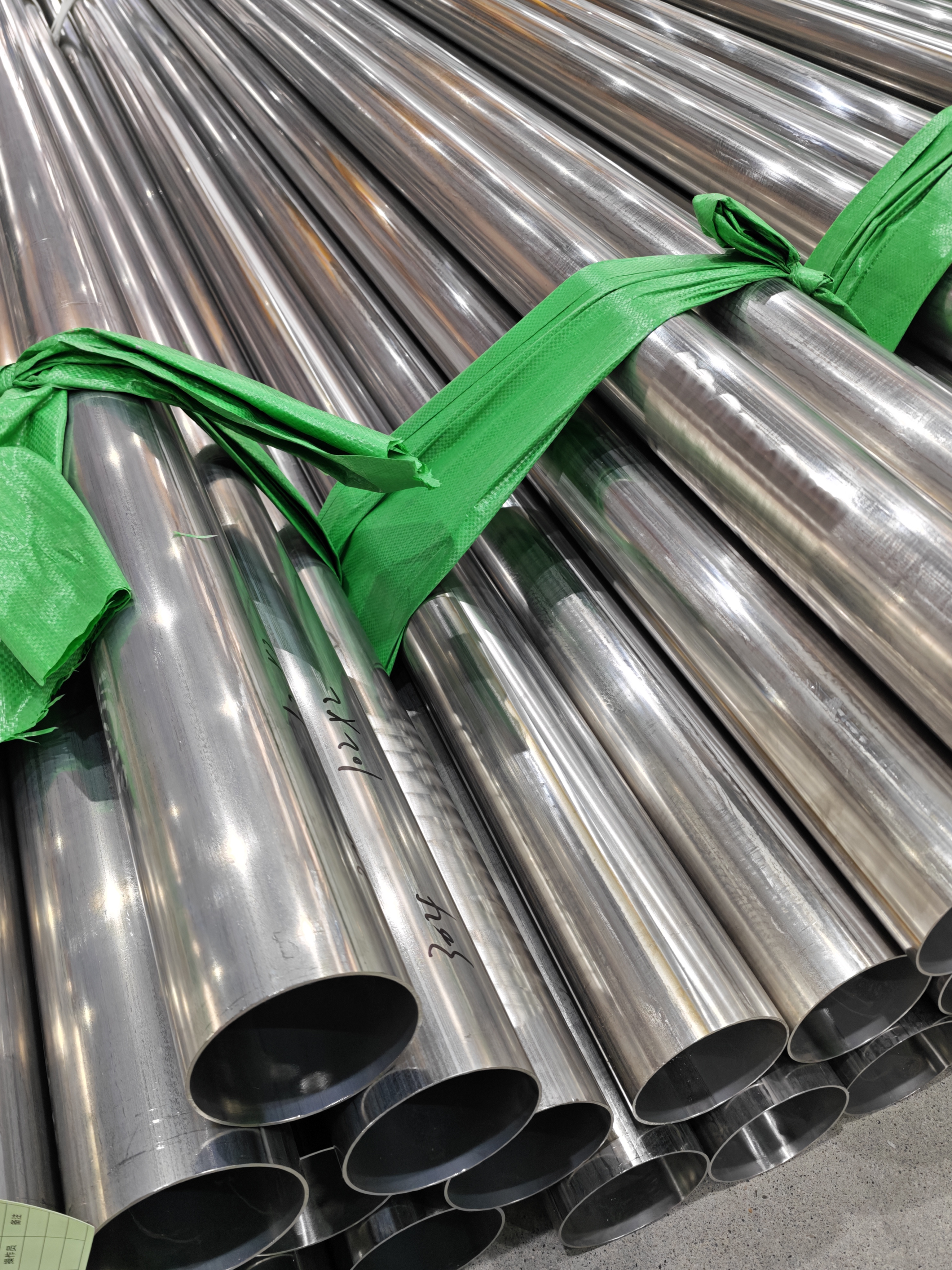
Stainless steel 316L është një nga gradat më të përdorura të çelikut të pakorrozueshëm austenitik në aplikimet industriale dhe inxhinierike në të gjithë botën. Kuptimi i përbërjes së çelikut të pakorrozueshëm 316L është themelor për zgjedhjen e materialit të duhur për mjediset që kërkojnë rezistencë të jashtëzakonshme ndaj korrozionit, fortësi mekanike dhe besueshmëri të gjatë kohore. Kjo grada ka fituar reputacionin e saj përmes dekadash të performancës së provuar në fabrikat e përpunimit kimik, pajisjet marine, prodhimin farmaceutik dhe aplikimet strukturore kritike ku integriteti i materialit nuk mund të komprometohet. Përbërja e këtij ligaturi përcakton drejtpërdrejt vetitë unike të tij, duke bërë të domosdoshme që inxhinierët, specialistët e blerjeve dhe fabricuesit të kuptojnë saktësisht cilat elemente kontribuojnë në karakteristikat e tij të jashtëzakonshme të performancës.
Rëndësia e përbërjes së çelikut të pakorrozueshëm 316L shtrihet jashtë thjeshtë interesit metalurgjik—ajo përfaqëson bazën e vendimeve kritike të zgjedhjes së materialeve që ndikojnë në përdorimin e gjatë të pajisjeve, sigurinë operative dhe kostot totale të ciklit të jetës. Secili element i aleuajtës luajnë një rol të saktë në krijimin e vetive sinergjike që dallon 316L nga grade të tjera të çelikut të pakorrozueshëm. Përmbajtja e ulët e karbonit, përqindja e rritur e molibdenit dhe raporti i balancuar krom-nikel punojnë bashkë për të ofruar rezistencë ndaj korrozionit më të lartë se grade të zakonshme austenitike, duke ruajtur në të njëjtën kohë ngjitshmërinë dhe formueshmërinë të shkëlqyeshme. Ky artikull eksploron përbërjen elementare të detajuar të 316L, shpjegon pse çdo komponent ka rëndësi dhe tregon se si kjo përbërje përkthehet në avantazhe praktike në sektorë të ndryshëm industrialë.
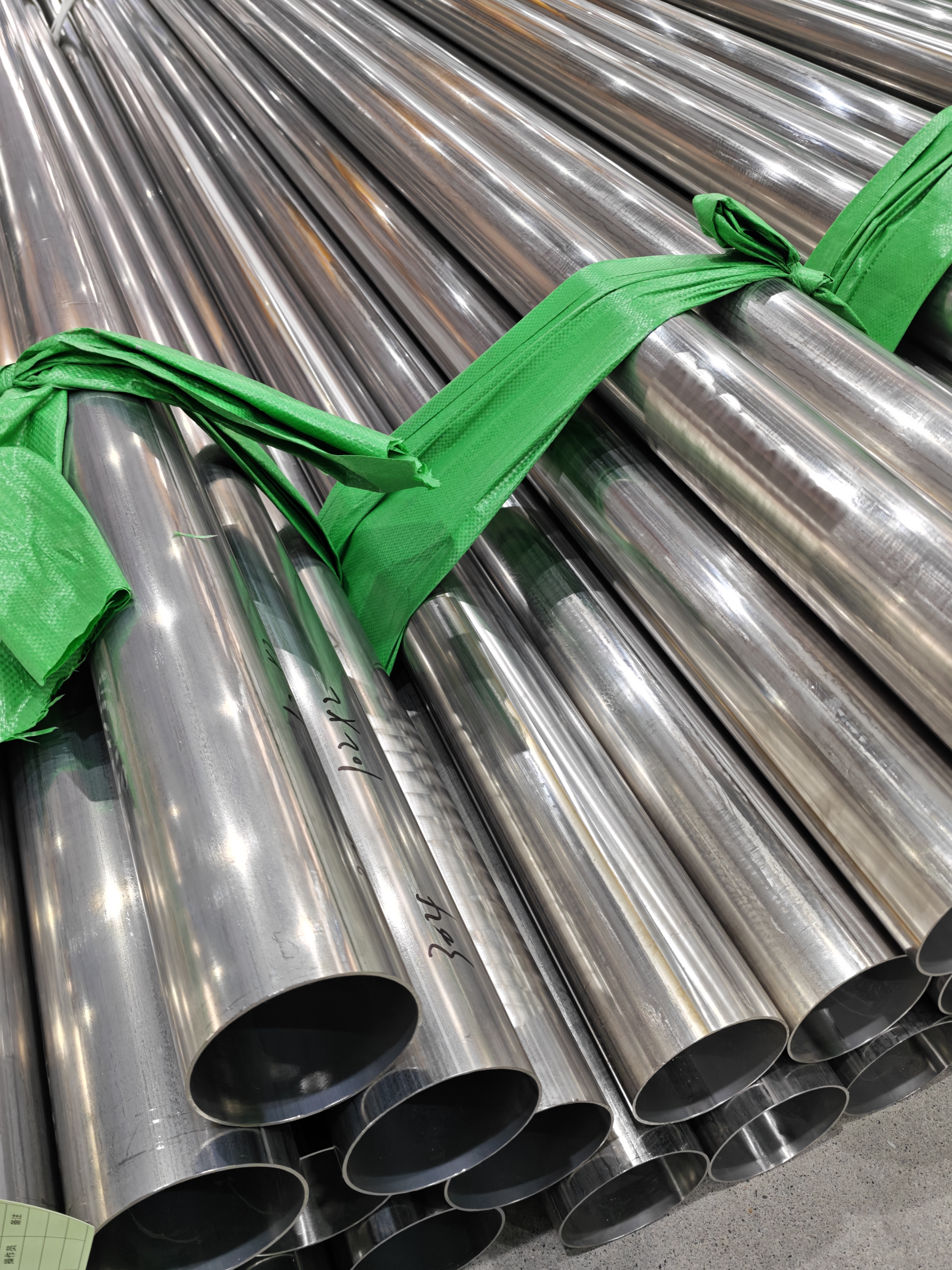
Elementët Esencialë në Përbërjen e Çelikut të Pakorrozueshëm 316L
Përmbajtja e Kromit dhe Vetitë e Pasivizimit
Kromi shërben si elementi kryesor i përgjegjës për rezistencën ndaj korrozionit në përbërjen e çelikut të pakorrozueshëm 316L, i cili zakonisht është i pranishëm në koncentrime midis 16 dhe 18 përqind nga peshë. Ky element formon një shtresë të hollë dhe të qartë oksidi kromi në sipërfaqen e materialit përmes një procesi të quajtur pasivizim, i cili vepron si një pengesë mbrojtëse kundër oksidimit dhe sulmit kimik. Shtresa e pasivizimit riregjenerohet vazhdimisht kur dëmtohet, me kusht që të ketë në dispozicion sasi e mjaftueshme oksigjeni, duke krijuar një mekanizëm vetë-shërues që ruan mbrojtjen ndaj korrozionit gjatë tërë jetës së përdorimit të materialit. Në përbërjen specifike të 316L, përqindja e kromit është e balancuar me kujdes për të siguruar formimin e fortë të filmi pasiv pa komprometuar vetitë mekanike të tjera apo duke rritur brishtësinë e materialit.
Përmbajtja e kromit në përbërjen e çelikut të pakorrozueshëm 316L vepron në mënyrë sinergjike me elementet e tjera aleuajuese për të përmirësuar rezistencën e përgjithshme ndaj korrozionit mbi atë që kromi vetëm mund të arrijë. Ky efekt bashkëpunues bëhet veçanërisht i rëndësishëm në mjedise të pasura me kloridë, ku çelikët e zakonshëm të pakorrozueshëm mund të vuajnë nga korrozioni i pikave ose i shiritave. Prania e kromit në sasi të mjaftueshme siguron që materiali ruajë shtresën e tij mbrojtëse oksidike edhe nën kushtet e cikleve termike, stresit mekanik ose ekspozimit ndaj solucioneve lehtësisht acide. Specifikimet e inxhinierisë për aplikime kritike shpesh verifikojnë përmbajtjen e kromit përmes analizës spektroskopike për të siguruar që konzistenca nga partia në partinë tjetër plotëson standardet e kërkuara të performancës.
Shtimi i niklit për Stabilitetin Austenitik
Nikeli përbën rreth 10 deri në 14 përqind të përbërjes së çelikut të pakorroziv 316L dhe luajnë një rol thelbësor në stabilizimin e strukturës kristalore austenitike në temperaturën e dhomës dhe në gjithë intervalin e zakonshëm të temperaturave operative. Kjo strukturë austenitike i jep materialit ductilitet, qëndrueshmëri dhe aftësi formimi shumë të mira në krahasim me grade të tjera çeluri të pakorroziv ferritik ose martensitik. Përmbajtja e nikelit kontribuon gjithashtu në mënyrë të konsiderueshme në rezistencën ndaj korrozionit në mjedise reduktuese dhe përmirëson aftësinë e materialit për t’u mbrojtur nga ciklet e zgjerimit dhe tkurrjes termike pa degradim strukturor. Intervali specifik i nikelit në 316L është optimizuar për të ruajtur stabilitetin austenitik pa rritur pa nevojë kostot e materialit apo duke ndikuar negativisht në aftësinë e ngjitjes.
Përtej stabilizimit strukturor, nikelu në përbërjen e çelikut të pakorrozueshëm 316L përmirëson rezistencën ndaj çarjeve korrozive të shkaktuara nga stresi në mjedise me kloridë, një mënyrë dëmtimi që mund të komprometojë katastrofalisht integritetin e pajisjeve. Struktura austenitike e promovuar nga nikelu garanton gjithashtu që materiali të mbetet jo-magnetik në shumicën e kushteve, gjë e domosdoshme për aplikime të caktuara elektronike, mjekësore dhe shkencore. Prodhuesit vlerësojnë faktin se përmbajtja adekuate e nikeli ruan vetitë mekanike në një gamë të gjerë temperaturash, nga kushtet kriogjenike deri te temperaturat e shfrytëzimit moderisht të larta. Kjo shumëfunksionalitet bën që 316L të jetë i përshtatshëm për aplikime që variojnë nga depozitimi i gazit të likuiduar deri te pjesët e ndërnxehësve ku ndryshimet e temperaturës ndodhin rregullisht.
Përmirësimi me Molibden për Rezistencë ndaj Shkëputjes
Molibdeni përfaqëson veçorinë dalluese të përbërjes së çelikut të pakorrozueshëm 316L në krahasim me çelikun e pakorrozueshëm bazik të shkallës 304, i cili është i pranishëm në koncentrime midis 2 dhe 3 përqind. Ky element rrit dramatikisht rezistencën ndaj korrozionit të pikave dhe korrozionit të fisureve, veçanërisht në mjedise që përmbajnë kloridë, si p.sh. uji i kripur, uji i kripur-gjysmë, dhe lëngjet e përpunimit kimik që përmbajnë halogjenure. Molibdeni arrin këtë efekt mbrojtës duke stabilizuar filmin pasiv dhe duke rritur potencialin e shkatërrimit të nevojshëm për të nisur korrozionin lokal. Shtimi i molibdenit zgjeron thelbësisht zonën e sigurt të funksionimit për çelikun e pakorrozueshëm në mjedise agresive ku shkallat e zakonshme austenitike do të dështonin parakohësisht.
Prania e molibdenit në përbërjen e çelikut të pakorrozueshëm 316L përmirëson gjithashtu fortësinë në temperaturë të lartë dhe rezistencën ndaj shpërndarjes, duke lejuar që materiali të ruajë stabilitetin e tij dimensional nën ngarkesa mekanike të vazhdueshme në temperatura të larta. Kjo karakteristikë është e vlefshme në aplikime si sistemet e avullit me shtypje të lartë, komponentët e reaktorëve kimikë dhe sistemet e shkarkimit, ku duhet të ruhet njëkohësisht rezistenca ndaj korrozionit dhe integriteti mekanik. Përmbajtja e molibdenit ndikon drejtpërdrejt në Numrin Ekuivalent të Rezistencës ndaj Pikave (PREN), një metrikë standarde e përdorur për të krahasuar rezistencën ndaj korrozionit lokal të gradeve të ndryshme të çelikut të pakorrozueshëm. Ata që specifikojnë materiale përdorin shpesh këtë numër kur zgjedhin materiale për aplikime detare, pajisje për desalinizim ose mjedise për përpunim kimik, ku ekspozimi ndaj kloridëve është i pavendosshëm.
Roli Kritik i Përmbajtjes së Ulët të Karbonit
Kufizimi i Karbonit dhe Parandalimi i Precipitimit të Karbidit
Aspekti më i përcaktueshëm i përbërjes së çelikut të pakorrozueshëm 316L është përmbajtja e volitshme e ulët e karbonit, e kufizuar në maksimum 0,03 përqind, krahasuar me gradën standarde 316, e cila lejon deri në 0,08 përqind karbon. Kjo zvogëlim i përmbajtjes së karbonit adreson një fenomen metalurgjik specifik, i quajtur sensitizim, ku karbidet e kromit precipitojnë në kufijtë e grurave gjatë ngjitjes ose ekspozimit në temperatura të larta. Kur këto karbide formohen, ato heqin kromin nga matrica rrethuese, duke krijuar zona të pasura me krom që janë të prekshme nga korrozioni intergranular. Duke kufizuar karbonin në nivele kaq të ulta, 316L eliminon praktikisht këtë rrezik, duke bërë që ai të jetë zgjidhja e preferuar për pjesët e ngjitura dhe aplikimet që përfshijnë ekspozim të gjatë në temperatura në intervalin e sensitizimit, prej 425 deri në 815 gradë Celsius.
Specifikimi i ulët i karbonit në përbërjen e çelikut të pakorrozueshëm 316L ofron avantazhe praktike që shtrihen gjatë tërë ciklit të prodhimit dhe të përdorimit. Fabrikuesit mund të ngjeshin komponentët 316L pa kërkuar një trajtim termik pas ngjeshjes për të rikthyer rezistencën ndaj korrozionit, duke zvogëluar kështu në mënyrë të konsiderueshme kohën dhe koston e fabrikimit. Kjo karakteristikë tregon veçanërisht vlerë kur ndërtohen enë të mëdha, sisteme tubash ose struktura kornizash ku ngrirja pas ngjeshjes do të ishte e papraktikueshme ose ekonomikisht e pamundur. Eliminimi i shqetësimeve të sensitizimit garanton gjithashtu që materiali ruajë rezistencën uniforme ndaj korrozionit në lidhjet e ngjeshura dhe në zonat e prekura nga nxehtësia, duke parandaluar dëmtimin e hershëm që shpesh vërehet në bashkëlidhjet e ngjeshura të çelikëve të pakorrozueshëm me përmbajtje më të lartë karboni kur ekspozohen në mjedise korrozive.
Përmirësimet e Ngjeshshmërisë Përmes Kontrollit të Karbonit
Përmbajtja e kufizuar e karbonit në përbërjen e çelikut të pakorrozueshëm 316L përmirëson dramatikisht aftësinë e ngjitjes duke minimizuar formimin e strukturave martensitike të forta dhe të brishta në zonën e ndikuar nga nxehtësia gjatë operacioneve të ngjitjes. Nivelët më të ulëta të karbonit zvogëlojnë aftësinë e ngurtësimit të ligaturës, duke lejuar që lidhjet e ngjitura të ruajnë strukturën duktile austenitike në tërë zonën e shkrirjes dhe në metalin bazë fqinj. Kjo konzistencë në mikrostrukturë siguron që montimet e ngjitura tregojnë veti mekanike që i përgjigjen ngushtë materialeve origjinale, pa futur pika të dobëta apo zona të brishta që janë të ekspozuara për çarje nën ngarkesat e shfrytëzimit. Përmirësimi i aftësisë së ngjitjes bën që 316L të jetë materiali i preferuar për fabrikimet komplekse që kërkojnë shumë lidhje ngjitje ose për ngjitjen e riparimeve në kushte fushë.
Ekipet e inxhinierisë vlerësojnë karakteristikën e ulët të karbonit të përbërja e çelikut të pashkëlqyeshëm 316L lejon përdorimin e një gamë më të gjerë procesesh dhe parametrash ngjitje pa komprometuar performancën e materialit. Ngjitja me arkë tungsteni me gaz, ngjitja me arkë metalike me gaz dhe madje edhe ngjitja me rezistencë mund të përdoren me sukses me 316L, duke ofruar fleksibilitet në fabrikim që nuk është i mundur me grade me karbon më të lartë. Zvogëlimi i karbonit gjithashtu minimizon shpërthimet gjatë ngjitjes dhe përmirëson qëndrueshmërinë e arkes gjatë ngjitjes, duke kontribuar në formimin e bishtave më të cilësishme ngjitje me më pak defekte. Për industrinë si prodhimi i pajisjeve farmaceutike, makineritë për përpunimin e ushqimeve dhe ndërtimi i ambienteve të pastër, këto avantaje të ngjitshmërisë sigurojnë që sistemet e fabrikuara të plotësojnë standardet e rrepta higjenike, duke ruajtur në të njëjtën kohë integritetin strukturor dhe rezistencën ndaj korrozionit.
Elementët Ndihmës të Ligjërimit dhe Funksionet e Tyre
Mangan për Deoksidim dhe Qëndrueshmëri
Mangani shfaqet në përbërjen e çelikut të pakorrozueshëm 316L me koncentrim deri në 2 përqind, duke kryer funksione të ndryshme metalurgjike që mbështesin karakteristikat e përgjithshme të performancës së ligaturës. Gjatë prodhimit të çelikut, mangani vepron si agjent deoksidues, duke bashkëvepruar me oksigjenin e mbetur për të formuar inkluzionet e oksidit të manganit, të cilat mund të hiqen gjatë hapat e mëvonshëm të procesimit. Kjo funksion deoksidues përmirëson pastërtinë dhe homogjenitetin e produktit final, duke zvogëluar rrezikun e defekteve të lidhura me oksidet, të cilat mund të komprometojnë rezistencën ndaj korrozionit ose vetitë mekanike. Mangani kontribuon gjithashtu në forcimin e zgjidhjes së ngurtë, duke rritur lehtësisht fortësinë në rrëshqitje dhe fortësinë e tundur të ligaturës pa hequr ductilitetin ose qëndrueshmërinë.
Përmbajtja e manganit në përbërjen e çelikut të pakorrozueshëm 316L kontribuon shtesë në stabilitetin e strukturës austenitike, duke vepruar bashkë me nikelin për të ruajtur rrjetën kristalore me qendër në faqe nëpër intervalin e zakonshëm të temperaturave të përdorimit. Ky kontribut strukturor bëhet veçanërisht i rëndësishëm në aplikimet që përfshijnë temperatura kriogjenike, ku stabilizatorët e mjaftueshëm të austenitit mund të lejojnë një transformim pjesësor në faza martensitike të brishtë. Manganit gjithashtu përmirëson tretshmërinë e azotit në matricën e çelikut, duke e bërë të mundur përdorimin e azotit si një element shtesë forcues në disa specifikime të 316L. Ekuilibri i manganit me elementët e tjerë legarë siguron që materiali të arrijë vetitë mekanike optimale, duke ruajtur njëkohësisht karakteristikat e rezistencës ndaj korrozionit, të cilat janë thelbësore për reputacionin e kësaj grade.
Siliconi për rezistencë ndaj oksidimit dhe lëvizshmëri
Siliconi është i pranishëm në përbërjen e çelikut të pakorrozueshëm 316L në nivele deri në 1%, duke kontribuar kryesisht në rezistencën ndaj oksidimit në temperaturat e larta dhe duke përmirësuar rrjedhshmërinë gjatë gjuajtjes së çelikut. Silikoni formon komponime oksidi të qëndrueshme në sipërfaqen e materialit që plotësojnë filmën pasive të oksidit të kromit, duke ofruar mbrojtje të përmirësuar kundër shkallëzimit dhe oksidimit kur komponentët ekspozohen në mjedise me temperaturë të lartë. Kjo karakteristikë është e vlefshme në aplikime si pjesët e furunave, pajisjet për trajtimin termik dhe sistemet e shpërndarjes ku oksidimi termik mund të zvogëlojë cilësinë e sipërfaqes dhe saktësinë dimensionale me kalimin e kohës. Përmbajtja e silikonit kontrollohet me kujdes për të siguruar këto përfitime pa prekur negativisht aftësinë e ngjitjes apo duke stimuluar formimin e fazave intermetalike të brishta.
Gjatë prodhimit të çelikut, silici në përbërjen e çelikut të pakorrozueshëm 316L vepron si agjent deoksidues i ngjashëm me manganin, duke ndihmuar në heqjen e oksigjenit të tretur dhe në përmirësimin e pastërtisë së metalit të shkruar. Ky efekt deoksidues zvogëlon formimin e porozitetit dhe të përfshirjeve oksidike që mund të shërbejnë si vende fillestare për korrozion ose dëmtim mekanik. Silici gjithashtu rrit rezistencën e çelikut të pakorrozueshëm ndaj acidit, veçanërisht ndaj solucioneve të koncentruara të acidit sulfurik dhe acidit nitrik, të cilat hasen zakonisht në operacionet e përpunimit kimik. Prania e silicit në sasi të kontrolluara siguron që 316L ruajë rezistencën e tij karakteristike ndaj korrozionit në një gamë më të gjerë mjedish kimikë sesa do të ishte e mundur vetëm me kromin dhe molibdenin.
Fosfori dhe Sulfuri si Impuritete të Kontrolluara
Fosfori dhe sulfurë shfaqen në përbërjen e çelikut të pakorrozueshëm 316L si elemente reziduale nga materiat e para, me koncentrimet e tyre të kufizuara dëshiruesisht për të minimizuar efektet e mundshme të dëmshme mbi vetitë e materialit. Fosfori zakonisht kufizohet në maksimum 0,045 për qind, pasi nivelet më të larta mund të promovojnë brishtësinë, të zvogëlojnë qëndrueshmërinë dhe të rrisin ndjeshmërinë ndaj korrozionit intergranular. Gjatë ngurtësimit, fosfori tendos të segregohet në kufijtë e grurëve, ku mund të formojë komponime intermetalike të brishta që komprometohen integritetin mekanik. Protokollet e kontrollit të cilësisë për aplikime kritike shpesh specifikojnë kufizime edhe më të ngushta të fosforit për të siguruar rezistencën maksimale ndaj goditjeve dhe qëndrueshmërinë maksimale ndaj thyerjes në ambiente shfrytëzimi të kërkuara.
Përmbajtja e sulfurit në përbërjen e çelikut të pakorrozueshëm 316L është e kufizuar gjithashtu në maksimum 0,03 për qind për të parandaluar formimin e inkluzioneve të sulfidit që mund të shkaktojnë korrozion me pikë ose të zvogëlojnë duktilitetin. Sulfuri bashkohet me manganin gjatë prodhimit të çelikut për të formuar grimca sulfidi mangan që mbeten të bllokuara në matricën e ngurtë të çelikut. Megjithëse shtimet e kontroluara të sulfurit bëhen intencionalisht për të përmirësuar punueshmërinë në grade të çelikut të pakorrozueshëm me punim të lehtë, përbërja standarde e 316L minimizon sulfurin për të prioritetizuar rezistencën ndaj korrozionit dhe ngjitshmërinë në vend të lehtësisë së punimit. Specifikimet materiale për aplikime me korrozion të lartë ose për komponentë strukturorë të rëndësishëm mund të vendosin kufizime edhe më të ashpra për fosforin dhe sulfurin për të siguruar cilësinë dhe besnikërinë më të lartë të materialeve gjatë një jetëgjatësie të zgjatur të përdorimit.
Pse Përbërja e Çelikut të Pakorrozueshëm 316L Ka Rëndësi në Aplikimet Praktike
Përshtatshmëria për Procesimin Kimik dhe për Mjedise Korrozive
Përbërja elementare specifike e çelikut të pakorrozueshëm 316L e bën të papajtueshëm për pajisjet e përpunimit kimik, ku materialeve u duhet të rezistojnë në mënyrë të vazhdueshme ndaj kimikateve korrozive, temperaturave të larta dhe stresit mekanik njëkohësisht. Kombinimi i kromit, niklit dhe molibdenit ofron rezistencë ndaj një spektri të gjerë kimikatash organike dhe inorganike, përfshirë acidet e dobëta, tretësit alkaline dhe lëngjet e procesit që përmbajnë kripëra. Prodhuesit kimikë mbështeten në çelikun 316L për enët reaktori, kolonat e destilimit, ndërruesit e nxehtësisë dhe sistemet e tubave që përdorin mjedise agresive, ku dëmtimi i materialit mund të rezultojë në shkarkime katastrofale, ndërprerje prodhimi ose incidente sigurie. Përbërja e siguron që pajisjet ruajnë integritetin strukturor dhe pastërtinë e sipërfaqes gjatë viteve të shërbimit të kërkuar.
Rëndësia e përbërjes së çelikut të pakorrozueshëm 316L bëhet veçanërisht e dukshme në aplikimet që përfshijnë kimikate që përmbajnë kloridë ose procese të trajtimit të ujërave të ndotura, ku mekanizmat e korrozionit lokal paraqesin kërcënime të vazhdueshme. Përmbajtja e molibdenit adreson specifikisht korrozionin me shpërthime dhe korrozionin në fisure në këto mjedise, duke zgjatuar jetën e pajisjeve shumë më tej se sa mund të arrijnë gradat e zakonshme austenitike. Inxhinierët e procesit që zgjedhin materiale për fabrikat kimike duhet të balancojnë koston fillestare të materialeve me besueshmërinë e gjatëkohëshe dhe shpenzimet e mirëmbajtjes, dhe përbërja e 316L vërteton vazhdimisht vlerën e saj përmes uljes së shkallës së dështimeve dhe zgjatimit të intervaleve të shërbimit. Aftësia për të ruajtur rezistencën ndaj korrozionit edhe në mjedise oksiduese edhe në mjedise reduktuese bën nga 316L një zgjedhje të shumëanshme që thjeshton menaxhimin e inventarit të materialeve dhe standardizon specifikimet në operacionet e ndryshme të përpunimit kimik.
Aplikime Detare dhe Offshore
Uji i detit përfaqëson një nga ambientet më të vështira korrozive për materiale metalike, duke përmbajtur koncentrime të larta kloridi, oksigjen të tretur, organizma biologjikë dhe nivele të ndryshueshme pH që shpejtsojnë mekanizmat e ndryshëm të korrozionit. Përberja e çelikut inox 316L u zhvillua specifikisht për të adresuar këto sfida të korrozionit marin, ku prania e molibdenit ofron rezistencë të përmirësuar ndaj korrozionit të pikave, e cila është e domosdoshme për mbijetesën e gjatë kohore në ekspozim me ujë të kripur. Pjesët e hardware-it marin, boshtet e helikut, pjesët e dekut, komponentët e shpërndarjes së avujve dhe elementët strukturorë në anija dhe platforma offshore përdorin çelikun 316L për shkak të aftësisë së tij të provuar për të rezistuar si korrozionin uniform ashtu edhe atë lokal në kushte ku sipërfaqja është vazhdimisht e lagur ose në zonën e shpërkatjes. Përberja e tij siguron performancë të besueshme gjatë tërë ciklit agresiv të jetës marin pa kërkuar zëvendësim të shpeshtë apo mbulime mbrojtëse të gjerë.
Instalimet offshore për prodhimin e naftës dhe gazit ndeshen me kushte edhe më të rënda se mjediset marine tipike, duke kombinuar korrozivitetin e ujit të detit me shtypje të larta, ekspozimin ndaj hidrokarbureve dhe praninë e sulfidit të hidrogjenit ose dioksidit të karbonit, të cilat mund të shpejtojnë shkallën e korrozionit. Përbërja e çelikut inox 316L ofron një zgjidhje me raport të mirë çmimi-përdorimi për shumë aplikime offshore, ku legurët më eksotikë mund të jenë të panevojshëm, por çeliku i zakonshëm karboni do të dështonte parakohësisht. Sistemet e tubave, pjesët e valvulave, mbulesat e instrumenteve dhe mbështetësit strukturorë të prodhuar nga çeliku 316L sigurojnë dekada shërbimi pa nevojë për mirëmbajtje në këto mjedise të vështira. Përmbajtja e ulët e karbonit është veçanërisht e vlefshme për aplikimet offshore, pasi lejon ngjitjen dhe riparimet në terren pa komprometuar rezistencën ndaj korrozionit, duke zvogëluar sfidat logjistike dhe kostot e lidhura me zëvendësimin e materialeve në vendndodhje të largëta.
Kërkesat e industrisë farmaceutike dhe të përpunimit të ushqimit
Industritë që prodhojnë barna, produkte biologjike dhe ushqime imponojnë kërkesa të rrepta ndaj materialeve që vijnë në kontakt me rrjedhat e procesit, duke kërkuar jo vetëm rezistencë ndaj korrozionit, por edhe mundësinë e pastrimit, sterilizimit dhe mungesën e kontaminimit me metale. Përbërja e çelikut të pakorrozueshëm 316L plotëson këto standarde të kërkuara saktësisht përmes kombinimit të rezistencës së tij ndaj korrozionit, aftësisë për të arritur një përfundim të lëmuar të sipërfaqes dhe rezistencës ndaj agjentëve kimikë të pastrimit dhe cikleve të sterilizimit termik. Reaktorët farmaceutikë, tubat e transferimit sterile, enët e ruajtjes dhe pajisjet e përpunimit mbështeten në çelikun 316L sepse përbërja e tij siguron që sipërfaqet të mbeten inerte dhe të mos lirojnë jone metalike në produkte biologjike të ndjeshme. Ky material i reziston ekspozimeve të përsëritura ndaj solucioneve të pastrimit, sterilizimit me avull dhe kimikateve dezinfektuese pa shfaqur degradim apo rrezik kontaminimi.
Rëndësia e përbërjes së çelikut të pakorrozueshëm 316L në këto aplikime higjenike shtrihet edhe në përputhjen me rregulloret dhe kërkesat e vlerësimit të vendosura nga autoritetet ndërkombëtare të sigurisë së ushqimit dhe të farmacisë. Prodhuesit e pajisjeve duhet të tregojnë se zgjedhjet e materialeve nuk do të komprometohen pastërtinë e produktit apo nuk do të sjellin rreziqe për sigurinë, ndërsa historia e gjatë e përdorimit të suksesshëm i 316L ofron të dhënat dokumentuese të performancës së nevojshme për miratimin rregullator. Rezistenca e përbërjes ndaj korrozionit të pikave dhe të fisureve siguron që sipërfaqet të mos zhvillojnë defekte që mund të strehojnë baktere apo të komprometojnë efikasitetin e pastrimit. Pajisjet e përpunimit të ushqimit për produkte acide, si lëngjet e frutave, prodhimet laktose ose kondimentet, profitojnë veçanërisht nga rezistenca e përmirësuar ndaj korrozionit të siguruar nga përmbajtja e molibdenit në 316L, duke garantuar jetëgjatësinë e pajisjeve duke ruajtur kushtet sanitare esenciale për sigurinë e konsumatorëve.
Specifikimi i Materialit dhe Verifikimi i Cilësisë
Standardet që Rregullojnë Kërkesat për Përbërjen
Shumë standarde ndërkombëtare përcaktojnë intervalet e lejuara të përbërjes për çelikun antikorroziv 316L, duke siguruar konzistencën dhe cilësinë nëpër zinxhirët globalë të furnizimit, ndërkohë që ofrojnë inxhinierëve specifikime të besueshme materiale për qëllime dizajni. ASTM A240 dhe ASME SA-240 rregullojnë produkte në formë pllakësh, fletash dhe shiritash në Amerikën e Veriut, ndërsa EN 10088 dhe standardet ekuivalente ISO ofrojnë specifikimet për tregjet evropiane dhe ndërkombëtare. Këto standarde specifikojnë jo vetëm intervalet e lejuara për elementët kryesorë aleuazhë, por vendosin edhe kufijtë maksimalë për elementët reziduale dhe impiutitetet që mund të dëmtojnë performancën. Kuptimi i mënyrës se si këto standarde përcaktojnë përbërjen e çelikut antikorroziv 316L i mundëson profesionistëve të blerjes të shkruajnë specifikime të qarta dhe të verifikojnë se materialet e furnizuara plotësojnë kërkesat e aplikimit.
Secili standard i përgjithshëm mund të lejojë variacione të vogla në gamat e përbërjes së pranueshme, duke reflektuar praktikat e ndryshme të prodhimit rajonal ose kërkesat e veçanta të aplikimit. Për shembull, disa specifikime lejojnë përmbajtje pak më të larta azoti për të përmirësuar fortësinë, ndërsa të tjera vendosin kufi më të ngushtë për sulfurin për rezistencë më të mirë ndaj korrozionit në aplikime kritike. Inxhinierët përgjegjës për zgjedhjen e materialeve duhet të kontrollojnë me kujdes standardin e veçantë që vlen për projektin e tyre dhe të verifikojnë se specifikimi i zgjedhur përputhet me kushtet e shfrytëzimit dhe pritjet e performancës. Certifikatat e provave të fabrikës që shoqërojnë dërgesat e materialeve dokumentojnë përbërjen kimike aktuale të çdo ngrohjeje prodhimi, duke i mundësuar përdoruesve përfundimtarë të verifikojnë përputhjen me standartet e specifikuara dhe të ruajnë gjurmueshmërinë në tërë zinxhirin e furnizimit, nga prodhimi i çelikut deri në montimin përfundimtar.
Metodat Analitike për Verifikimin e Përbërjes
Verifikimi i përbërjes së vërtetë të çelikut antigropull 316L kërkon teknika analitike të sofistikuara që janë në gjendje të matin me saktë koncentrimet elementare në intervalin e specifikuar. Spektroskopia optike e emisionit paraqet metodën më të përdorur nga fabrikat e çelikut dhe laboratorët e testimit, duke përdorur gjatësitë e valëve karakteristike të dritës që lëshohen nga atomët e ngjallur për të sasinë e koncentrimit të secilit element të pranishëm. Kjo teknikë ofron një analizë të shpejtë dhe të saktë të të gjitha elementeve kryesore aleu dhe të shumicës së elementeve reziduale, duke lejuar kontrollin e cilësisë në kohë reale gjatë prodhimit të çelikut dhe testimet e verifikimit në produktet përfundimtare. Analizatorët portativë të flourescencës me rreze X ofrojnë mundësi verifikimi në fushë, duke lejuar inspektuesve të cilësisë të konfirmojnë klasat e materialeve në fabrikat e montimit ose në vendet e ndërtimit pa dërguar mostrat në laboratorë të jashtëm.
Për aplikime kritike që kërkojnë saktësi analitike maksimale ose kur hetohen probleme të performancës së materialeve, mund të përdoren teknika më të përparuara, si spektroskopia me plazmë të lidhur induktivisht ose spektroskopia e absorbimit atomik, për të verifikuar përbërjen e çelikut të pakorrozueshëm 316L me saktësi edhe më të lartë. Këto metoda vërtetohen veçanërisht të vlefshme kur maten elemente gjurmash në koncentrime shumë të ulta ose kur zgjidhen mosmarrëveshje rreth përputhshmërisë së materialit me specifikimet. Analizatorët e karbonit dhe të sulfurit, që përdorin metoda djegie dhe zbulimi me infra të kuqe, kuantifikojnë specifikisht këto elemente me saktësinë e nevojshme për të dalluar 316L-në nga shkalla standarde 316, bazuar në kërkesën për karbon të ulët. Programet e sigurimit të cilësisë për aplikime me besueshmëri të lartë përfshijnë shpesh metoda analitike të shumta si masa verifikimi redundante, duke siguruar që përbërja e materialit plotësojë vazhdimisht specifikimet rigorozë gjatë realizimit të projektit.
Pyetje të shpeshta
Çfarë e bën përbërjen e 316L të ndryshme nga çeliku inox standard 316?
Ndryshimi kryesor i përbërjes midis 316L dhe çelikut inox standard 316 është në përmbajtjen e karbonit, ku 316L ka një limit maksimal prej 0,03% karboni, ndërsa në 316 lejohet deri në 0,08% karboni. Ky nivel më i ulët i karbonit eliminon rrezikun e precipitimit të karbidit të kromit gjatë ngjitjes ose kur ekspozohet në temperatura të larta, duke parandaluar korrozionin intergranular dhe duke eliminuar nevojën e një trajtimi termik pas ngjitjes. Të gjitha tjerat gamë të përbërjeve elementare mbeten praktikisht të njëjta në të dyja gradat, përfshirë kromin, nikelin dhe përmbajtjen karakteristike të molibdenit, e cila dallon legaturat e serisë 316 nga çelikët inox të serisë 304.
Si ndikon përmbajtja e molibdenit në performancën e çelikut inox 316L?
Molibdeni në përbërjen e çelikut të pakorrozueshëm 316L rrit dramatikisht rezistencën ndaj korrozionit të pikave dhe korrozionit të shiritave, veçanërisht në mjedise që përmbajnë kloridë, si uji i detit ose lëngjet e përpunimit kimik. Ky element stabilizon filmën pasive të oksidit të kromit dhe rrit potencialin elektrokimik të nevojshëm për të filluar korrozionin lokal, duke zgjeruar efektivisht zonën e sigurt të funksionimit të materialit në mjedise agresive. Përmbajtja 2–3% e molibdenit në çelikun 316L ofron një rezistencë shumë më të mirë ndaj korrozionit lokal krahasuar me çelikun e pakorrozueshëm të shkallës 304, i cili nuk përmban molibden, duke bërë 316L zgjidhjen e preferuar për aplikime marine, pajisje përpunimi kimik dhe çdo mjedis ku ka ekspozim ndaj kloridëve.
A mund të personalizohet përbërja e 316L për aplikime specifike?
Megjithëse intervalet themelore të përbërjes së çelikut të pakorrozueshëm 316L përcaktohen nga standardet ndërkombëtare për të siguruar konzistencën dhe zëvendësueshmërinë, disa prodhues çeliku ofrojnë përbërje të modifikuara brenda intervaleve të lejuara për të optimizuar veti specifike. Për shembull, azoti mund të shtohet në nivele deri në 0,10 përqind për të rritur fortësinë pa humbur rezistencën ndaj korrozionit, duke krijuar atë që nganjëherë quhet 316LN. Ngjashëm, disa specifikime lejojnë përmbajtje pak më të larta molibdeni afër skajit të sipërm të intervalit standard për të përmirësuar rezistencën ndaj korrozionit pikësor në mjedise marine ose kimike veçanërisht agresive. Këto rregullime të përbërjes duhet të mbeten në pajtim me standardet e materialit të zbatueshme dhe duhet të specifikohen qartë në dokumentet e blerjes, si dhe të verifikohen përmes certifikatave të provave të fabrikës.
Pse është e rëndësishme të kuptohet përbërja e çelikut 316L për operacionet e ngjitjes?
Kuptimi i përbërjes së çelikut të pakorrozueshëm 316L është thelbësor për operacionet e ngjitjes, pasi përmbajtja e ulët e karbonit ndikon drejtpërdrejt në vetitë e metalit të ngjitjes, karakteristikat e zonës së prekur nga nxehtësia dhe rrezikun e korrozionit të lidhur me ngjitjen. Nivel i kufizuar i karbonit në 316L parandalon sensitizimin gjatë ngjitjes, duke eliminuar precipitimine e karbidit të kromit që do të krijonte zonash të ndjeshme ndaj korrozionit pranë bishtave të ngjitjes. Kjo karakteristikë përbërëse lejon prodhuesit të ngjiten komponentët 316L pa nevojën e një trajtimi termik pas ngjitjes, duke ruajtur rezistencën uniforme ndaj korrozionit në tërë montazhin e ngjitur. Procedurat e ngjitjes, zgjedhja e metali të mbushjes dhe masat e kontrollit të cilësisë duhet të marrin në konsiderim përbërjen specifike të 316L, që strukturat e prodhuara të arrijnë potencialin e plotë të performancës që ofron kimia e materialit.
Përmbajtja
- Elementët Esencialë në Përbërjen e Çelikut të Pakorrozueshëm 316L
- Roli Kritik i Përmbajtjes së Ulët të Karbonit
- Elementët Ndihmës të Ligjërimit dhe Funksionet e Tyre
- Pse Përbërja e Çelikut të Pakorrozueshëm 316L Ka Rëndësi në Aplikimet Praktike
- Specifikimi i Materialit dhe Verifikimi i Cilësisë
- Pyetje të shpeshta