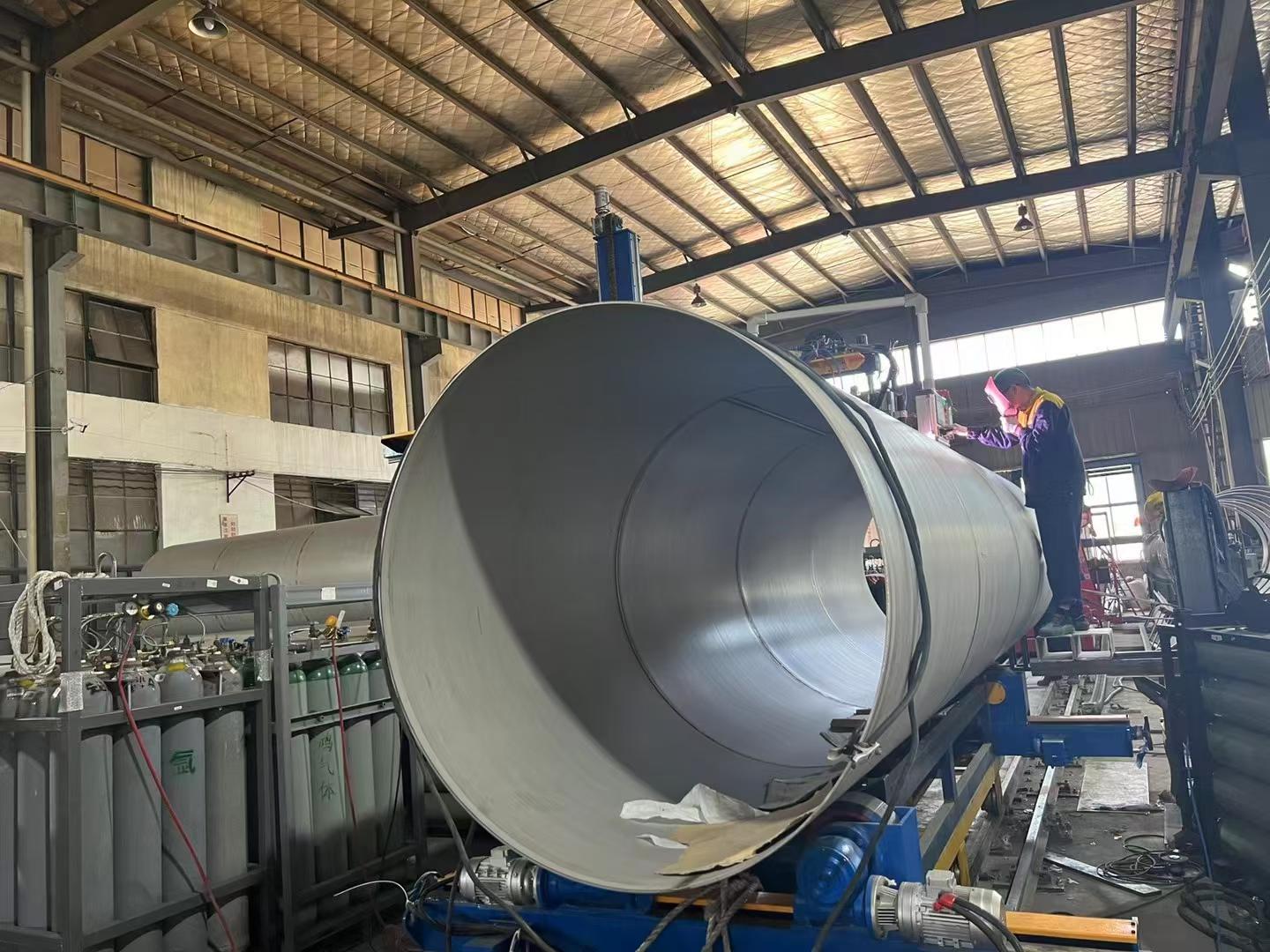
boiler tube seal welding
Boiler tube seal welding represents a critical industrial process designed to create permanent, pressure-resistant seals on boiler tubes and pipe connections. This specialized welding technique ensures that boiler systems operate safely and efficiently under extreme temperature and pressure conditions. Boiler tube seal welding combines advanced metallurgical knowledge with precision execution to deliver reliable performance in power generation, manufacturing, and heating applications.
The primary function of boiler tube seal welding is to eliminate potential leakage points while maintaining structural integrity under demanding operational environments. This process involves joining tube components with specialized welding methods that create hermetic seals, preventing fluid loss and ensuring system efficiency. Boiler tube seal welding employs state-of-the-art technologies including automated welding systems, real-time quality monitoring, and advanced material compatibility protocols.
Technologically, boiler tube seal welding utilizes multiple approaches such as TIG welding, plasma arc welding, and laser welding techniques. These methods allow technicians to achieve precise fusion between tube materials while controlling heat input to prevent distortion and material degradation. The process requires strict adherence to industry standards and certification requirements, ensuring every boiler tube seal welding operation meets rigorous safety specifications.
Applications for boiler tube seal welding span across various industries including power plants, chemical manufacturing, petrochemical facilities, and commercial heating systems. Whether addressing maintenance needs or constructing new boiler systems, boiler tube seal welding provides essential solutions that extend equipment lifespan and enhance operational reliability throughout industrial settings.
 EN
EN