Premium Welded Stainless Boiler Tubing - Industrial Grade Heat Exchange Solutions

All Categories

Get a Free Quote

Our representative will contact you soon.
Email
Mobile/WhatsApp
Name
Company Name
Message
0/1000

welded stainless boiler tubing

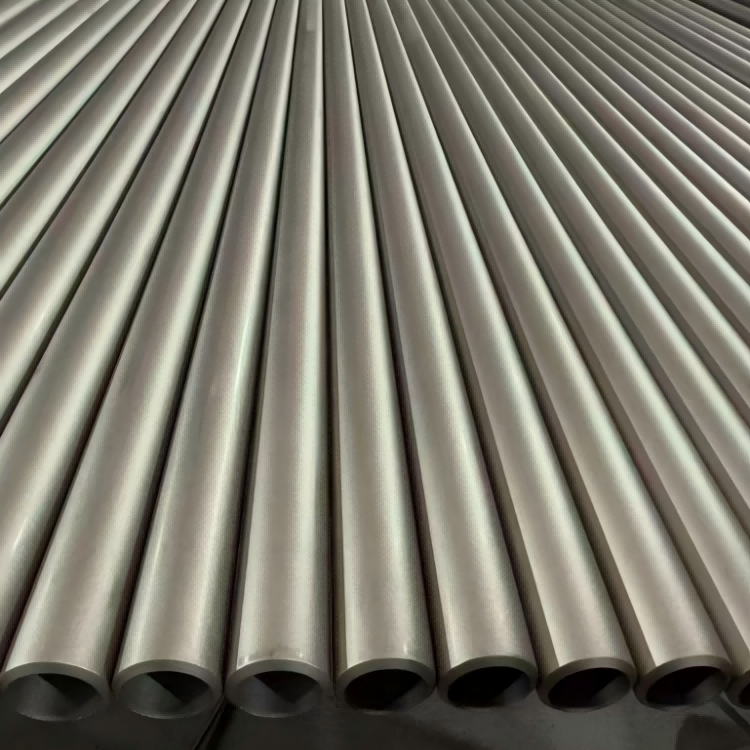
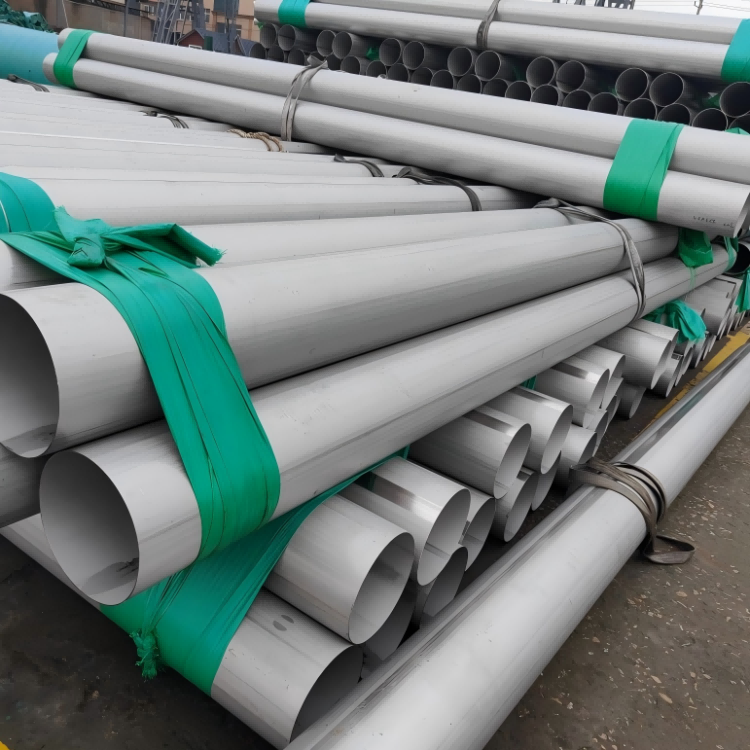
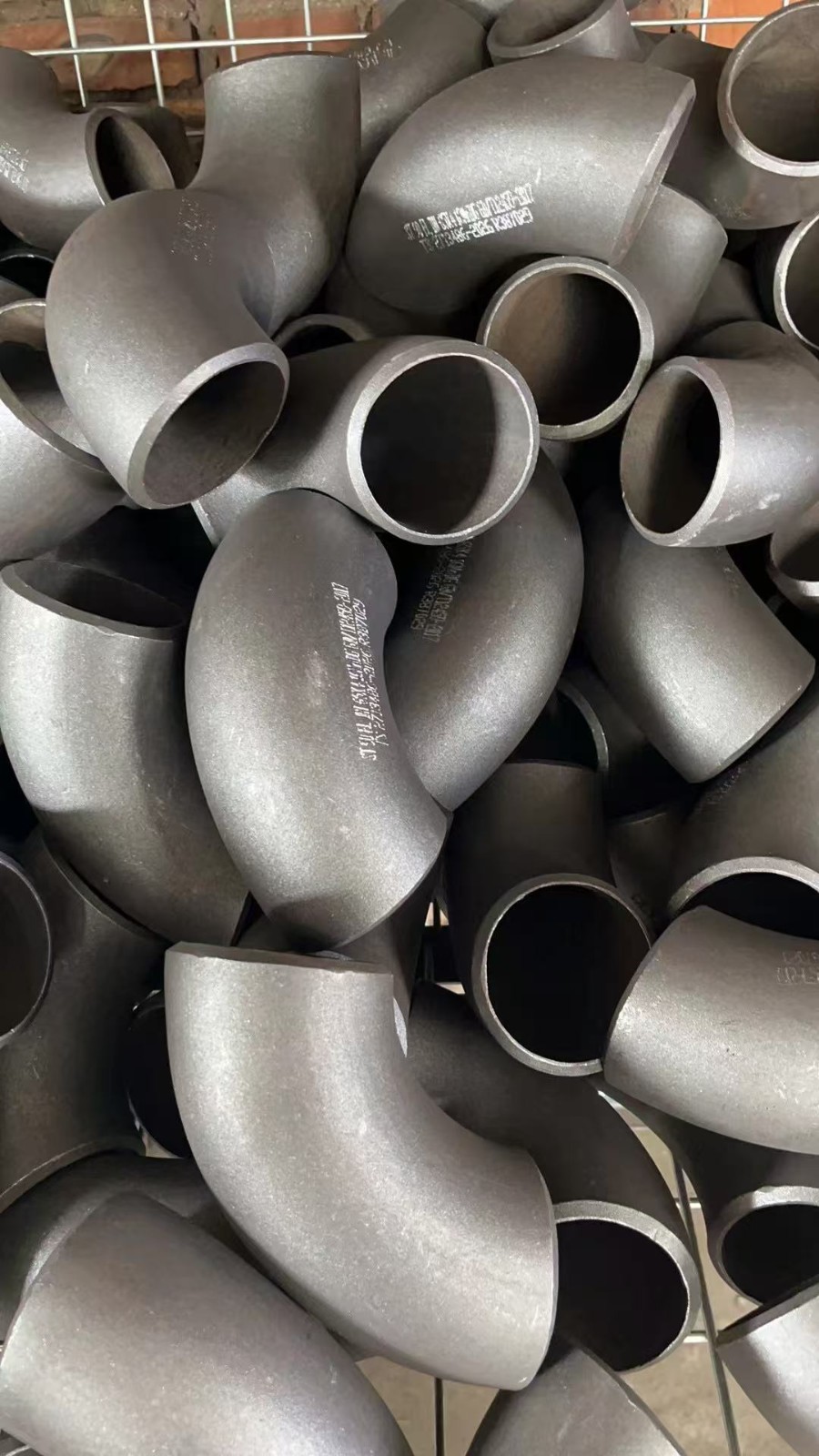
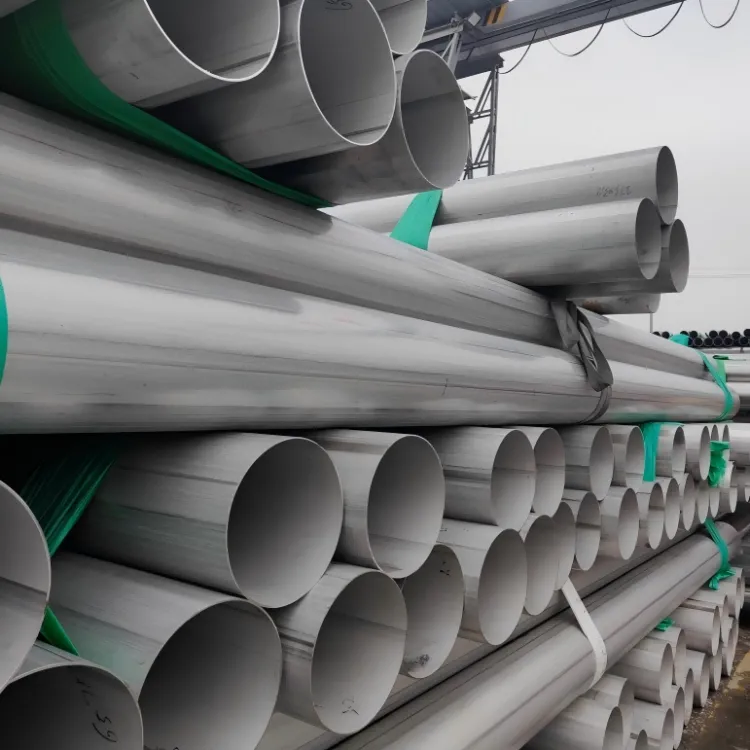
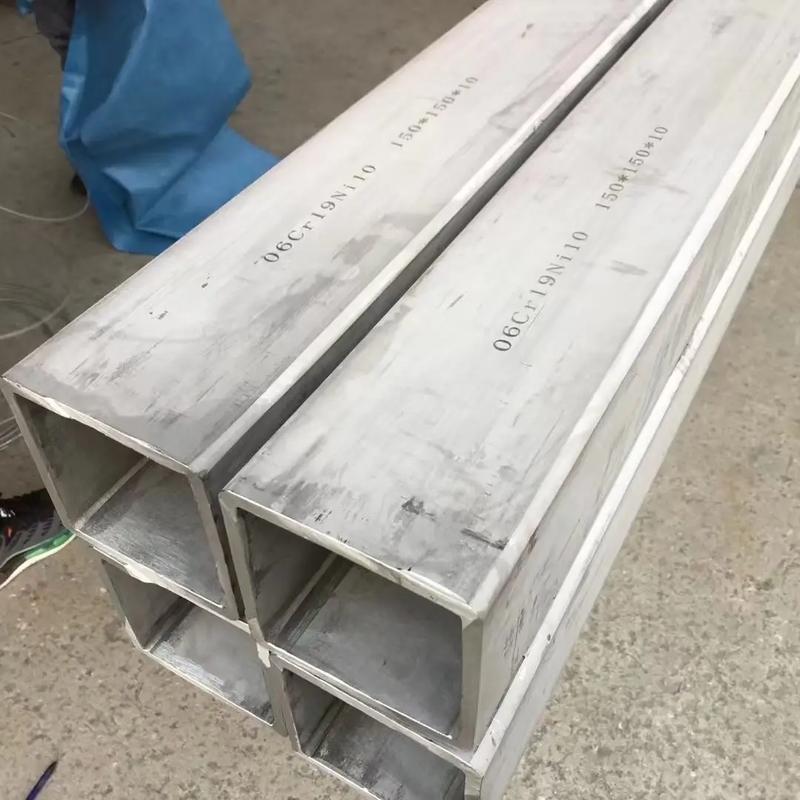
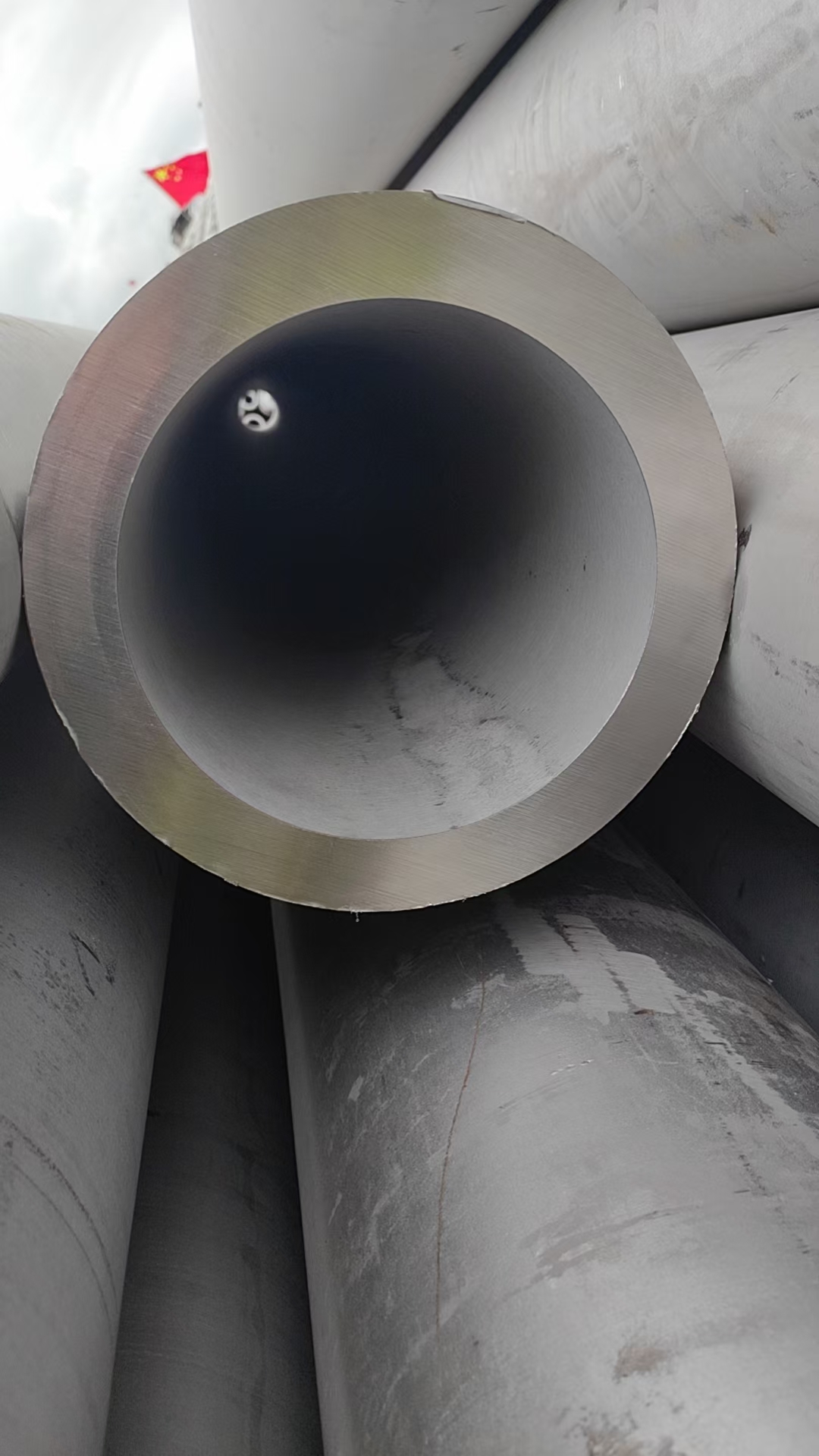
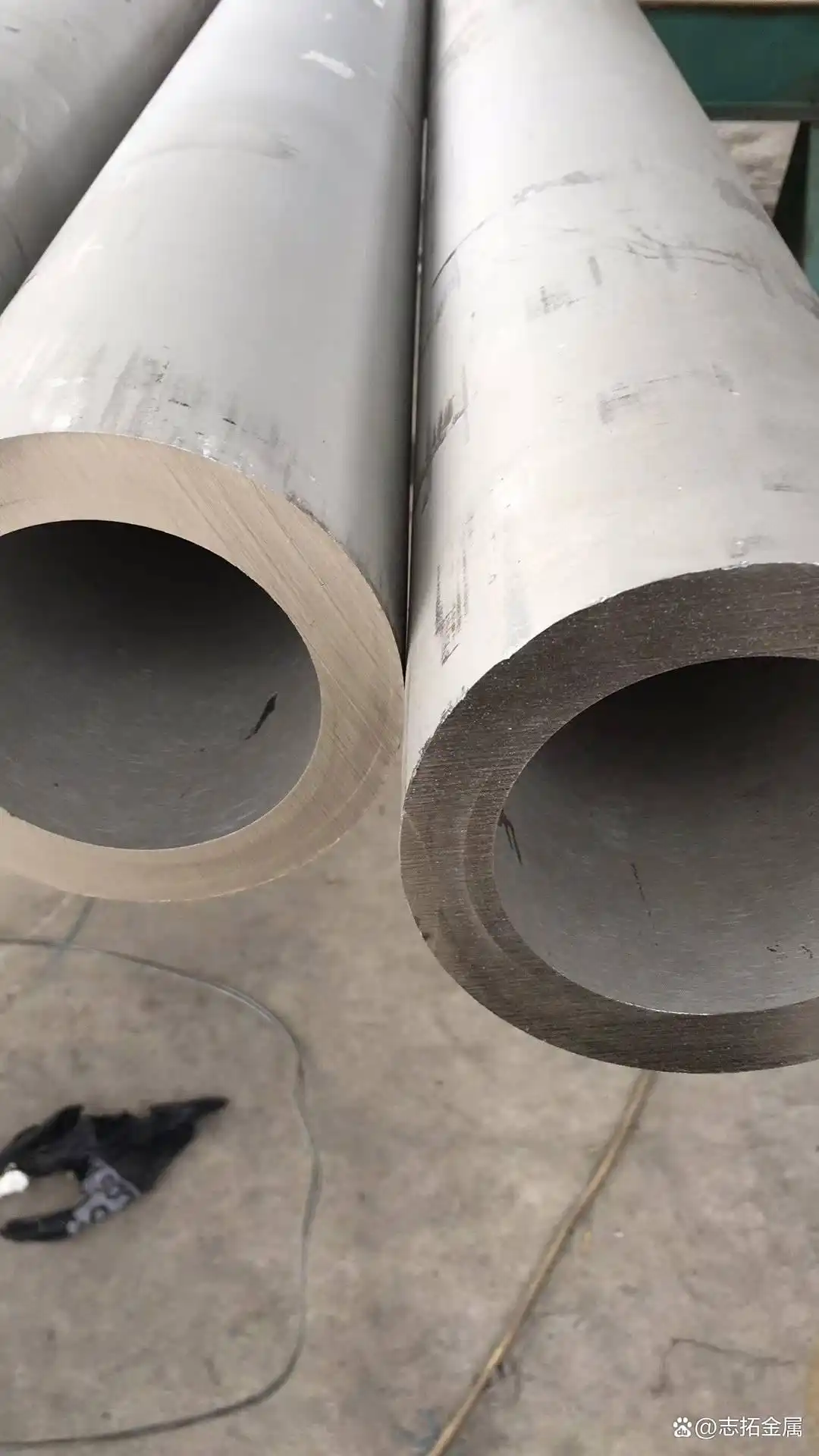
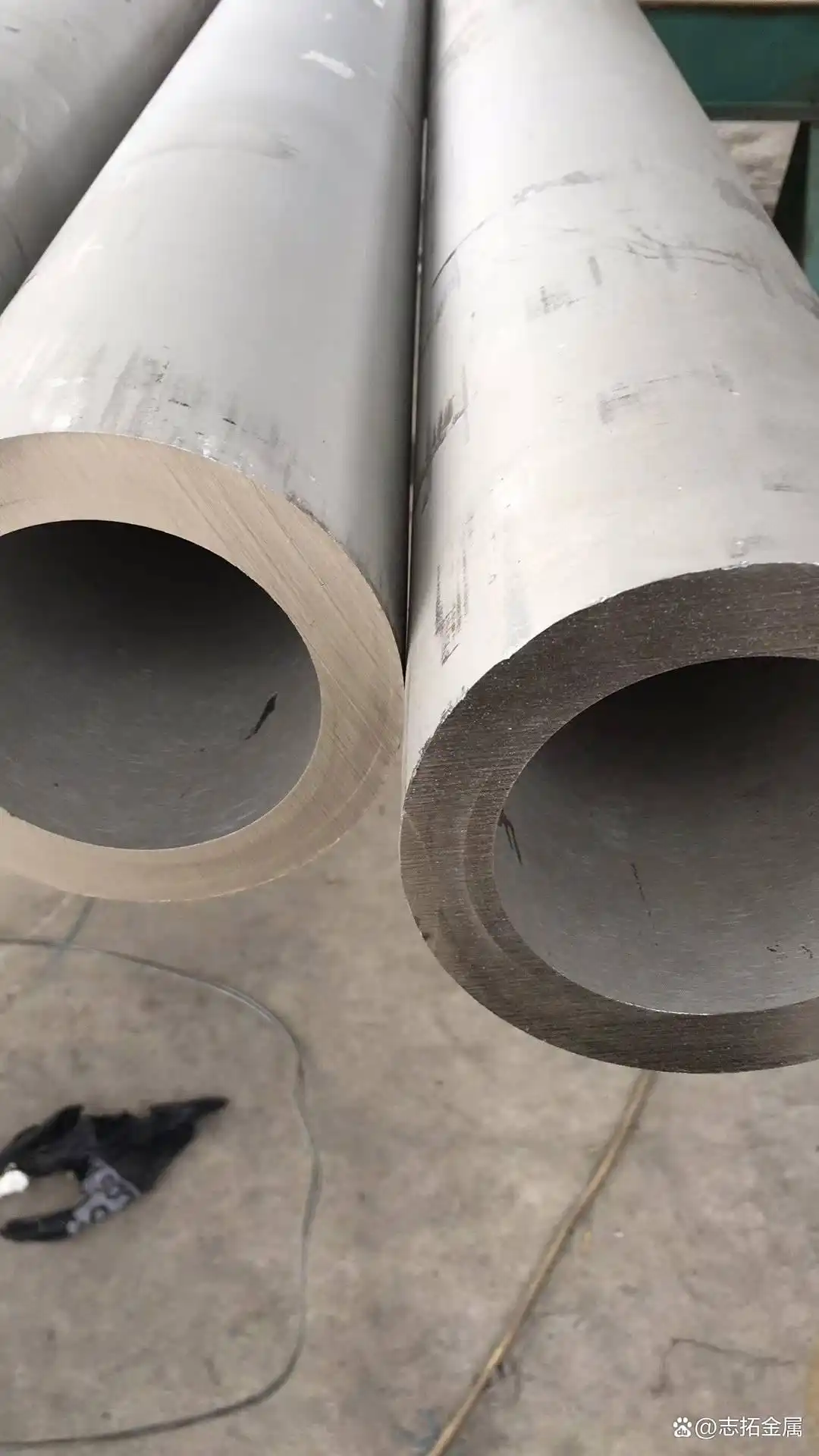
Welded stainless boiler tubing represents a critical component in modern industrial heating systems, designed specifically to handle high-temperature and high-pressure applications with exceptional reliability. This specialized tubing consists of stainless steel materials that undergo precise welding processes to create seamless joints capable of withstanding extreme operating conditions. The primary function of welded stainless boiler tubing involves facilitating the safe transport of steam, hot water, and other heated fluids throughout boiler systems while maintaining structural integrity under demanding thermal stress. These tubes serve as the backbone of heat exchangers, steam generators, and various heating applications across multiple industries. The technological features of welded stainless boiler tubing include advanced metallurgical composition that provides superior corrosion resistance, enhanced thermal conductivity, and exceptional durability. Manufacturing processes incorporate state-of-the-art welding techniques that ensure consistent wall thickness, precise dimensional accuracy, and optimal surface finish. The stainless steel composition typically features chromium content exceeding 10.5 percent, which forms a protective oxide layer preventing oxidation and corrosion. Additional alloying elements such as nickel, molybdenum, and titanium enhance specific properties like strength, ductility, and temperature resistance. Applications for welded stainless boiler tubing span across power generation facilities, chemical processing plants, petroleum refineries, food processing operations, pharmaceutical manufacturing, and marine installations. These tubes excel in environments where conventional materials fail due to aggressive chemicals, extreme temperatures, or corrosive atmospheres. The versatility of welded stainless boiler tubing makes it suitable for both low-pressure heating systems and high-pressure industrial boilers operating at temperatures exceeding 600 degrees Celsius. Modern manufacturing standards ensure these tubes meet stringent quality requirements including ASME, ASTM, and international specifications for pressure vessel applications.

New Product Releases

Welded stainless boiler tubing offers numerous practical benefits that make it the preferred choice for industrial heating applications. The most significant advantage lies in its exceptional corrosion resistance, which dramatically extends equipment lifespan and reduces maintenance requirements. Unlike carbon steel alternatives that suffer from rust and oxidation, welded stainless boiler tubing maintains its structural integrity even when exposed to moisture, chemicals, and varying temperatures for extended periods. This corrosion resistance translates into substantial cost savings over the equipment's operational life, as replacement frequencies decrease significantly. The superior thermal efficiency of welded stainless boiler tubing enhances overall system performance by facilitating optimal heat transfer rates. The smooth internal surface finish reduces friction losses and prevents scale buildup, ensuring consistent flow rates and maintaining thermal conductivity throughout the system's operational life. This efficiency improvement results in lower energy consumption and reduced operational costs for facility managers. Installation flexibility represents another major advantage, as welded stainless boiler tubing can be fabricated into complex configurations without compromising structural strength. The material's excellent formability allows for custom shapes, bends, and connections that accommodate unique system requirements. This adaptability reduces installation time and labor costs while ensuring optimal system layout. Safety benefits include the material's ability to withstand extreme pressure variations without catastrophic failure. The ductile properties of stainless steel provide warning signs through deformation before complete failure, unlike brittle materials that may fail suddenly. This characteristic enhances operational safety and allows for preventive maintenance scheduling. Environmental advantages include the material's recyclability and low environmental impact during production and disposal. Welded stainless boiler tubing contains no toxic coatings or treatments that could leach into surrounding environments. The long service life reduces waste generation and resource consumption compared to shorter-lived alternatives. Economic benefits extend beyond initial cost considerations to include reduced insurance premiums due to improved safety profiles, lower maintenance labor requirements, and decreased system downtime. The reliability of welded stainless boiler tubing minimizes unexpected failures that can result in costly production interruptions and emergency repairs.

Latest News

Strongwin Stainless Steel Group Achieves ISO 90012015 Certification and AD 2000 Merkblatt Approval

28

Feb

Strongwin Stainless Steel Group Achieves ISO 90012015 Certification and AD 2000 Merkblatt Approval

View More
Strongwin Stainless Steel Group Announces Major Production Capacity Expansion to Meet Growing Global Demand

11

Mar

Strongwin Stainless Steel Group Announces Major Production Capacity Expansion to Meet Growing Global Demand

View More
Strongwin Stainless Steel Group Announces Strategic Partnership with Leading European Engineering Firm

11

Mar

Strongwin Stainless Steel Group Announces Strategic Partnership with Leading European Engineering Firm

View More

Get a Free Quote

Our representative will contact you soon.
Email
Mobile/WhatsApp
Name
Company Name
Message
0/1000

welded stainless boiler tubing

Unmatched Durability and Longevity Performance

Unmatched Durability and Longevity Performance

Welded stainless boiler tubing delivers exceptional durability that far exceeds conventional tubing materials, providing customers with long-term value and operational reliability. The fundamental strength of this tubing system stems from its advanced metallurgical composition, which combines high-grade stainless steel alloys with precision welding techniques to create joints that maintain integrity under extreme conditions. This durability manifests in several critical ways that directly benefit end users. The material's inherent resistance to thermal cycling prevents the fatigue cracking commonly experienced with other materials when subjected to repeated heating and cooling cycles. Industrial facilities operating around-the-clock schedules particularly benefit from this characteristic, as their welded stainless boiler tubing systems continue performing reliably despite constant temperature fluctuations. The superior tensile strength and yield characteristics ensure that tubes maintain their dimensional stability even under maximum operating pressures, preventing dangerous deformations that could compromise system safety. Customers experience significant cost reductions through extended replacement intervals, as properly installed welded stainless boiler tubing systems routinely operate for decades without requiring major overhauls. The welding integrity remains intact throughout the service life, eliminating concerns about joint failure that plague mechanically connected systems. This reliability translates into improved production scheduling predictability, as maintenance windows can be planned well in advance rather than responding to emergency failures. The durability advantage becomes particularly apparent in harsh operating environments where chemical exposure, high humidity, or temperature extremes would rapidly degrade alternative materials. Facilities processing corrosive substances or operating in coastal environments with salt air exposure find that welded stainless boiler tubing maintains its performance characteristics while other materials suffer accelerated deterioration. This durability extends to the tube's surface finish, which resists pitting and crevice corrosion that can create contamination points in sensitive applications.
Superior Heat Transfer Efficiency and Energy Conservation

Superior Heat Transfer Efficiency and Energy Conservation

Welded stainless boiler tubing excels in heat transfer applications through its optimized thermal properties and surface characteristics that maximize energy efficiency while minimizing operational costs. The thermal conductivity profile of stainless steel provides excellent heat transfer rates that ensure efficient energy utilization throughout the system. This efficiency stems from the material's ability to rapidly conduct heat from the heating medium to the fluid being heated, reducing the temperature differential required for effective heat exchange. The smooth internal surface finish of welded stainless boiler tubing prevents the accumulation of scale, deposits, and biological growth that typically reduce heat transfer efficiency over time. Unlike rougher surfaces that create turbulence and flow restrictions, the polished interior maintains laminar flow characteristics that optimize heat exchange while minimizing pressure drops across the system. This surface quality remains consistent throughout the tube's service life, as the stainless steel composition resists the corrosion and pitting that create rough surfaces in other materials. Energy conservation benefits become evident through reduced fuel consumption requirements, as the efficient heat transfer eliminates the need for excessive heating to achieve desired temperatures. Facility managers report energy savings ranging from fifteen to thirty percent compared to less efficient tubing materials, with the exact savings depending on operating conditions and system design. The improved efficiency also reduces greenhouse gas emissions and environmental impact, supporting corporate sustainability initiatives. The thermal mass characteristics of welded stainless boiler tubing provide excellent temperature stability, reducing the frequency of heating cycles and minimizing energy waste during startup and shutdown procedures. This thermal stability proves particularly valuable in applications requiring precise temperature control, such as pharmaceutical manufacturing or food processing operations. The uniform wall thickness achieved through precision welding ensures consistent heat distribution without hot spots or thermal stress concentrations that could compromise system performance.
Exceptional Chemical Resistance and Contamination Prevention

Exceptional Chemical Resistance and Contamination Prevention

Welded stainless boiler tubing provides unparalleled chemical resistance that protects both the tubing system and the fluids being processed, making it essential for applications where purity and contamination prevention are critical. The chromium-rich oxide layer that forms naturally on stainless steel surfaces creates an impermeable barrier against most chemicals, acids, and alkaline solutions encountered in industrial processes. This passive protection layer continuously regenerates itself when damaged, ensuring long-term resistance without requiring external coatings or treatments that might degrade over time. The chemical inertness of welded stainless boiler tubing prevents leaching of metallic ions into processed fluids, maintaining product purity in pharmaceutical, food processing, and beverage production applications. This characteristic eliminates the risk of product contamination that could result in costly batch rejections, regulatory violations, or health safety concerns. The non-reactive surface prevents catalytic reactions that might alter product chemistry or create unwanted byproducts during processing. Industries processing aggressive chemicals benefit from the material's resistance to stress corrosion cracking, a failure mode that affects other materials when exposed to specific chemical environments under tensile stress. The welded joints maintain their integrity even when exposed to chlorides, sulfates, and other corrosive species that rapidly attack conventional materials. This resistance extends to both internal and external surfaces, protecting against atmospheric corrosion in humid or chemically aggressive environments. The smooth surface finish inhibits bacterial growth and biofilm formation, crucial advantages in sanitary applications where microbial contamination must be prevented. The ease of cleaning and sterilization ensures that welded stainless boiler tubing meets strict hygiene standards required in food processing, pharmaceutical manufacturing, and biotechnology applications. Steam sterilization, chemical sanitization, and clean-in-place procedures can be performed without damaging the tube surface or compromising its protective properties. The chemical resistance also extends to cleaning agents and disinfectants, allowing for aggressive cleaning protocols when necessary without fear of material degradation.

Get a Free Quote

Our representative will contact you soon.
Email
Mobile/WhatsApp
Name
Company Name
Message
0/1000