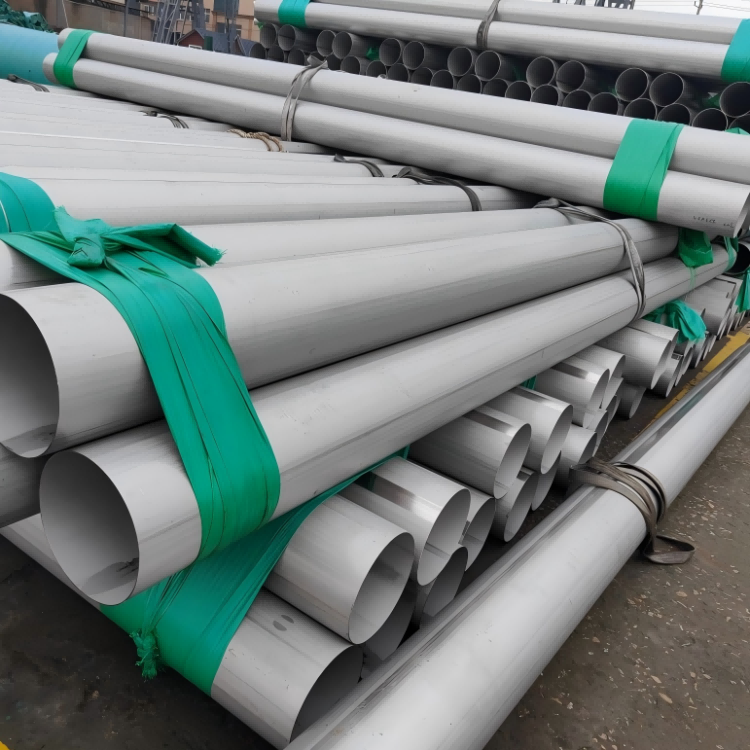
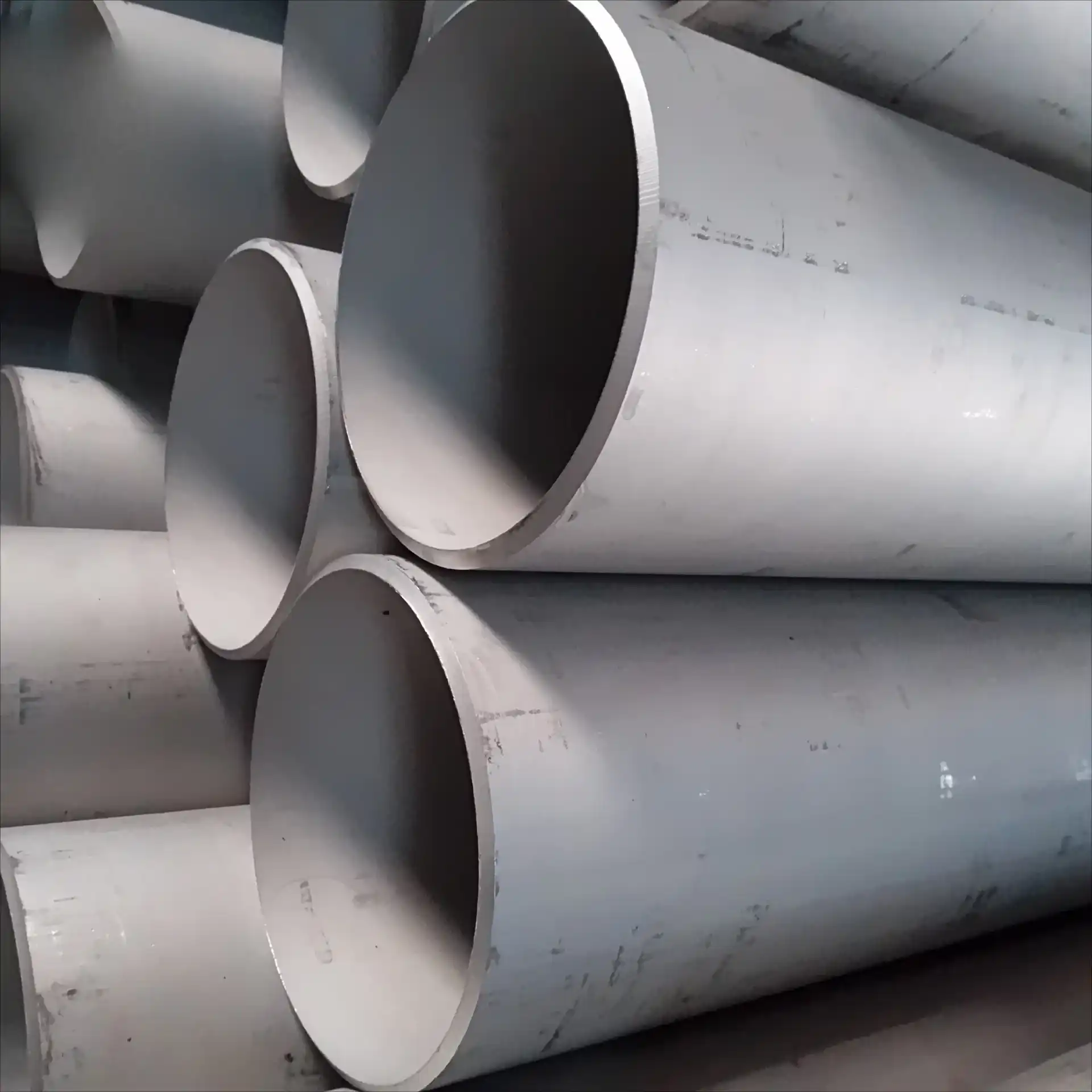
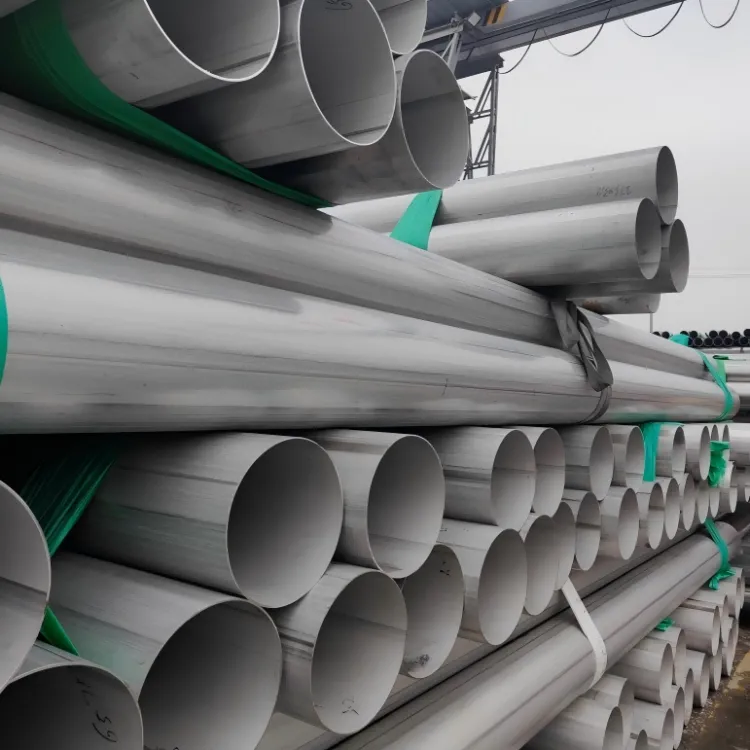
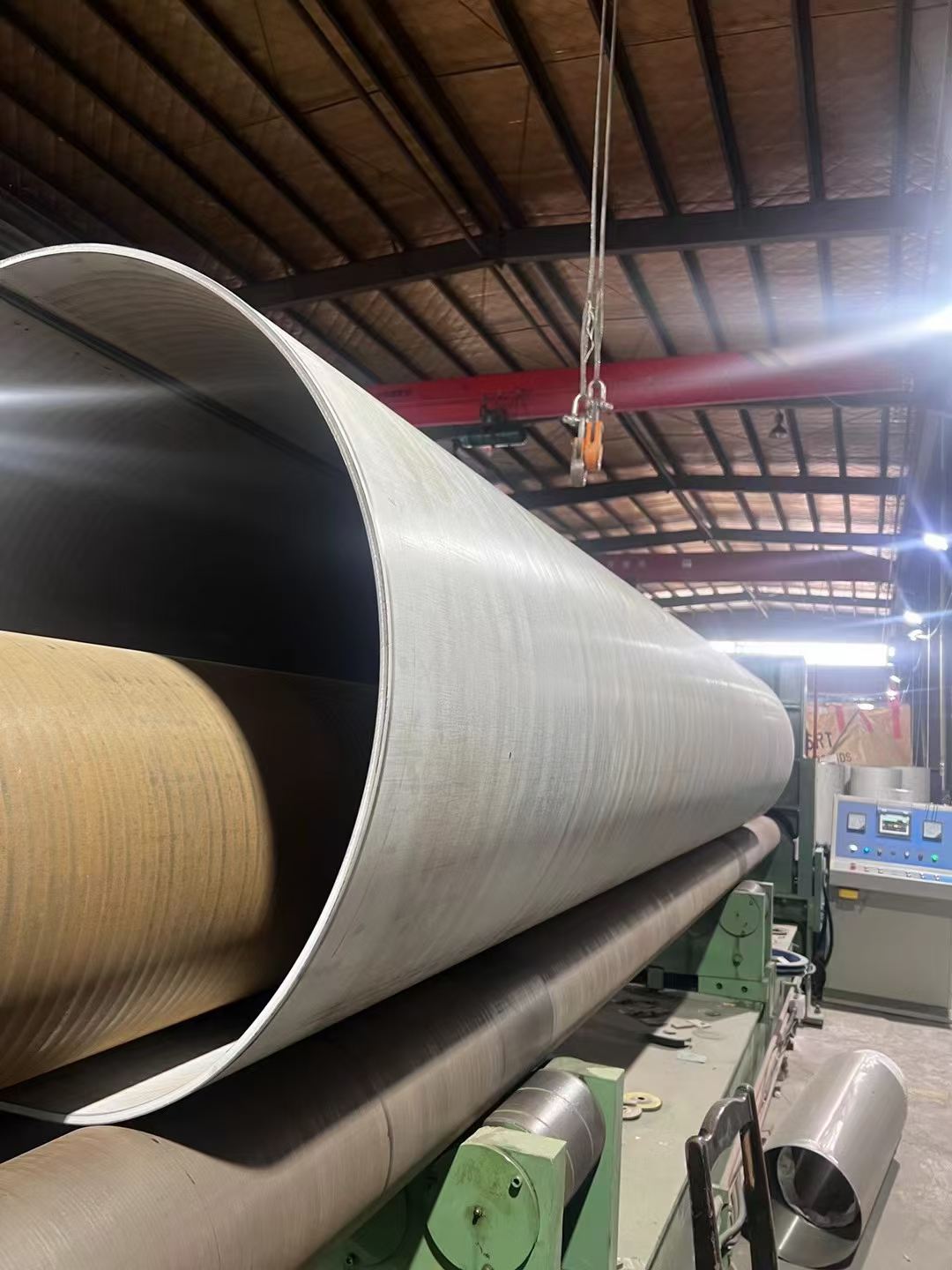
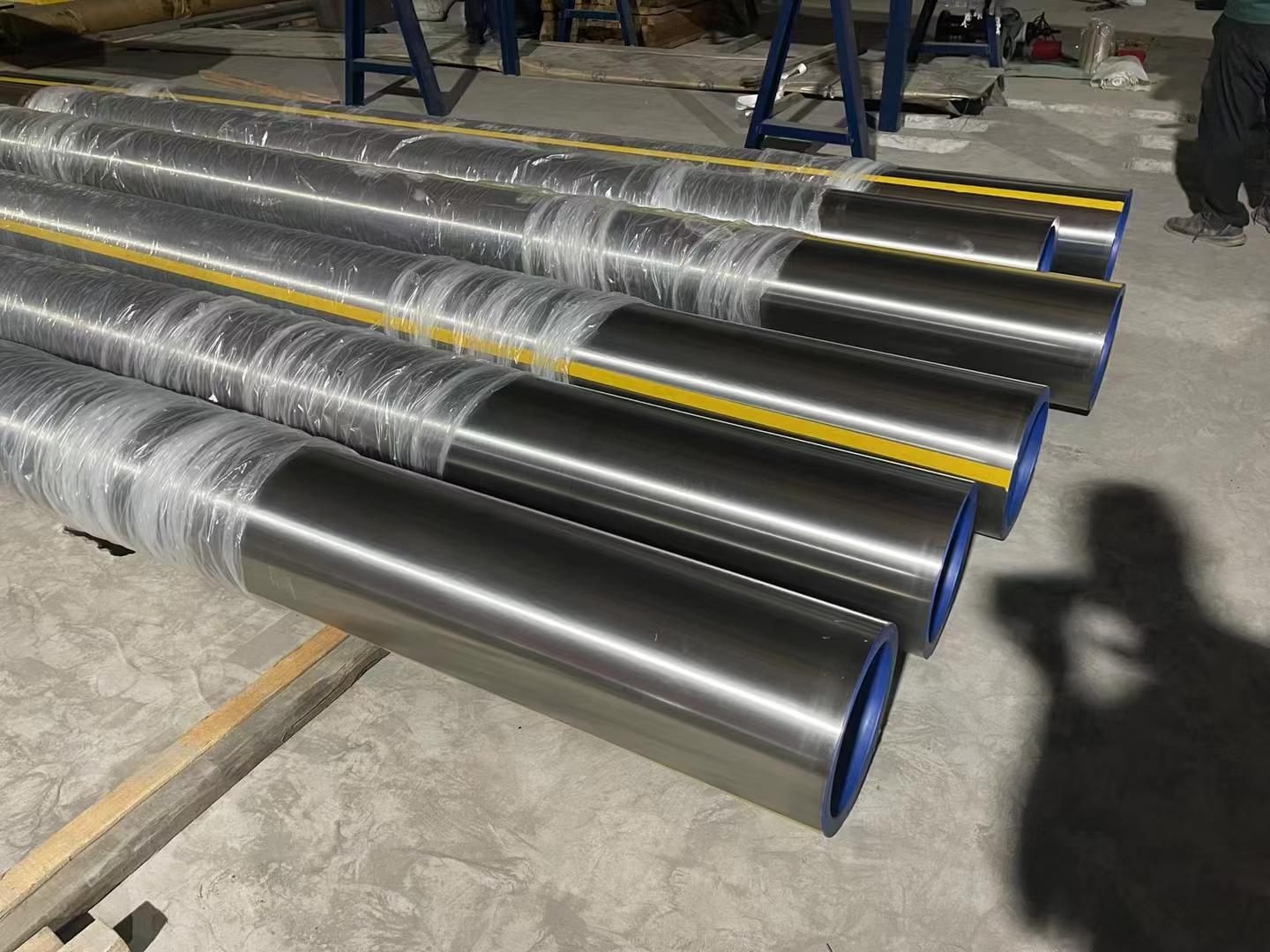
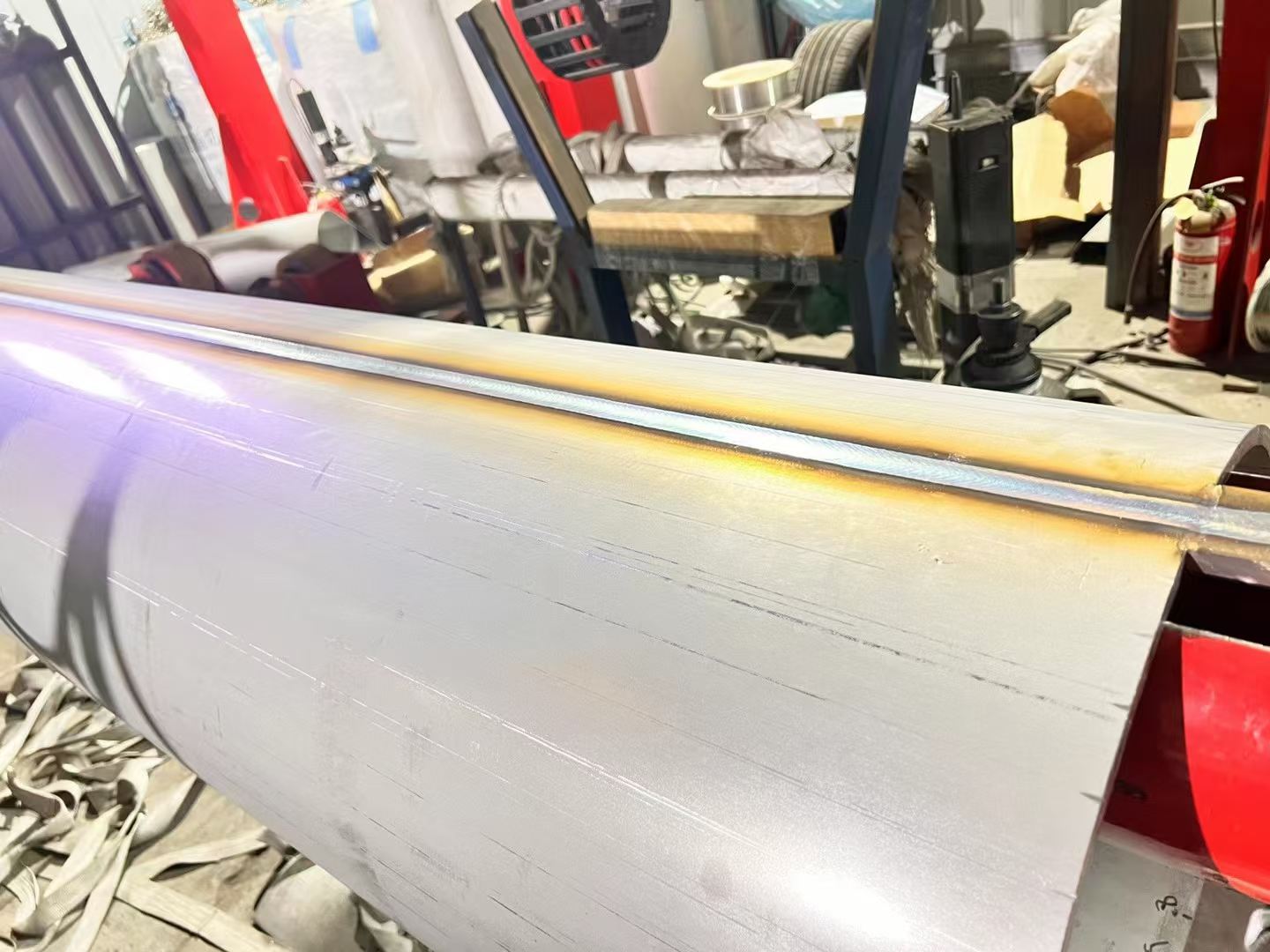
stainless boiler tube welding
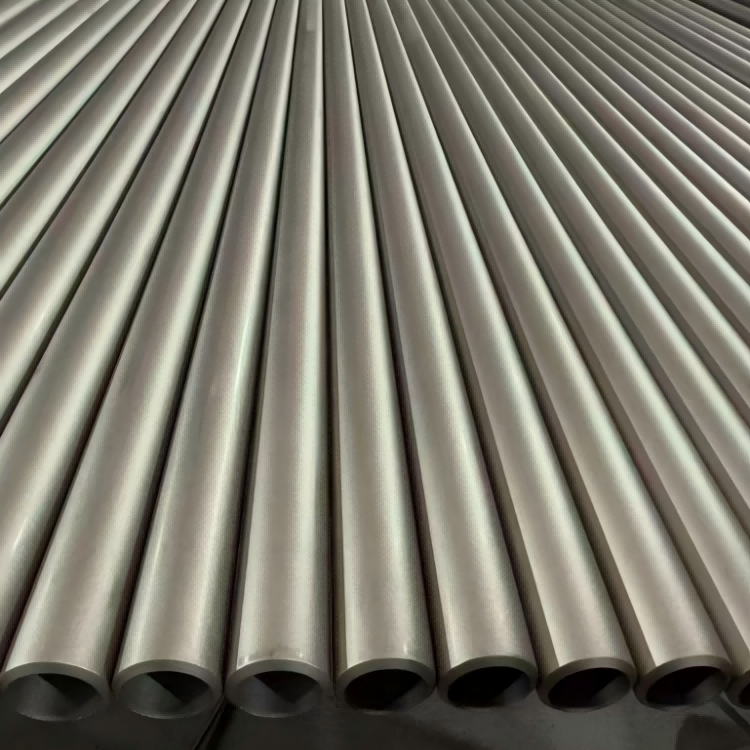
Stainless boiler tube welding represents a critical manufacturing process that joins high-quality stainless steel tubes with precision and durability. This specialized welding technique creates seamless connections in boiler systems that operate under extreme pressure and temperature conditions. The stainless boiler tube welding process ensures structural integrity and longevity in industrial applications where reliability cannot be compromised.
The main functions of stainless boiler tube welding include creating strong, leak-proof joints between tubes, maintaining material properties during connection, and ensuring compliance with industry safety standards. This welding method produces connections that withstand thermal cycling, corrosion, and mechanical stress consistently over extended periods.
Technologically, stainless boiler tube welding employs advanced techniques such as TIG welding, MIG welding, and automated processes that deliver exceptional precision. These methods maintain the corrosion resistance and structural characteristics of stainless steel while forming permanent bonds. Modern stainless boiler tube welding equipment incorporates quality control systems that monitor weld parameters in real time, ensuring every joint meets strict specifications.
Applications for stainless boiler tube welding span across power generation facilities, chemical processing plants, food and beverage industries, and HVAC systems. Industrial boilers, heat exchangers, and steam generation equipment rely on this welding technique for safe, efficient operation. The versatility of stainless boiler tube welding makes it essential for any operation requiring dependable pressure vessel construction and long-term performance in challenging environments.
 EN
EN