boiler tube welding
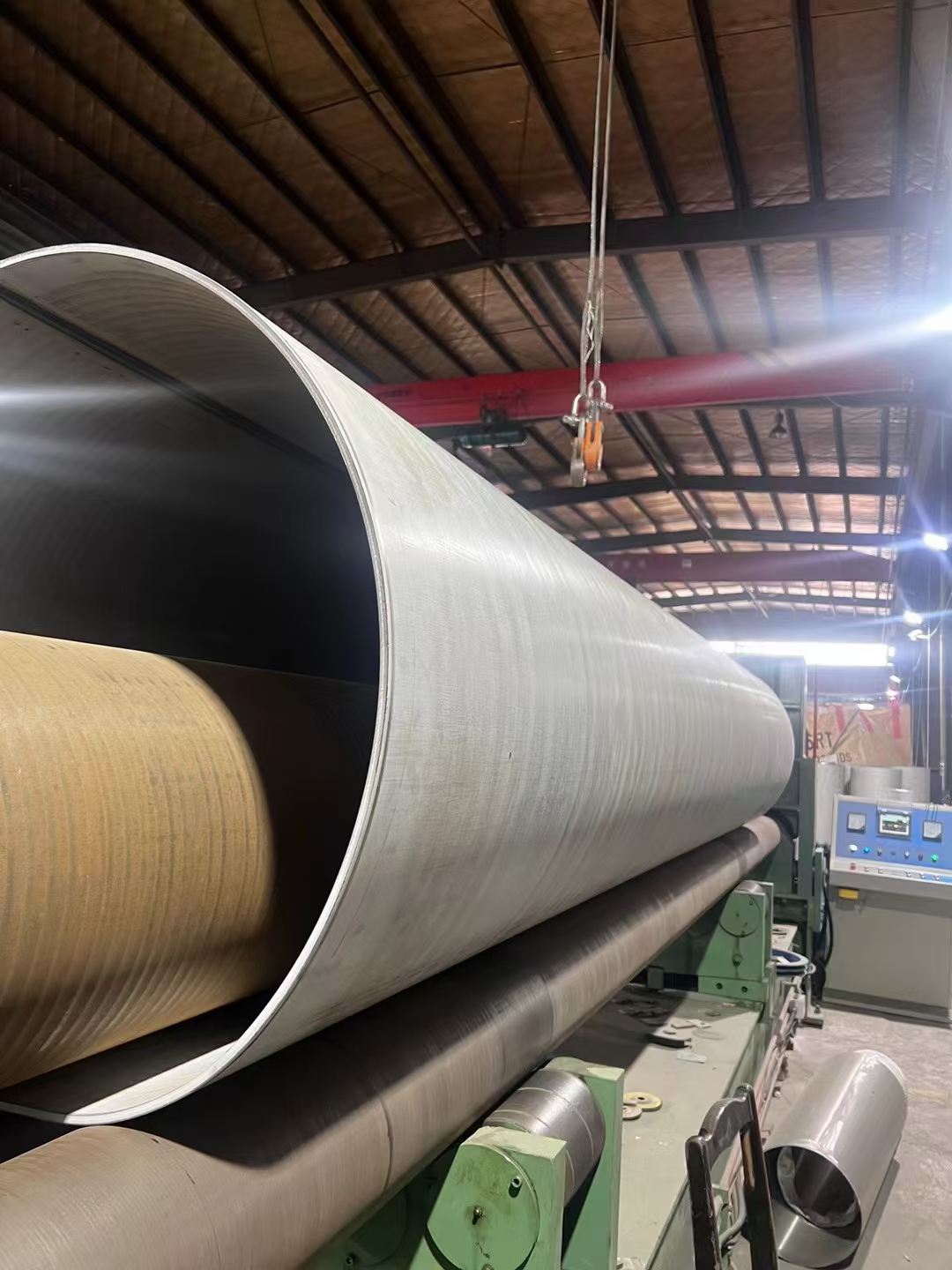
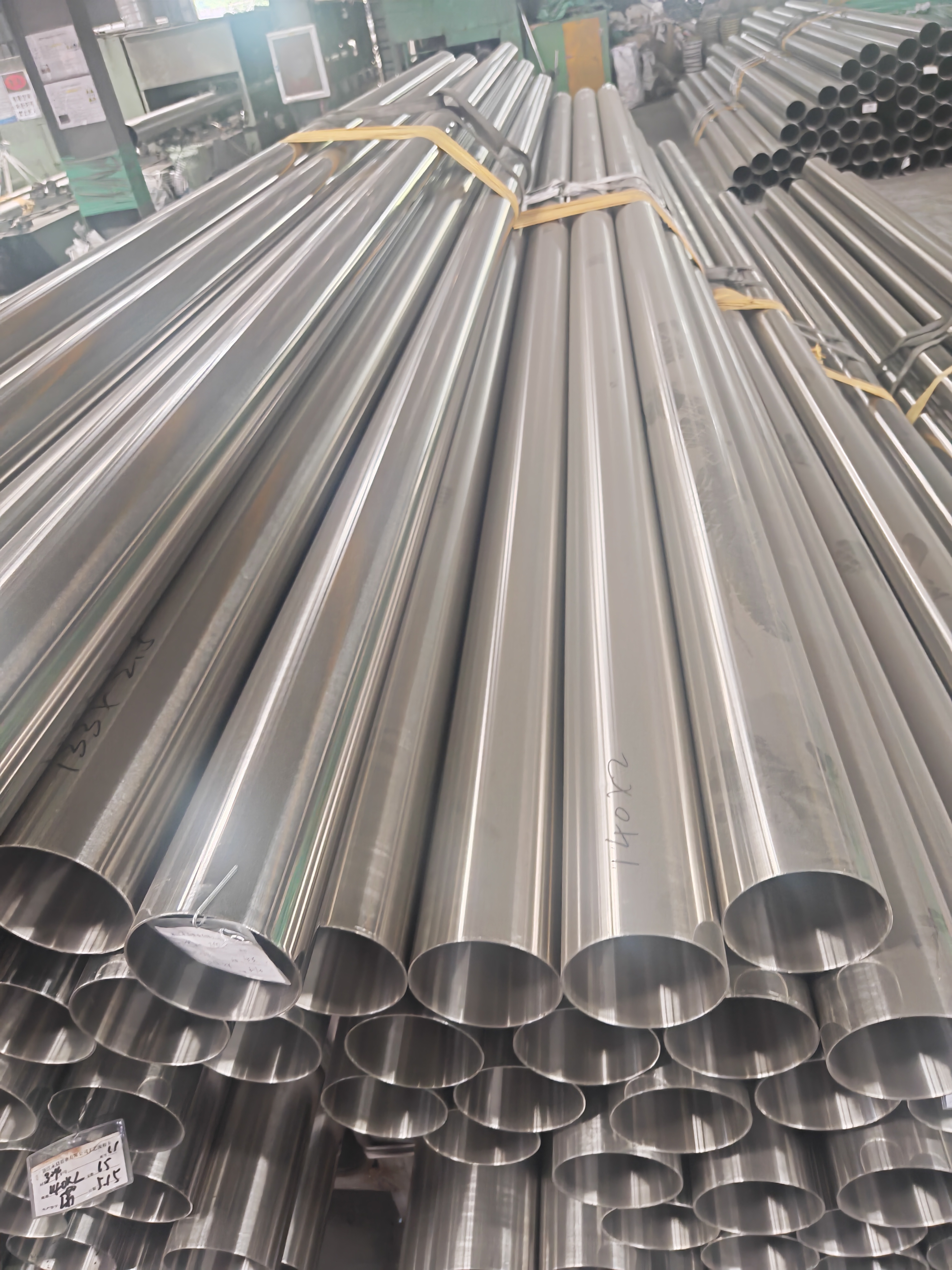
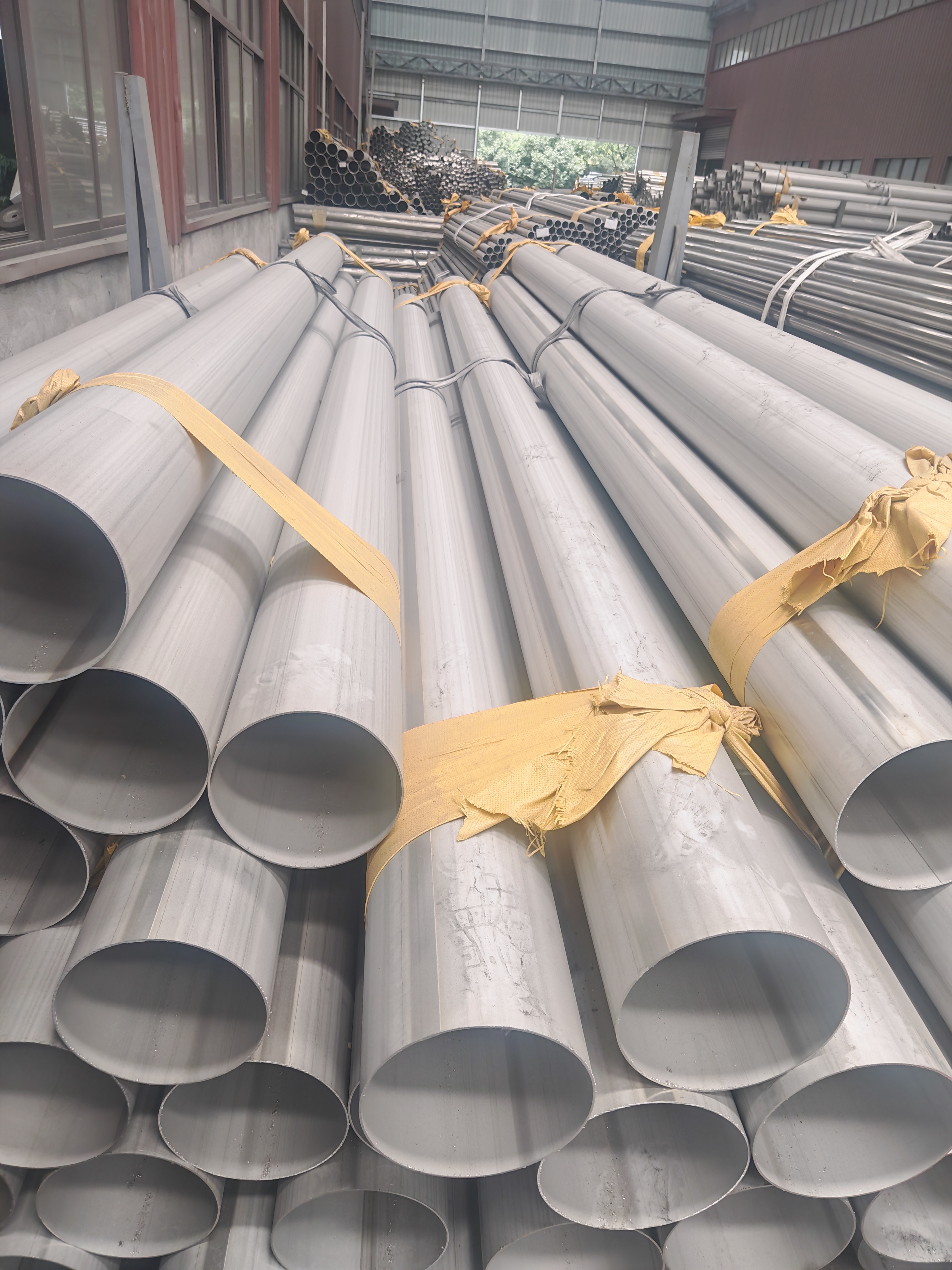
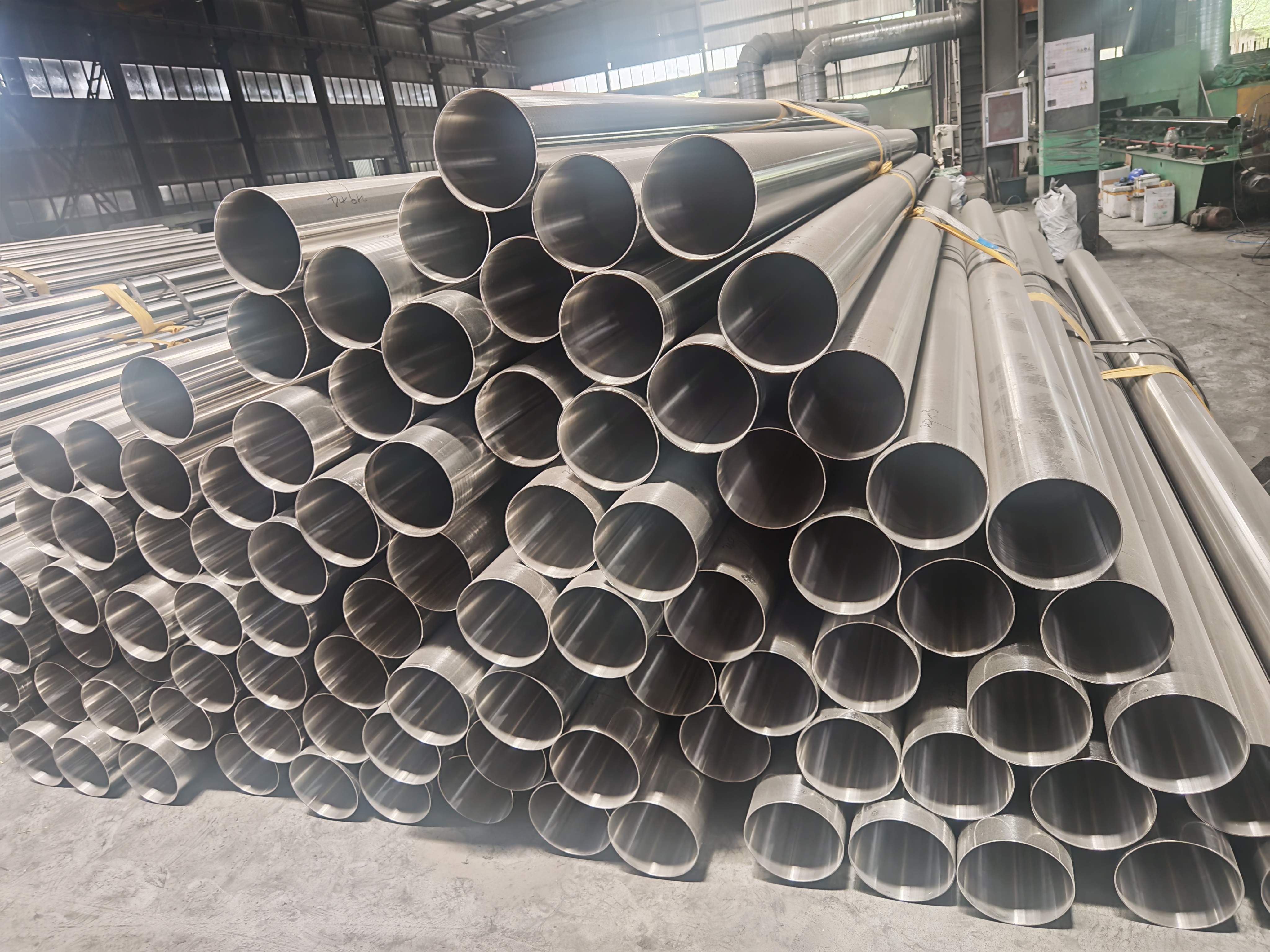
Boiler tube welding represents a critical industrial process designed to join metal tubes that form the backbone of modern heating systems and power generation equipment. This specialized welding technique ensures the structural integrity and performance reliability of boiler tubes, which must withstand extreme temperatures, high pressure, and corrosive environments. Boiler tube welding involves precision fusion of tube materials using advanced welding technologies that create strong, leak-proof joints capable of handling demanding operational conditions. The primary function of boiler tube welding is to create durable connections between tubes while maintaining the metallurgical properties essential for safe operation. Technological features of boiler tube welding include automated welding systems, real-time quality monitoring, and specialized equipment that accommodates various tube diameters and wall thicknesses. These features enable consistent, high-quality results across multiple production cycles. Applications of boiler tube welding extend across numerous industries, including power plants, refineries, manufacturing facilities, and heating systems. The process accommodates different materials such as carbon steel, stainless steel, and alloy compositions. Modern boiler tube welding techniques employ both traditional methods and cutting-edge automation to achieve superior weld quality, enhanced productivity, and reduced defect rates. Understanding boiler tube welding is essential for engineers, technicians, and facility managers who oversee equipment maintenance and installation. Proper boiler tube welding practices directly impact system efficiency, safety compliance, and operational longevity.
 EN
EN