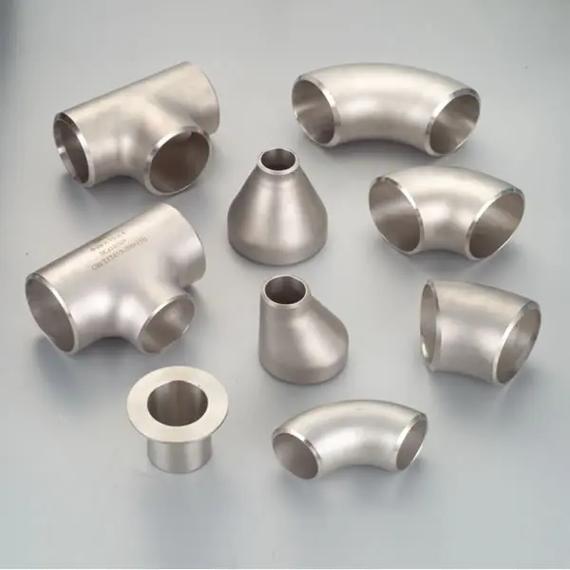
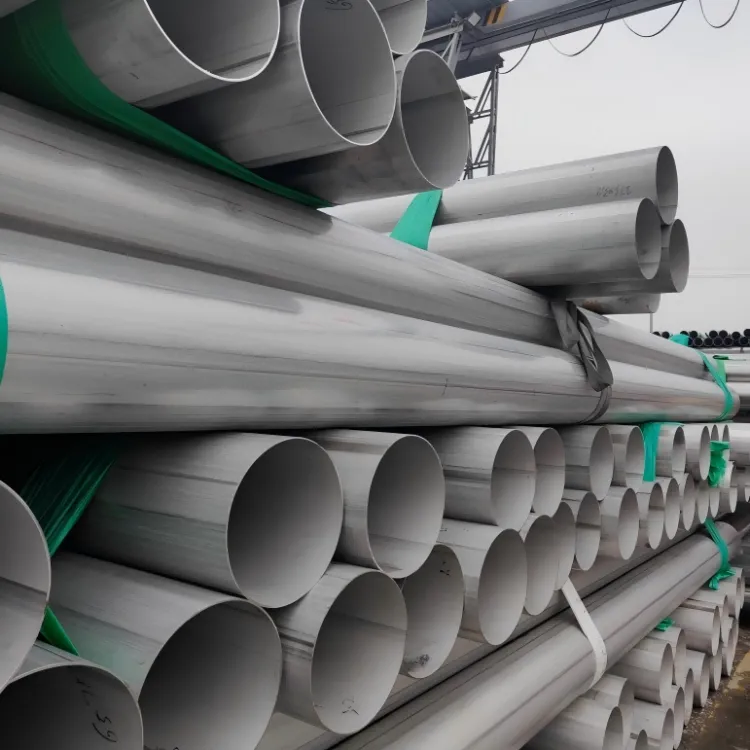
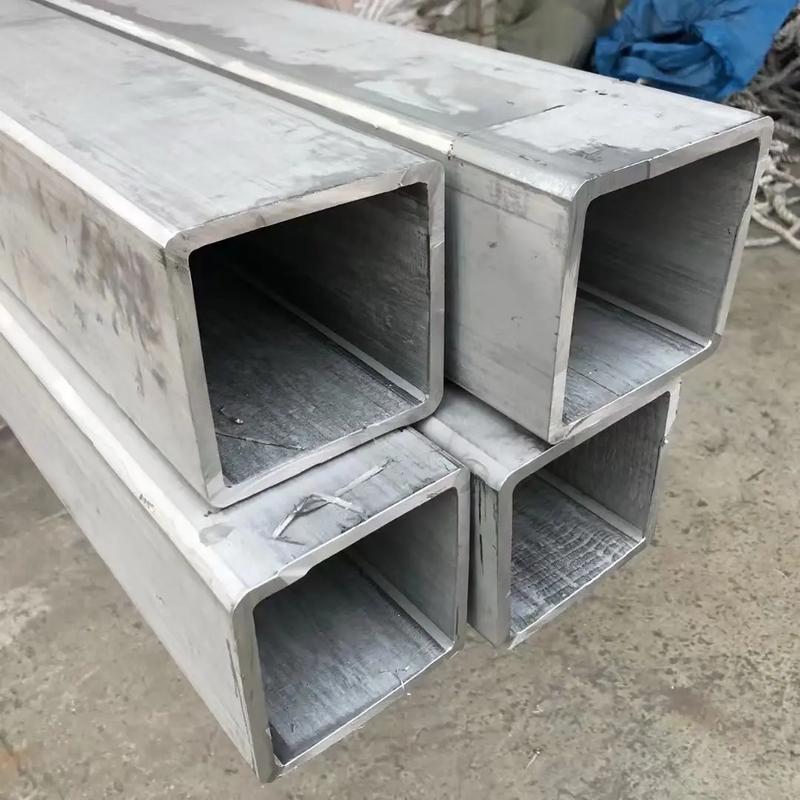
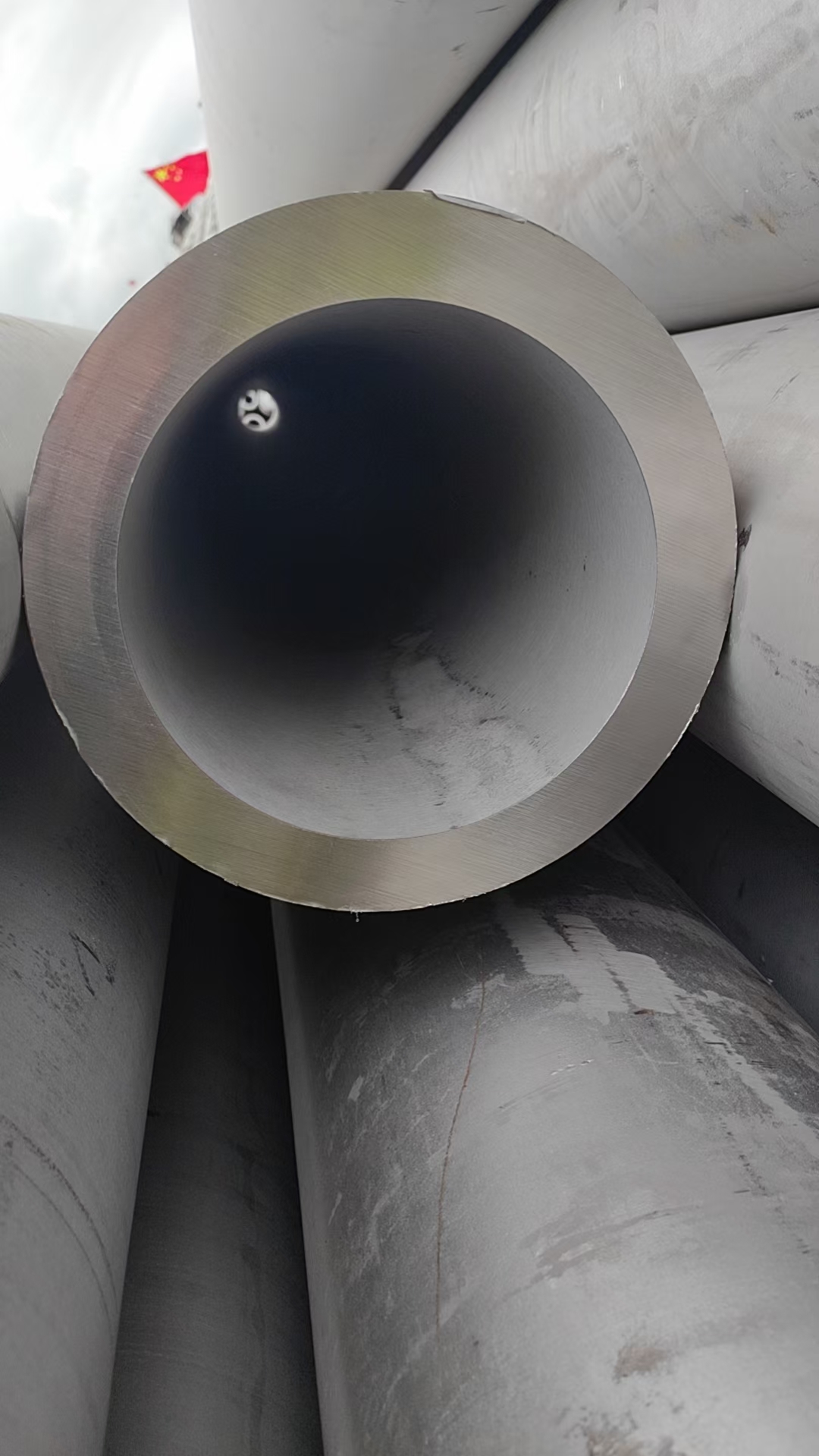
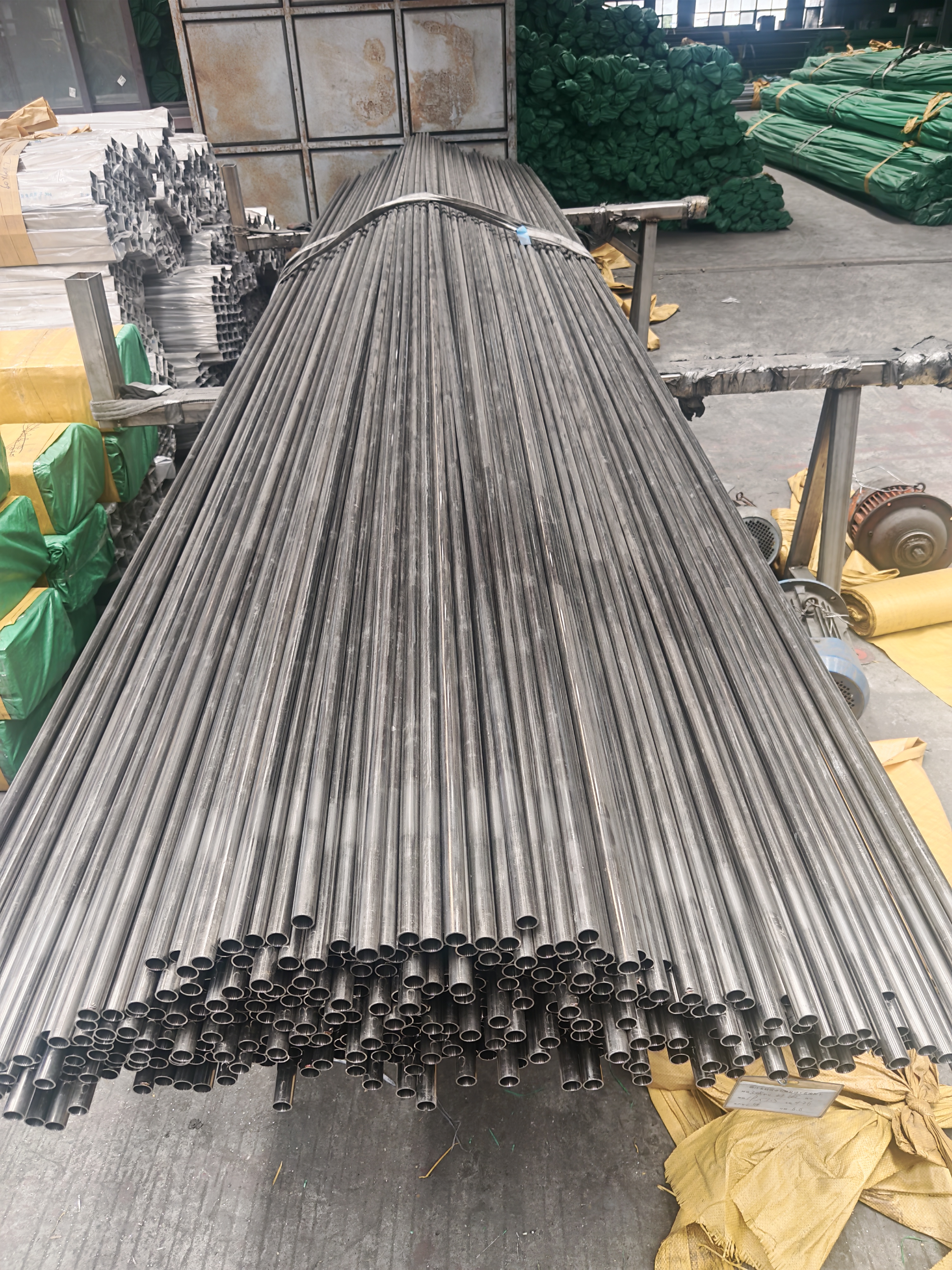
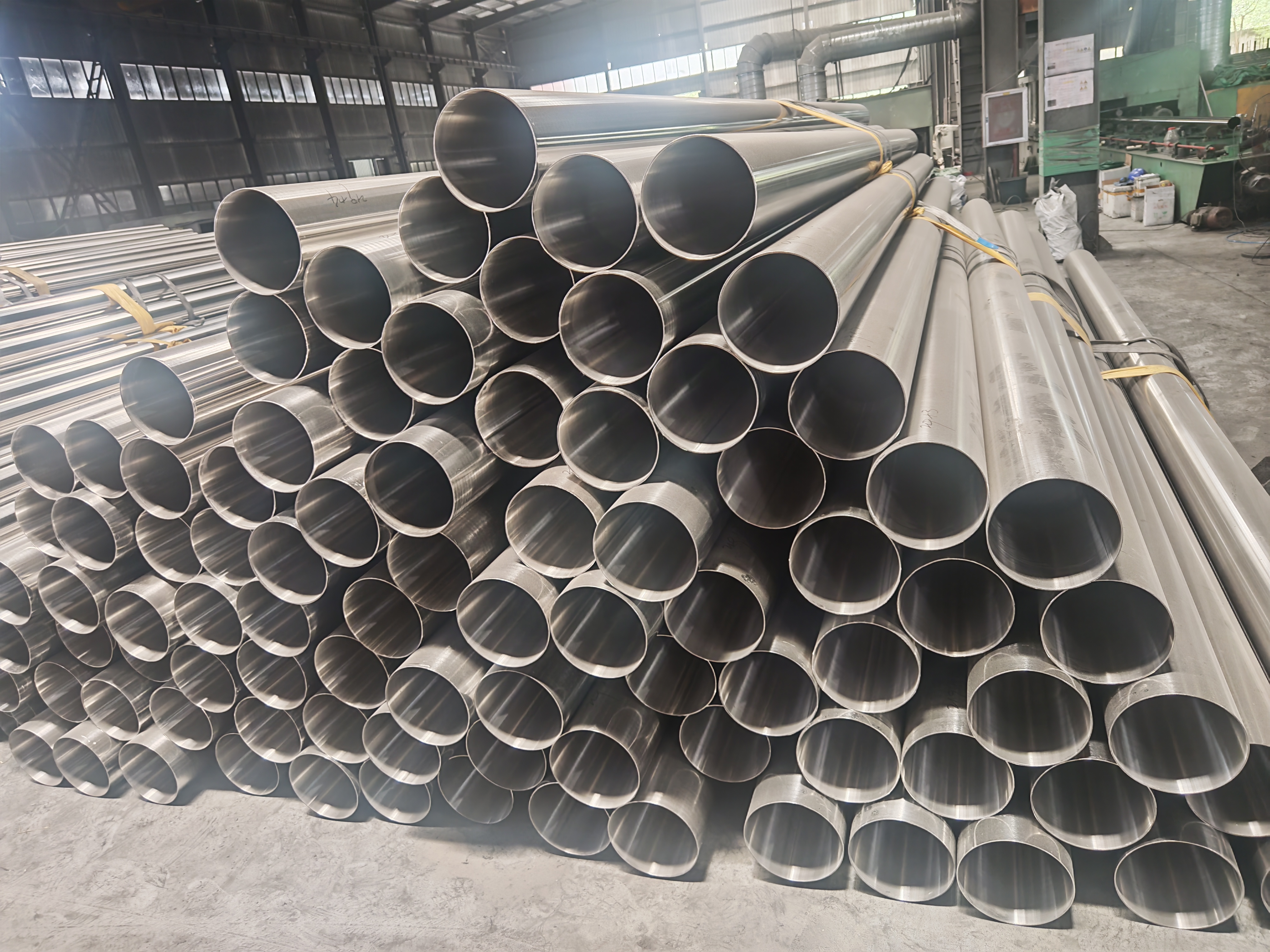
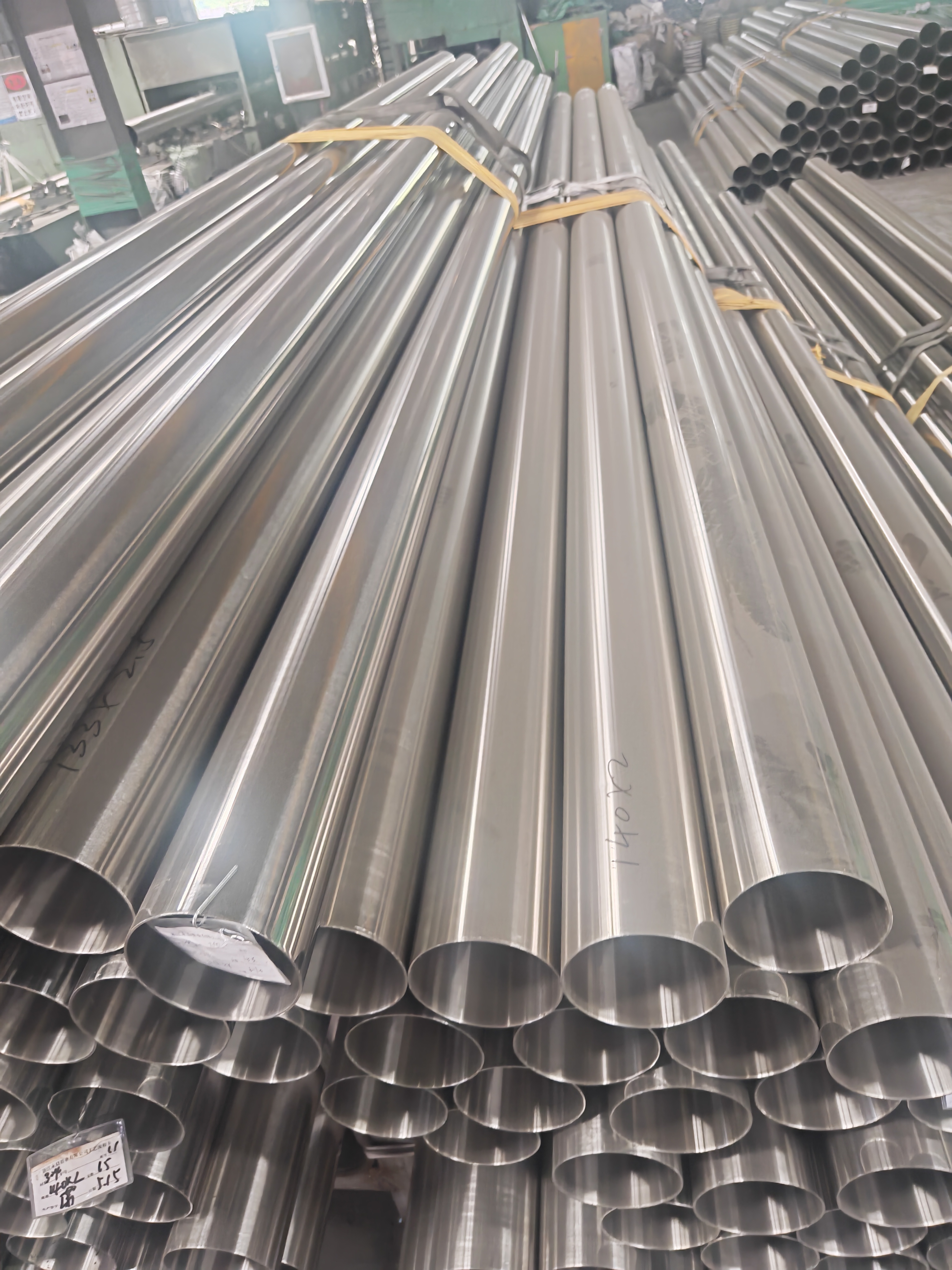
industrial boiler tube welding
Industrial boiler tube welding represents a critical manufacturing process that joins metal tubes used in high-pressure steam generation systems. This specialized welding technique ensures the structural integrity and reliability of boiler tubes operating under extreme temperatures and pressures in power plants, refineries, and manufacturing facilities.
The primary function of industrial boiler tube welding is to create permanent, leak-proof joints between tubes that form the heat exchange surfaces within boilers. Industrial boiler tube welding must meet rigorous quality standards since any failure can lead to catastrophic system breakdowns and safety hazards. The process involves melting and fusing metal edges using advanced welding equipment, creating bonds as strong as the base material itself.
Technologically, industrial boiler tube welding employs several methods including shielded metal arc welding, gas tungsten arc welding, and submerged arc welding. These techniques utilize precise temperature control, protective gas environments, and specialized filler materials to achieve superior weld quality. Industrial boiler tube welding also incorporates real-time monitoring systems that track parameters such as heat input, travel speed, and cooling rates to ensure consistent results.
Applications of industrial boiler tube welding span numerous industries requiring reliable steam generation. Power generation facilities depend on this process for maintaining operational boilers. Petrochemical refineries utilize industrial boiler tube welding to construct heat recovery systems. Food processing plants, paper mills, and chemical manufacturers also rely heavily on properly welded boiler tubes. The versatility and robustness of industrial boiler tube welding make it indispensable across these demanding industrial sectors.
 EN
EN