Professional Boiler Water Tube Welding Services - Expert Solutions for Industrial Applications

All Categories

Get a Free Quote

Our representative will contact you soon.
Email
Mobile/WhatsApp
Name
Company Name
Message
0/1000

boiler water tube welding

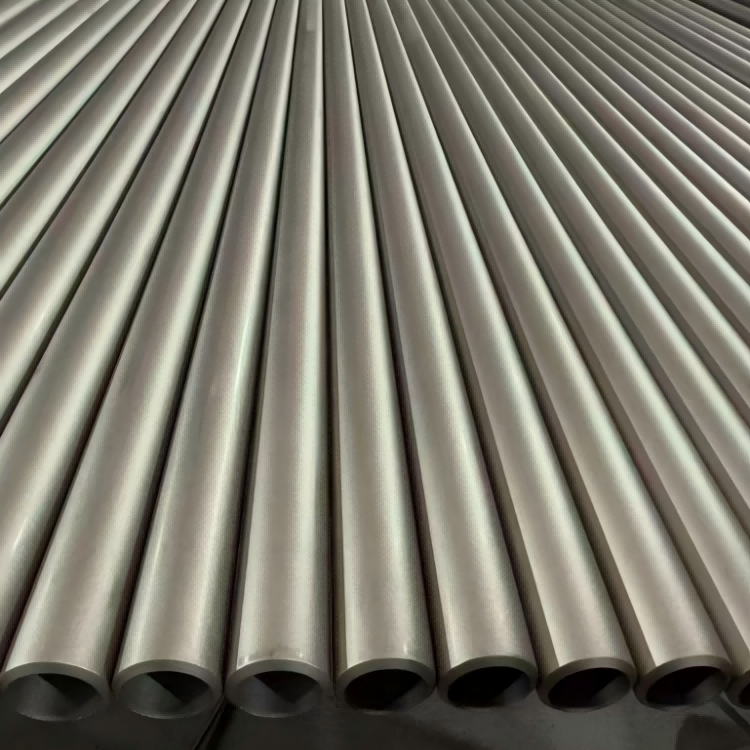
Boiler water tube welding represents a critical manufacturing process in the power generation and industrial heating sectors, involving the precise joining of water-carrying tubes within boiler systems. This specialized welding technique ensures the creation of robust, leak-proof connections that can withstand extreme operating conditions including high temperatures, elevated pressures, and continuous thermal cycling. The primary function of boiler water tube welding is to establish secure connections between water tubes, headers, and other boiler components while maintaining the structural integrity necessary for safe and efficient operation. The technological features of this welding process encompass advanced fusion techniques, precise heat control, and specialized filler materials designed specifically for high-temperature applications. Modern boiler water tube welding utilizes sophisticated equipment including automated welding machines, orbital welding systems, and computer-controlled parameters to ensure consistent quality and repeatability. The process typically employs tungsten inert gas welding or submerged arc welding methods, depending on the tube diameter, wall thickness, and material specifications. Applications of boiler water tube welding span across multiple industries including power plants, petrochemical facilities, manufacturing plants, and commercial heating systems. The welding process accommodates various tube materials such as carbon steel, alloy steel, and stainless steel, each requiring specific welding procedures and parameters. Quality control measures integral to boiler water tube welding include radiographic testing, ultrasonic inspection, and pressure testing to verify weld integrity and compliance with industry standards. The technological advancement in this field has introduced automated welding systems that enhance productivity while reducing human error and ensuring consistent weld quality throughout large-scale boiler manufacturing projects.

New Products

Boiler water tube welding delivers exceptional durability that extends equipment lifespan significantly compared to alternative joining methods. The welded connections create seamless joints that eliminate weak points commonly found in mechanical connections, resulting in superior resistance to thermal stress and pressure fluctuations. This enhanced durability translates directly into reduced maintenance costs and decreased downtime for industrial operations. The precision welding process ensures optimal heat transfer efficiency by maintaining smooth internal surfaces without obstructions or flow restrictions. This improved thermal performance leads to better fuel efficiency and reduced operating costs for businesses relying on boiler systems. Safety benefits of professional boiler water tube welding cannot be overstated, as properly executed welds eliminate the risk of catastrophic failures that could endanger personnel and damage equipment. The welding process creates hermetic seals that prevent water leakage and maintain system pressure integrity under the most demanding operating conditions. Cost-effectiveness emerges as another significant advantage, with welded joints requiring minimal ongoing maintenance compared to flanged or threaded connections that may need regular inspection and replacement. The manufacturing flexibility offered by boiler water tube welding allows for custom configurations and complex geometries that meet specific application requirements without compromising structural integrity. Modern welding techniques enable rapid production cycles while maintaining consistently high quality standards, reducing project timelines and associated costs. Environmental benefits include improved system efficiency that reduces fuel consumption and emissions, contributing to sustainable operations. The welding process accommodates various tube sizes and materials, providing versatility for different boiler designs and operating parameters. Quality assurance through standardized welding procedures ensures reliable performance and compliance with regulatory requirements. The permanent nature of welded connections eliminates the need for periodic retightening or seal replacement, reducing long-term operational expenses. Additionally, boiler water tube welding supports modular construction approaches that streamline installation processes and minimize field assembly time.

Practical Tips

Strongwin Stainless Steel Group Achieves ISO 90012015 Certification and AD 2000 Merkblatt Approval

28

Feb

Strongwin Stainless Steel Group Achieves ISO 90012015 Certification and AD 2000 Merkblatt Approval

View More
Strongwin Stainless Steel Group Announces Major Production Capacity Expansion to Meet Growing Global Demand

11

Mar

Strongwin Stainless Steel Group Announces Major Production Capacity Expansion to Meet Growing Global Demand

View More
Strongwin Stainless Steel Group Announces Strategic Partnership with Leading European Engineering Firm

11

Mar

Strongwin Stainless Steel Group Announces Strategic Partnership with Leading European Engineering Firm

View More

Get a Free Quote

Our representative will contact you soon.
Email
Mobile/WhatsApp
Name
Company Name
Message
0/1000

boiler water tube welding

Superior Structural Integrity and Longevity

Superior Structural Integrity and Longevity

The structural integrity achieved through boiler water tube welding represents the gold standard in boiler construction, delivering unmatched reliability and longevity that surpasses all alternative joining methods. This superior integrity stems from the metallurgical fusion that occurs during the welding process, creating a homogeneous bond between tube materials that eliminates the inherent weaknesses found in mechanical connections. The molecular-level bonding achieved through proper welding techniques results in joints that are often stronger than the base materials themselves, providing exceptional resistance to the extreme thermal and mechanical stresses encountered in boiler operations. This structural superiority becomes particularly evident in high-pressure applications where traditional joining methods may fail under cyclic loading conditions. The welded connections maintain their integrity throughout countless heating and cooling cycles, preventing the gradual loosening or degradation that plagues bolted or threaded connections. Professional boiler water tube welding incorporates advanced metallurgical principles to ensure optimal grain structure and minimize residual stresses that could compromise long-term performance. The resulting joints exhibit excellent fatigue resistance, crucial for applications involving frequent startup and shutdown cycles. Quality control measures including non-destructive testing verify the internal soundness of each weld, ensuring the absence of defects that could propagate over time. The longevity benefits translate into substantial cost savings through reduced replacement frequency and extended service intervals. Furthermore, the permanent nature of welded joints eliminates the ongoing maintenance requirements associated with gaskets, seals, and mechanical fasteners, providing peace of mind for facility operators and maintenance teams.
Enhanced Thermal Performance and Energy Efficiency

Enhanced Thermal Performance and Energy Efficiency

Boiler water tube welding delivers remarkable thermal performance improvements that directly impact energy efficiency and operational costs across industrial applications. The seamless nature of welded joints eliminates thermal bridging and heat loss pathways that commonly occur at mechanical connection points, ensuring maximum heat transfer efficiency throughout the boiler system. This enhanced thermal performance results from the continuous material properties achieved through proper welding, creating uninterrupted heat flow paths that optimize energy transfer from combustion gases to the working fluid. The smooth internal surfaces produced by quality welding techniques minimize flow restrictions and turbulence that can impede heat transfer and increase pressure drop across the system. Professional boiler water tube welding techniques ensure optimal weld penetration and profile geometry that maintains or even improves the internal flow characteristics compared to the base tube material. The elimination of gaskets, flanges, and other mechanical components reduces thermal mass and associated heat losses, contributing to improved overall system efficiency. Advanced welding procedures accommodate various tube materials and configurations while maintaining consistent thermal properties throughout the joint region. The precise control of welding parameters ensures minimal heat-affected zone distortion that could create flow restrictions or stress concentration points. Temperature uniformity across welded joints prevents hot spots and thermal stress concentrations that can lead to premature failure and reduced efficiency. The enhanced thermal performance achieved through proper boiler water tube welding translates into measurable fuel savings and reduced emissions, supporting both economic and environmental objectives. Long-term thermal stability of welded connections maintains consistent performance characteristics throughout the equipment lifecycle, avoiding the gradual degradation often seen with mechanical joining methods.
Cost-Effective Manufacturing and Maintenance Solutions

Cost-Effective Manufacturing and Maintenance Solutions

The cost-effectiveness of boiler water tube welding extends far beyond initial manufacturing expenses, encompassing comprehensive lifecycle benefits that significantly reduce total ownership costs for industrial boiler systems. Manufacturing advantages begin with the streamlined production processes enabled by automated welding systems that increase throughput while maintaining consistently high quality standards. The elimination of complex mechanical joining hardware reduces material costs and simplifies inventory management for boiler manufacturers and end users alike. Labor efficiency improvements result from standardized welding procedures that can be executed by trained technicians using modern welding equipment, reducing the specialized skills requirements associated with other joining methods. The reduced component count in welded assemblies simplifies quality control procedures and accelerates production schedules, enabling faster project completion and earlier revenue generation. Maintenance cost reductions represent perhaps the most significant long-term benefit, as welded joints require minimal ongoing attention compared to mechanical connections that need periodic inspection, retorquing, and seal replacement. The permanent nature of properly executed welds eliminates the recurring costs associated with gasket replacement, bolt retightening, and leak repairs that plague mechanically joined systems. Downtime reduction achieved through reliable welded connections translates into substantial cost savings for industrial operations where boiler availability directly impacts production capacity and revenue generation. The predictable performance characteristics of welded joints enable more accurate maintenance planning and budgeting, eliminating unexpected repair costs that can disrupt operational budgets. Installation efficiency benefits include reduced field assembly time and simplified piping configurations that minimize construction labor costs and project duration. Energy cost savings resulting from improved thermal efficiency compound over the equipment lifecycle, providing ongoing operational benefits that justify the initial welding investment. Furthermore, the enhanced reliability of welded systems reduces insurance costs and regulatory compliance expenses associated with pressure vessel operations.

Get a Free Quote

Our representative will contact you soon.
Email
Mobile/WhatsApp
Name
Company Name
Message
0/1000