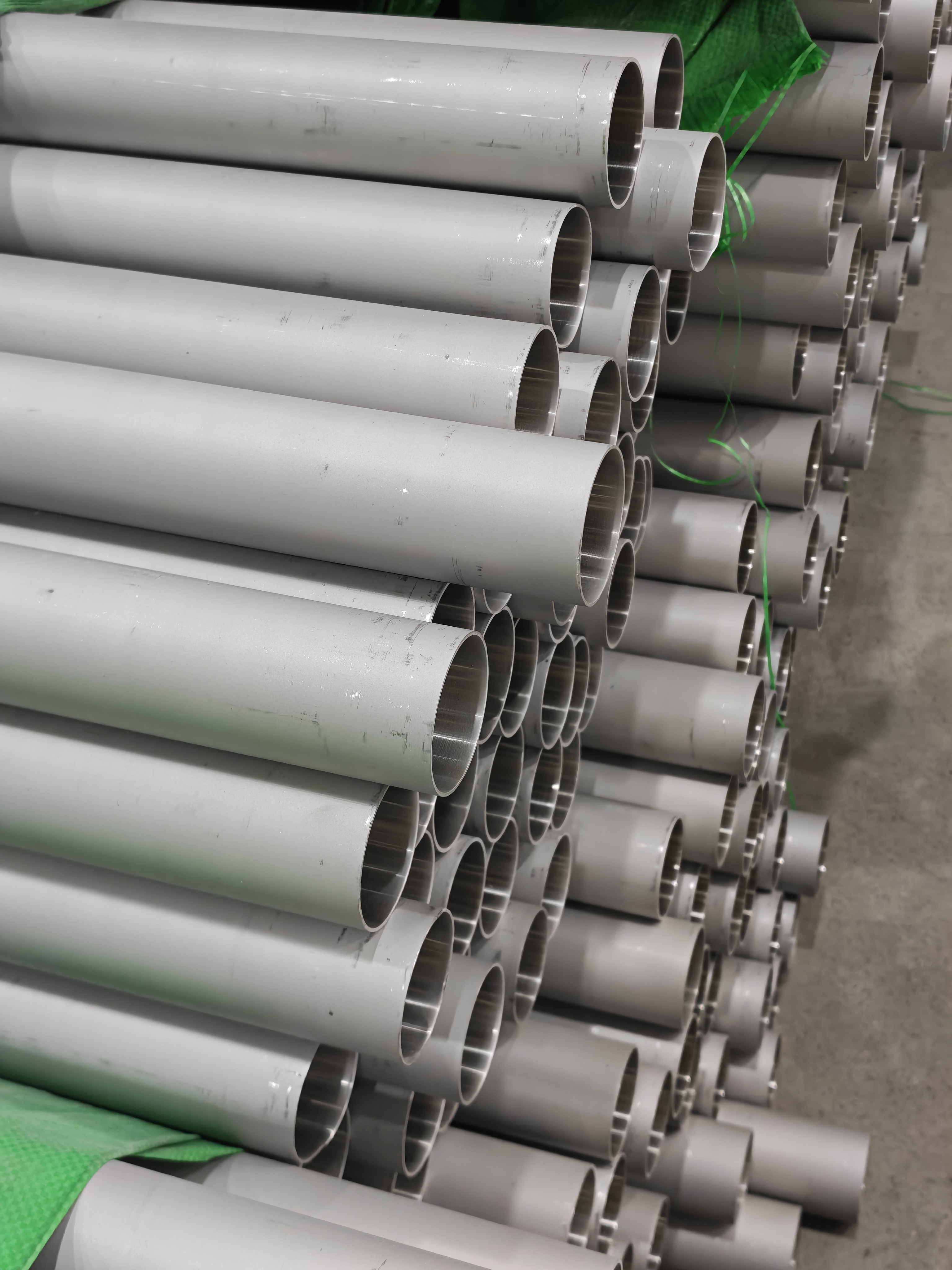
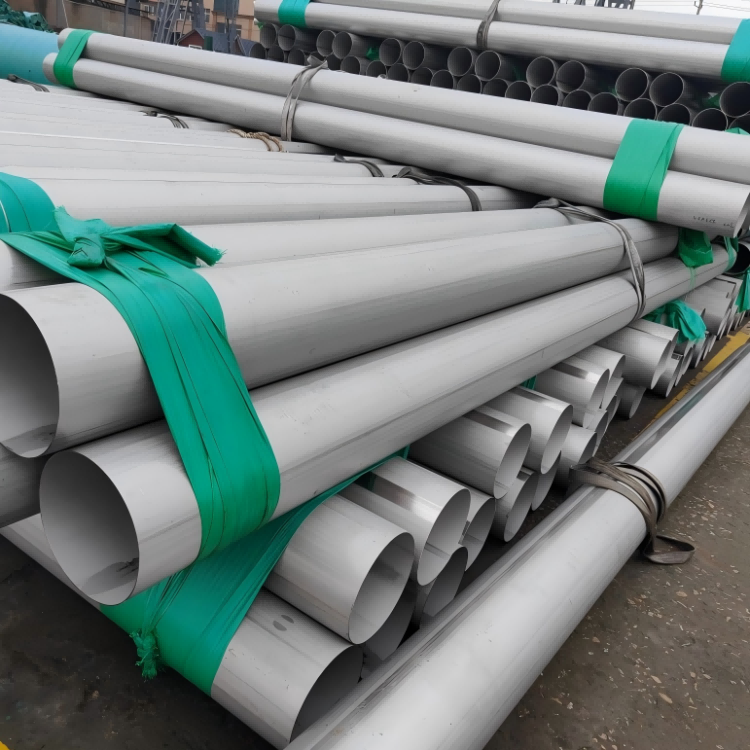
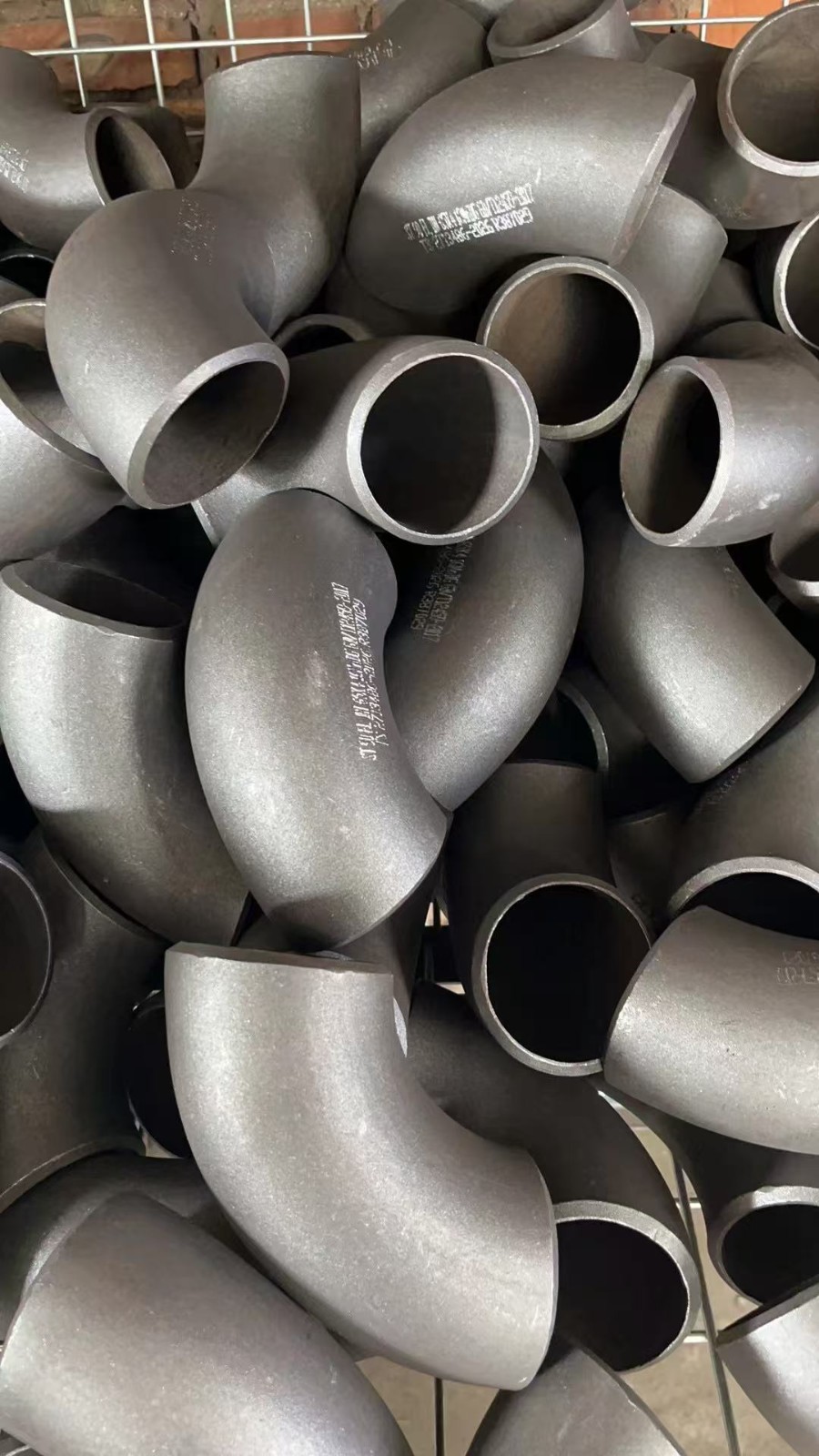
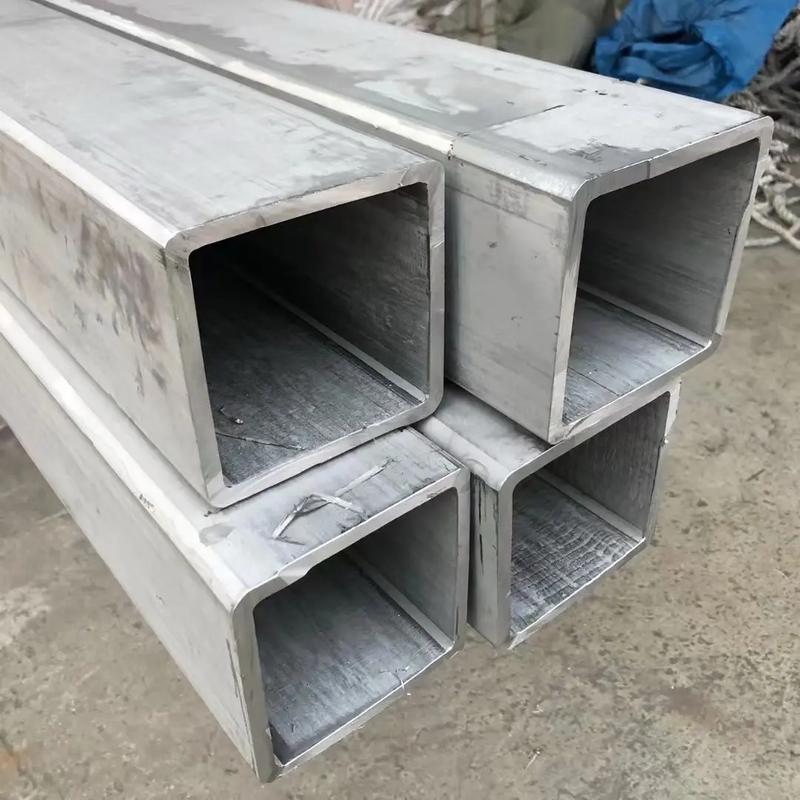
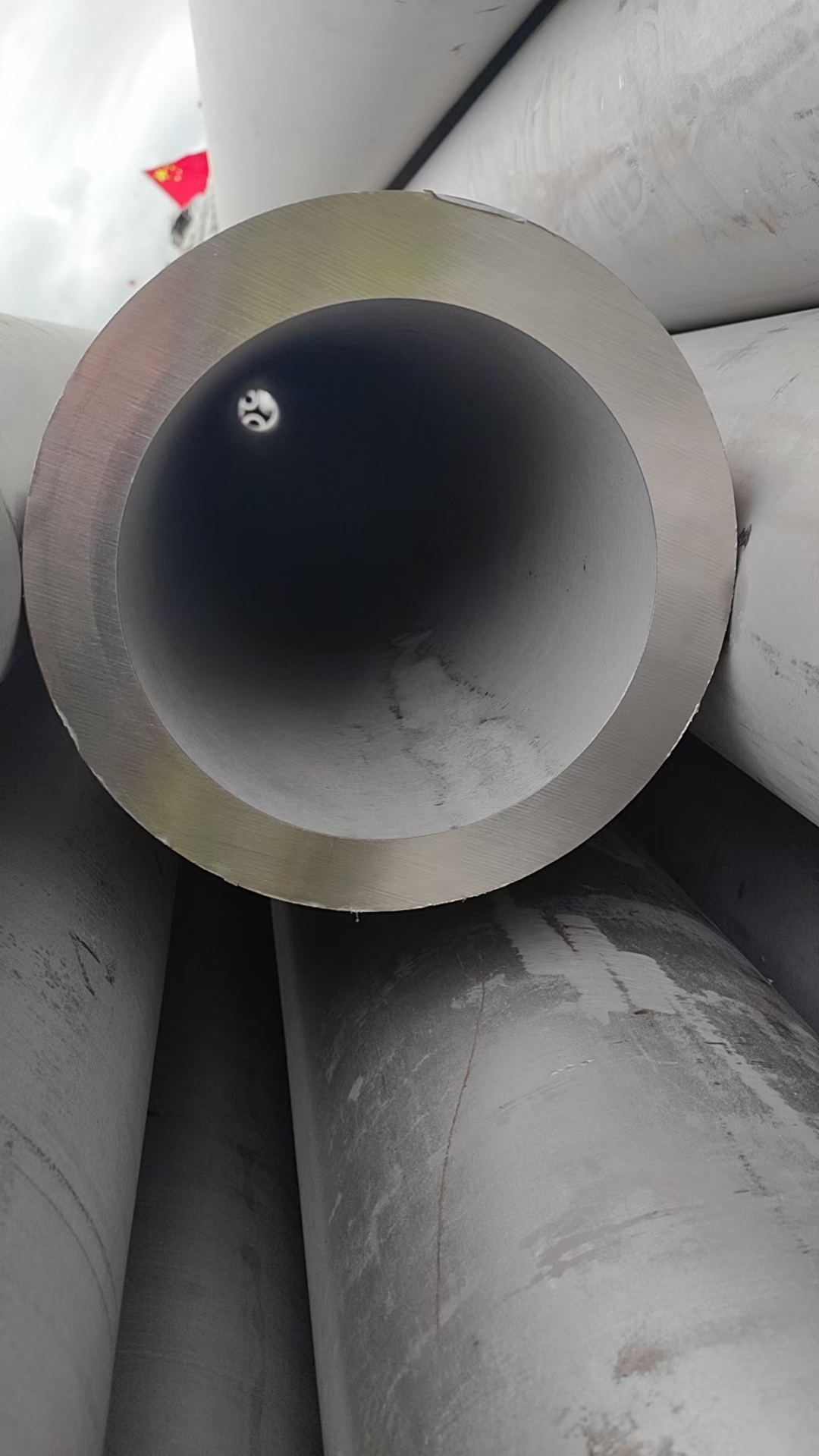
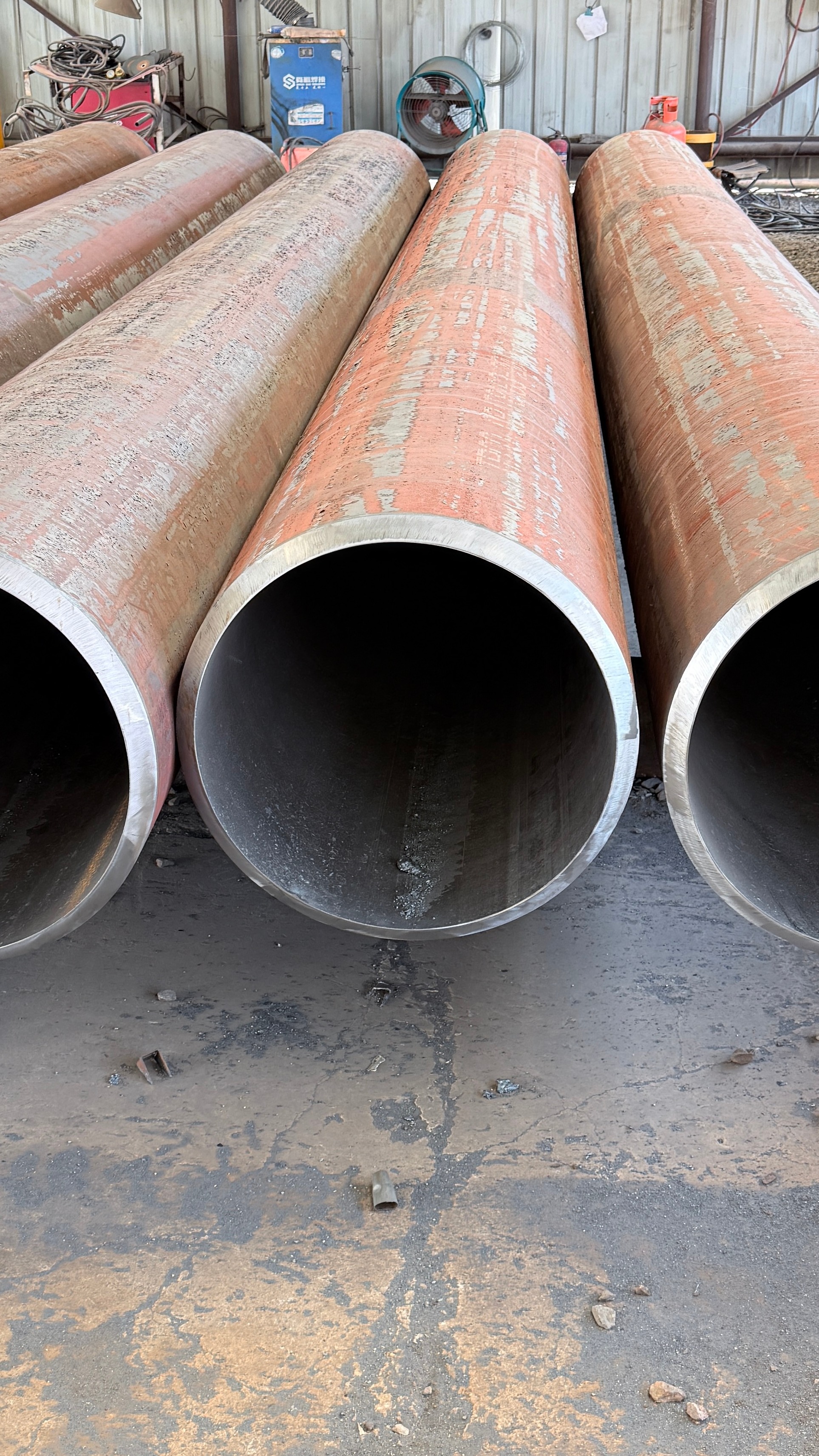
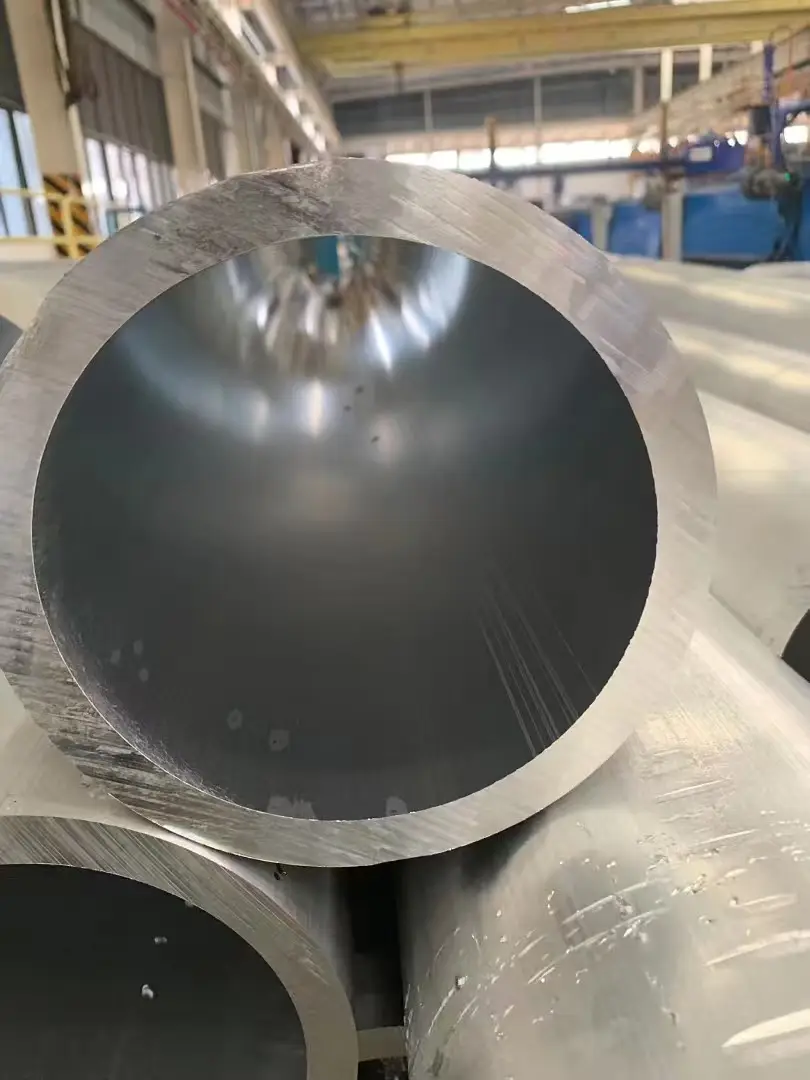
large diameter industrial pipe
Large diameter industrial pipe represents a critical infrastructure component designed for transporting fluids, gases, and slurries across extensive industrial operations. These pipes typically range from several inches to several feet in diameter, making them essential for major construction, manufacturing, and utility projects. The large diameter industrial pipe serves multiple functions including water distribution, oil and gas transmission, sewage conveyance, and chemical processing applications.
Modern large diameter industrial pipe construction employs advanced technological features that enhance durability and performance. Materials commonly used include carbon steel, stainless steel, and specialized alloys that withstand extreme pressure, temperature fluctuations, and corrosive environments. The manufacturing process incorporates precision welding, quality testing, and rigorous inspection protocols to ensure structural integrity and safety compliance.
Technologically, large diameter industrial pipe systems integrate seamless or welded construction methods, anti-corrosion coatings, and joint connections designed for minimal leakage. These pipes undergo pressure testing and certification to meet international standards such as ASME, API, and ISO specifications.
Applications for large diameter industrial pipe span multiple sectors. Water treatment facilities rely on these pipes for bulk water distribution. Energy companies utilize them for oil and natural gas transportation. Mining operations depend on large diameter industrial pipe for slurry transport. Municipal infrastructure projects implement these pipes for sewage and stormwater management, while industrial manufacturing uses them for steam, compressed air, and chemical circulation. Each application demands specific material grades and engineering specifications to optimize performance and ensure regulatory compliance across diverse operational environments.
 EN
EN