Complete Guide to Seam Pipe and Seamless Pipe: Applications, Advantages, and Selection

All Categories

Get a Free Quote

Our representative will contact you soon.
Email
Mobile/WhatsApp
Name
Company Name
Message
0/1000

seam pipe and seamless pipe

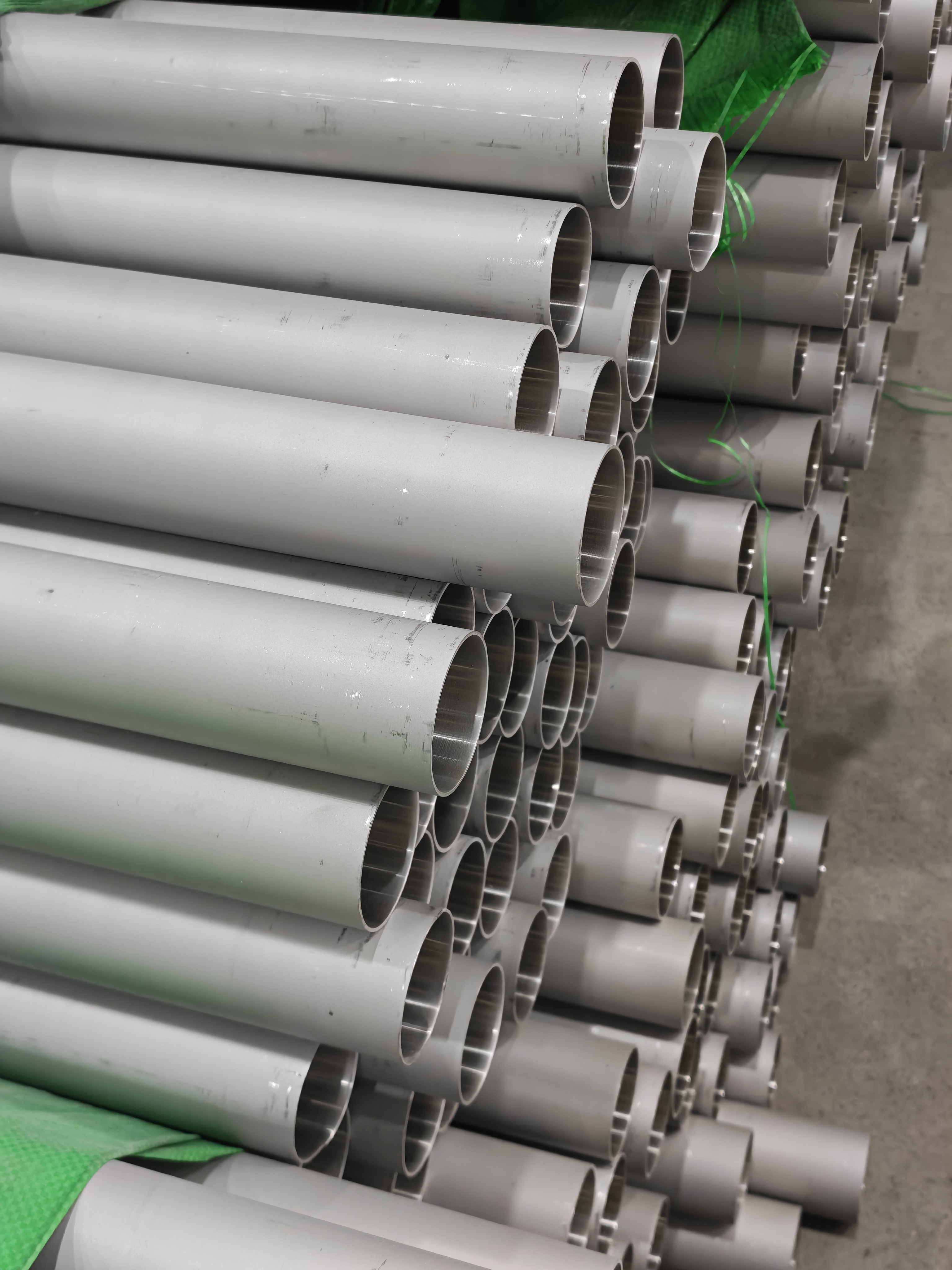
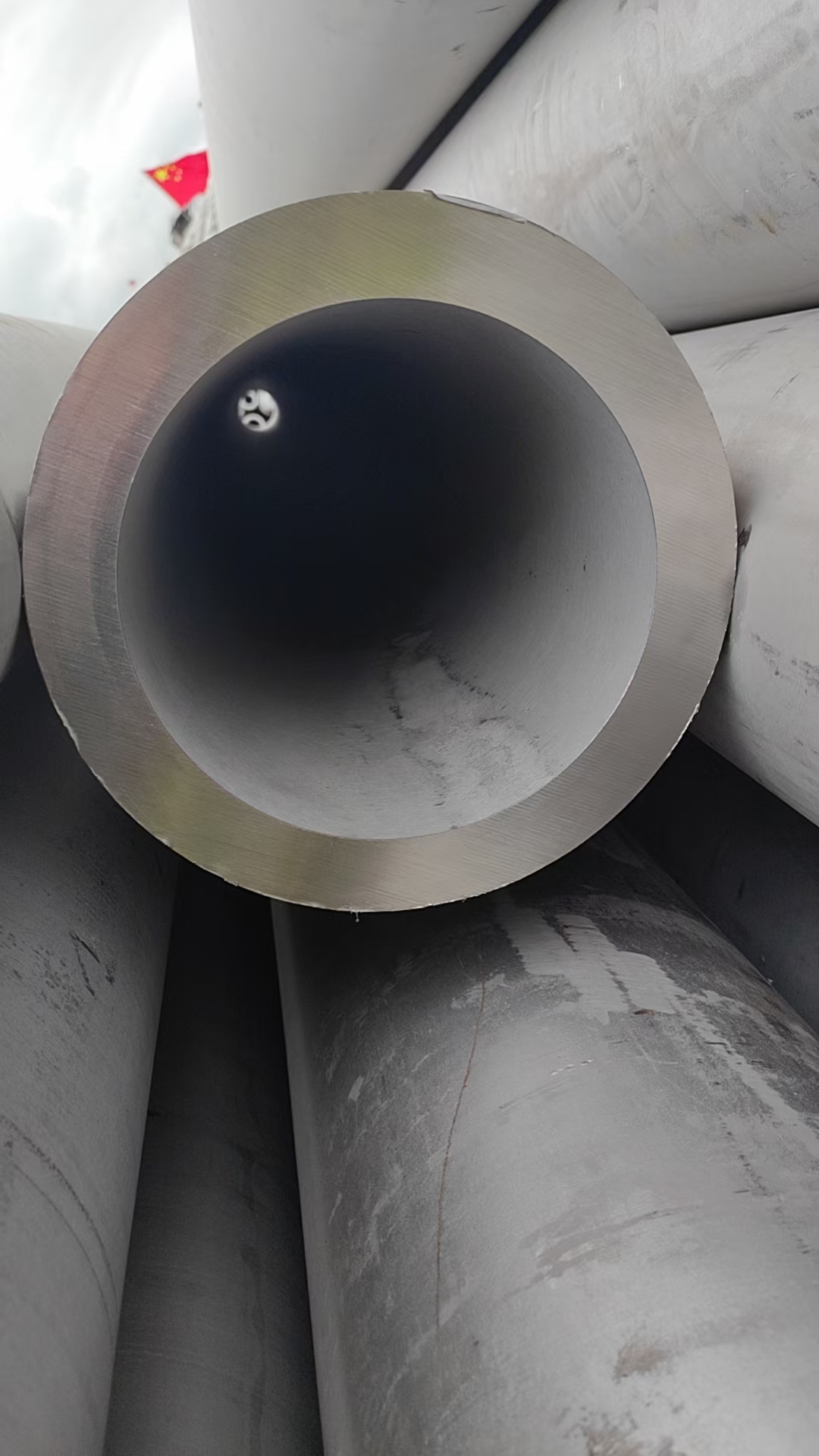
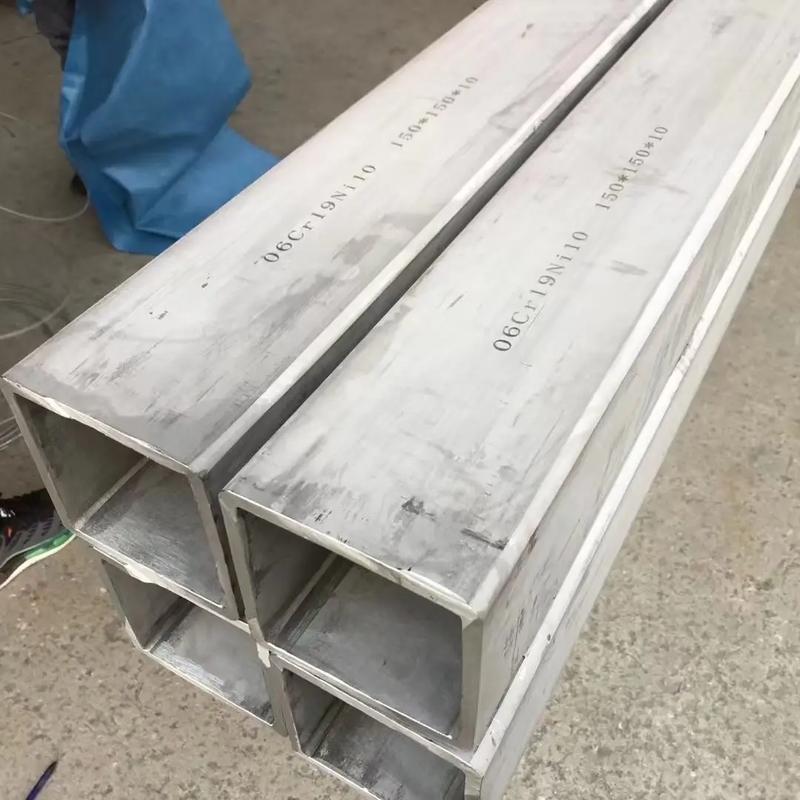
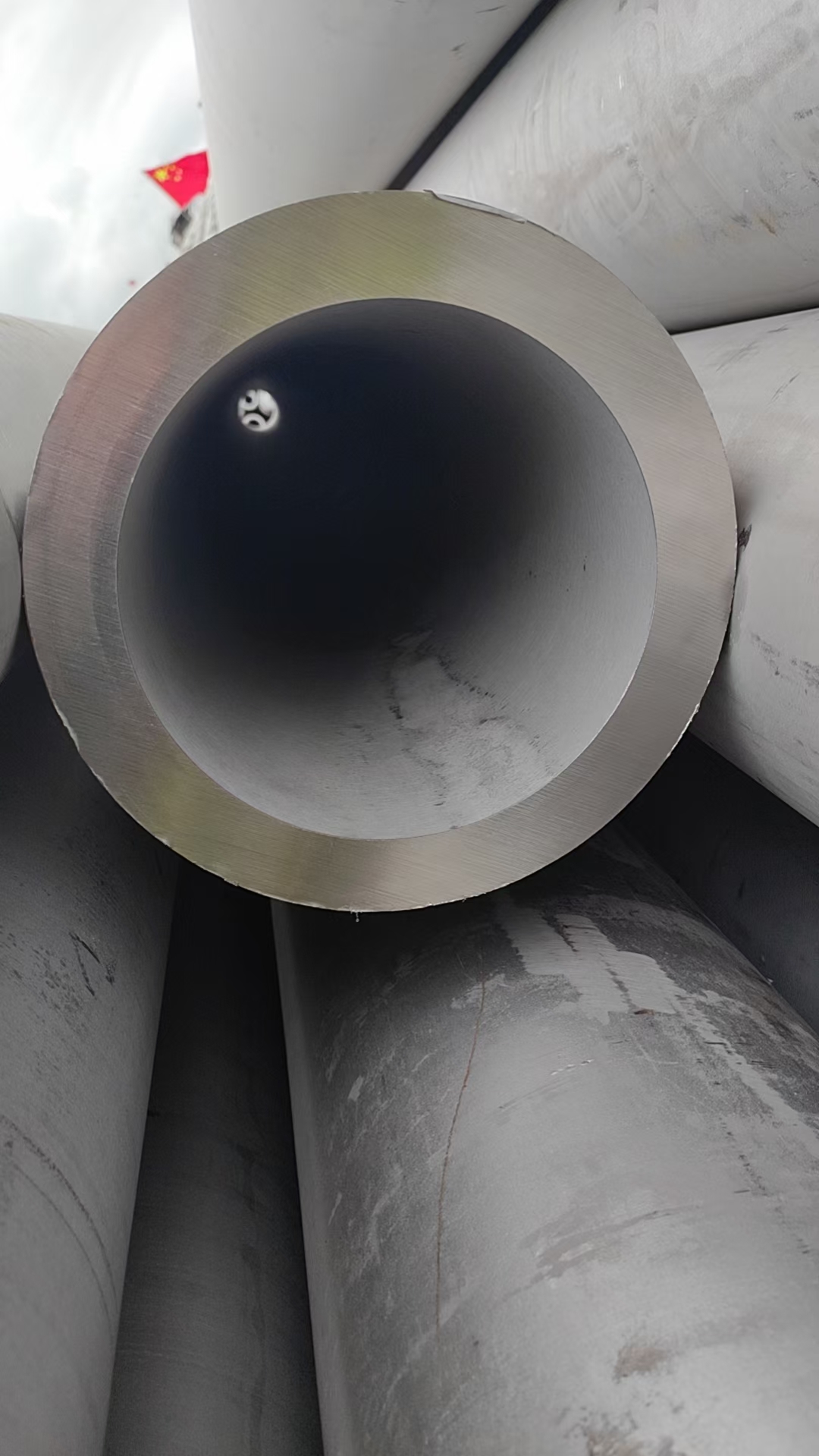
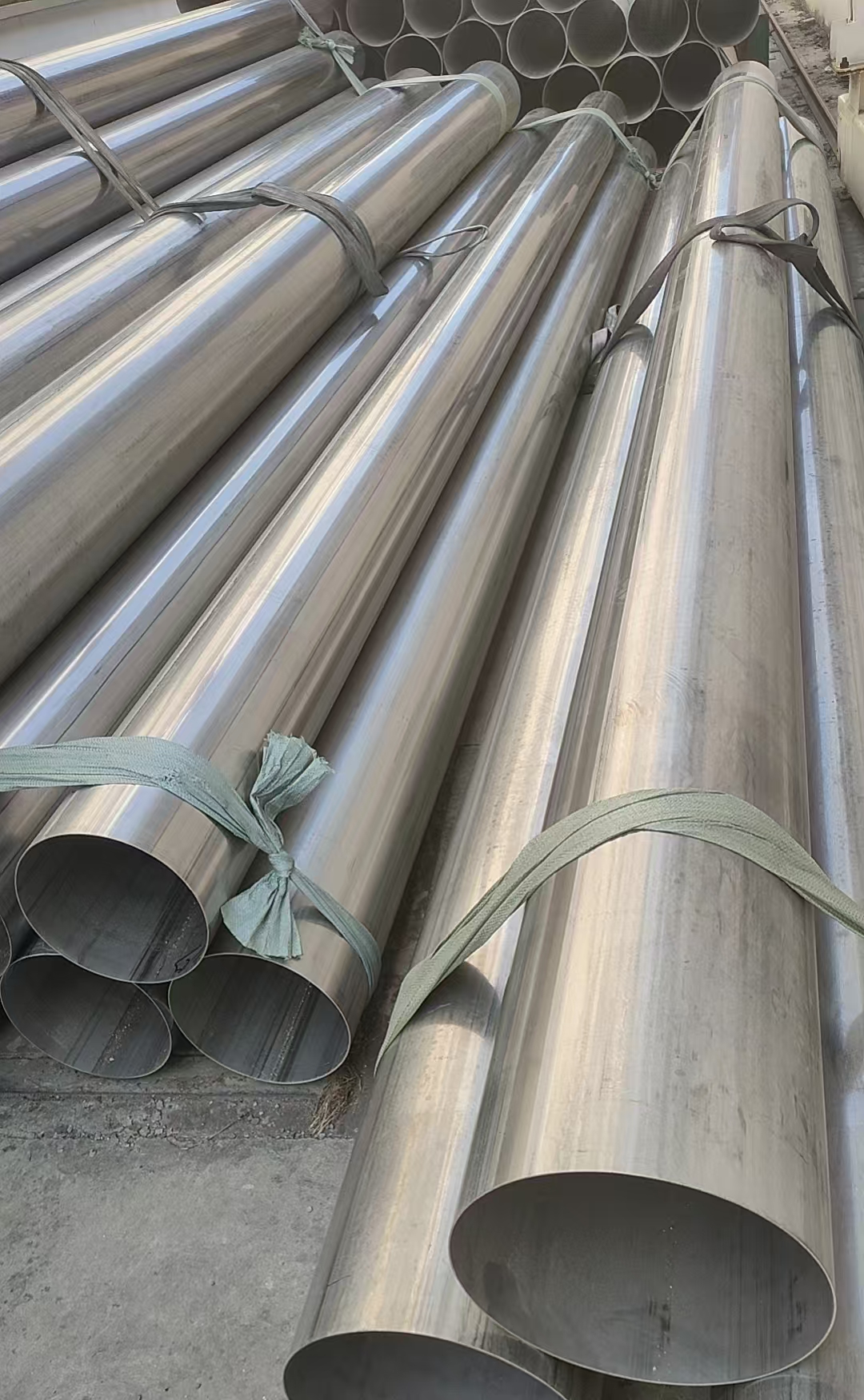
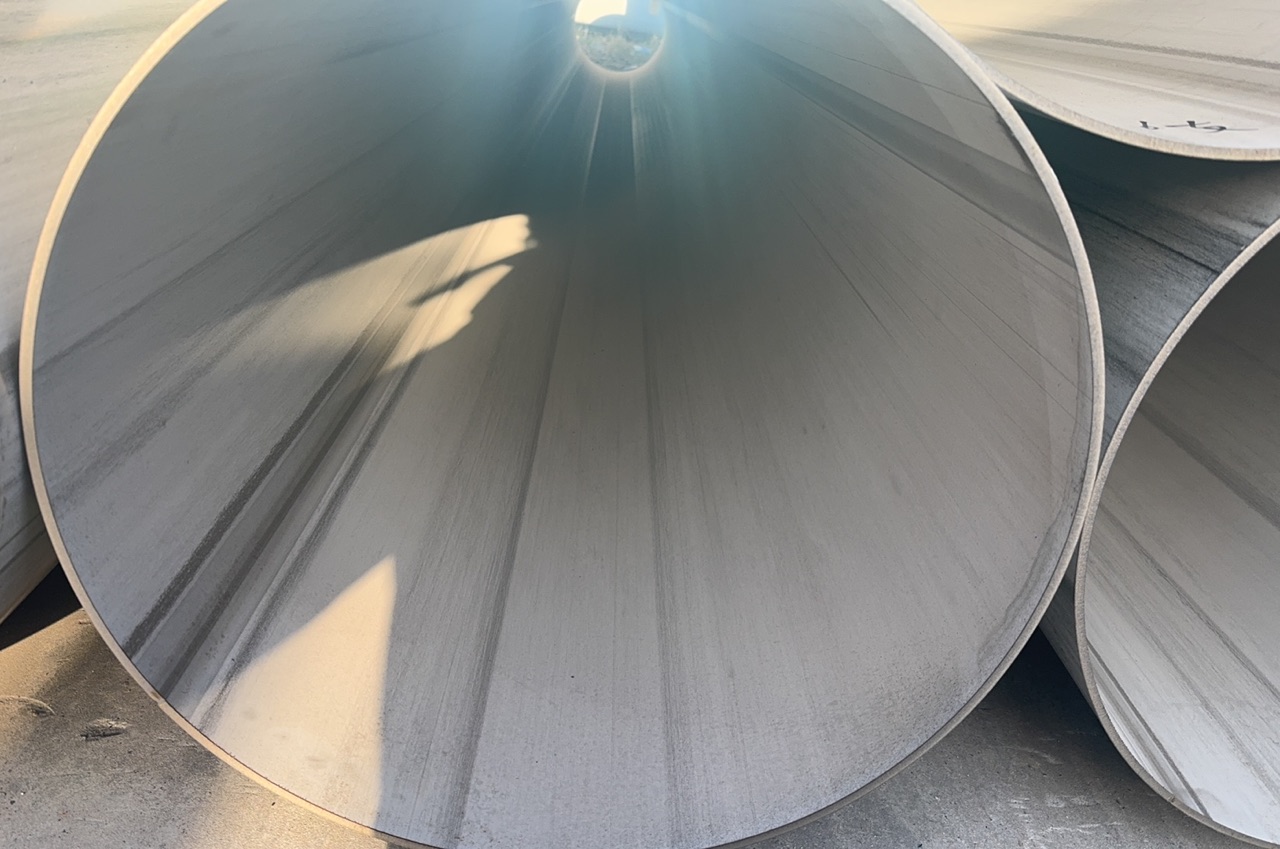
Seam pipe and seamless pipe represent two fundamental manufacturing approaches in the steel pipe industry, each offering distinct characteristics that serve different industrial applications. Seam pipe, also known as welded pipe, is produced by forming flat steel strips into a cylindrical shape and joining the edges through various welding techniques such as electric resistance welding (ERW), submerged arc welding (SAW), or high-frequency welding. This manufacturing process creates a visible seam along the length of the pipe, which serves as the structural joint that maintains the pipe's integrity. The seam pipe manufacturing process allows for efficient production of large quantities while maintaining cost-effectiveness, making it an attractive option for many commercial and industrial applications. Seamless pipe, in contrast, is manufactured through a completely different process that involves piercing a solid steel billet to create a hollow cylinder without any welded joints. This manufacturing technique eliminates the presence of any seam or weld line, resulting in a uniform structure throughout the entire pipe wall thickness. The seamless pipe production process typically involves heating steel billets to extremely high temperatures and then using specialized equipment to pierce and expand the material into the desired pipe dimensions. Both seam pipe and seamless pipe serve critical functions in various industries including oil and gas transportation, water distribution systems, structural applications, and manufacturing processes. The technological features of seam pipe include predictable mechanical properties along the welded seam, standardized production methods that ensure consistent quality, and the ability to produce pipes with precise dimensional tolerances. Seamless pipe technology features include superior pressure resistance capabilities, excellent corrosion resistance properties, and uniform wall thickness distribution that enhances overall structural performance. Applications for these pipe types span across petroleum refining, chemical processing, power generation, construction projects, and fluid transportation systems where reliability and durability are paramount considerations for project success.

Popular Products

Seam pipe and seamless pipe offer numerous practical advantages that directly benefit customers across various industrial sectors. Seam pipe provides exceptional cost-effectiveness compared to seamless alternatives, making it an ideal choice for projects with budget constraints while still maintaining reliable performance standards. The manufacturing process of seam pipe allows for faster production times, which translates to shorter delivery schedules and reduced project timelines for customers. This efficiency helps companies meet tight deadlines and maintain operational momentum without compromising quality standards. Seam pipe also offers excellent dimensional accuracy and consistency, ensuring that installation processes proceed smoothly and connections fit properly the first time. The welding technology used in seam pipe production has advanced significantly, creating strong and durable joints that withstand normal operating conditions effectively. Seamless pipe delivers superior pressure handling capabilities, making it the preferred choice for high-pressure applications where safety and reliability cannot be compromised. The absence of welded seams eliminates potential weak points, providing customers with enhanced confidence in critical applications. Seamless pipe demonstrates excellent resistance to fatigue and stress corrosion cracking, extending service life and reducing maintenance requirements over time. This durability translates to lower total cost of ownership for customers who value long-term performance. The uniform wall thickness of seamless pipe ensures consistent flow characteristics and predictable hydraulic performance, which is crucial for precision applications. Both pipe types offer excellent corrosion resistance when properly treated and coated, protecting customer investments from environmental degradation. The availability of various grades and specifications in both seam pipe and seamless pipe allows customers to select the most appropriate option for their specific operating conditions. Quality control measures during manufacturing ensure that both pipe types meet stringent industry standards and customer requirements. The versatility of these pipe types enables customers to use them in diverse applications ranging from structural support to fluid transportation systems. Installation procedures for both seam pipe and seamless pipe are well-established, reducing installation costs and complexity for customers. The proven track record of both pipe types across multiple industries provides customers with confidence in their performance and reliability for critical applications.

Practical Tips

Strongwin Stainless Steel Group Achieves ISO 90012015 Certification and AD 2000 Merkblatt Approval

28

Feb

Strongwin Stainless Steel Group Achieves ISO 90012015 Certification and AD 2000 Merkblatt Approval

View More
Strongwin Stainless Steel Group Announces Major Production Capacity Expansion to Meet Growing Global Demand

11

Mar

Strongwin Stainless Steel Group Announces Major Production Capacity Expansion to Meet Growing Global Demand

View More
Strongwin Stainless Steel Group Announces Strategic Partnership with Leading European Engineering Firm

11

Mar

Strongwin Stainless Steel Group Announces Strategic Partnership with Leading European Engineering Firm

View More

Get a Free Quote

Our representative will contact you soon.
Email
Mobile/WhatsApp
Name
Company Name
Message
0/1000

seam pipe and seamless pipe

Superior Pressure Resistance and Structural Integrity

Superior Pressure Resistance and Structural Integrity

The structural integrity and pressure resistance capabilities of seam pipe and seamless pipe represent one of their most significant advantages, providing customers with reliable solutions for demanding applications. Seamless pipe excels in high-pressure environments due to its uniform wall construction that eliminates potential failure points commonly associated with welded joints. The manufacturing process creates a homogeneous structure throughout the pipe wall, ensuring consistent material properties that can withstand extreme pressure conditions without compromising safety. This characteristic makes seamless pipe particularly valuable in oil and gas drilling operations, high-pressure steam systems, and hydraulic applications where system failure could result in catastrophic consequences. The absence of seam lines means that stress concentrations are distributed evenly across the pipe wall, reducing the likelihood of fatigue failures that could develop over time under cyclic loading conditions. Seam pipe, while featuring a welded joint, incorporates advanced welding technologies that create strong and reliable connections capable of handling substantial pressure loads. Modern seam pipe manufacturing employs sophisticated quality control measures including non-destructive testing methods that verify the integrity of welded seams before products reach customers. The welding processes used in seam pipe production, such as electric resistance welding and submerged arc welding, create metallurgical bonds that often exceed the strength of the base material itself. This ensures that properly manufactured seam pipe can perform reliably in medium to high-pressure applications while offering significant cost advantages over seamless alternatives. Both pipe types undergo rigorous testing procedures including hydrostatic pressure testing, which validates their ability to safely contain pressurized fluids under specified operating conditions. The pressure ratings for seam pipe and seamless pipe are clearly defined by industry standards, allowing customers to select appropriate products based on their specific system requirements. The structural integrity of these pipes extends beyond pressure resistance to include excellent performance under various loading conditions such as bending, tension, and compression forces that may occur during installation or operation.
Cost-Effectiveness and Production Efficiency

Cost-Effectiveness and Production Efficiency

The economic advantages of seam pipe and seamless pipe provide substantial value propositions for customers seeking optimal balance between performance and investment requirements. Seam pipe manufacturing offers exceptional cost-effectiveness through efficient production processes that utilize readily available steel strip materials and automated welding systems. This manufacturing approach allows for high-volume production with consistent quality control, resulting in lower per-unit costs that benefit customers with budget-conscious projects. The production efficiency of seam pipe enables manufacturers to respond quickly to market demands and customer orders, reducing lead times and helping customers maintain project schedules. The economies of scale achieved through seam pipe manufacturing translate directly into cost savings that customers can realize without sacrificing essential performance characteristics. Raw material utilization in seam pipe production is highly efficient, minimizing waste and contributing to overall cost reduction while supporting environmental sustainability goals. Seamless pipe, while typically more expensive than seam pipe, provides excellent long-term value through reduced maintenance requirements and extended service life in demanding applications. The durability characteristics of seamless pipe often justify the higher initial investment through lower total cost of ownership over the product lifecycle. Production efficiency in seamless pipe manufacturing has improved significantly through technological advances in piercing and rolling equipment, helping to moderate cost differences while maintaining superior quality standards. Both pipe types benefit from standardized manufacturing processes that ensure consistent quality and performance, reducing the risk of costly failures or rework for customers. The availability of multiple suppliers for both seam pipe and seamless pipe creates competitive market conditions that help maintain reasonable pricing while encouraging continuous improvement in quality and service. Customers can optimize their procurement strategies by selecting the most appropriate pipe type based on application requirements, operating conditions, and budget constraints. The cost-effectiveness extends beyond initial purchase price to include installation efficiency, as both pipe types are designed for standard connection methods that minimize labor costs and installation time.
Versatile Applications and Industry Adaptability

Versatile Applications and Industry Adaptability

The remarkable versatility and industry adaptability of seam pipe and seamless pipe make them indispensable components across diverse sectors, providing customers with flexible solutions that meet varied operational requirements. Seam pipe demonstrates exceptional adaptability in structural applications where moderate pressure requirements and cost considerations are primary factors, making it ideal for building construction, infrastructure projects, and general industrial applications. The manufacturing flexibility of seam pipe allows for production of various sizes, wall thicknesses, and steel grades that accommodate specific customer requirements across different industries. Seamless pipe excels in specialized applications requiring superior performance characteristics, such as aerospace components, precision hydraulic systems, and critical process equipment where reliability cannot be compromised. The oil and gas industry relies heavily on both seam pipe and seamless pipe for different applications, with seamless pipe preferred for high-pressure downhole operations and seam pipe suitable for surface transportation systems and storage facilities. Water treatment and distribution systems benefit from the corrosion resistance and reliability of both pipe types, with selection dependent on pressure requirements, environmental conditions, and economic considerations. Chemical processing industries utilize seamless pipe for reactor systems and high-pressure vessels where material integrity is crucial, while seam pipe serves effectively in lower-pressure transport and storage applications. Power generation facilities employ both pipe types strategically, using seamless pipe for high-pressure steam systems and seam pipe for cooling water circulation and auxiliary systems. The automotive industry incorporates seamless pipe in hydraulic systems and exhaust components where precision and durability are essential, while seam pipe finds applications in structural chassis components. Construction and infrastructure projects benefit from the availability of both pipe types, allowing engineers to optimize designs based on specific load requirements, environmental exposure, and budget parameters. Manufacturing industries appreciate the standardized specifications and consistent availability of both seam pipe and seamless pipe, enabling reliable supply chain management and production planning. The adaptability of these pipe types extends to custom applications where specific material grades, coatings, or dimensional requirements can be accommodated through established manufacturing processes.

Get a Free Quote

Our representative will contact you soon.
Email
Mobile/WhatsApp
Name
Company Name
Message
0/1000