Hygienic Design for Regulated Industries
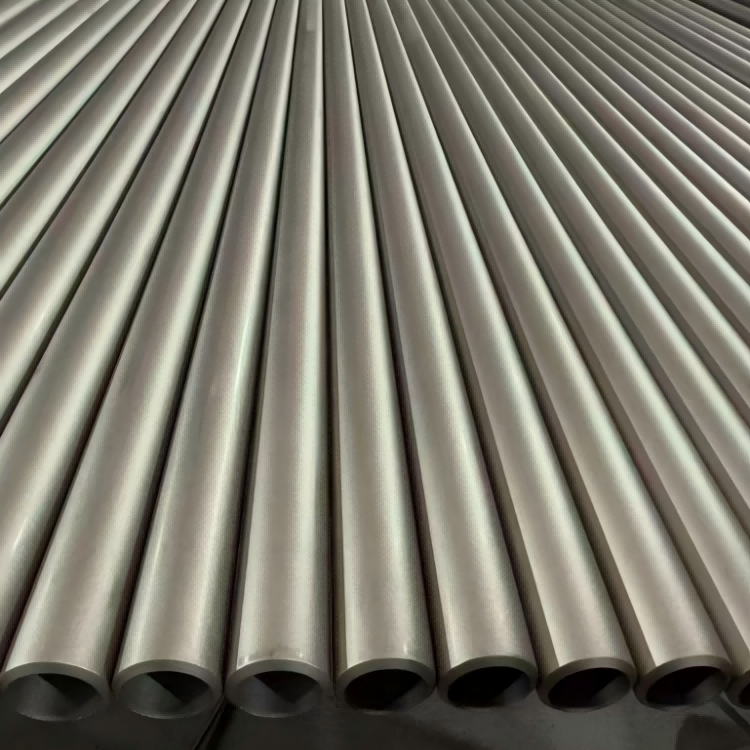
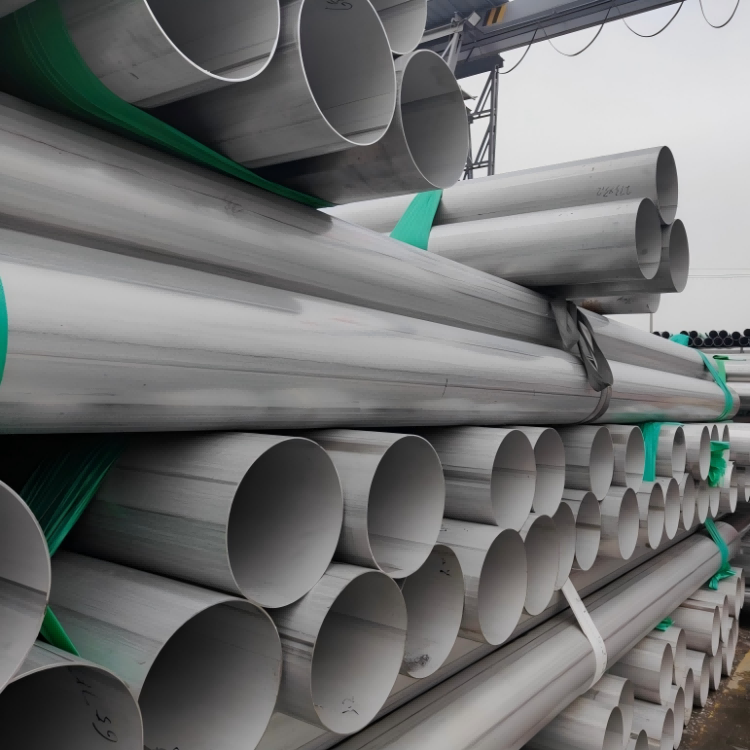
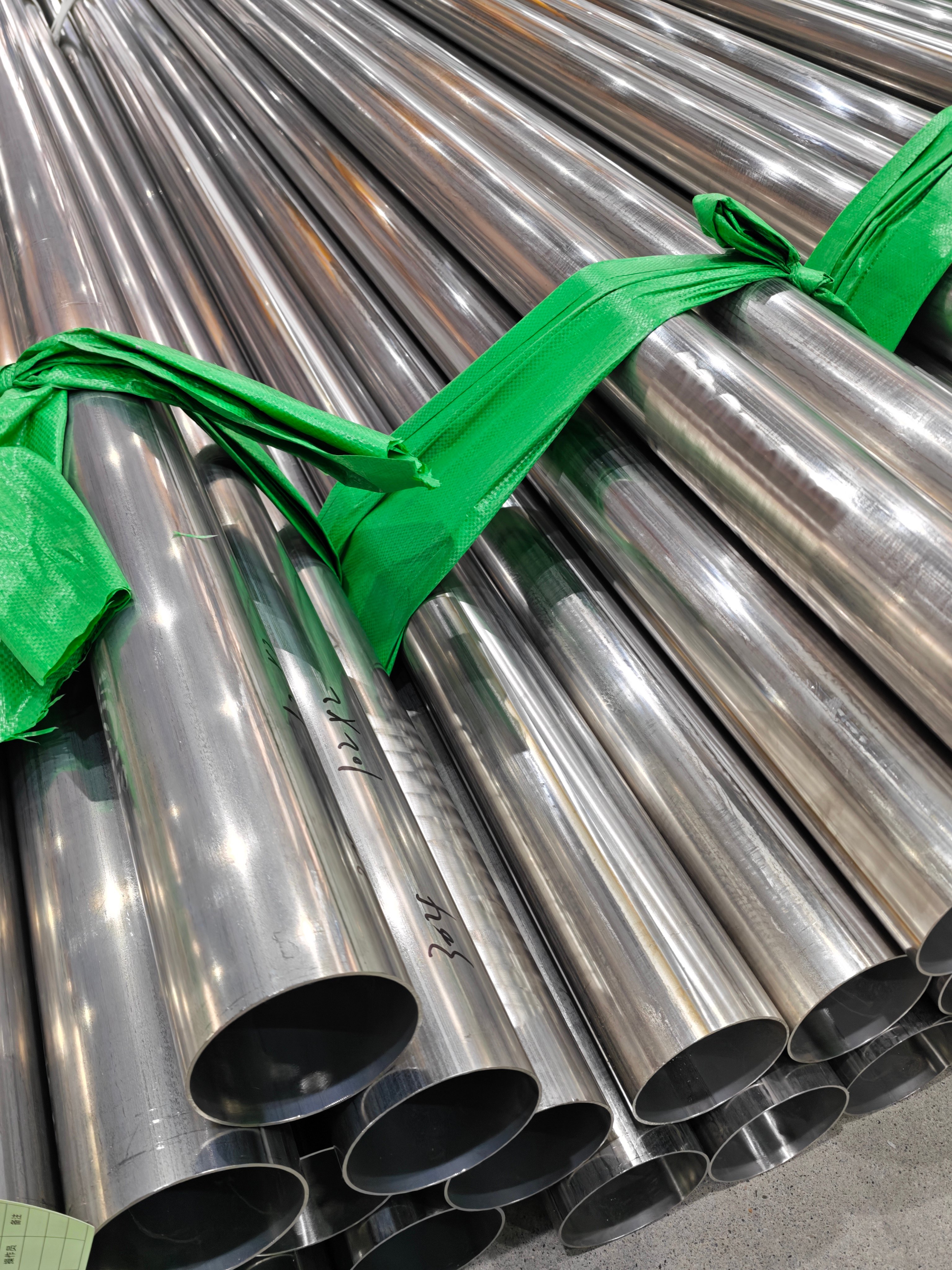
Seamless stainless steel pipe suppliers deliver products meeting stringent regulatory requirements across pharmaceutical, biotechnology, and food processing sectors. The absence of welded seams eliminates microscopic crevices where bacterial biofilms could develop, ensuring superior hygienic performance compared to welded alternatives. Seamless stainless steel pipe suppliers' smooth interior surfaces facilitate rapid cleaning and sterilization processes, reducing product contamination risks and improving operational efficiency. Pharmaceutical manufacturers specify seamless stainless steel pipe suppliers' products for their biocompatibility and compatibility with aggressive sterilizing agents. The surface finish achieved by seamless stainless steel pipe suppliers exceeds cleanroom standards required by regulated industries, supporting compliance with FDA, EU GMP, and international standards. Food processing facilities depend on seamless stainless steel pipe suppliers for maintaining product integrity and preventing cross-contamination. Investing in seamless stainless steel pipe suppliers' specialized products ensures regulatory compliance, reduces product recalls, and protects brand reputation in quality-sensitive markets.
 EN
EN