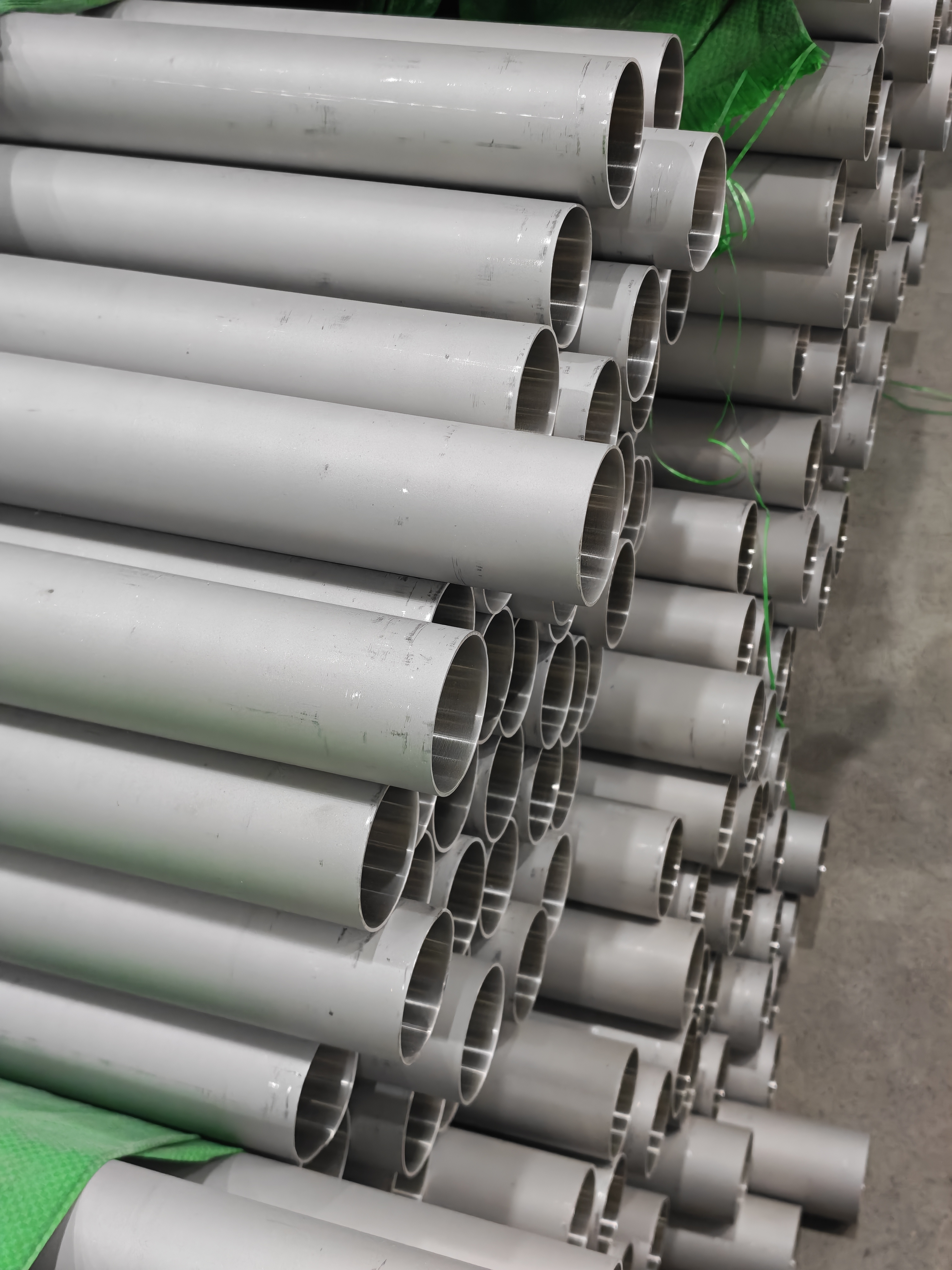
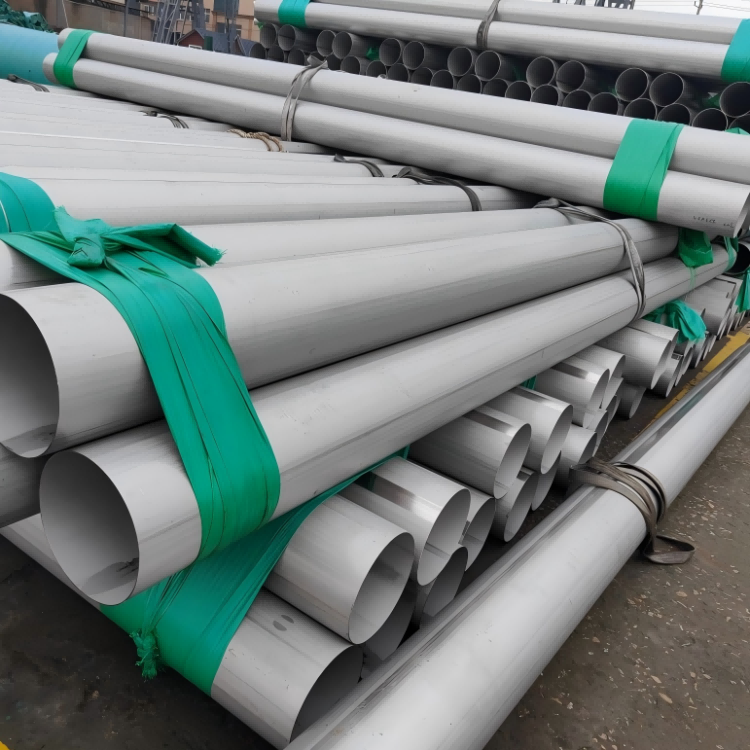
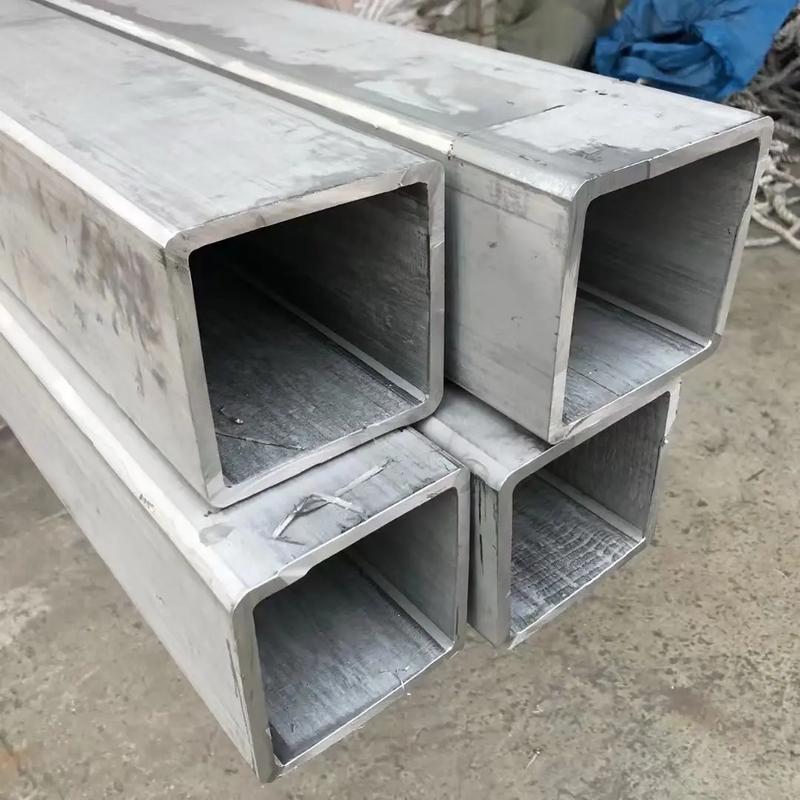
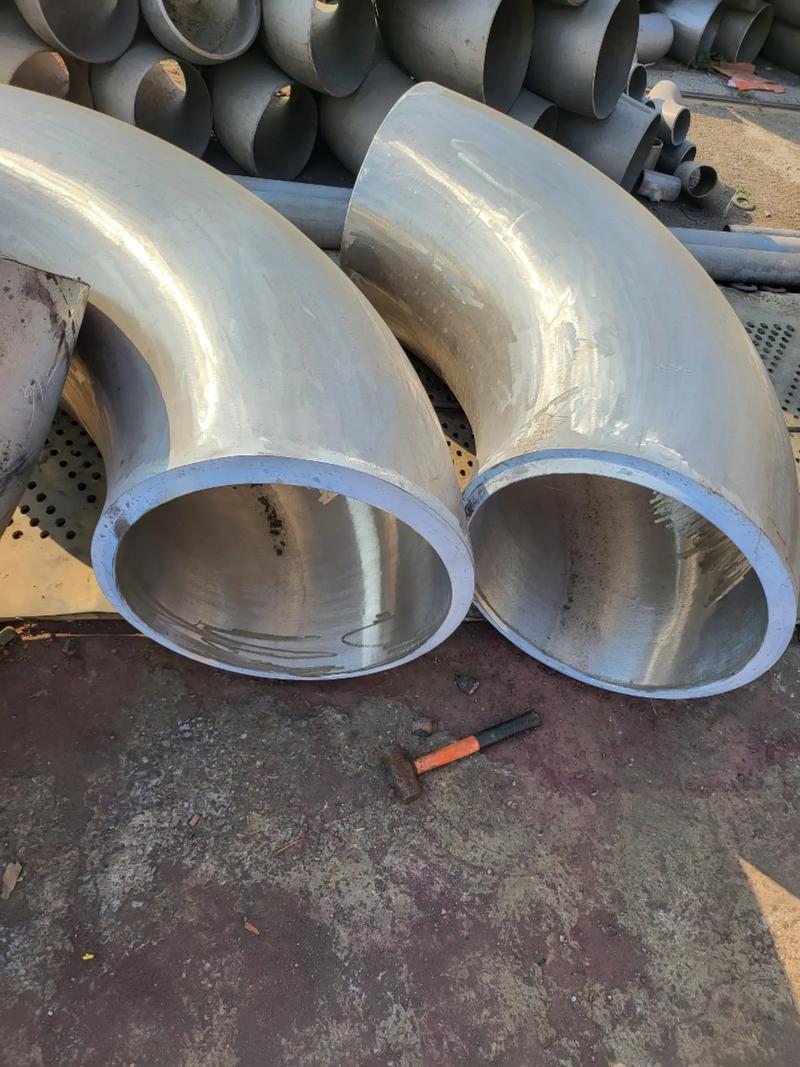
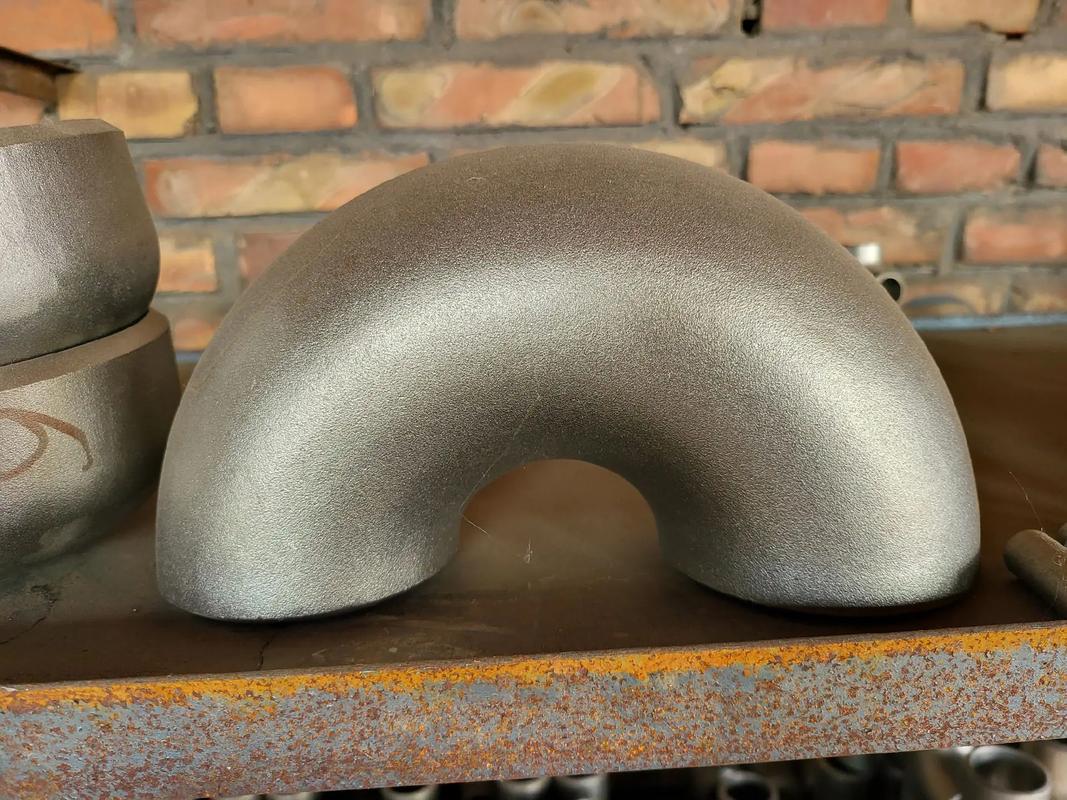
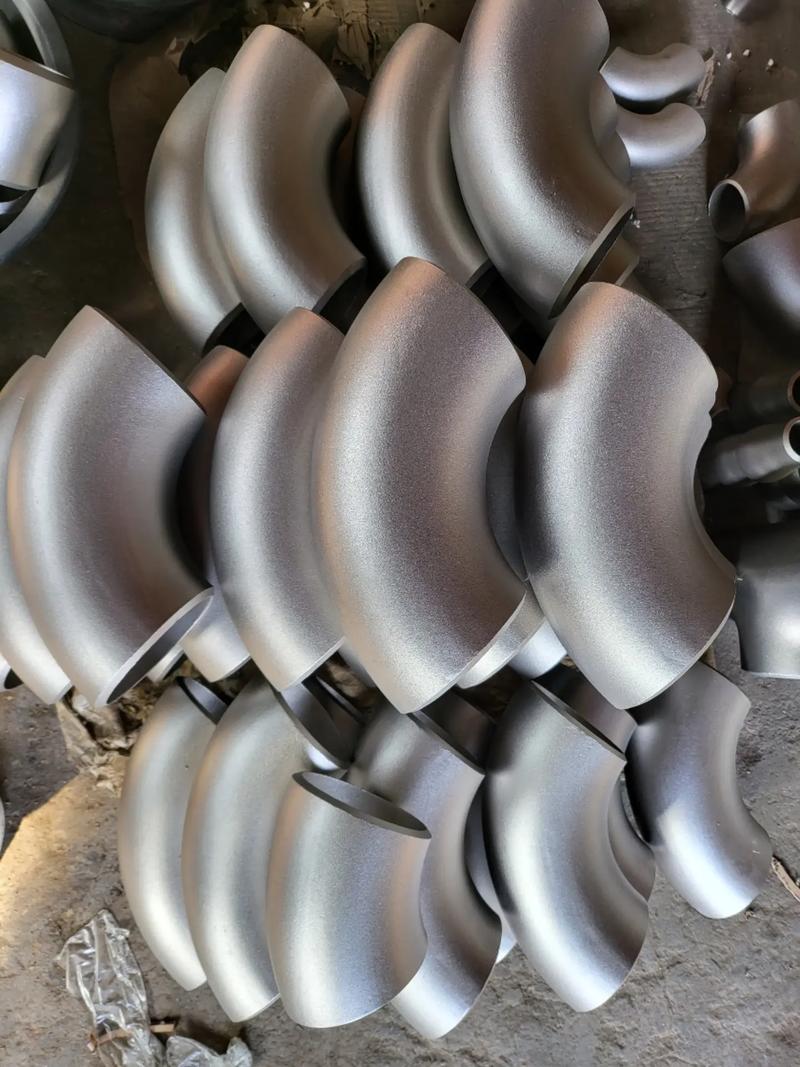
stainless steel pipe fittings manufacturer
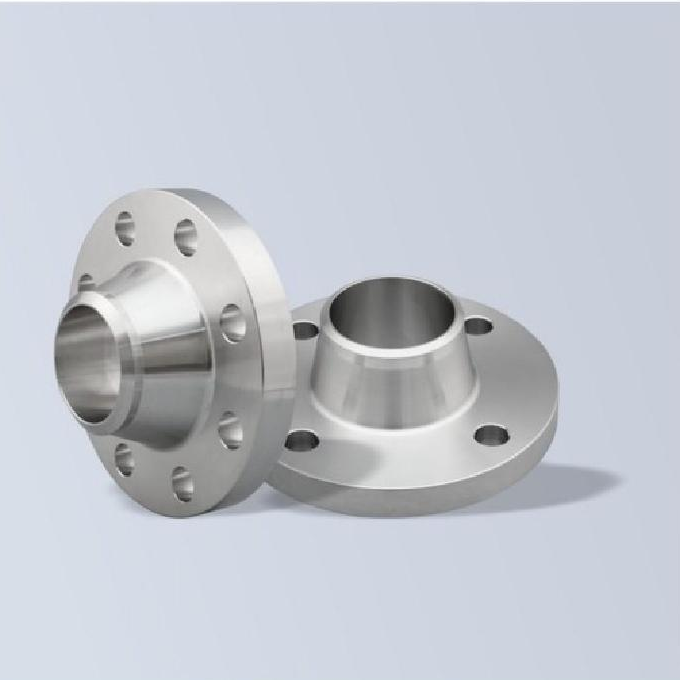
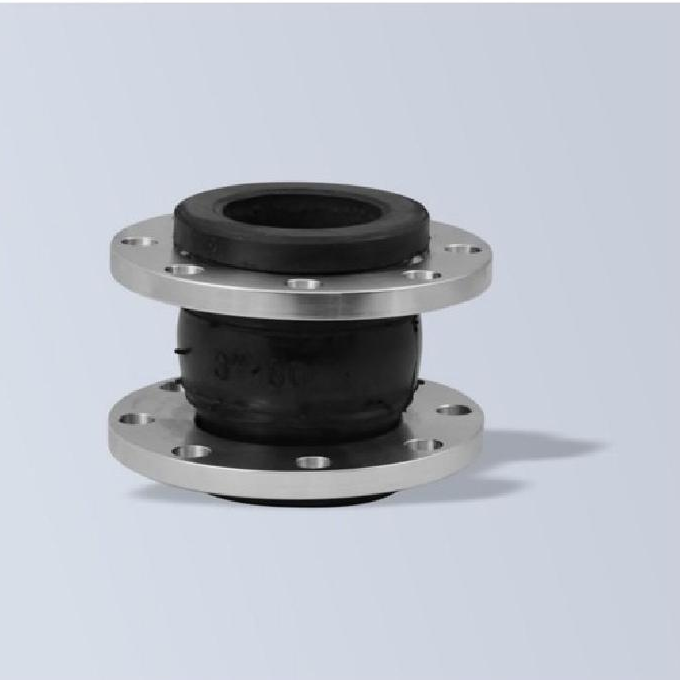
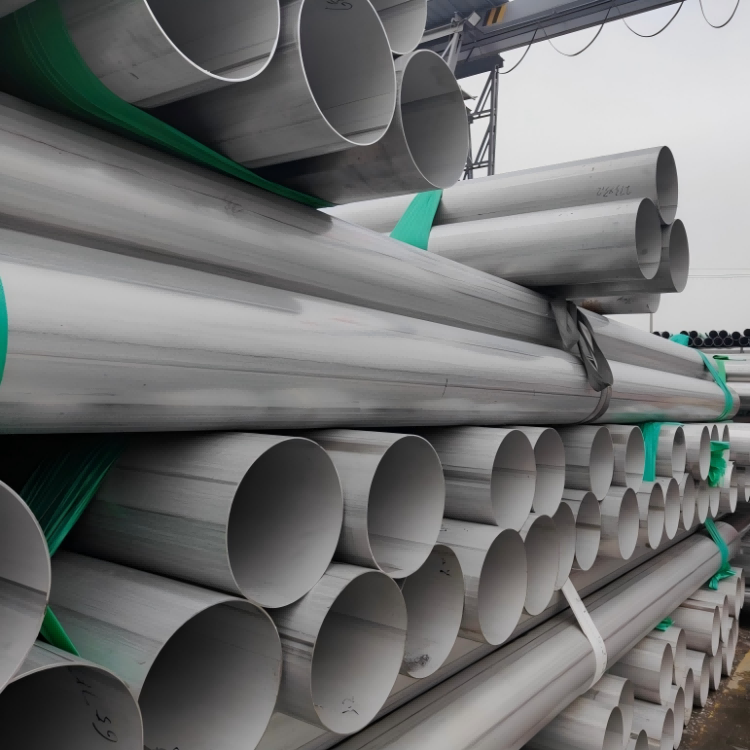
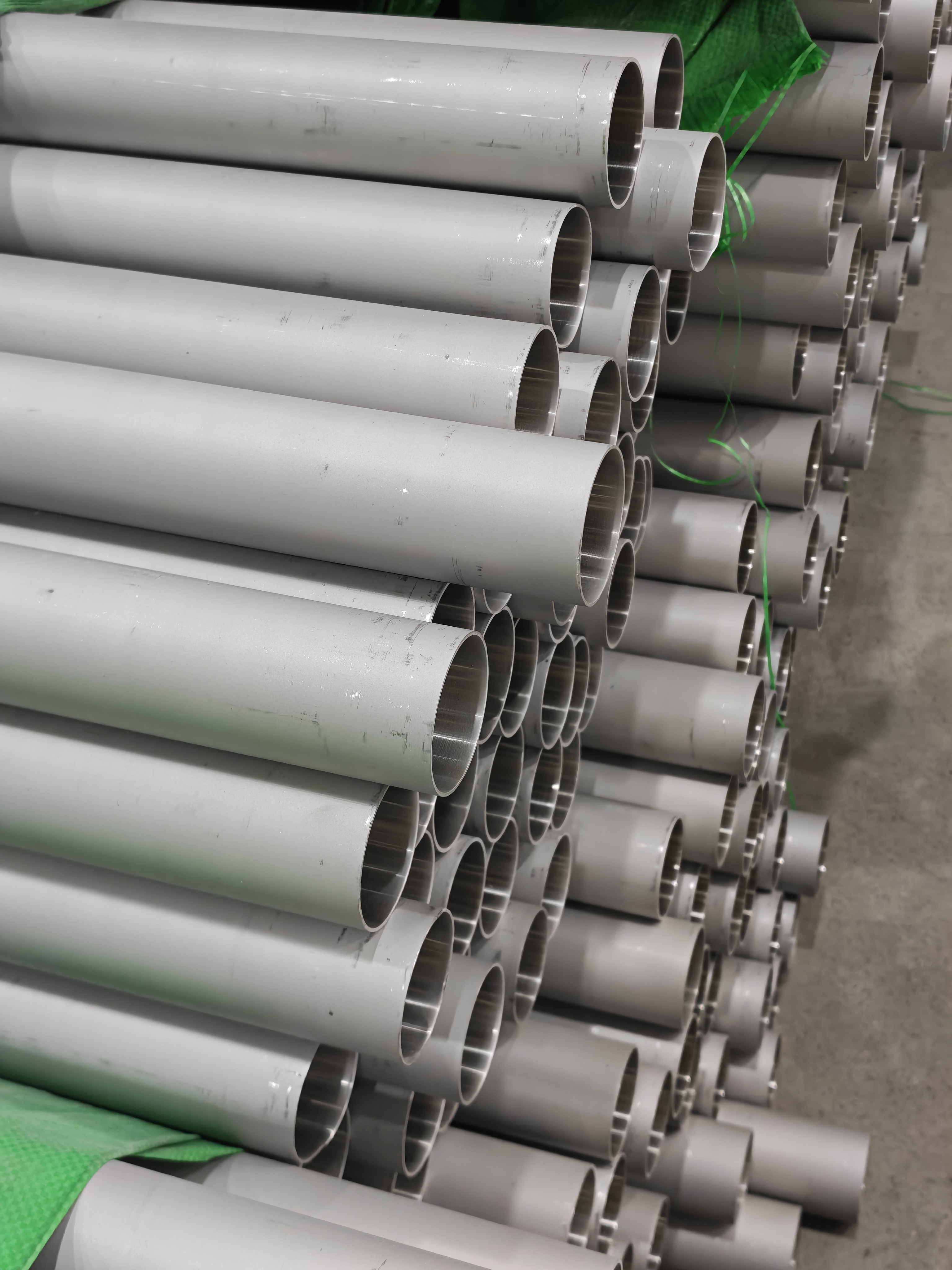
A stainless steel pipe fittings manufacturer specializes in producing high-quality connectors and joining components designed to create secure, leak-free connections in piping systems. These essential components serve critical functions across numerous industries, from oil and gas to chemical processing, pharmaceuticals, and water treatment facilities.
The stainless steel pipe fittings manufacturer creates products including elbows, tees, couplings, unions, and adapters that facilitate fluid or gas transfer while maintaining system integrity. The primary function involves connecting pipes of varying diameters while withstanding extreme pressures, temperatures, and corrosive environments.
Technological features distinguish modern manufacturing processes. Advanced precision machining ensures exact dimensional tolerances, while material selection focuses on superior stainless steel grades offering exceptional corrosion resistance and durability. Many stainless steel pipe fittings manufacturer operations employ computer-aided design and automated production systems to guarantee consistency and quality.
Applications span diverse sectors. Chemical plants rely on these fittings for transporting hazardous materials safely. Pharmaceutical facilities require sterile, contamination-free connections. Maritime industries depend on corrosion-resistant fittings for saltwater environments. HVAC systems, refrigeration units, and food processing equipment all utilize professionally manufactured pipe fittings.
A reputable stainless steel pipe fittings manufacturer combines material expertise, precision engineering, and quality assurance protocols to deliver products meeting international standards and regulatory requirements. This manufacturing discipline ensures end-users receive fittings that perform reliably under demanding conditions while minimizing maintenance costs and operational risks throughout extended service lifespans.
 EN
EN