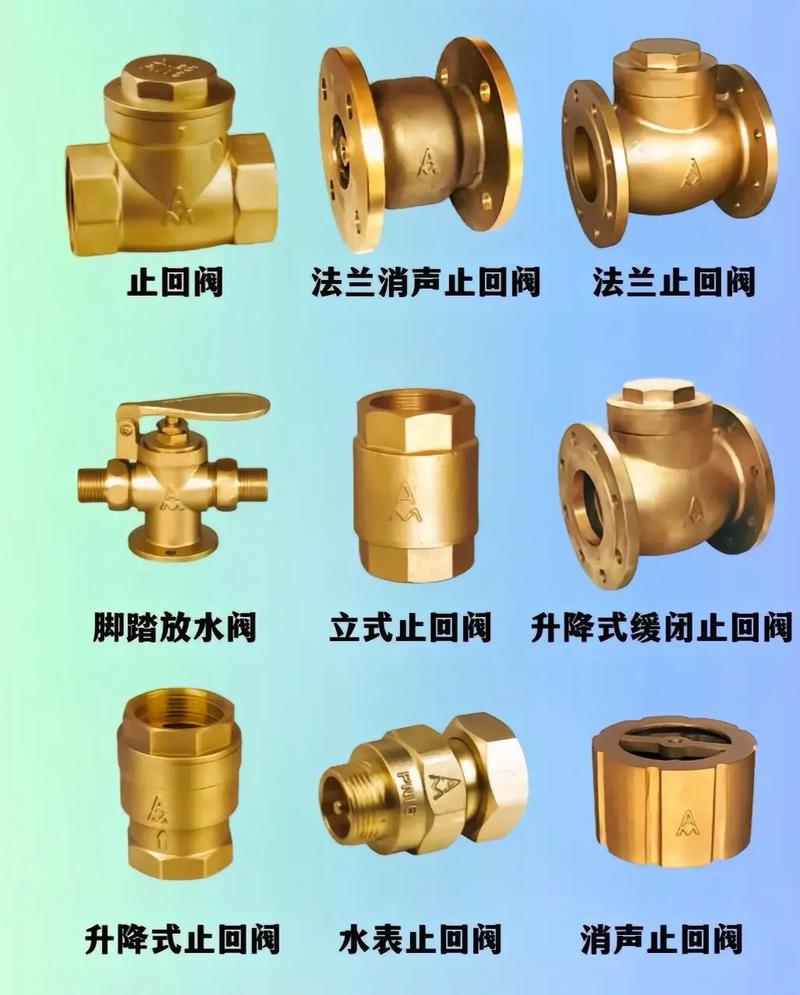
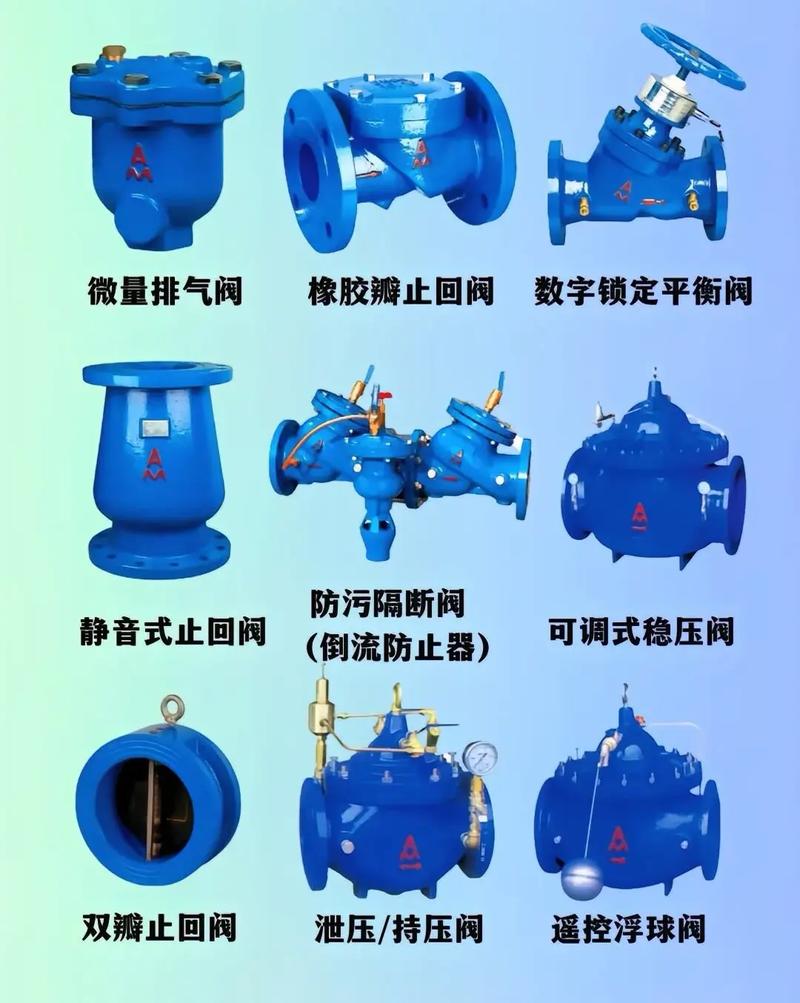
type of valve used in piping
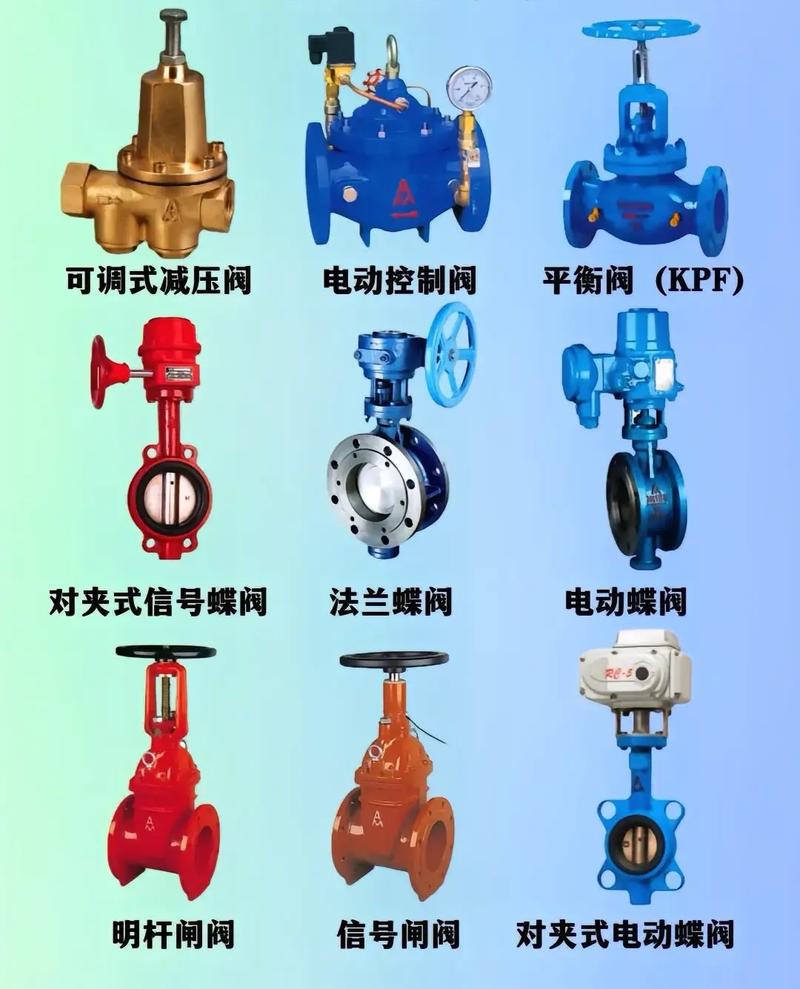
A ball valve represents one of the most popular types of valve used in piping systems across industrial and residential applications. This type of valve used in piping features a spherical closure element with a cylindrical bore that controls fluid flow through a quarter-turn operation. The design of this type of valve used in piping makes it exceptionally reliable for both on-off control and throttling applications.
Ball valves function by rotating a perforated ball inside the valve body. When the handle aligns with the pipe, the bore opens fully, allowing maximum flow. A ninety-degree rotation closes the valve completely, blocking all passage. This type of valve used in piping operates efficiently with minimal pressure drop during full-flow conditions.
The technological features of this type of valve used in piping include durable construction materials like stainless steel, brass, or plastic compounds. These materials resist corrosion and withstand high temperatures and pressures. The spherical design ensures a tight seal, preventing leaks and minimizing maintenance requirements. Advanced manufacturing techniques create smooth bore passages that optimize flow dynamics.
Applications for this type of valve used in piping span multiple industries. Oil and gas operations rely on ball valves for critical pipeline control. Water treatment facilities use them to manage distribution networks. Chemical processing plants employ ball valves for safe handling of corrosive substances. HVAC systems utilize ball valves to regulate heating and cooling fluid circulation. Commercial kitchens and residential plumbing systems benefit from their reliability and straightforward operation.
 EN
EN