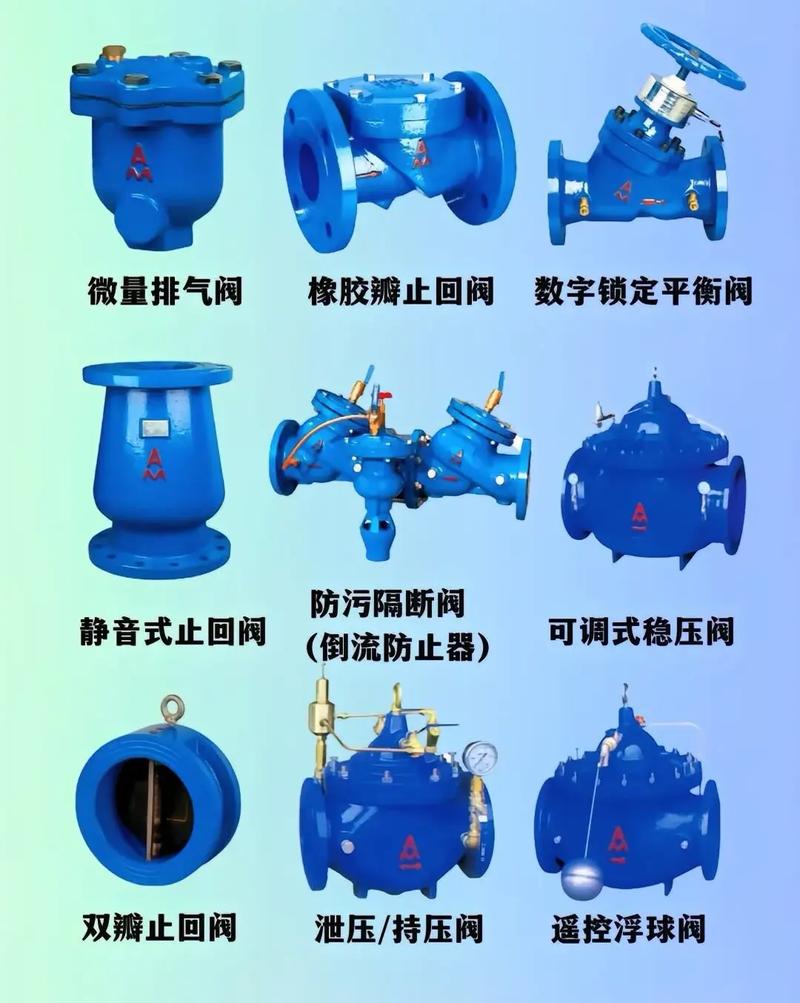
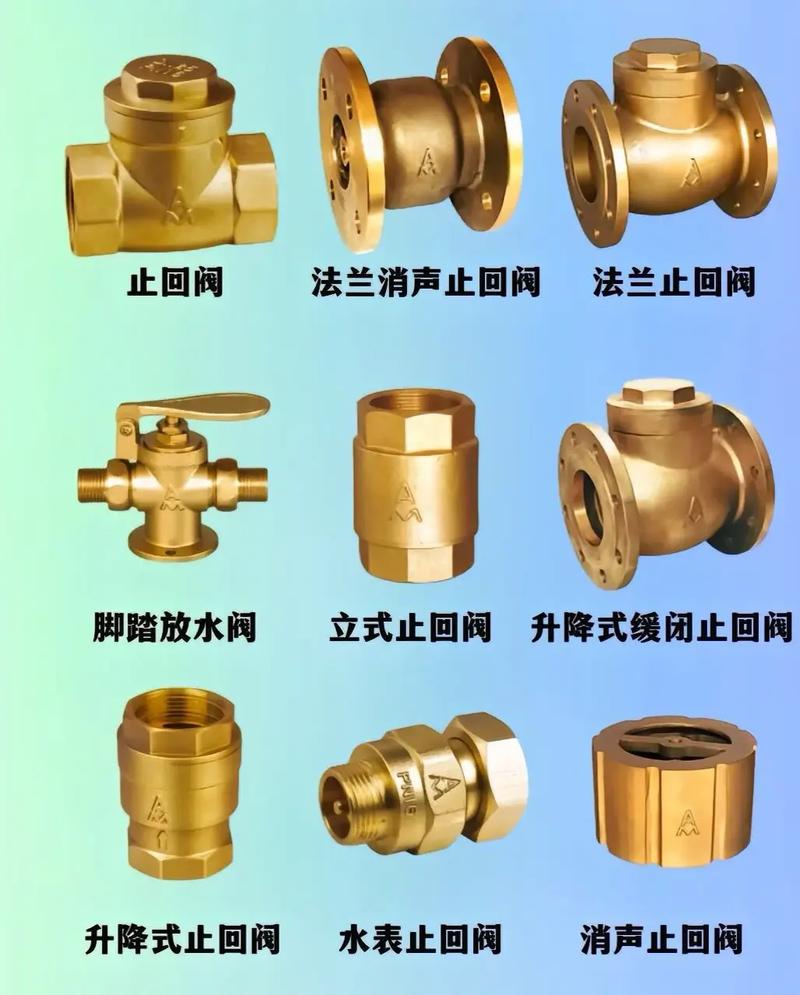
plumbing stop valves types
Plumbing stop valves types represent essential components in modern water management systems, serving as critical shut-off mechanisms for residential and commercial plumbing installations. Understanding the various plumbing stop valves types available helps property owners make informed decisions about their water infrastructure needs.
The primary function of plumbing stop valves types is to control and isolate water flow to specific areas or fixtures within a property. These valves enable homeowners and plumbers to shut off water supply quickly during emergencies, maintenance, or repairs without affecting the entire building's water system. Different plumbing stop valves types serve distinct purposes, each engineered with specific technological features.
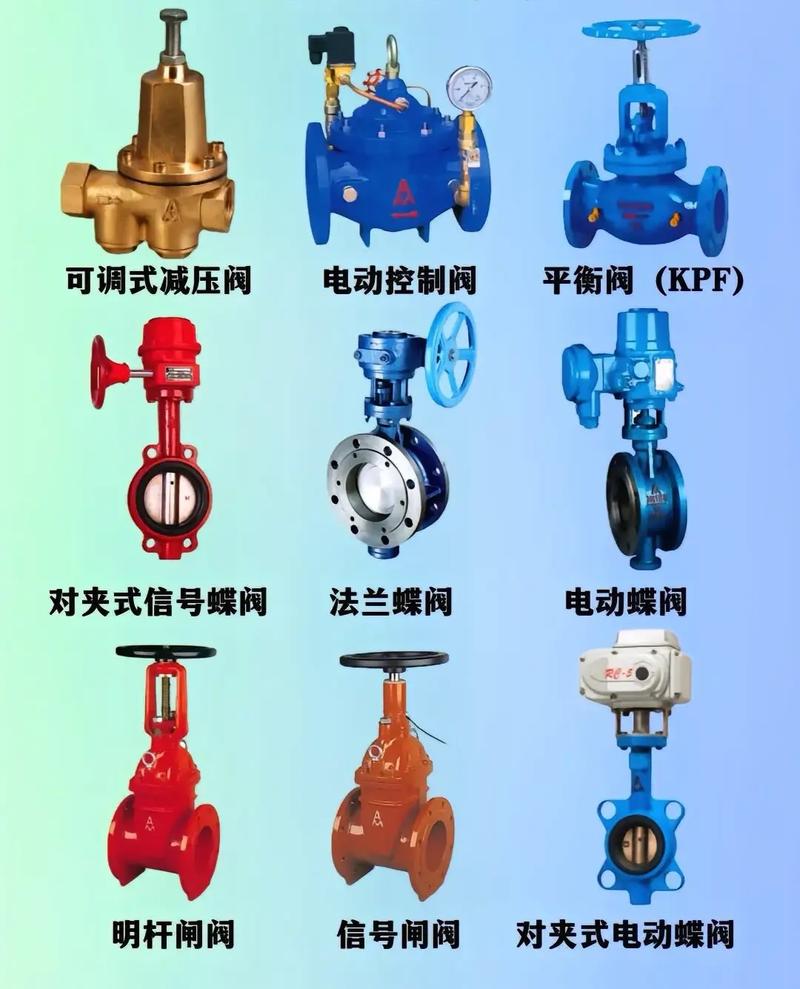
Common plumbing stop valves types include ball valves, gate valves, and angle stop valves. Ball valves feature a rotating sphere with a hole, providing reliable on-off control with minimal pressure drop. Gate valves utilize a sliding gate mechanism, ideal for applications requiring full flow capacity. Angle stop valves combine directional changes with shut-off capability, commonly installed beneath sinks and toilets.
Technological advancements in plumbing stop valves types have introduced enhanced durability through improved materials like brass and stainless steel. Modern plumbing stop valves types incorporate better sealing mechanisms that prevent leaks and reduce maintenance requirements. Applications for plumbing stop valves types span kitchen sinks, bathroom fixtures, water heaters, and main supply lines.
Selecting appropriate plumbing stop valves types depends on flow requirements, pressure ratings, and installation location. Professional plumbers consider material compatibility and valve size when recommending specific plumbing stop valves types for individual projects. Proper installation and regular inspection of plumbing stop valves types ensure optimal system performance and long-term reliability.
 EN
EN