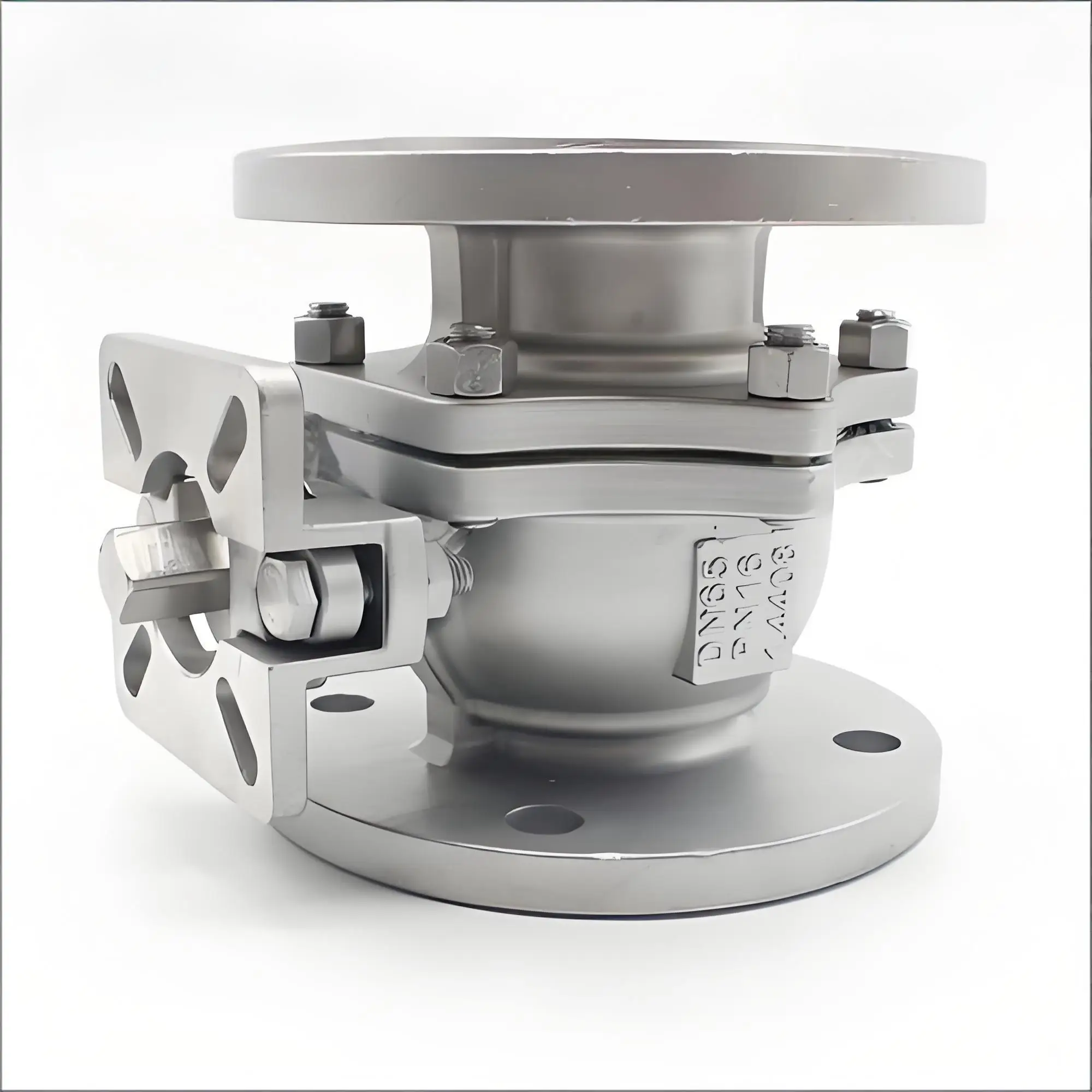
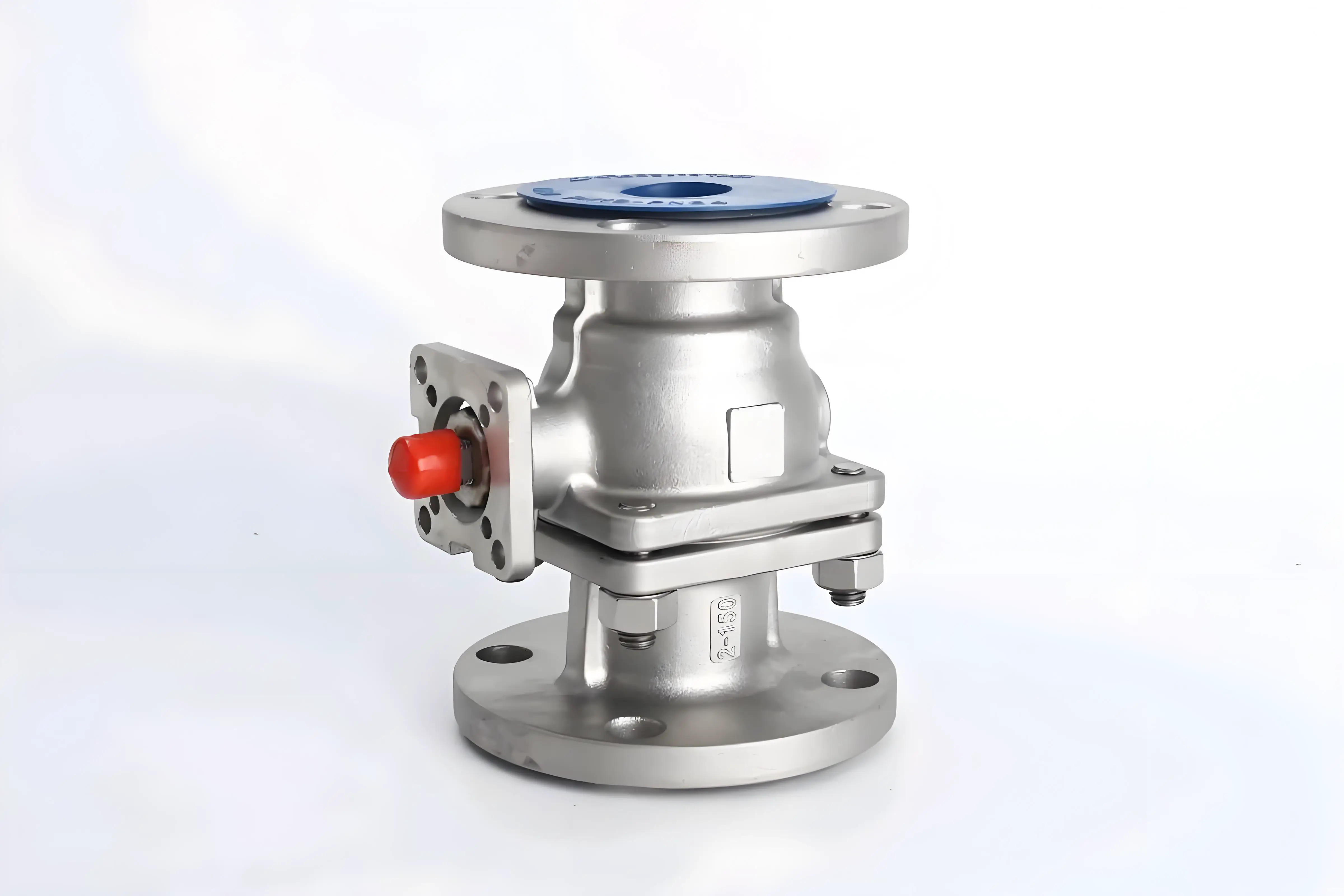
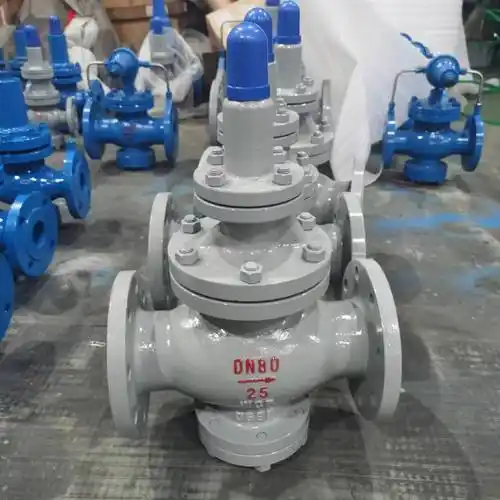
oil gas valves
Oil gas valves represent critical components in the petroleum and natural gas industry, designed to control, direct, and manage the flow of fluids through pipelines and processing systems. These specialized oil gas valves serve as essential control mechanisms that regulate pressure, temperature, and flow rates across extraction, transportation, and refining operations. The primary functions of oil gas valves include isolating sections of pipelines for maintenance, preventing backflow, controlling pressure relief, and directing fluid movement through complex distribution networks. Modern oil gas valves incorporate advanced technological features such as pressure rating up to 10,000 psi, resilient seating materials for enhanced durability, and automated actuation systems that respond to system parameters. These valves are engineered to withstand extreme conditions, including corrosive environments, high temperatures, and abrasive fluid compositions commonly encountered in oil gas operations. Applications of oil gas valves extend across upstream production facilities, midstream transportation networks, and downstream refining plants. They are utilized in wellheads, manifolds, processing facilities, and distribution systems where reliable flow control proves indispensable. The versatility of oil gas valves makes them suitable for various fluid types, including crude oil, natural gas, condensates, and refined products. Industry standards such as API 6D and API 6A govern the design and performance specifications of these critical components. Oil gas valves continue to evolve with innovations in materials science and automation technology, ensuring they meet increasingly stringent regulatory requirements and operational demands across the global energy sector.
 EN
EN