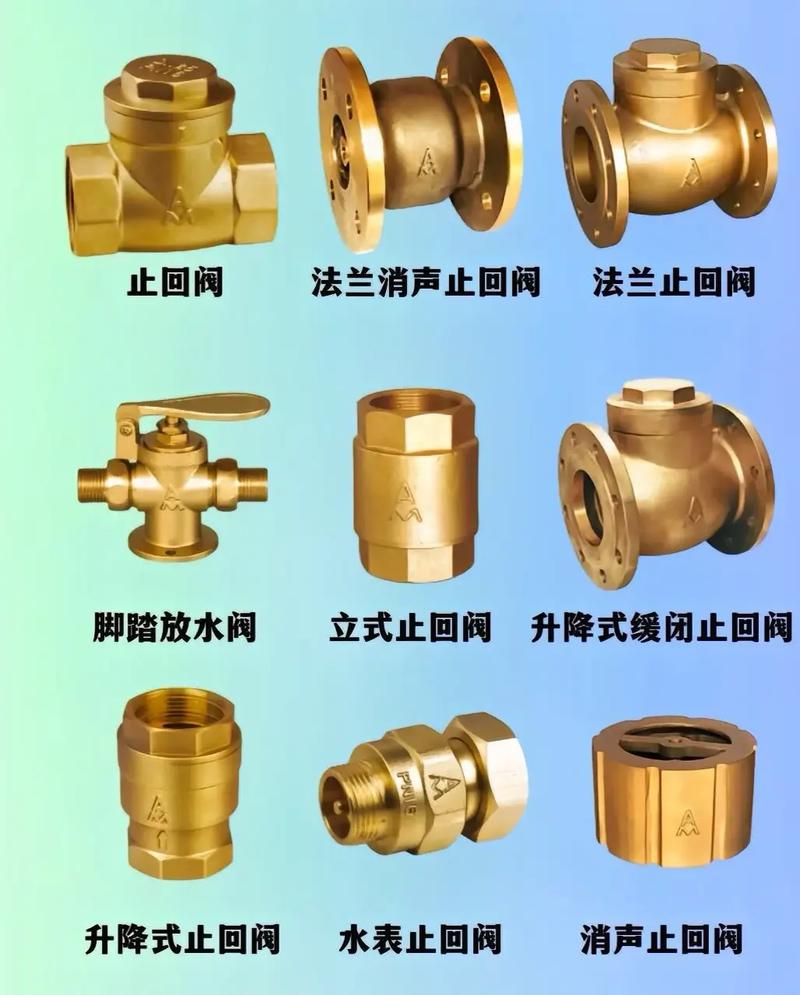
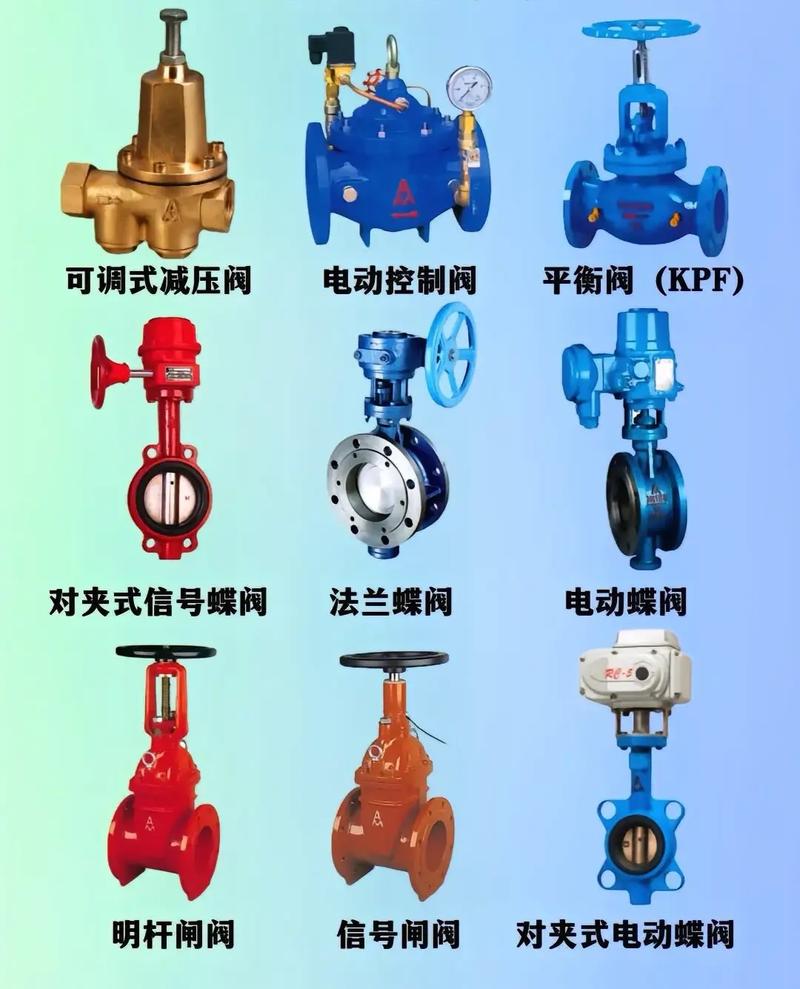
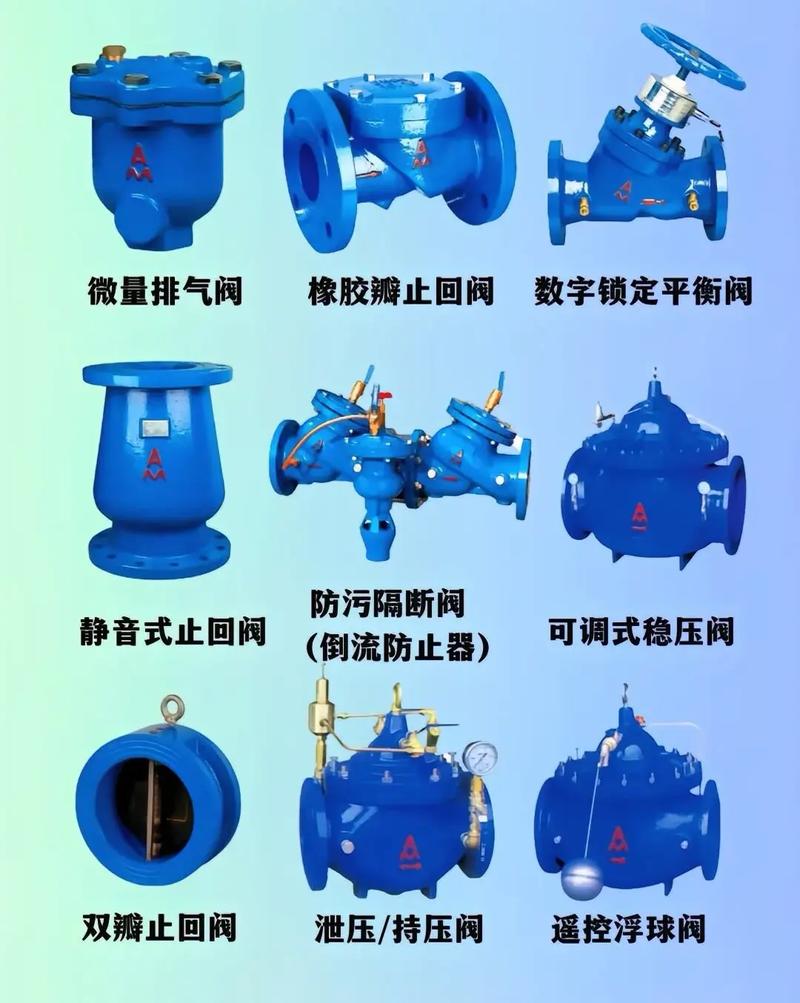
different types of pipe valves
Understanding different types of pipe valves is essential for anyone managing fluid control systems. Pipe valves are mechanical devices designed to regulate, direct, or completely stop the flow of liquids, gases, or slurries through piping systems. Different types of pipe valves serve distinct purposes and operate using various technological principles.
The main functions of different types of pipe valves include flow control, pressure regulation, and directional management. Ball valves offer quarter-turn operation and reliable sealing, making them ideal for on-off applications. Gate valves provide minimal flow restriction and work excellently for full-flow situations. Check valves automatically prevent backflow, protecting system integrity. Butterfly valves deliver compact designs for large-diameter applications. Needle valves enable precise flow adjustments in controlled settings.
Technologically, different types of pipe valves feature distinct closure mechanisms. Ball valves use spherical elements, gate valves employ sliding gates, and butterfly valves utilize rotating discs. These technological variations affect pressure ratings, temperature tolerances, and material compatibility.
Applications for different types of pipe valves span across industries. Water treatment facilities rely on gate valves for main supply lines. Oil and gas operations depend on ball valves for safety and reliability. HVAC systems utilize check valves to maintain proper circulation. Manufacturing plants implement butterfly valves in large-scale operations. Understanding which type suits your specific needs ensures optimal system performance, cost efficiency, and safety compliance throughout your piping infrastructure.
 EN
EN