 EN
EN

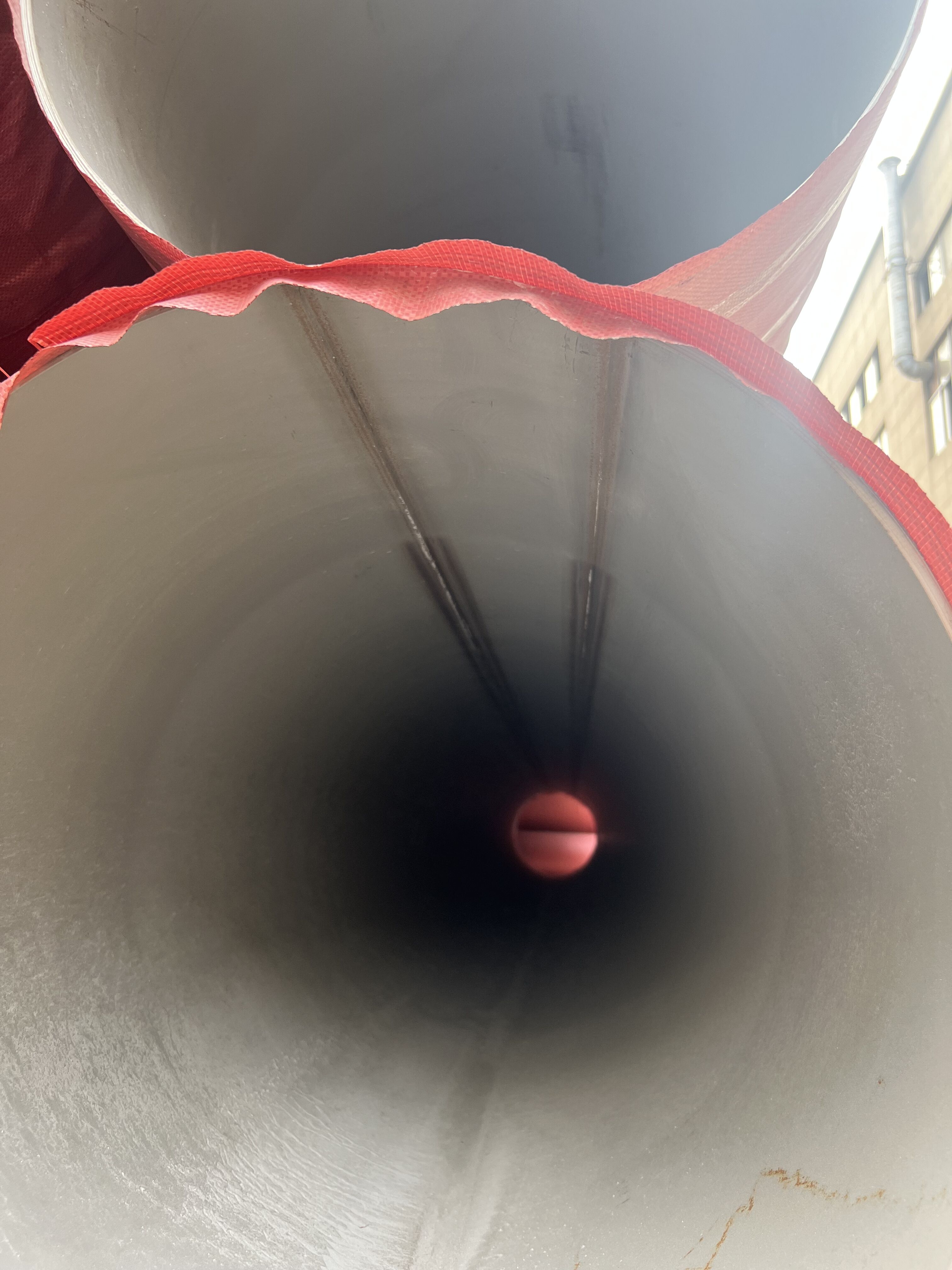
يشكّل تطوير البنية التحتية العمود الفقري للحضارة الحديثة، وهو ما يتطلّب موادًا تجمع بين القوة الاستثنائية والمتانة والموثوقية العالية في ظل الظروف التشغيلية الصعبة. ومن بين المكونات الحاسمة التي تُمكّن هذه المشاريع الإنشائية الضخمة، تُعَدُّ الأنابيب غير الملحومة ذات القطر الكبير خيارًا لا غنى عنه للمهندسين ومخططي المشاريع في جميع أنحاء العالم. وهذه المنتجات الأنبوبية المتخصصة، التي تُصنَّع دون لحامات طولية عبر عمليات متقدمة مثل الدرفلة الساخنة أو البثق، توفر سلامةً هيكليةً فائقةً وقدراتٍ ممتازةً على تحمل الضغوط، لا يمكن لأنابيب اللحام أن تُنافسها فيها في التطبيقات عالية المخاطر.
إن النشر الاستراتيجي للأنابيب غير الملحومة ذات القطر الكبير عبر قطاعات البنية التحتية المتنوعة يعكس خصائص الأداء الفريدة والمزايا الهندسية لهذه الأنابيب. فمنذ نقل الموارد الحيوية عبر القارات وحتى تشكيل الهيكل العظمي التشغيلي للمنشآت الصناعية، تؤدي هذه الأنابيب وظائف حاسمة، حيث قد تترتب على أي عطل فيها عواقب كارثية. وإن فهم التطبيقات المحددة في مجال البنية التحتية التي تُعدّ فيها الأنابيب غير الملحومة ذات القطر الكبير ضروريةً يساعد أصحاب المصلحة على اتخاذ قرارات مستنيرة بشأن اختيار المواد، وتحسين ميزانيات المشاريع، وضمان أداء الأصول على المدى الطويل في البيئات التشغيلية الصعبة التي تختبر حدود المواد يوميًّا.
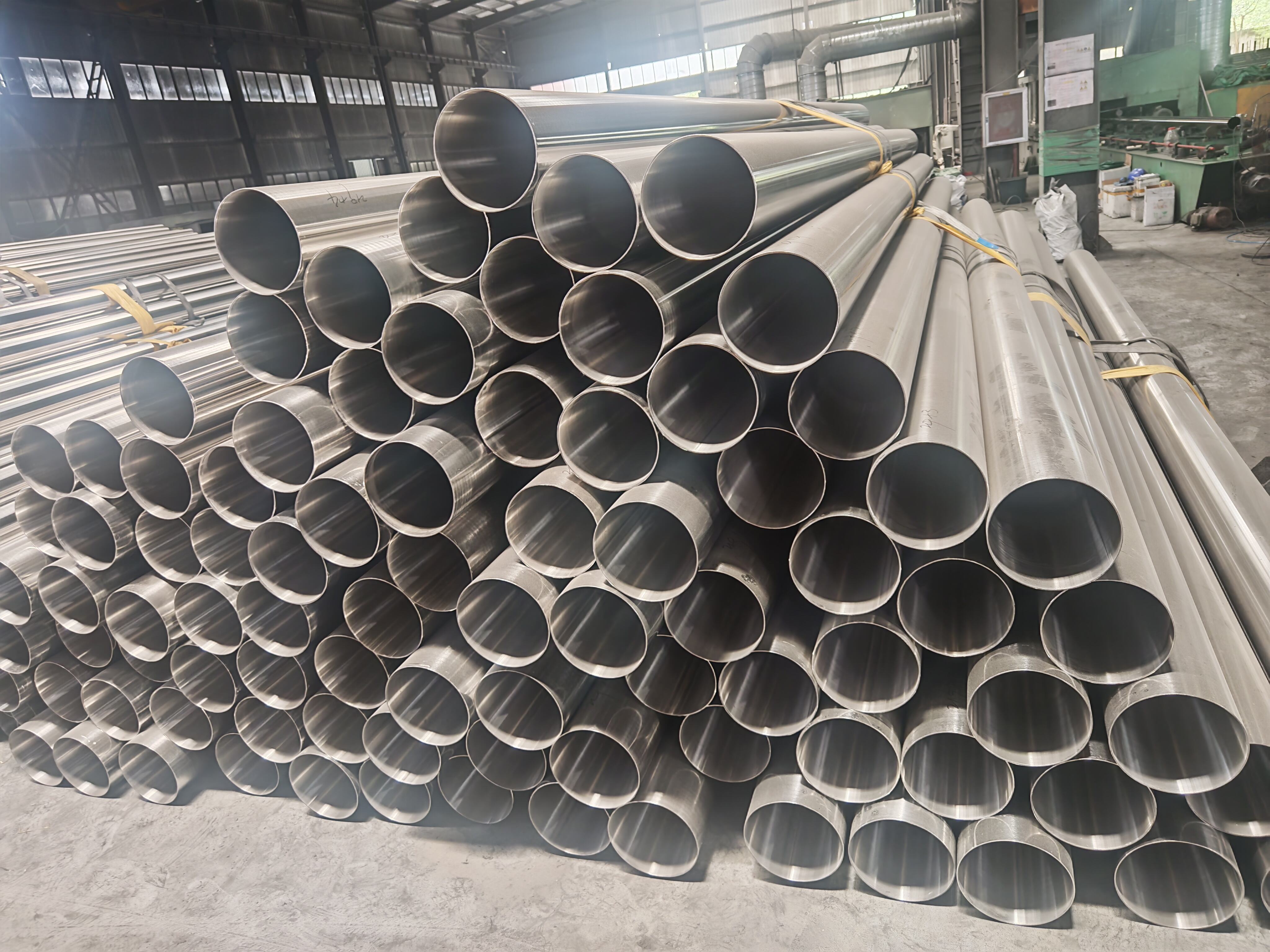
التطبيقات الرئيسية في بنية النقل للطاقة التحتية
أنظمة خطوط أنابيب النفط لمسافات طويلة
تُهيمن الأنابيب غير الملحومة ذات القطر الكبير على بناء خطوط أنابيب نقل النفط الخام لمسافات طويلة، لا سيما في الأجزاء التي تتطلب مقاومة استثنائية للضغط وموثوقية هيكلية عالية. وتُحدد مشاريع خطوط الأنابيب العابرة للقارات، التي تنقل المنتجات البترولية من مواقع الاستخراج إلى المصافي، عادةً الأنابيب غير الملحومة للأجزاء الحرجة التي تعبر التضاريس الوعرة أو المناطق النشطة زلزاليًّا أو المناطق التي تشهد تقلبات شديدة في درجات الحرارة. وبغياب اللحامات الطولية، تختفي أضعف نقطة هيكلية موجودة في الأنابيب الملحومة، مما يقلل من خطر الفشل في التطبيقات التي قد يتسبب فيها تمزق واحد فقط في كوارث بيئية وخسائر اقتصادية تُقاس بملايين الدولارات.
تمثل بنية النقل البحري للنفط عنصراً آخر ذا متطلبات صعبة، حيث تُظهر الأنابيب غير الملحومة ذات القطر الكبير مزايا واضحة في هذا المجال. ويجب أن تتحمل مقاطع خطوط الأنابيب تحت سطح البحر، التي تربط منصات الحفر البحرية بمرافق المعالجة الساحلية، البيئات البحرية المسببة للتآكل، والضغط الهيدروستاتيكي الكبير، والأحمال الديناميكية الناتجة عن تيارات المحيط. وتوفر البنية المعدنية الموحدة للأنابيب غير الملحومة مقاومة متسقة للتآكل على طول المحيط الكامل للأنبوب، ما يمنع حدوث مشاكل التآكل الغلفاني التي قد تظهر أحيانًا عند خطوط اللحام في البيئات البحرية. ويحدد مهندسو خطوط الأنابيب الأنابيب غير الملحومة ذات القطر الكبير لهذه التطبيقات لأن الخصائص المتجانسة للمواد تضمن أداءً قابلاً للتنبؤ به تحت ظروف الإجهاد المتعدد الاتجاهات.
تستخدم أنظمة اتصال خزانات التخزين في محطات النفط والمصافي أنابيب غير ملحومة ذات قطر كبير لخطوط النقل التي تتعامل مع تدفقات البترول عالية الحجم. وتتطلب هذه التطبيقات أنابيب قادرة على استيعاب التغيرات السريعة في معدل التدفق دون أن تتعرض لأضرار ناتجة عن الإجهاد المتكرر، فضلاً عن مقاومتها للتدهور الكيميائي الناجم عن مكونات النفط الخام المختلفة. ويسمح التوحُّد المتفوق في سماكة جدار الأنبوب غير الملحوم بإجراء حسابات أكثر دقة لمعدل التدفق والتنبؤات المتعلقة بانخفاض الضغط، مما يمكِّن من تحديد أحجام المضخات بشكل أمثل وتصميم خطوط الأنابيب بكفاءة طاقية تقلل التكاليف التشغيلية طوال عمر المنشأة.
شبكات نقل الغاز الطبيعي
تعتمد بنية توزيع الغاز الطبيعي على نطاق واسع على الأنابيب غير الملحومة ذات القطر الكبير لخطوط النقل عالي الضغط التي تشكّل النظام الشرياني للشبكات الإقليمية والوطنية للغاز. وعادةً ما تعمل هذه الخطوط الأنابيب عند ضغوط تتجاوز ١٠٠٠ رطل لكل بوصة مربعة (psi)، ما يتطلب مواد أنابيب تمتلك مقاومة استثنائية للإجهاد الحلقي ومقاومة عالية للتآكل الهيدروجيني. وتُنشئ عمليات التصنيع غير الملحومة بنية حبيبية تكون أكثر مقاومةً للتدهور التدريجي للمواد الناجم عن التعرّض الطويل الأمد للغاز الطبيعي المضغوط، مما يطيل عمر الخدمة الافتراضي لهذه الخطوط الأنابيب مقارنةً بالبدائل الملحومة في دورات التشغيل الصعبة هذه.
تستخدم أنظمة الأنابيب في محطات الضواغط ضمن شبكات نقل الغاز أنابيب غير ملحومة ذات قطر كبير لكلٍّ من خطوط السحب والتفريغ، حيث تُحدث فروق الضغط إجهادات ميكانيكية شديدة. وإن التحميل الدوري الذي تتعرَّض له هذه المواقع، جنبًا إلى جنب مع ارتفاع درجات حرارة التشغيل الناتجة عن ضغط الغاز، يتطلَّب موادًا تقاوم كلًّا من الإجهاد الحراري والإجهاد الميكانيكي المؤدي إلى التشقق. ويحدِّد المهندسون أنبوب سلس ذو قطر كبير لهذه التطبيقات الحرجة لأن البنية المتجانسة للمادة تمنع بدء التشققات بشكل تفضيلي في مناطق التأثير الحراري للحام، والتي قد تُضعف الأنبوب الملحوم في ظل ظروف مماثلة.
تستخدم منشآت الغاز الطبيعي المسال أنابيب غير ملحومة ذات قطر كبير في تطبيقات الخدمة الكريوجينية، حيث تنخفض درجات الحرارة إلى ما دون ٢٦٠ درجة فهرنهايت. وعند هذه الدرجات القصوى من البرودة، تصبح العديد من المواد هشّةً ومعرّضةً للفشل الكارثي؛ لكن الأنابيب غير الملحومة، عند تحديدها بدقة وتصنيعها من سبائك مناسبة، تحتفظ بالمرونة والمقاومة اللازمة للتأثير. وبما أن هذه الأنابيب خالية من الوصلات اللحامية، فإنها تخلّص المستخدم من المخاوف المتعلقة بالانكماش الحراري التفاضلي بين المعدن الأساسي والمعدن اللحام، والذي قد يؤدي إلى تشكل شقوق دقيقة في الأنابيب الملحومة المعرّضة لدورات حرارية متكررة أثناء عمليات تحميل وإفراغ الغاز الطبيعي المسال.
الأدوار الحاسمة في بنى إدارة المياه التحتية
أنظمة إمداد المياه البلدية
تُستخدم أنابيب غير ملحومة ذات القطر الكبير بشكل متزايد في خطوط نقل المياه الحضرية الرئيسية التي تخدم المراكز الحضرية الكبرى، وذلك لخطوط النقل الرئيسية التي تحمل المياه المعالَجة من محطات المعالجة إلى شبكات التوزيع. وتتمحور متطلبات هذه التطبيقات حول الموثوقية الطويلة الأمد والحد الأدنى من احتياجات الصيانة، إذ إن أي انقطاع في إمدادات المياه الأساسية يؤثر على ملايين السكان والمرافق الحيوية. وتلغي الخصائص المقاومة للتآكل لأنابيب الفولاذ المقاوم للصدأ غير الملحومة المخاوف المتعلقة بالتراكم الداخلي والتقرّن الذي يؤدي تدريجيًّا إلى خفض سعة التدفق في الأنابيب الفولاذية الكربونية، مما يحافظ على الكفاءة الهيدروليكية طوال عمر التصميم النظامي ويقلل من استهلاك الطاقة المطلوبة لعمليات الضخ.
تستخدم أنظمة استخلاص المياه الخام في محطات معالجة مياه الشرب أنابيب سلسة ذات قطر كبير في الأجزاء المغمورة التي تمدّها بالماء من الأنهار أو البحيرات أو الخزانات. ويجب أن تقاوم هذه التثبيتات التآكل الخارجي الناتج عن المياه أو التربة المحيطة بها، وكذلك التآكل الداخلي الناتج عن تيارات الاستخلاص الحاملة للرواسب. وتساعد السطح الداخلي الأملس للأنابيب السلسة على تقليل خسائر الاحتكاك وتقليل الترسبات داخل خط الأنابيب، بينما يؤدي غياب لحامات الوصل إلى إزالة الشقوق التي قد تستوطنها البكتيريا وتُهدّد جودة المياه قبل بدء عمليات المعالجة.
تستخدم أنظمة إمداد المياه لمكافحة الحرائق في المباني الشاهقة والمرافق الصناعية أنابيب غير ملحومة ذات قطر كبير للأنابيب العمودية الرئيسية ورؤوس التوزيع الرئيسية، حيث يؤثر موثوقية النظام مباشرةً على سلامة الأرواح. وتتطلب لوائح البناء في العديد من الولايات تحسين مواصفات الأنابيب المستخدمة في أنظمة إخماد الحرائق، وتفي الأنابيب غير الملحومة بهذه المتطلبات الصارمة مع توفير درجات تحمل الضغط اللازمة للتطبيقات في المباني الشاهقة. كما أن مقاومة المادة لصدمات ارتطام المياه (Water Hammer) تحميها من الارتفاعات المفاجئة في الضغط التي تحدث أثناء التشغيل السريع للصمامات في السيناريوهات الطارئة.
مرافق معالجة المياه الصناعية
تعتمد محطات تحلية المياه التي تعالج مياه البحر لتحويلها إلى مياه صالحة للشرب على أنابيب غير ملحومة ذات قطر كبير في الأجزاء عالية الضغط لأنظمة التناضح العكسي وخطوط تصريف الماء المالح. ويتطلب الطابع شديد التآكل لمحلول الملح المركز مواد تتمتع بمقاومة استثنائية لتشقق الإجهاد الناتج عن الكلوريد، وتوفّر سبائك الأنابيب غير الملحومة المُحدَّدة بدقة هذه الخاصية الحرجة في الأداء. ويختار مهندسو العمليات الأنابيب غير الملحومة لهذه التطبيقات لأن تركيبها الموحَّد يضمن مقاومة متسقة للتآكل على امتداد محيط الأنبوب بالكامل، مما يمنع الهجمات المحلية التي قد تبدأ عند مناطق اللحام في المواد الرديئة.
تستخدم بنية معالجة مياه الصرف الصحي التحتية أنابيب سلسة ذات قطر كبير لأنظمة حقن المواد الكيميائية، وأنابيب نقل الحمأة، وقنوات جمع الغاز الحيوي، حيث تؤدي التعرّض للمواد العدوانية إلى ظروف تشغيل صعبة. ويجب أن تقاوم هذه الأنابيب ليس فقط الهجوم الكيميائي، بل أيضًا التآكل الناتج عن الجسيمات العالقة والتآكل الناتج عن التآكل والانسياب عالي السرعة. وتؤدي عملية تصنيع الأنابيب السلسة إلى تكوين بنية دقيقة أكثر انسجامًا، ما يوزّع التآكل بشكل متساوٍ عبر جدار الأنبوب، مما يطيل عمر الخدمة في التطبيقات التي يؤدي فيها الترقق الموضعي عند لحامات الأنابيب الملحومة إلى استبدال مبكر للبدائل الملحومة.
تستخدم خطوط التغذية الرئيسية لأنظمة الري، التي تزود المناطق الزراعية بالمياه، أنابيب غير ملحومة ذات قطر كبير في الأجزاء الحرجة التي يُعد استمرار الخدمة فيها أمراً جوهرياً خلال مواسم النمو. وغالباً ما تعمل هذه الأنظمة في ظل ظروف ضغط متغيرة، حيث تقوم محطات الضخ بتعديل إنتاجها لتلبية التقلبات في الطلب، مما يولّد أحمالاً تعبوية قد تُضعف الوصلات الملحومة مع مرور الزمن. وتُعتبر مقاومة التعب لأنابيب غير الملحومة السبب الرئيسي لاختيارها في هذه دورات التشغيل، وبخاصة في الأنظمة المصممة لخدمة تمتد لعدة عقود مع أقل قدر ممكن من التدخلات الصيانية.
المكونات الأساسية في بنى تحتية النقل
إنشاء الجسور وأنظمة الدعم
تُدمج التصاميم الحديثة للجسور بشكل متزايد أنابيبًا غير ملحومة ذات قطر كبير كعناصر هيكلية رئيسية في نُهُج البناء المبتكرة. وتستخدم جسور القوس الفولاذي أقسام أنابيب غير ملحومة للأقواس الحاملة الرئيسية، حيث تُعد الخصائص الموحدة للقوة وتوزيع الإجهادات المتوقع أمراً حاسماً لسلامة الهيكل. وبغياب اللحامات الطولية، تزول النقاط الضعيفة المحتملة في هذه العناصر الخاضعة للضغط، ما يسمح للمهندسين بتحسين أبعاد المقطع العرضي وتقليل الوزن الهيكلي الكلي مع الحفاظ على عوامل الأمان المطلوبة تحت الأحمال التصميمية، ومنها أحمال المرور والرياح والقوى الزلزالية.
تُستخدم أعمدة الجسور المعلقة بالكابلات كعناصر ضغط ذات قطر كبير من الأنابيب غير الملحومة في هياكل الأبراج التي تدعم مجموعات الكابلات المُعلِّقة لأسطح الجسور. وتتطلب هذه التطبيقات موادًا قادرةً على تحمل أحمال ضغط هائلة مع مقاومة الانبعاج تحت ظروف التحميل غير المتمركزة الناتجة عن قوى الرياح وأنماط حركة المرور غير المتوازنة. وتوفر الأنابيب غير الملحومة تماسكًا مركزيًّا وتوحُّدًا في سماكة الجدار، ما يمنحها الخصائص الهندسية الدقيقة اللازمة لإجراء تحليل هيكلي دقيق وأداءٍ موثوقٍ على المدى الطويل في هذه الهياكل البارزة التي تشكّل معالم بارزة.
تُستخدم أنابيب غير ملحومة ذات القطر الكبير في تطبيقات الأعمدة الأساسية للجسور العابرة للممرات المائية، حيث تُطرق هذه الأنابيب في قاع الأنهار أو قاع المحيطات لتكوين دعائم مستقرة تحمل الأحمال. ويجب أن تخترق أقسام الأنبوب طبقات التربة الصعبة وال formations الصخرية دون أن تتعرض لأي تلف هيكلي، كما يجب أن توفر القدرة الكافية على حمل الأحمال اللازمة لدعم الهياكل الفوقية الضخمة. وتُعد الأنابيب غير الملحومة مثالية لتطبيقات الأعمدة المُطرَقة بفضل متانتها الفائقة ومقاومتها العالية للصدمات، كما أن مقاومة المادة لتشقُّقات التثبيت الناتجة عن عملية الطَّرق تضمن سلامة العمود طوال عملية التركيب وبعدها خلال فترة الخدمة الكاملة.
تهوية الأنفاق وأنظمة المرافق
تعتمد بنية أنفاق الطرق والسكك الحديدية على أنابيب غير ملحومة ذات قطر كبير لقنوات التهوية التي تحافظ على جودة الهواء وتزيل غازات العادم الناتجة عن المركبات من المساحات المغلقة. ويجب أن تعمل هذه الأنظمة باستمرار وبموثوقية عالية، لأن أي عطل في أنظمة التهوية داخل الأنفاق الطويلة يُشكّل خطرًا فوريًّا على السلامة. وتوفر المتانة الإنشائية للأنابيب غير الملحومة ذات القطر الكبير إمكانية تركيب قنوات التهوية في المواقع العلوية دون الحاجة إلى هياكل دعم مفرطة، بينما تضمن مقاومة المادة للحريق استمرار وظيفة النظام أثناء السيناريوهات الطارئة، حينما تصبح عملية التهوية أكثر ما تكون حيوية.
تُستخدم الأنابيب غير الملحومة ذات القطر الكبير في أنفاق الممرات المرافقية التي تستوعب خطوط المياه الرئيسية وكابلات الطاقة وخطوط الاتصالات، كأنابيب حماية تحمي البنية التحتية الحيوية من الأضرار الفيزيائية والتعرض للعوامل البيئية. وتتطلب هذه التطبيقات أنابيب يمكن تصنيعها وتركيبها بوصلات دقيقة لمنع تسرب مياه الجوف، مع قدرتها على استيعاب الهبوط التفاضلي الذي يحدث أثناء استقرار هياكل النفق. وتساعد الدقة البعدية لأنابيب غير الملحومة في تركيب الوصلات ضمن تحملات ضيقة، ما يُشكّل أنظمة حاجزية موثوقة تحمي المرافق المحصورة طوال عمر النفق التشغيلي.
تُستخدم أنابيب غير ملحومة ذات القطر الكبير في مشاريع إنشاء الأنفاق تحت الماء في تطبيقات متخصصة تشمل أنظمة تصريف المياه، ووحدات حقن الملاط، والبطانات المخصصة لممرات الهروب الطارئ. وتتطلب هذه الاستخدامات موادًا قادرةً على تحمل الضغوط الهيدروستاتيكية الشديدة التي تُواجه في التثبيتات العميقة تحت سطح الماء، مع الحفاظ على السلامة الإنشائية أثناء عمليات البناء الصعبة. ويحدّد المهندسون الأنابيب غير الملحومة لهذه التطبيقات الحرجة لأن السماكة الموحدة لجدارها وغياب عيوب اللحام فيها توفر هامشًا كافيًا من الموثوقية عند العمل في البيئات الفرعية الصعبة التي يصعب أو يستحيل فيها الوصول لإصلاح أي عطل.
الوظائف الحيوية في بنية توليد الطاقة التحتية
أنظمة محطات توليد الطاقة الحرارية
تستخدم محطات توليد الطاقة التي تعمل بالفحم والغاز أنابيب غير ملحومة ذات قطر كبير على نطاق واسع في أنظمة توليد البخار، بدءًا من دوائر الموفرات الحرارية (إكونوميزر) ووصولًا إلى مخارج المُسخّنات الفائقة حيث تتجاوز درجات حرارة البخار ١٠٠٠ درجة فهرنهايت. وتتطلب هذه الظروف التشغيلية القصوى موادَ تتميّز بمقاومة استثنائية للحرارة العالية ومقاومة ممتازة للأكسدة، وهي خصائص يوفّرها الأنابيب غير الملحومة المصنوعة من سبائك الصلب المناسبة بسهولة. ويضمن الهيكل المعدني الموحّد للأنابيب غير الملحومة مقاومةً متسقة للتَّشوه التدريجي (الزَّحف) حول محيط الأنبوب، ما يمنع حدوث تشوه تفضيلي عند مناطق التأثير الحراري للوصلات اللحامية في الخدمة ذات الحرارة العالية.
تستخدم أنظمة تغذية المرجل بالماء في محطات الطاقة الحرارية أنابيب غير ملحومة ذات قطر كبير لرؤوس التوزيع الرئيسية التي تعمل تحت ضغوط قد تتجاوز ٣٠٠٠ رطل لكل بوصة مربعة. وتتطلب هذه التطبيقات موادًا قادرةً على احتواء الماء عالي الضغط دون خطر حدوث فشل كارثي، إذ إن تمزُّق أنظمة تغذية المرجل يؤدي فورًا إلى إيقاف تشغيل المحطة بالكامل ويشكِّل مخاطر جسيمة على السلامة. وتجعل القدرة على احتواء الضغط المُحقَّقة بواسطة الأنابيب غير الملحومة ذات القطر الكبير، إلى جانب مقاومتها للتآكل الناتج عن التآكل والانسياب السريع لمياه التغذية، منها المادة المفضلة لهذه الأنظمة الحرجة في محطات الطاقة، حيث يؤثر موثوقية هذه الأنظمة تأثيرًا مباشرًا على سعة توليد الكهرباء.
تُستخدم أنابيب غير ملحومة ذات القطر الكبير في أنابيب الاستخلاص والدخول الخاصة بتوربينات البخار، وذلك للخطوط التي تنقل البخار بين مراحل التوربين وللوصلات مع مستخدمي الحرارة العملية. وتخضع هذه التركيبات لانبعاثات حرارية شديدة أثناء دورات بدء التشغيل وإيقاف المحطة، ما يُحدث إجهادات ميكانيكية قد تؤدي إلى تشكل شقوق إرهاقية في المواد الرديئة. ويُطيل مقاومة الأنابيب غير الملحومة الفائقة للإرهاق ذي الدورة المنخفضة من عمر المكونات في هذه الدورات التشغيلية الصعبة، مما يقلل من متطلبات الصيانة ويعزز عوامل توفر المحطة الإجمالية التي تحدد الجدوى الاقتصادية لعمليات توليد الطاقة.
تطبيقات محطات الطاقة النووية
تُطبِّق منشآت الطاقة النووية أنابيبًا ملحومةً بدون وصلات (Seamless) ذات قطر كبير في أنظمة تبريد المفاعل، حيث تسود أعلى معايير الجودة صرامةً في أي تطبيق صناعي لتحديد مواد التصنيع وعمليات التصنيع. وتتطلب الحلقات الرئيسية لتبريد المفاعل، التي تُمرِّر المياه ذات الضغط العالي عبر قلب المفاعل، أنابيبًا خاليةً تمامًا من العيوب، لأن سلامة النظام ترتبط ارتباطًا مباشرًا بالسلامة النووية. وتُوفِّر عمليات تصنيع الأنابيب الملحوظة بدون وصلات، جنبًا إلى جنب مع بروتوكولات الاختبارات غير التدميرية الصارمة، المواد الخالية من العيوب المطلوبة لهذه التطبيقات، حيث تمتد عواقب الفشل فيها إلى ما هو أبعد من الاعتبارات الاقتصادية فقط.
تستخدم أنظمة التبريد الثانوية للماء في المحطات النووية أنابيب غير ملحومة ذات أقطار كبيرة لخطوط تدوير المياه التي تنقل كميات هائلة من ماء التبريد بين المكثفات وأبراج التبريد أو المجاري المائية الطبيعية. وعلى الرغم من أن هذه الأنظمة تعمل عند ضغوط منخفضة نسبيًّا مقارنةً بالدوائر الأولية، فإن الأقطار الكبيرة للأنابيب المستخدمة والطبيعة الحرجة لقدرة التبريد المستمر تجعل الموثوقية عاملًا بالغ الأهمية. وتضمن مقاومة الأنابيب غير الملحومة للتآكل وسلامتها الإنشائية أداءً موثوقًا به على المدى الطويل في هذه الأنظمة الأساسية لطرد الحرارة التي تُمكِّن من إنتاج الطاقة بشكل مستمر.
تشمل أنظمة التبريد الطارئة للنواة في المنشآت النووية أنابيبًا سلسةً كبيرة القطر في خطوط الحقن الأمني المصممة لتوصيل ماء التبريد إلى قلوب المفاعلات أثناء سيناريوهات الحوادث. ويجب أن تظل هذه الأنظمة الاحتياطية جاهزة للتشغيل الفوري طوال عقود عمر المحطة، مما يتطلب موادًا مقاومة للتدهور خلال فترات طويلة من الخدمة الساكنة التي تتخللها اختبارات دورية متقطعة. وتجعل الاستقرار المادي ومقاومة التآكل لأنابيب السلسة، عند صيانتها بشكلٍ صحيح، منها خيارًا مثاليًا لهذه التطبيقات الحرجة من حيث السلامة، حيث يمكن أن يمنع الاعتماد الموثوق على أدائها عند الحاجة حدوث فشل كارثي.
التطبيقات الاستراتيجية في البنية التحتية الصناعية
مرافق معالجة الكيميائيات
تُستخدم أنابيب غير ملحومة ذات القطر الكبير في مجمعات البتروكيماويات ومصانع التصنيع الكيميائي عبر أنظمة المعالجة التي تتعامل مع السوائل المسببة للتآكل، والمواد المتفاعلة ذات درجات الحرارة العالية، والمواد الخاضعة لضغوط كبيرة. وتحتاج رؤوس التوزيع الرئيسية في العمليات، التي تُوزِّع المواد الأولية على وحدات التفاعل المتعددة، إلى أنابيب مقاومة للهجوم الكيميائي مع الحفاظ على سلامة الضغط ضمن نطاق واسع من درجات الحرارة. وتُعتبر مقاومة التآكل المتأصلة في الأنابيب غير الملحومة المصنوعة من الفولاذ المقاوم للصدأ والسبائك الخاصة، جنبًا إلى جنب مع قدرة هذه المواد على تحمل الضغوط، عاملًا أساسيًّا في هذه التطبيقات، حيث إن أي تسربٍ في سوائل العمليات يُشكِّل خطرًا على السلامة، أو حوادث بيئية، أو انقطاعات إنتاجية مكلفة.
تستخدم أنظمة مخرجات المفاعل في المصانع الكيماوية أنابيبًا غير ملحومة ذات قطر كبير للخطوط الناقلة للمواد المنتجة ذات درجات الحرارة العالية من أوعية التفاعل إلى معدات الفصل والتنقية. وتعرّض هذه التطبيقات مواد الأنابيب لبيئات كيميائية عدائية عند درجات حرارة مرتفعة، وهي ظروف تؤدي بسرعةٍ إلى تدهور المواد الرديئة. وتمتد مدة خدمة النظام وتقل احتياجات الصيانة بفضل مقاومة الأنابيب غير الملحومة الموحدة للتآكل مقارنةً بالبدائل الملحومة، حيث يقتضي الهجوم التفضيلي عند مناطق اللحام إجراء فحوصات دورية أكثر تكرارًا واستبدالًا متكررًا.
تستخدم أنظمة تجديد المحفِّزات في وحدات التكسير الحفزي بالسوائل أنابيبًا سلسةً ذات قطر كبير لخطوط النقل الهوائي التي تنقل جسيمات المحفِّز المستهلكة بسرعات عالية. ويستلزم التآكل الشديد الناتج عن هذه التدفقات المحملة بالمواد الصلبة موادًا تمتلك مقاومة ممتازة للتآكل، بينما توزِّع البنية المجهرية المتجانسة للأنابيب السلسة هذا التآكل بشكل متساوٍ عبر جدران الأنبوب. وهذه الخاصية تمدِّد عمر الخدمة في التطبيقات التآكلية، حيث يؤدي الترقُّق الموضعي عند لحامات الوصلات إلى نقاط فشل تتطلب استبدال المكونات قبل أوانها.
بنية التعدين وتجهيز المعادن التحتية
تستخدم عمليات التعدين أنابيب سلسة ذات قطر كبير لأنظمة نقل الملاط، التي تنقل تركيزات الخام من محطات المعالجة إلى مرافق النفايات أو بين مراحل المعالجة. وتؤدي هذه التطبيقات إلى ظروف تشغيل شديدة التآكل، حيث تُسبّب الجسيمات المعدنية العالقة في ارتداء الأسطح الداخلية للأنابيب، بينما تهاجم كيمياء مياه المعالجة المسببة للتآكل جدران الأنابيب كيميائيًّا. وتوفر السبائك الخاصة من الأنابيب السلسة مقاومةً مجتمعةً للتآكل والارتداء، ما يضمن المتانة المطلوبة لهذه التطبيقات الصعبة، إذ يؤدي استبدال الأنابيب بشكل متكرر إلى تعطيل الإنتاج وزيادة تكاليف التشغيل.
تعتمد شبكات توزيع الهواء المضغوط التي تخدم عمليات التعدين تحت الأرض على أنابيب سلسة ذات قطر كبير لخطوط التوزيع الرئيسية التي تُزوِّد المعدات الهوائية بالهواء في جميع أنحاء أماكن العمل المنجمية. ويهاجم الغلاف الجوي الرطب، والذي غالبًا ما يكون مسببًا للتآكل، أنظمة الأنابيب بقوة في البيئات تحت الأرضية، بينما تتطلب طبيعة إمداد الهواء المضغوط الحاسمة للتهوية وتشغيل المعدات بنيةً تحتيةً لتوزيعٍ عالية الموثوقية. وتضمن مقاومة الأنابيب السلسة للتآكل وسلامتها الإنشائية أنظمةً موثوقةً لإمداد الهواء تدعم عمليات التعدين الآمنة والمنتجة في الظروف الفرعية الصعبة.
تستخدم منشآت المعالجة الهيدروemetallurgية أنابيبًا ملحومةً بدون وصلات ذات قطر كبير في أنظمة التغذية والتفريغ الخاصة بالأوتوكلاف، حيث تُستخلص المعادن القيّمة من تركيزات الخامات بواسطة عمليات الترشيح الكيميائي العالية الضغط ودرجة الحرارة. وتمثل هذه الظروف التشغيلية القاسية، التي تجمع بين الضغط المرتفع ودرجة الحرارة العالية والكيمياء العدوانية، بعض أكثر البيئات تشديدًا في مجال المعالجة الصناعية. ولا يمكن لأنابيب المواد المقاومة للتآكل دون وصلات—إلا أشد السبائك مقاومة للتآكل—أن تتحمل هذه الظروف، كما أن اختيار المادة المناسبة بدقة وفقًا للكيمياء العملية المحددة يُعد أمرًا جوهريًّا لتحقيق أعمار خدمة اقتصادية مجدية للمعدات المستخدمة في هذه التطبيقات.
الأسئلة الشائعة
ما مدى الأقطار الأنابيب الذي يُصنَّف كأنابيب غير ملحومة ذات قطر كبير في تطبيقات البنية التحتية؟
تشير الأنابيب غير الملحومة ذات القطر الكبير في سياقات البنية التحتية عادةً إلى الأنابيب التي تتراوح أقطارها الخارجية بين ٨ بوصات و٢٤ بوصة تقريبًا، رغم أن القدرات التصنيعية تسمح بإنتاج أنابيب أكبر حجمًا في بعض المرافق. ويختلف الحد الأدنى المحدد لقطر «الأنبوب الكبير» باختلاف القطاع الصناعي؛ فعلى سبيل المثال، تُصنِّف خطوط أنابيب النفط والغاز عادةً أي أنبوب قطره يزيد عن ١٦ بوصة على أنه أنبوب ذا قطر كبير، بينما قد تُصنِّف أنظمة المياه البلدية أنبوب القطر ١٢ بوصة على أنه أنبوب ذا قطر كبير. أما الحد العملي الأقصى لإنتاج الأنابيب غير الملحومة فيعكس القيود التقنية المفروضة على عمليتي الثقب الدوراني والبثق، حيث تُنتَج الأنابيب التي يتجاوز قطرها ٢٤ بوصة عادةً باستخدام طرق اللحام نظرًا لقيود المعدات ومناولة المواد في مرافق إنتاج الأنابيب غير الملحومة.
كيف يقارن سعر الأنبوب غير الملحوم ذي القطر الكبير مع سعر الأنبوب الملحوم في مشاريع البنية التحتية؟
عادةً ما تُباع الأنابيب غير الملحومة ذات القطر الكبير بسعر أعلى بنسبة ٢٠ إلى ٤٠٪ مقارنةً بالأنابيب الملحومة المكافئة، وتتفاوت هذه الفروق السعرية بدقة وفقًا لقطر الأنبوب وسماكة جداره ودرجة المادة المستخدمة والظروف السوقية الراهنة. ويعكس هذا التكلفة الأولية الأعلى التعقيد الأكبر في عملية التصنيع ومعدلات الإنتاج الأدنى واستخدام المواد الأكثر كفاءة المطلوبة لإنتاج الأنابيب غير الملحومة، مقارنةً بتصنيع الأنابيب الملحومة من صفائح ملفوفة. ومع ذلك، يجب على مخططي مشاريع البنية التحتية تقييم التكاليف الإجمالية طوال دورة الحياة بدلًا من التركيز فقط على سعر الشراء الأولي، إذ إن الموثوقية المحسَّنة ومتطلبات الصيانة الأقل والعمر التشغيلي الأطول للأنابيب غير الملحومة في التطبيقات الصعبة غالبًا ما تبرر هذه الزيادة في السعر من خلال خفض التكاليف الإجمالية طويلة الأجل لامتلاك الأنبوب وتقليل خطر حدوث أعطال مكلفة في الأنظمة الحرجة.
ما هي متطلبات الفحص والاختبار المطبَّقة على الأنابيب غير الملحومة ذات القطر الكبير المستخدمة في مشاريع البنية التحتية؟
تطبيقات البنية التحتية للأنابيب غير الملحومة ذات القطر الكبير تتطلب عادةً إجراءات شاملة للتحقق من الجودة، بما في ذلك الاختبار بالموجات فوق الصوتية للكشف عن العيوب الداخلية، والتفتيش البُعدي للتحقق من مطابقة سماكة الجدار وقطر الأنبوب للمواصفات المسموح بها، واختبار الضغط الهيدروستاتيكي للتأكد من قدرة الأنبوب على احتمال الضغط، والتحليل الكيميائي للتحقق من مطابقة تركيب المادة للمعايير المحددة. وتفرض العديد من التطبيقات الحرجة — مثل محطات الطاقة النووية، وأنابيب الغاز عالي الضغط، وأنظمة النفط البحرية — متطلبات إضافية تشمل الفحص بالأشعة السينية، والاختبار بالتيارات الدوامية لاكتشاف العيوب السطحية، واختبار الخصائص الميكانيكية لعينات تمثيلية، وتوثيق كامل يضمن إمكانية التعقب الكامل الذي يربط الأنبوب النهائي بكيمياء دفعة المادة الخام. وينبغي أن تحدد مواصفات المشروع بوضوح الرموز والمعايير الواجب تطبيقها، مع الإشارات الشائعة إلى رموز ASME B31 الخاصة بأنابيب الضغط، ومواصفات API الخاصة بتطبيقات النفط والغاز، ومعايير ASTM الخاصة بالمواد التي تنظم متطلبات جودة تصنيع الأنابيب.
هل يمكن لحام أنابيب غير ملحومة ذات القطر الكبير في الموقع أثناء تركيب البنية التحتية دون المساس بمزاياها؟
يظل اللحام الميداني اللازم لتوصيل أقسام أنابيب غير ملحومة ذات القطر الكبير أثناء تركيب البنية التحتية ضروريًّا ومقبولًا، شريطة تنفيذه وفق إجراءات لحام مؤهلة، وبواسطة لحّامين معتمدين، واتخاذ تدابير رقابة جودة مناسبة. وعلى الرغم من أن اللحامات الميدانية الدائرية تُنشئ مناطق محلية تختلف خصائصها المعدنية عن جسم الأنبوب غير الملحوم، فإن اتّباع تقنيات لحام سليمة باستخدام مواد حشو تتطابق كيميائيًّا مع المادة الأساسية يضمن الحفاظ على مقاومة المفصل للشد ومقاومته للتآكل بما يعادل مقاومة الأنبوب نفسه. وبقيت الميزة الأساسية لأنابيب غير الملحومة — أي إزالة اللحامات الطولية التي تمثّل مستويات ضعف تحت الضغط الداخلي — سليمةً حتى بعد إنشاء الوصلات الدائرية باللحام الميداني. وغالبًا ما تنص التطبيقات الحرجة على متطلبات فحص مُعزَّزة للحامات، تشمل الفحص الإشعاعي لجميع اللحامات الميدانية، والمعالجة الحرارية بعد اللحام لتقليل الإجهادات المتبقية، واختبار الضغط للمجمّعات المكتملة قبل تشغيل الأنظمة، وذلك لضمان أن تلبّي لحامات التركيب نفس معايير الموثوقية التي تتمتع بها مكوّنات الأنبوب غير الملحوم التي تتوصّل إليها.
جدول المحتويات
- التطبيقات الرئيسية في بنية النقل للطاقة التحتية
- الأدوار الحاسمة في بنى إدارة المياه التحتية
- المكونات الأساسية في بنى تحتية النقل
- الوظائف الحيوية في بنية توليد الطاقة التحتية
- التطبيقات الاستراتيجية في البنية التحتية الصناعية
-
الأسئلة الشائعة
- ما مدى الأقطار الأنابيب الذي يُصنَّف كأنابيب غير ملحومة ذات قطر كبير في تطبيقات البنية التحتية؟
- كيف يقارن سعر الأنبوب غير الملحوم ذي القطر الكبير مع سعر الأنبوب الملحوم في مشاريع البنية التحتية؟
- ما هي متطلبات الفحص والاختبار المطبَّقة على الأنابيب غير الملحومة ذات القطر الكبير المستخدمة في مشاريع البنية التحتية؟
- هل يمكن لحام أنابيب غير ملحومة ذات القطر الكبير في الموقع أثناء تركيب البنية التحتية دون المساس بمزاياها؟