 EN

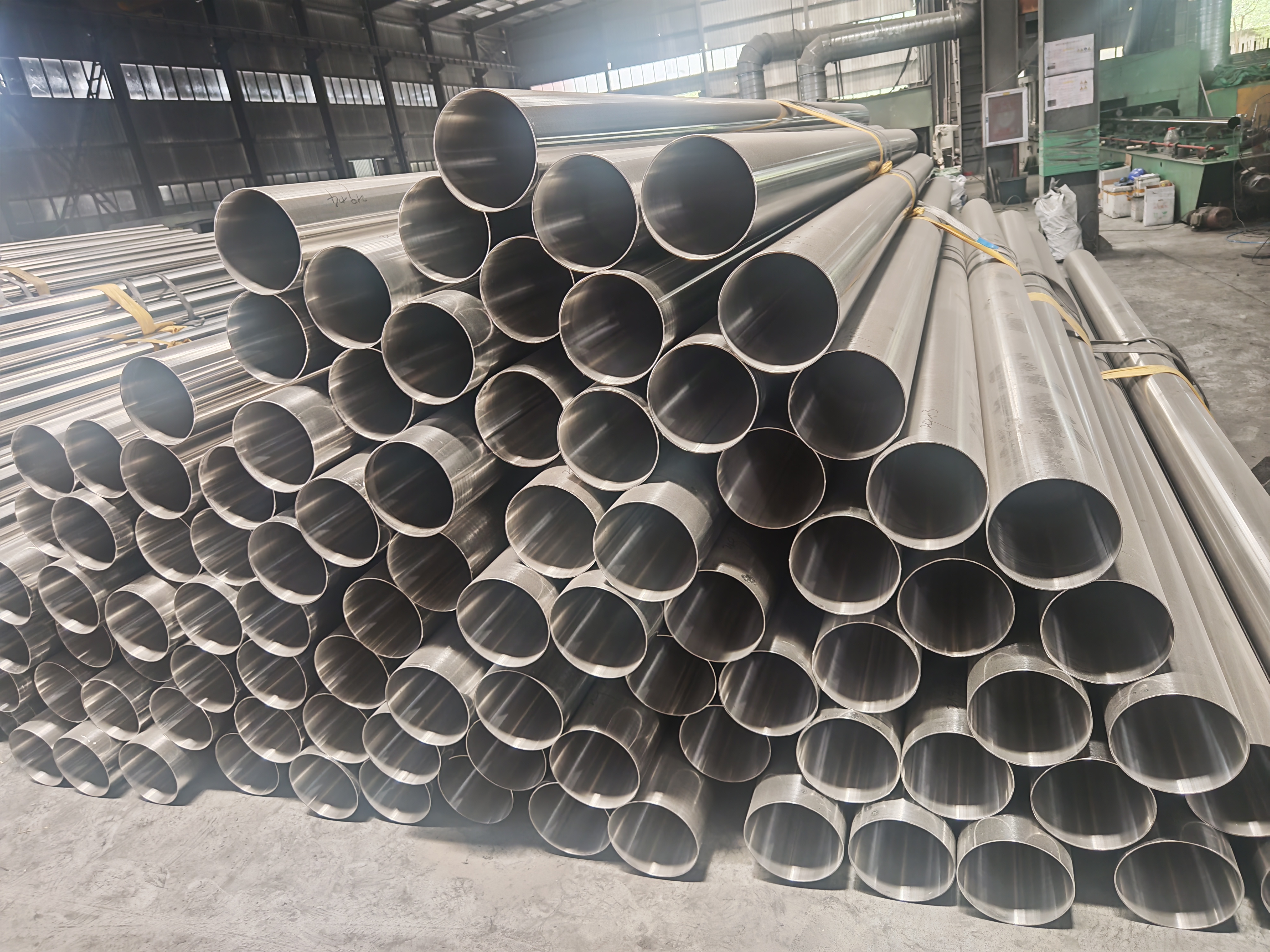
Boiler tube welding stands as one of the most critical processes in ensuring the long-term reliability and safety of steam systems across industrial applications. When properly executed, boiler tube welding creates strong, leak-resistant joints that withstand extreme pressure, temperature fluctuations, and thermal cycling. Understanding how boiler tube welding improves durability directly impacts operational efficiency, maintenance costs, and system lifespan in power generation, petrochemical, and manufacturing environments.
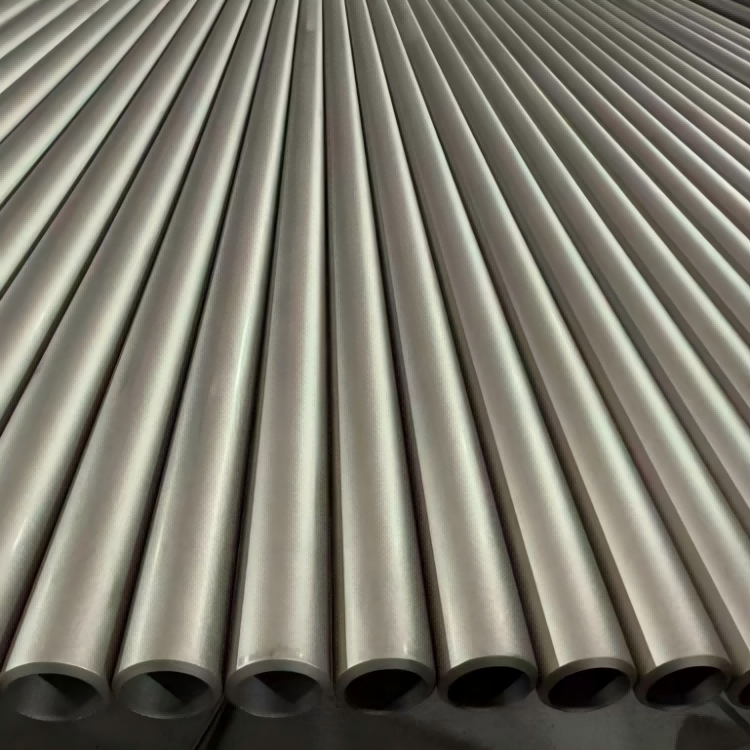
The integrity of steam systems depends fundamentally on the quality of connections between tubes, headers, and components. Boiler tube welding creates permanent joints that resist degradation far better than mechanical fasteners or brazed connections. By selecting appropriate welding techniques, materials, and inspection protocols, operators can significantly extend the operational life of boiler tube assemblies while minimizing catastrophic failure risks.
The Role of Boiler Tube Welding in Pressure Containment
Structural Integrity Under Extreme Conditions
Boiler tube welding directly enhances the structural integrity of steam systems by creating metallurgically bonded joints that match or exceed the base material's strength. Steam systems operate under pressures ranging from 100 to 3000 pounds per square inch, with temperatures reaching 1000 degrees Fahrenheit or higher. Boiler tube welding ensures these joints maintain their integrity across thousands of thermal cycles without cracking, thinning, or developing micro-fractures that could lead to unexpected leaks.
The quality of boiler tube welding directly correlates with the joint's ability to resist both static stress and dynamic loading. When boiler tube welding is performed using qualified welders and proper parameters, the resulting heat-affected zone remains stable, and the weld metal achieves the necessary tensile strength and ductility. This prevents brittle failure modes that commonly occur in improperly welded connections exposed to thermal stress and pressure cycling.
Prevention of Corrosion and Erosion Pathways
One of the most significant advantages of boiler tube welding is the elimination of crevices and surface irregularities where corrosion and erosion can initiate. Poorly fitted joints or mechanical connections create areas where water deposits accumulate, oxygen concentration cells form, and localized corrosion accelerates. Boiler tube welding, when finished smooth and properly cleaned, removes these corrosion pathways and extends the effective service life of the tube material significantly.
The corrosion resistance achieved through boiler tube welding depends on post-weld cleaning and passivation procedures, especially for stainless steel applications. Proper boiler tube welding technique prevents carbon contamination in the weld zone, which could otherwise create galvanic couples that promote localized pitting. This attention to detail in boiler tube welding procedures is essential for systems handling high-purity water, saturated steam, or corrosive feedwater conditions.
Material Selection and Boiler Tube Welding Compatibility
Matching Tube Material to Welding Parameters
Boiler tube welding success depends heavily on selecting filler materials and welding parameters that match the base tube composition. Carbon steel tubes require different boiler tube welding approaches than alloy steel or stainless steel variants. When boiler tube welding carbon steel tubes, operators must control heat input and cooling rates to avoid hardness issues and maintain the desired microstructure in the heat-affected zone.
Alloy steel tubes used in high-temperature steam systems demand specialized boiler tube welding consumables and preheat strategies. Boiler tube welding of chromium-molybdenum steels, for instance, requires specific filler metals and interpass temperature control to prevent hydrogen cracking and maintain creep resistance at elevated temperatures. Matching the filler metal composition to the base material ensures that boiler tube welding joints achieve compatible strength, hardness, and thermal expansion characteristics.
Stainless Steel and Specialty Tube Welding Approaches
Boiler tube welding of stainless steel tubes presents unique challenges related to sensitization, stress corrosion cracking, and ferrite content control. Modern boiler tube welding specifications for stainless materials emphasize low-carbon filler metals and careful heat input management to prevent carbide precipitation in the heat-affected zone. This specialized approach to boiler tube welding directly improves long-term durability by preventing intergranular corrosion and stress corrosion cracking initiators.
Selecting boiler tube welding parameters for nickel-alloy tubes requires understanding creep behavior, oxidation resistance, and weld metal composition stability. These specialty materials are often chosen for their superior performance in ultra-high-temperature steam systems, and boiler tube welding must preserve those material properties through careful technique, filler selection, and post-weld heat treatment.
Quality Control and Inspection in Boiler Tube Welding
Destructive and Non-Destructive Testing Protocols
Boiler tube welding durability is verified through comprehensive inspection protocols that include both destructive and non-destructive testing methods. Radiographic inspection detects internal discontinuities, porosity, and lack of fusion defects that could compromise the durability of boiler tube welding joints. Ultrasonic testing identifies small defects in thick-walled tubes where radiography may be less sensitive, ensuring that boiler tube welding quality meets or exceeds design specifications.
Visual inspection of boiler tube welding remains a critical first-pass quality control step, identifying surface cracks, undercut, spatter, and profile irregularities that indicate improper technique. Dye penetrant testing reveals surface-breaking defects in boiler tube welding that might be missed during visual examination. These inspection methods, when combined with mechanical testing of coupon samples, confirm that boiler tube welding meets the strength, ductility, and toughness requirements necessary for the intended operating conditions.
Post-Weld Heat Treatment Impact on Durability
Post-weld heat treatment is often essential to maximizing the durability benefits of boiler tube welding, particularly for alloy steel and stainless materials. Stress relief heat treatment reduces residual stresses in boiler tube welding joints, which otherwise could contribute to stress corrosion cracking or premature fatigue failure. For critical applications, full annealing after boiler tube welding can restore desired material properties and microstructure characteristics that may be altered by the heating and cooling cycle.
Proper control of post-weld heat treatment temperature and time directly determines whether boiler tube welding achieves its intended durability improvements. Insufficient post-weld heat treatment leaves high residual stresses that can initiate cracks under cyclic loading, while excessive heat treatment time or temperature can cause grain growth or sensitization issues. Monitoring post-weld heat treatment procedures for boiler tube welding ensures that durability gains are fully realized in service.
FAQ
What is the primary advantage of boiler tube welding compared to mechanical joining methods?
Boiler tube welding creates permanent, metallurgically bonded joints that match base material strength and eliminate crevice sites where corrosion initiates. Mechanical fasteners cannot achieve this level of integrity and create stress concentration points that reduce fatigue life. Boiler tube welding provides superior leak prevention, longer service life, and better performance under thermal cycling, making it the preferred method for high-pressure steam systems.
How does improper boiler tube welding affect steam system durability?
Defective boiler tube welding can introduce porosity, cracks, and weak spots that serve as stress concentration points and initiate corrosion pathways. These flaws lead to progressive failure, leaks, and eventual rupture under operating pressure and temperature. Improper boiler tube welding also creates residual stresses that accelerate stress corrosion cracking, dramatically reducing the actual service life compared to properly executed joints.
What materials are typically used as filler metals in boiler tube welding applications?
Boiler tube welding filler metals are selected to match base material composition and properties, including carbon steel rods, alloy steel rods with chromium-molybdenum content, and austenitic stainless steel electrodes. Selecting the correct filler metal for boiler tube welding ensures compatibility with the tube material, prevents lamellar tearing, and maintains corrosion and creep resistance at operating temperature.