Di antara baja tahan karat austenitik berbasis molibdenum, 316L, 316Ti, dan 317L masing-masing mengatasi permasalahan berbeda: 316L adalah varian berkarbon rendah yang andal untuk layanan umum terhadap korosi klorida dan korosi basah; 316Ti distabilkan dengan titanium guna menahan sensitisasi selama paparan lama pada suhu tinggi; sedangkan 317L meningkatkan kandungan molibdenum hingga sekitar 3–4% sehingga ketahanan terhadap korosi pit dan korosi celah menjadi jauh lebih baik dalam media klorida hangat. Gunakan 316L untuk sebagian besar pipa proses, pilih 316Ti bila kondisi operasi berlangsung pada suhu tinggi dalam rentang sensitivitas, dan pilih 317L bila margin ketahanan korosi 316L tidak memadai namun peningkatan ke baja duplex belum diperlukan. Ketiganya memiliki harga lebih tinggi dibandingkan 316 standar, dan 316Ti serta 317L lebih sulit ditemukan.
Dasar yang Sama: Keluarga 316
Ketiganya termasuk dalam keluarga austenitik 18Cr-10Ni-2Mo, dan ciri khas bersama mereka adalah molibdenum. Penambahan sekitar 2% molibdenum ke baja tahan karat dasar 18-8 secara nyata meningkatkan ketahanan terhadap korosi pit dan korosi celah dalam lingkungan mengandung klorida; itulah sebabnya keluarga 316 mendominasi aplikasi kelautan, kimia, farmasi, dan makanan. Molibdenum menstabilkan lapisan pasif terhadap kerusakan lokal serta meningkatkan Angka Ekuivalen Ketahanan terhadap Korosi Pit (PREN) = %Cr + 3,3 × %Mo + 16 × %N.
Perbedaan utama antara 316L, 316Ti, dan 317L terletak pada cara masing-masing mengatasi dua tantangan tambahan: pengendapan karbida pada suhu tinggi, serta jumlah molibdenum yang tersedia untuk ketahanan terhadap korosi pit. Memahami perbedaan-perbedaan ini secara tepat memungkinkan Anda menghindari spesifikasi di bawah standar—yang berisiko menimbulkan korosi—maupun spesifikasi di atas standar—yang membuang-buang biaya.
316L: Acuan Berkarbon Rendah
316L membatasi kandungan karbon hingga maksimal sekitar 0,03%. Rendahnya kadar karbon ini membatasi pembentukan kromium karbida di batas butir selama pengelasan—yaitu fenomena sensitisasi yang menyebabkan zona kekurangan kromium rentan terhadap korosi antar-butir. Oleh karena itu, 316L menjadi pilihan baku untuk konstruksi yang dilas di mana perlakuan panas pasca-las tidak praktis—kondisi yang mencakup sebagian besar pekerjaan perpipaan.
Bahan ini tahan terhadap berbagai jenis klorida, asam encer, serta kondisi korosi basah umum pada suhu ruang dan suhu agak hangat. Selain itu, 316L merupakan varian yang paling banyak diproduksi dan paling mudah diperoleh dari ketiganya, tersedia dalam bentuk pipa tanpa sambungan maupun pipa berlas, tabung presisi dan kapiler, fitting, serta flens. Batasannya: manfaat rendah karbon ini berkurang di atas sekitar 425 derajat Celsius, di mana paparan berkepanjangan tetap dapat menyebabkan pengendapan karbida; selain itu, kandungan molibdenumnya sekitar 2% mungkin tidak cukup memadai dalam larutan klorida bersuhu tinggi atau berkonsentrasi tinggi.
316Ti: Distabilkan untuk Suhu Tinggi
316Ti menambahkan sedikit titanium secara sengaja, biasanya sekitar lima kali kandungan karbon. Titanium merupakan pembentuk karbida yang lebih kuat dibanding kromium, sehingga mengikat karbon menjadi karbida titanium yang tidak berbahaya dan membiarkan kromium tetap larut dalam baja untuk melindunginya. Stabilisasi ini memberikan manfaat ketika suatu komponen harus beroperasi dalam jangka waktu lama pada kisaran sensitivitas sekitar 425–815 derajat Celsius, di mana bahkan baja 316L berkarbon rendah pun pada akhirnya dapat mengalami sensitivitas.
Hal itu menjadikan 316Ti cocok untuk layanan suhu tinggi, seperti penukar panas, komponen knalpot dan cerobong, serta saluran proses bersuhu tinggi—menggabungkan ketahanan klorida 316 dengan stabilitas terhadap serangan antar-butir saat panas. Kompetisi praktisnya adalah sebagai berikut: stabilisasi titanium dapat meninggalkan inklusi permukaan yang sedikit mengurangi kemampuan poles dan mempersulit hasil pengelasan paling mengilap, serta kelas ini tidak seumum 316L dalam stok, sehingga Anda perlu mengantisipasi waktu tunggu lebih lama dan harga lebih tinggi. Untuk banyak pekerjaan modern, 316L berkarbon rendah mampu menangani tugas yang sama kecuali jika Anda benar-benar memperkirakan paparan suhu tinggi dalam jangka panjang.
317L: Molibdenum Lebih Banyak untuk Klorida Lebih Agresif
317L mempertahankan pendekatan rendah karbon tetapi meningkatkan kadar molibdenum hingga sekitar 3–4% serta sedikit menaikkan kadar kromium dan nikel. Tambahan molibdenum ini meningkatkan nilai PREN dan mendorong suhu kritis terjadinya pitting serta crevice di atas nilai 316L, sehingga memberikan keunggulan nyata dalam air pendingin yang dipengaruhi air laut hangat, bahan kimia pemutih, desulfurisasi gas buang, serta aliran klorida agresif lainnya. Baja ini menjadi jembatan antara 316L standar dan baja duplex.
317L merupakan pilihan tepat ketika survei korosi atau pengalaman lapangan menunjukkan terjadinya pitting pada 316L dalam kondisi operasi tertentu, namun pertimbangan tekanan, biaya, atau fabrikasi menghalangi penggunaan duplex 2205. Kelemahannya terletak pada harga dan ketersediaan: kandungan paduan yang lebih tinggi membuatnya lebih mahal, dan sebagai baja spesial, stoknya lebih terbatas dibandingkan 316L—oleh karena itu, gunakan hanya di tempat-tempat di mana tambahan molibdenum benar-benar memberikan manfaat nyata.
| Kelas | Mo (%) | Fitur utama | Penggunaan Tipikal |
| 316L | ~2.0-2.5 | Rendah karbon; dasar yang ramah las | Pipa umum untuk korosi basah dan klorida |
| 316Ti | ~2.0-2.5 | Distabilkan titanium vs. sensitasi | Pelayanan suhu tinggi dalam durasi panjang |
| 317L | ~3.0-4.0 | Mo lebih tinggi; ketahanan terhadap pit lebih baik | Lingkungan hangat, kaya klorida, atau mengandung bahan pemutih |
Membuat pilihan
Mulailah dari lingkungan. Untuk layanan klorida pada suhu sekitar hingga sedang dengan sambungan las, 316L merupakan pilihan standar yang ekonomis dan tersedia sepenuhnya, serta mencakup sebagian besar aplikasi. Jika komponen akan berada dalam waktu lama pada suhu tinggi di kisaran sensitasi, 316Ti memberikan jaminan perlindungan terhadap korosi antar-butir yang mungkin tidak dijamin hanya oleh kandungan karbon rendah selama puluhan tahun operasi pada suhu tinggi. Jika media bersifat hangat dan cukup kaya klorida sehingga menyebabkan pit pada 316L, tetapi baja duplex tidak diperlukan atau tidak cocok, tambahan molibdenum pada 317L memberikan margin keamanan tambahan.
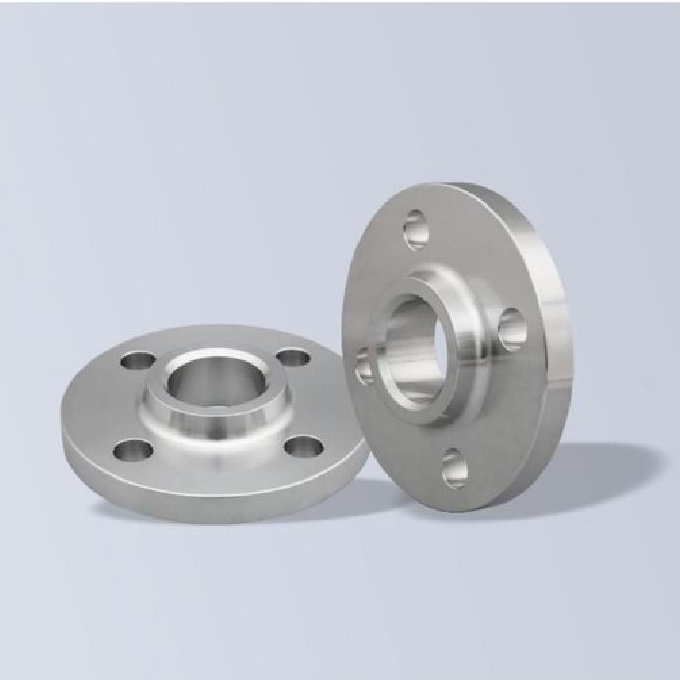
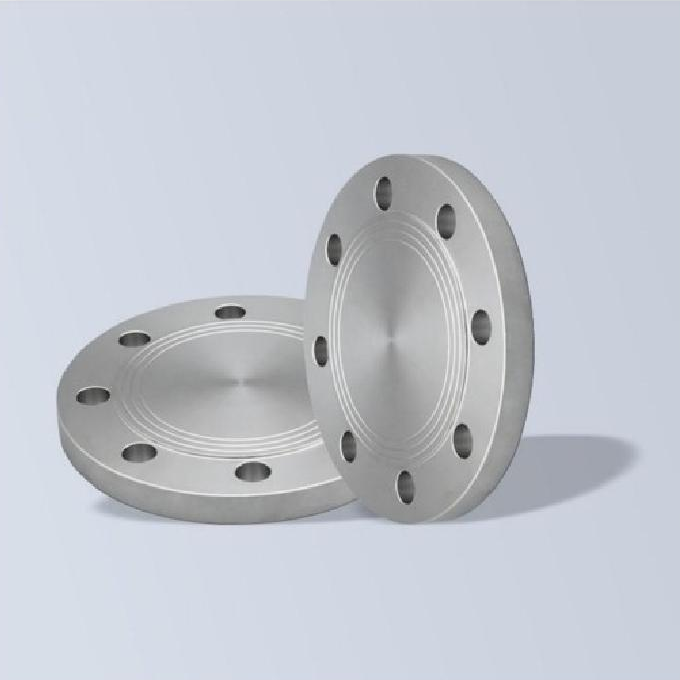
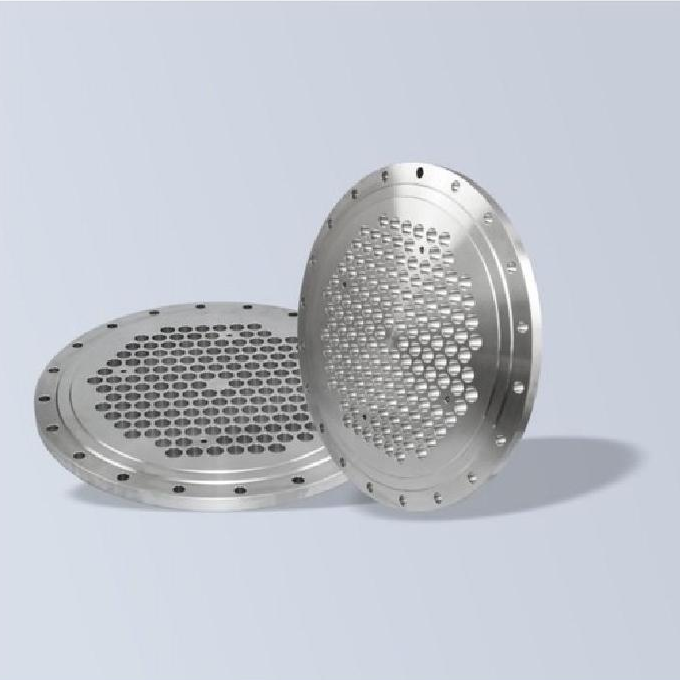
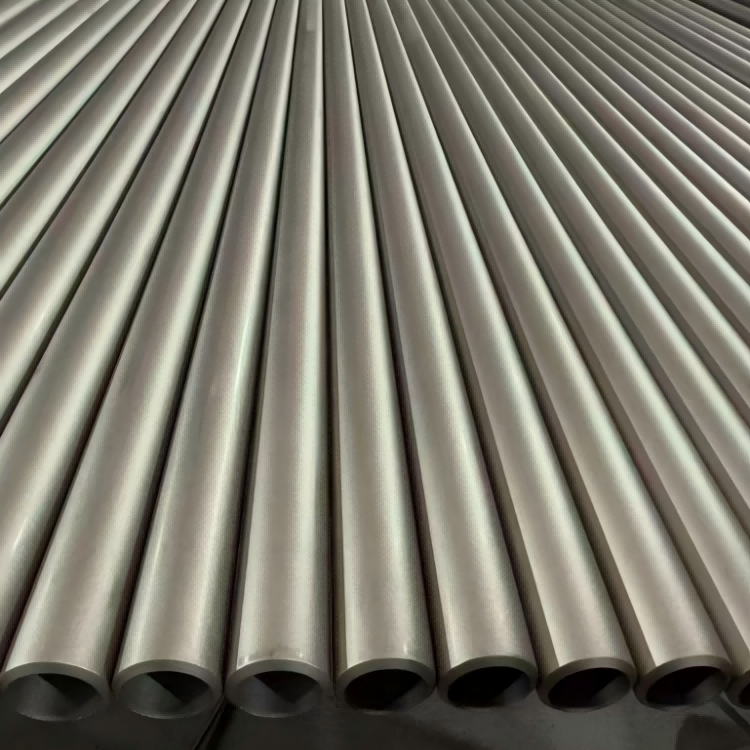
Pertimbangkan biaya dan ketersediaan pasokan berikutnya. 316L adalah yang paling murah dan paling tersedia dalam stok; 316Ti dan 317L memiliki harga premium serta waktu tunggu lebih lama. Aspek fabrikasi juga penting: ketiganya dapat dilas dengan baik menggunakan pengisi berkarbon rendah atau stabilisasi, tetapi hasil polesan paling mengilap paling mudah dicapai pada 316L. Wenqiang memasok kelas-kelas ini dalam bentuk pipa dan tabung seamless serta welded, fitting, dan flange sesuai standar ASTM A312, A213, dan A269 dengan sertifikat EN 10204 3.1 atau 3.2, serta laboratorium internalnya dapat memverifikasi komposisi kimia dan sifat mekanis sesuai kondisi penggunaan.
Kesimpulan
316L, 316Ti, dan 317L tidak saling dapat dipertukarkan meskipun ketiganya mengandung molibdenum. 316L unggul dari segi biaya dan ketersediaan untuk layanan klorida sehari-hari, 316Ti menunjukkan nilai tambahnya dalam tugas bersuhu tinggi jangka panjang, sedangkan 317L memberikan ketahanan ekstra terhadap korosi pit untuk klorida agresif dalam kondisi hangat. Pilihlah kelas material yang sesuai dengan suhu, komposisi kimia, dan anggaran—dengan demikian Anda akan terhindar dari korosi dini sekaligus pengeluaran tak perlu, yang memang menjadi tujuan utama pemilihan material secara cermat pada tahap spesifikasi.
Pertanyaan yang Sering Diajukan
T: Apakah 316Ti lebih baik daripada 316L untuk pengelasan?
J: Untuk sebagian besar pipa yang dilas pada suhu sedang, 316L lebih disukai karena kandungan karbonnya yang rendah mencegah sensitasi tanpa memerlukan stabilisasi. Keunggulan 316Ti baru tampak ketika komponen beroperasi dalam jangka panjang pada suhu tinggi di kisaran sensitasi.
T: Kapan saya harus memilih 317L alih-alih 316L?
J: Pilih 317L ketika kondisi kerja bersuhu hangat dan kaya klorida hingga menyebabkan terjadinya pitting pada 316L, seperti pada proses desulfurisasi gas buang atau media pemutih, tetapi di mana duplex 2205 tidak diperlukan atau tidak cocok. Kandungan molibdenum yang lebih tinggi meningkatkan ketahanan terhadap pitting dan crevice, dengan tambahan biaya.
Biarkan Wenqiang mencocokkan kelas peningkat molibdenum yang tepat untuk kondisi kerja Anda: +86 577 8922 2595 \/ https://www.chinawqsteel.com/

Hak Cipta © 2026 Strongwin Stainless Steel Group Co., Ltd. Hak cipta dilindungi undang-undang. - Kebijakan Privasi
 EN
EN
 Berita Terkini