Among the molybdenum-bearing austenitic stainless steels, 316L, 316Ti, and 317L each answer a different problem: 316L is the low-carbon workhorse for general chloride and wet-corrosion service, 316Ti is titanium-stabilized to resist sensitization dur...
Read More
Back-purging means displacing the air inside a stainless steel tube with an inert gas, usually argon, so the molten weld root solidifies without touching oxygen. Get it right and you prevent "sugaring", the granular, heavily oxidized root surface tha...
Read More
Positive Material Identification (PMI) is the on-site or in-plant check that a component's alloy chemistry matches its specified grade, and it is the fastest way to keep grade mix-ups and counterfeit material out of critical piping. Handheld X-ray fl...
Read More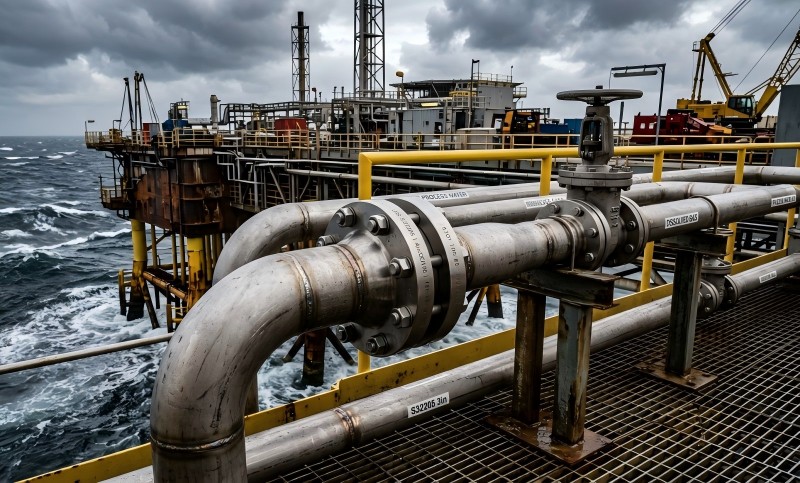
Crevice corrosion is localized attack inside occluded gaps too tight to keep oxygen replenished, and it typically starts at a lower chloride level and lower temperature than pitting on an open surface. Your best defense pairs a higher-molybdenum grad...
Read More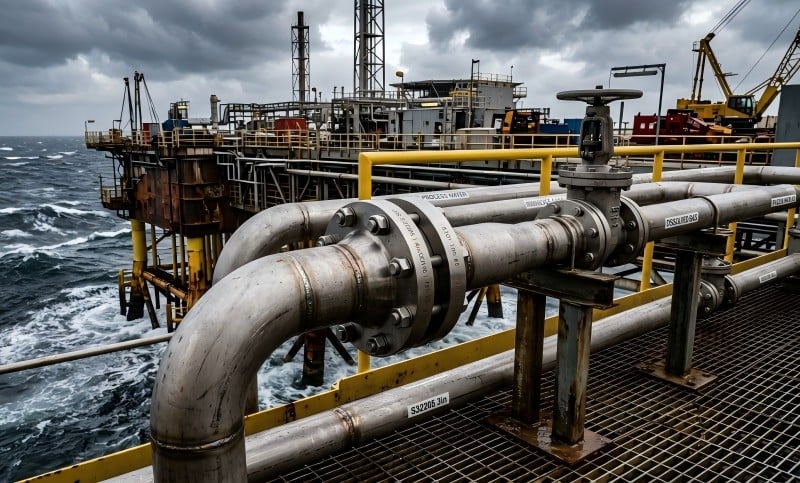
Chloride stress corrosion cracking, or CSCC, happens when three conditions coincide: sustained tensile stress, chlorides, and temperature above roughly 60 degrees Celsius. Under those conditions standard austenitic grades such as 304L and 316L can cr...
Read More
The ferrite number, or FN, quantifies how much ferrite a stainless steel weld contains, and welders control it because it drives weld performance. For duplex and super duplex welds the target ferrite content is generally about 30 to 70 FN, matching a...
Read More
The pitting resistance equivalent number, or PREN, ranks stainless steel grades by their resistance to chloride pitting using the formula PREN = %Cr + 3.3 x %Mo + 16 x %N. On that scale, standard 304 sits near 18, 316L near 24, duplex 2205 near 35, a...
Read More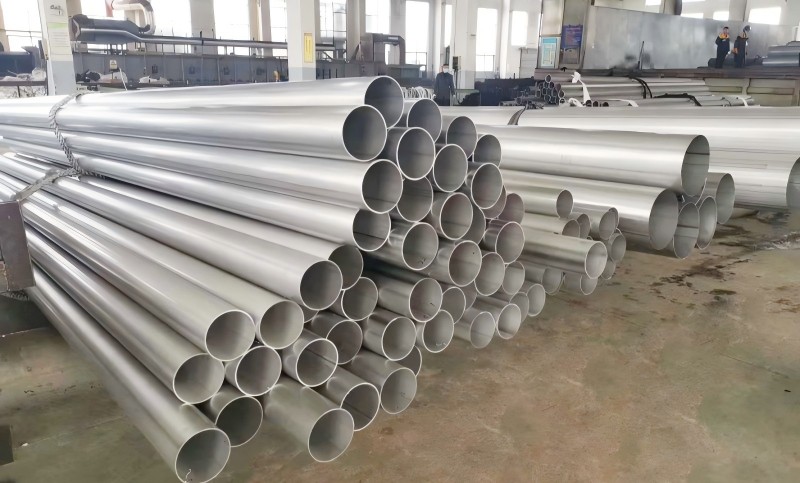
Super duplex S32750, usually called 2507, is a nominally 25Cr-7Ni-4Mo-N stainless steel. Its seamless pipe is made by hot extrusion, high-temperature solution annealing near 1050 to 1100 degrees Celsius, rapid water quenching, and cold pilgering or d...
Read More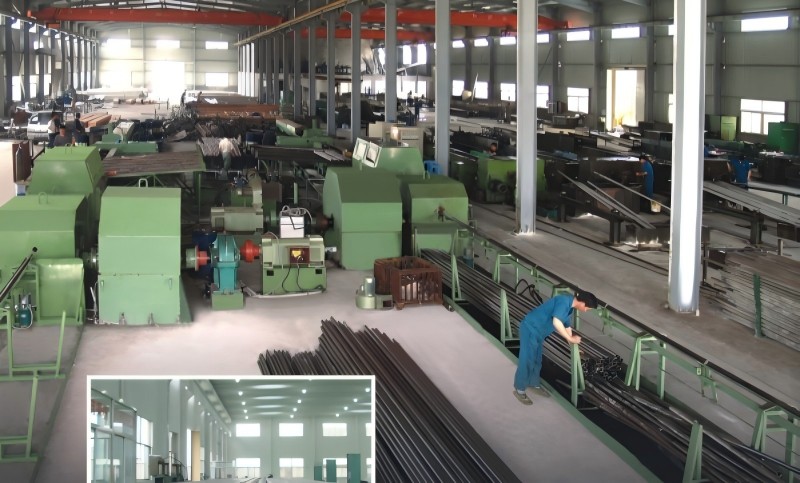
A complete stainless steel pipe RFQ names, at a minimum, the grade (for example 316L), the governing standard (such as ASTM A312), the size as outside diameter and wall thickness or schedule, the tolerance class, surface finish, end preparation, the ...
Read More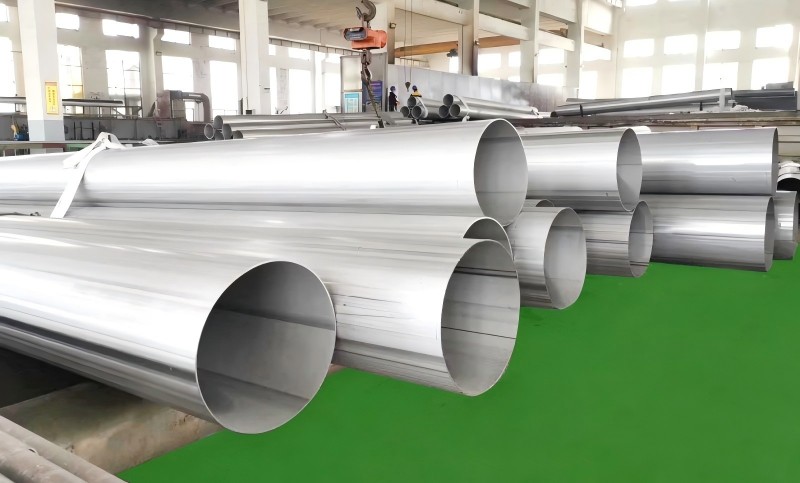
Whether you buy stainless steel pipe by weight or by length, the two prices only line up when everyone uses the same weight basis and the same tolerances. The costliest procurement mistakes happen when one party quotes price per ton on theoretical we...
Read More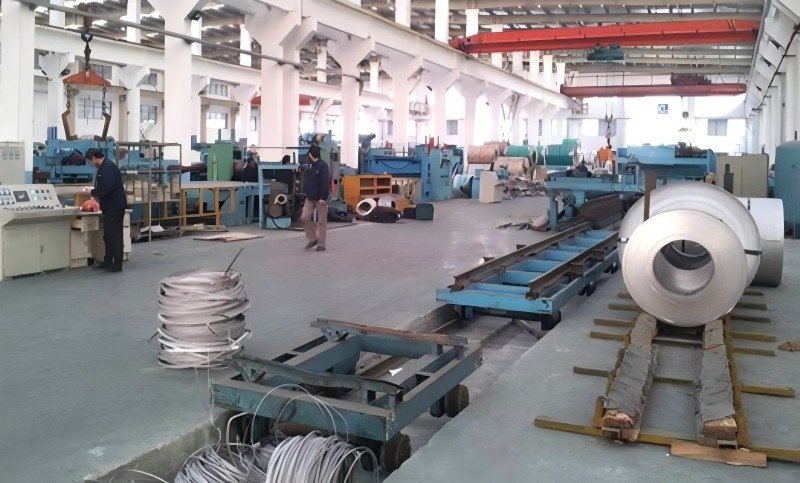
The 2026 stainless steel pipe trade map rewards buyers who widen their supplier base without walking away from proven capacity. A China+1 approach, keeping established, high-volume Chinese mills as the reliable core while qualifying a second source i...
Read More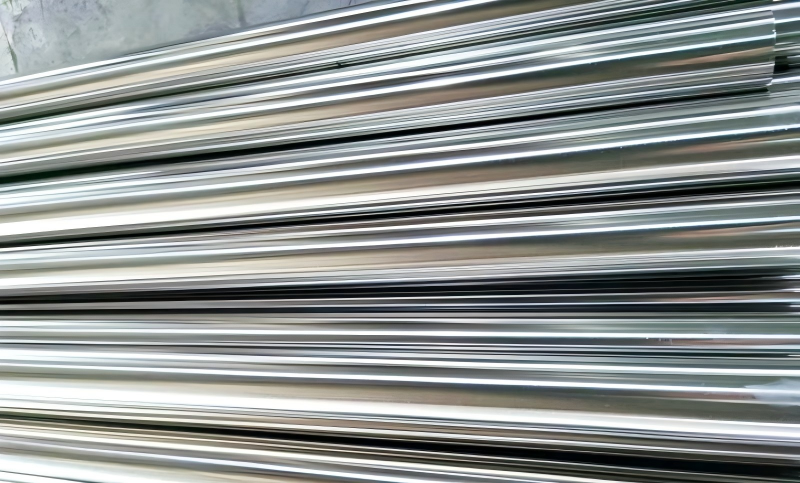
No buyer reliably predicts stainless steel prices, so the winning move isn't forecasting, it's structuring contracts that match your risk tolerance to how the market actually behaves. Fixed-price contracts protect your budget when prices rise but cos...
Read More
Copyright © 2026 Strongwin Stainless Steel Group Co., Ltd. All rights reserved. - Privacy Policy
 EN
EN
 Hot News