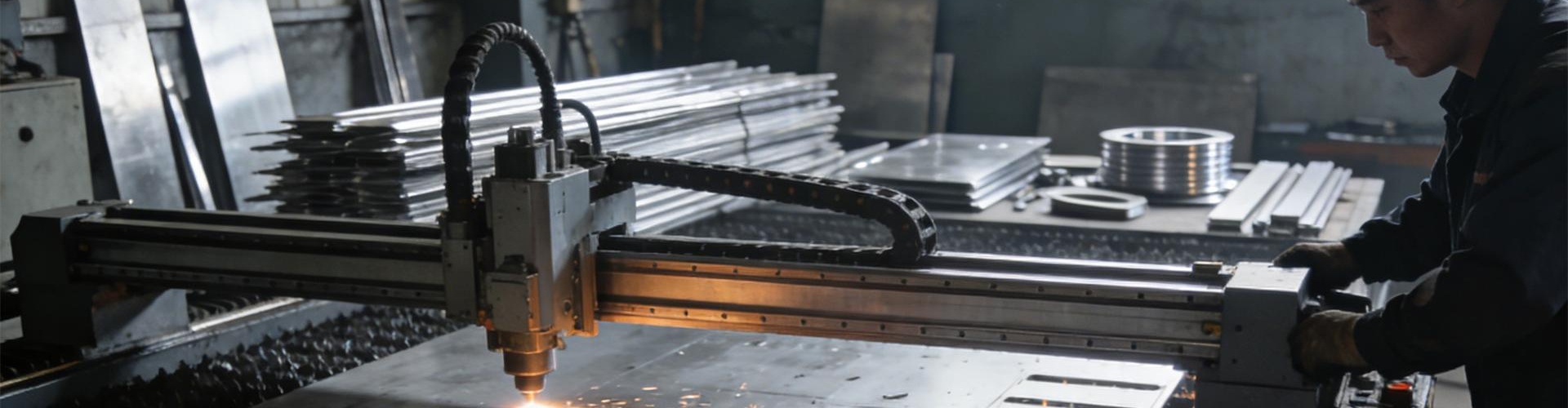
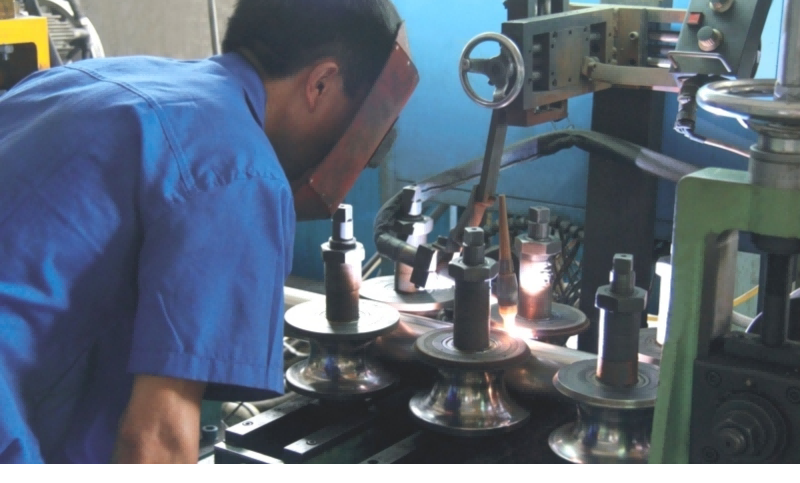
Introduction: A Century of Building PipingAs public awareness of drinking water safety and building quality grows, stainless steel piping is rapidly replacing traditional galvanized steel and plastic pipes as the preferred material for premium buildi...
Read More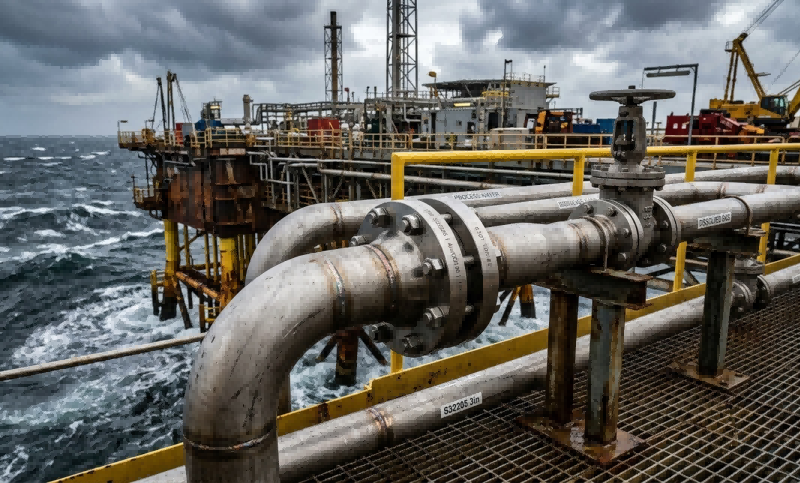
Introduction: Piping Solutions Against Seawater CorrosionGlobal water scarcity is driving rapid growth in seawater desalination. Seawater's high total dissolved solids (TDS ≈ 35,000 mg/L) and chloride ion concentration (≈19,000 mg/L) crea...
Read More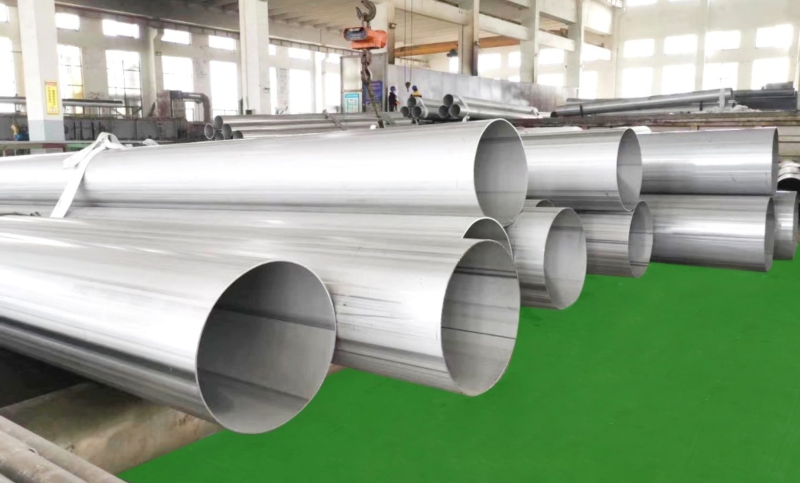
Introduction: Pharmaceutical Piping Cleanliness StandardsIn pharmaceutical manufacturing, piping systems directly contact active ingredients and finished drug products. Material quality, internal surface finish, and cleanability directly impact produ...
Read More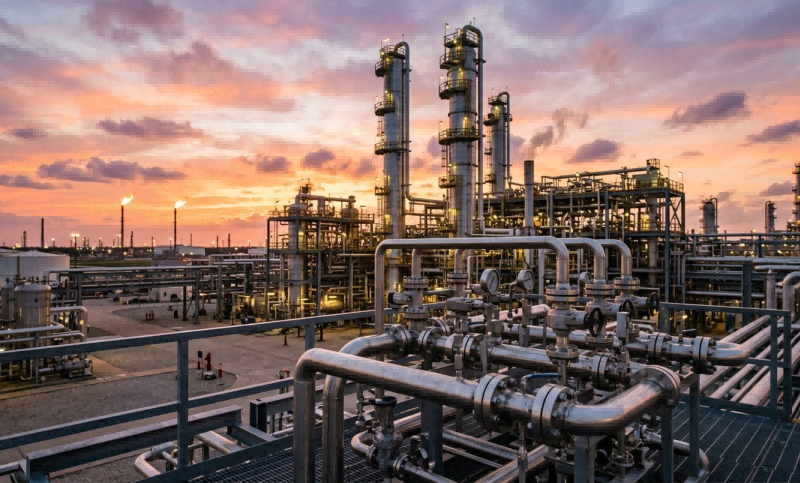
Introduction: Meeting Petrochemical's Stringent DemandsThe petrochemical industry represents one of the largest application fields for stainless steel piping. From crude oil atmospheric/vacuum distillation to catalytic cracking, hydroprocessing, and ...
Read More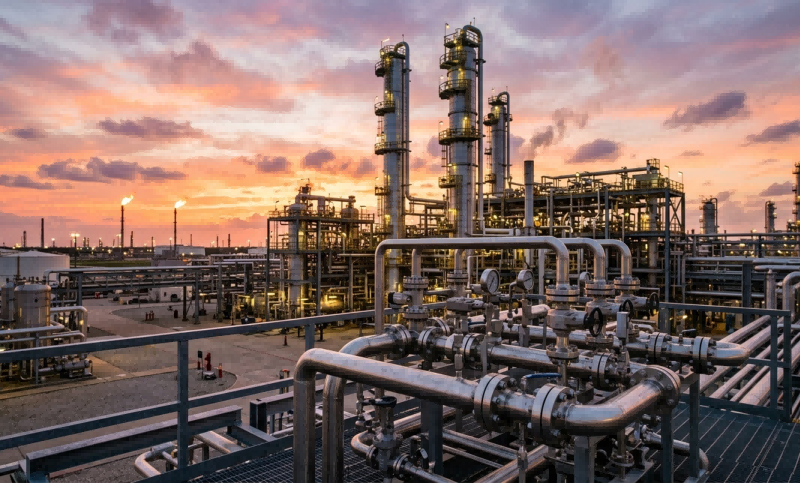
Introduction: When 316L Is Not EnoughIn sulfuric acid production, flue gas desulfurization, deep-sea oil & gas, and agrochemical manufacturing, standard austenitic stainless steels — and even duplex grades — may not provide adequate c...
Read More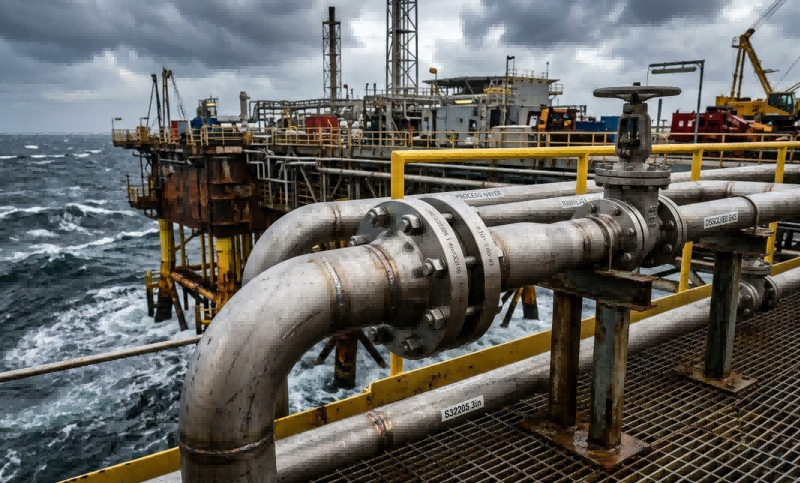
Introduction: Combating Extreme Corrosion EnvironmentsIn seawater desalination, offshore oil & gas, chemical processing, and pulp bleaching — environments saturated with chloride ions — standard 304/316L stainless steels often fall sh...
Read More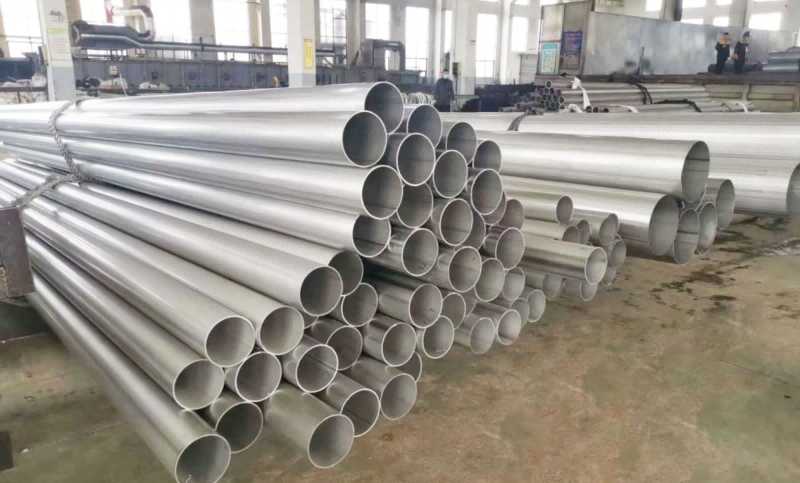
Introduction: The Most Common Stainless Steel Selection Dilemma304 and 316L are the two most widely consumed austenitic stainless steel grades worldwide. Visually indistinguishable, they differ significantly in performance and price. Incorrect select...
Read More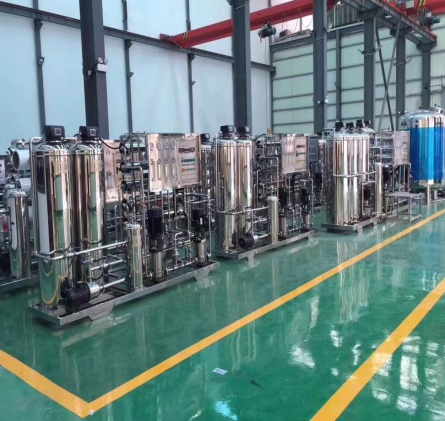
Introduction: Valve Actuation for the Automation EraIn the Industry 4.0 and smart manufacturing era, automated pipeline control is standard practice. Pneumatic and electric actuators are the two primary valve driving methods, each with distinct techn...
Read More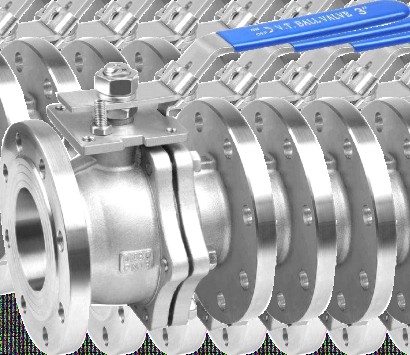
Introduction: High-Pressure Valves — Pipeline Safety GuardiansIn petrochemical, power generation, and high-pressure gas transmission applications, piping systems operating at ≥10 MPa demand exceptional valve pressure integrity, sealing perfo...
Read More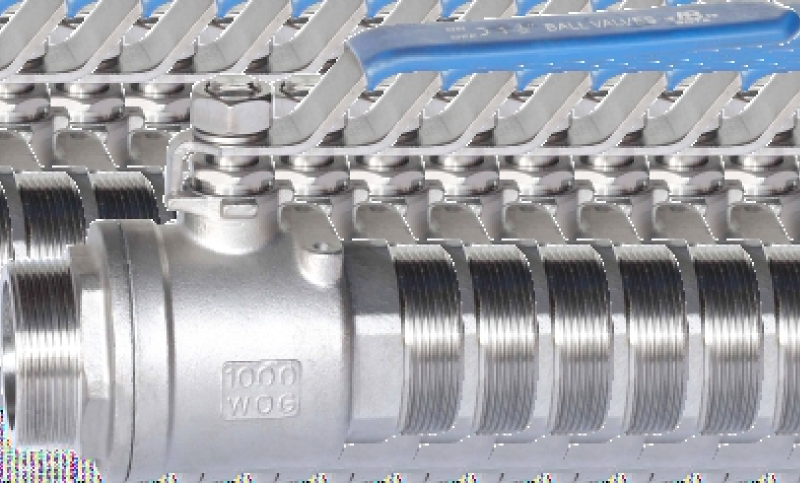
Introduction: The Lightweight Choice for Large-Diameter PipingStainless steel butterfly valves are valued for their compact size, light weight, rapid operation, and good throttling characteristics. In large-diameter (DN100+) water systems, ventilatio...
Read More
Introduction: Ball Valves — The Most Widely Used Isolation ValvesStainless steel ball valves offer rapid operation, reliable sealing, low flow resistance, and simple maintenance — making them the most widely used isolation valves across p...
Read More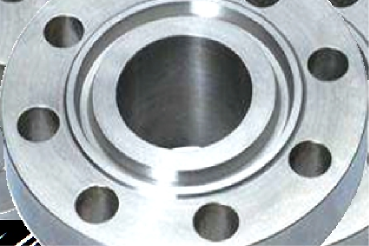
Introduction: Pipeline Closure Safety GuardsBlind flanges and pipe caps are dedicated fittings for sealing pipe ends in piping systems. Blind flanges provide bolted closure that can be opened for future expansion or maintenance. Pipe caps provide per...
Read More
Copyright © 2026 Strongwin Stainless Steel Group Co., Ltd. All rights reserved. - Privacy Policy
 EN
EN
 Hot News