 EN
EN

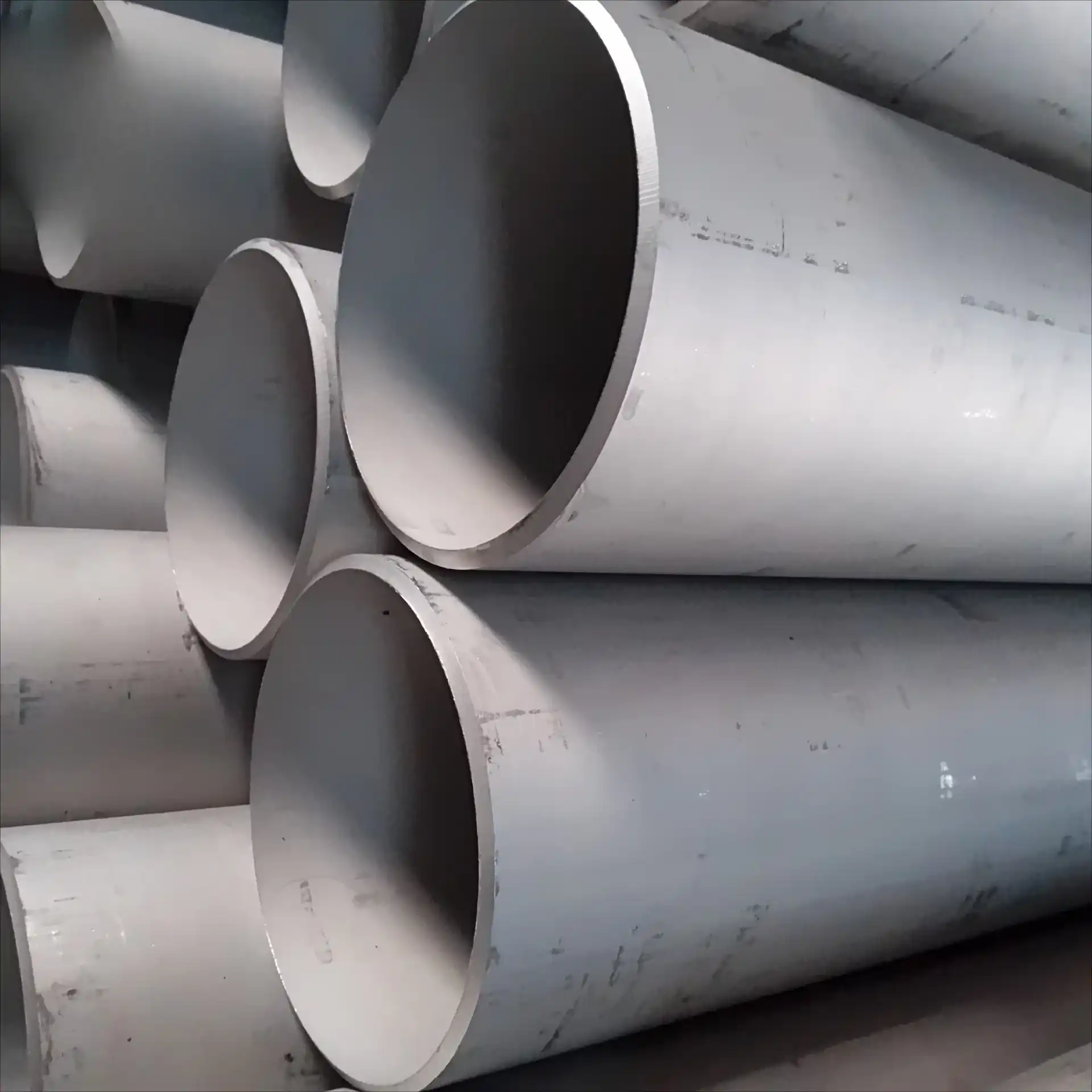
Ang mga sistemang industriyal na tubo ay bumubuo ng pundasyon ng modernong pagmamanupaktura, produksyon ng enerhiya, at pag-unlad ng imprastruktura, na umaasa nang malaki sa matitibay at epektibong mga materyales upang ilipat ang mga likido, gas, at iba pang sustansya sa loob ng mga kumplikadong network. Isa sa mga pinakakaraniwang ginagamit na solusyon sa inhinyeriyang tubo ay ang seam pipe, isang welded na tubular na produkto na nagkakaisa ng kahemat-an at maaasahang pagganap sa iba't ibang kapaligiran ng operasyon. Ang pag-unawa kung paano gumagana ang seam pipe sa mga aplikasyong industriyal ay nangangailangan ng pagsusuri sa proseso ng paggawa nito, mga katangian ng istruktura nito, at ang mga tiyak na paraan kung saan ginagamit ng iba't ibang sektor ang kanyang mga kakayahan upang tupdin ang mahigpit na mga pangangailangan ng operasyon.
Ang paggamit ng seam pipe ay kumakalat sa mga sektor ng petroleum refining, chemical processing, water treatment, power generation, at construction, kung saan pinipili ng mga inhinyero ang uri ng tubo na ito batay sa mga kinakailangan sa presyon, kakailanganin sa resistance sa corrosion, mga espesipikasyon sa diameter, at mga limitasyon sa badyet. Hindi tulad ng seamless na alternatibo, ginagawa ang seam pipe sa pamamagitan ng pagbuo ng mga patag na plato o coil na bakal sa anyong cylindrical at pag-uugnay ng mga gilid gamit ang iba't ibang teknik ng pag-weld, na lumilikha ng isang longitudinal seam na umaabot sa buong haba ng tubo. Ang paraan ng pagmamanupaktura na ito ay nagpapahintulot sa produksyon ng mga tubo na may mas malaking diameter sa mas mababang gastos habang pinapanatili ang structural integrity na angkop para sa maraming industriyal na sitwasyon, kaya ito ay isang mahalagang bahagi ng pipeline infrastructure sa buong mundo.
Pag-unawa sa Konstruksyon ng Seam Pipe at sa Kanyang Papel sa mga Sistema ng Pipeline
Proseso ng Pagmamanupaktura at mga Katangiang Estructural
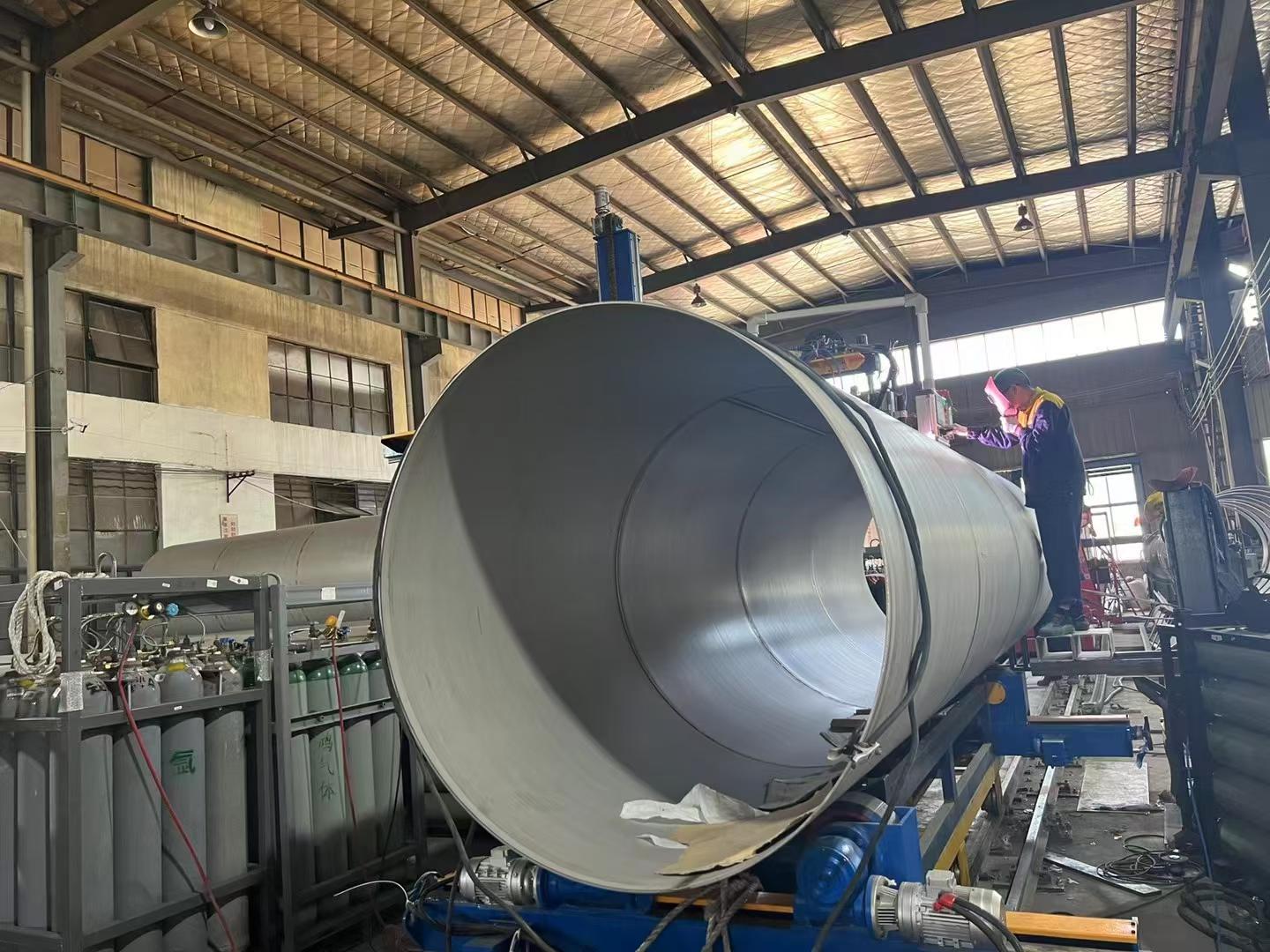
Ang produksyon ng seam pipe ay nagsisimula sa mga mataas na kalidad na steel coils o plates na dumaan sa mga tiyak na operasyon sa pagbuo upang makamit ang ninanais na cylindrical geometry. Ginagamit ng mga tagagawa ang mga teknik sa cold-forming o hot-forming depende sa uri ng bakal, kapal ng pader, at mga kinakailangan para sa huling aplikasyon. Sa panahon ng pagbuo, ang mga espesyal na roller ay unti-unting binubuo ang patag na materyal papuntang tubular na hugis, at isinasaayos nang tumpak ang mga gilid para sa sumunod na operasyon sa pag-weld. Ang kontroladong proseso ng pagbuo na ito ay nagbibigay-daan sa pare-parehong kawastuhan ng sukat sa mahabang mga production run, na kritikal upang mapanatili ang compatibility sa mga standard na pipeline fittings at mga sistema ng koneksyon.
Kapag nabuo na, ang mga gilid na pahabang bahagi ay pinagsasama gamit ang mga paraan tulad ng electric resistance welding, submerged arc welding, o high-frequency induction welding. Ang bawat teknik sa pag-weld ay nagbibigay ng natatanging katangian sa weld na nakaaapekto sa mekanikal na katangian ng tubo at sa kanyang kahusayan para sa tiyak na mga aplikasyon. Ang electric resistance welding ay gumagawa ng makitid na heat-affected zone, na binabawasan ang mga pagbabago sa mikroestruktura ng base material, samantalang ang submerged arc welding ay nagbibigay ng malalim na penetration na angkop para sa mga tubong may makapal na pader na ginagamit sa mataas na presyur na serbisyo. Ang resultang seam ay kumakatawan sa pangunahing katangian ng uri ng tubong ito, at ang mga modernong hakbang sa quality control ay nagsisiguro na ang maayos na isinagawang mga weld ay umaabot sa antas ng lakas na katumbas ng parent material.
Pang-industriyang Pagganap sa Mekanikal
Ang pahabang hiwa sa welded pipe ay nagdudulot ng mga direksyonal na katangian na kailangang isaalang-alang ng mga inhinyero sa panahon ng disenyo at pag-install ng sistema. Kapag inilalagay sa loob na presyon, ang hoop stress na kumikilos nang patayo sa hiwa ay karaniwang nangunguna sa kapasidad ng pipe na magdala ng karga, samantalang ang longitudinal stress na seyntro sa hiwa ay nananatiling humigit-kumulang sa kalahati ng kabuuan nito. Ang pattern ng distribusyon ng stress na ito ay nakaaapekto sa paraan kung paano gumaganap ang seam pipe sa iba't ibang kondisyon ng operasyon, lalo na sa mga aplikasyon na kasali ang siklikong pagbabago ng presyon o thermal expansion. Ang maayos na ginawang seam pipe ay nagpapakita ng mahusay na resistensya laban sa mga karaniwang stress sa industriya kapag na-install nang may angkop na oryentasyon at suporta.
Ang paglaban sa korosyon ay kumakatawan sa isa pang mahalagang aspeto ng pagganap, lalo na sa mga agresibong kemikal na kapaligiran o sa mga panlabas na instalasyon na nakalantad sa mga kondisyon ng atmospera. Ang lugar ng pagweld ay maaaring magpakita ng iba't ibang elektrokimikal na katangian kumpara sa base material, na posibleng lumikha ng mga lokal na selula ng korosyon kung hindi ito angkop na tinatrato. Sa mga industriyal na aplikasyon, tinatanggap ang kabalaka na ito sa pamamagitan ng pagpili ng materyales, post-weld heat treatment, at mga sistema ng protektibong coating na isinabuhay para sa tiyak na kapaligiran ng paggamit. Halimbawa, ang seam pipe na gawa sa stainless steel ay nagbibigay ng likas na paglaban sa korosyon sa isang malawak na saklaw ng pH, samantalang ang mga bersyon ng carbon steel ay nangangailangan ng panlabas na coating o cathodic protection sa mga korosibong kapaligiran.
Mga Aplikasyon sa Industriya ng Langis at Petrochemical
Mga Network ng Transportasyon ng Hilaw na Langis
Sa loob ng mga operasyon ng produksyon at pag-refine ng petrolyo, tubong may hiwa ginagamit bilang pangunahing paraan ng pagdadala ng hilaw na langis mula sa mga wellhead patungo sa mga pasilidad ng pagpaproseso. Ang mga pipeline na ito ay kailangang tumagal hindi lamang sa mga mekanikal na stress na dulot ng presyon ng likido kundi pati na rin sa mga kemikal na interaksyon sa mga sangkap ng hilaw na langis, na maaaring kasali ang mga korosibong kompuwesto ng belerang, nakasalang tubig, at mga abrasive na partikulo. Ang mga inhinyero ay nagtatakda ng seam pipe na may angkop na kapal ng pader at grado ng materyales upang matiyak ang sapat na kaligtasan habang ino-optimize ang ekonomiya ng proyekto sa buong imprastraktura ng pipeline na maaaring umaabot sa daan-daang kilometro.
Ang pagpili ng seam pipe para sa transportasyon ng langis ay isinasaalang-alang ang mga kadahilanan tulad ng temperatura ng operasyon, bilis ng daloy, at ang presensya ng hydrogen sulfide, na maaaring magdulot ng sulfide stress cracking sa mga materyales na madaling maapektuhan. Ang seam pipe na may malaking diameter, na kadalasang nasa hanay na 12 pulgada hanggang 48 pulgada o higit pa, ay nagpapadali ng epektibong volumetric na rate ng transportasyon na kinakailangan para sa mga operasyon na may komersyal na sukat. Ang mga teknik sa pag-install ay isinasaalang-alang ang oryentasyon ng longitudinal seam, na karaniwang inilalagay ito palayo sa ibabang quadrant ng mga horizontal na run kung saan maaaring mangyari ang pag-undong ng mga debris at ang preferential corrosion. Ang detalyadong pag-aalala sa proseso ng pag-install na ito ay nagpapataas ng buong haba ng serbisyo at ng katiyakan ng operasyon sa mga mahihirap na kapaligiran ng petrolyo.
Mga Yunit ng Proseso sa Refinery at mga Sistema ng Distribusyon
Ginagamit ng mga petroleum refinery ang malawak na mga network ng seam pipe sa iba't ibang unit ng proseso, kabilang ang atmospheric distillation, catalytic cracking, hydrotreating, at mga sistema ng product blending. Ang bawat unit ay may natatanging hamon sa mga aspeto ng temperatura ng proseso, presyon, at komposisyon ng fluid na nakaaapekto sa pagpili at pagtukoy ng materyales para sa mga tubo. Ang seam pipe na ginagamit sa mga serbisyo ng mataas na temperatura, tulad ng mga crude preheat train o delayed coking unit, ay nangangailangan ng mga materyales na kayang panatilihin ang lakas sa mataas na temperatura habang tumututol sa oxidation at thermal fatigue.
Ang mga sistemang pangkabahaging produkto sa loob ng mga refinery ay gumagamit ng seam pipe upang ilipat ang mga pinong produkto tulad ng gasolina, diesel, kerosene, at iba't ibang petrochemical na feedstock sa pagitan ng mga yunit ng proseso, mga tangke ng imbakan, at mga terminal ng paglo-load. Ang mga aplikasyong ito ay nakikinabang sa availability ng seam pipe sa maraming uri ng materyales, na nagpapahintulot sa mga inhinyero na i-match nang tumpak ang mga espesipikasyon ng tubo sa mga katangian ng bawat produkto. Halimbawa, ang mga aromatic hydrocarbon ay nangangailangan ng mga materyales na tumutol sa permeation at degradasyon, samantalang ang mas magaan na mga produkto ay maaaring nangangailangan ng seam pipe na may mas mataas na toughness sa mababang temperatura upang maiwasan ang brittle fracture sa panahon ng operasyon sa taglamig o kapag hinahandle ang mga refrigerated na daloy.
Mga Industriya ng Paggamit at Pagmamanupaktura ng Kemikal
Mga Sistemang Pangtransport ng Agresibong Kemikal
Ang mga pasilidad sa paggawa ng kemikal ay umaasa sa seam pipe upang ligtas na i-contain at i-transport ang mga korosibong asido, alkaline na solusyon, solvent, at reaktibong compound sa buong kumplikadong proseso ng produksyon. Ang korosibong kalikasan ng maraming kemikal na pang-industriya ay nangangailangan ng maingat na pagpili ng materyales, kung saan ang stainless steel at espesyal na alloy na seam pipe ay nagbibigay ng kinakailangang resistensya sa korosyon para sa matagalang katiyakan. Ang mga grado ng austenitic stainless steel ay nag-aalok ng mahusay na resistensya sa mga oksidising acid at sa mga kapaligiran na may chloride, samantalang ang duplex stainless steels ay nagbibigay ng mas mataas na lakas at resistensya sa stress corrosion cracking sa mga partikular na mahihirap na aplikasyon.
Ang proseso ng pagmamanupaktura para sa seam pipe na may kalidad na pang-kemikal ay kasama ang mahigpit na mga hakbang sa pagkontrol ng kalidad upang matiyak ang kahusayan ng pagsasalansan at ang kalidad ng panlabas na ibabaw na angkop para sa mga prosesong kritikal sa kalinisan o sensitibo sa kontaminasyon. Ang kabuuang kagaspangan ng panloob na ibabaw ay direktang nakaaapekto sa mga katangian ng daloy ng likido at sa posibilidad ng pag-akumula ng kemikal na residue, kaya ang mga pinong ibabaw (smooth bore finishes) ay mahalaga sa maraming aplikasyon sa larangan ng kemikal. Ang mga paggamot pagkatapos ng paggawa—tulad ng passivation—ay lumilikha ng isang pantay na layer ng chromium oxide sa mga ibabaw ng stainless steel, na nagpapahusay ng paglaban sa corrosion at nagpipigil sa kontaminasyon ng bakal na maaaring magpalaganap ng hindi ninanais na reaksyon sa kemikal o pagbabago ng kulay ng produkto.
Tubig na Pampalamig at Pamamahagi ng mga Utility
Bukod sa direktang pagdadala ng kemikal, ang seam pipe ay bumubuo ng imprastruktura para sa mga mahahalagang sistema ng utility na sumusuporta sa mga operasyon ng produksyon ng kemikal. Ang mga network ng tubig na pangpalamig ay nagpapalipat-lipat ng malalaking dami ng tubig upang alisin ang init mula sa proseso, kung kaya’t kailangan ang mga seam pipe na may malawak na diameter na kayang magdala ng mataas na daloy ng tubig na may pinakamababang pagbaba ng presyon. Ang mga sistemang ito ay kadalasang gumagana sa mga konfigurasyong isang beses lamang (once-through) o paulit-ulit (recirculating), kung saan ang bawat isa ay may natatanging hamon sa korosyon at pagkakaroon ng mga nakadepende (fouling) na nakaaapekto sa pagpili ng materyales at sa mga estratehiya ng pagpapanatili.
Ang distribusyon ng mga utility ay sumasaklaw sa nakapipigil na hangin, mga sistema ng pagpapalagay ng inert gas, pagbuo at distribusyon ng singaw, at mga pipeline para sa paggamot ng siraang tubig, kung saan ang lahat ng ito ay karaniwang gumagamit ng seam pipe dahil sa ekonomikal na kadahilanan nang hindi binabawasan ang mga kinakailangan sa pagganap. Ang versatility ng seam pipe ay nagpapahintulot sa mga inhinyero na magkaroon ng pamantayan sa tiyak na sukat at grado sa maraming aplikasyon ng utility, na nagpapasimple sa pagbili, pag-install, at pangmatagalang mga gawain sa pagpapanatili. Ang ganitong pamamaraan ng pamantayan ay nababawasan ang kailangan sa imbentaryo ng mga spare parts at nagbibigay-daan sa mga tauhan sa pagpapanatili na umunlad ng ekspertisya sa isang nakatuon na hanay ng mga materyales sa tubo at mga teknik sa pagsasama.
Mga Aplikasyon sa Imprastraktura ng Tubig at Siraang Tubig
Mga Network ng Distribusyon ng Tubig sa Munisipyo
Ang mga lokal na utility ng tubig ay umaasa sa seam pipe para sa distribusyon ng inumin na tubig sa mga residente, komersyal, at industriyal na kliyente sa loob ng urban at rural na mga lugar ng serbisyo. Ang mga network na ito ay nangangailangan ng mga materyales na panatilihin ang kalidad ng tubig habang nagbibigay ng maaasahang serbisyo sa loob ng ilang dekada sa ilalim ng patuloy na presyon. Ang seam pipe na gawa sa carbon steel na may protektibong coating o fusion-bonded epoxy lining ay nakakapigil sa corrosion at sa paglabas ng mga metal sa suplay ng tubig, na nagsisiguro ng pagsunod sa mga pamantayan para sa inumin na tubig. Ang mga pang-ekonomiyang pakinabang ng seam pipe ay lalo pang lumalaki sa mga main na transmisyon na may malaking diameter kung saan ang mga seamless na alternatibo ay magiging labis na mahal.
Isinasaalang-alang ng mga kasanayan sa pag-install para sa mga sistema ng pamamahagi ng tubig ang mga kondisyon ng lupa, mga karga ng trapiko, at potensyal na paggalaw ng lupa na maaaring magdulot ng mga stress sa pagbaluktot sa mga nakabaong pipeline. Ang mga seam pipe na napili para sa mga aplikasyong ito ay sumasailalim sa hydrostatic testing upang mapatunayan ang integridad ng presyon at pagganap na walang tagas bago simulan ang serbisyo. Ang longitudinal weld ay dapat magpakita ng sapat na ductility upang mapaunlakan ang mga stress sa pag-install at pangmatagalang pag-settle sa lupa nang walang pagbibitak o pagbuo ng mga tagas na mag-aaksaya ng mahahalagang mapagkukunan ng tubig at makakasira sa proteksyon ng kalusugan ng publiko.
Mga Sistema ng Koleksyon at Paglilinis ng Tubig-urin
Ang imprastruktura para sa tubig na basa ay gumagamit ng seam pipe parehong para sa mga koleksyon ng sewer na nagdadala ng hilaw na dumi papunta sa mga halaman ng pagpapakinabang at para sa mga proseso ng pagpipiping sa loob ng mga halaman ng pagpapakinabang na humahawak sa iba't ibang yugto ng biyolohikal at kemikal na pagpapakinabang. Ang mapanganib na kapaligiran na nabubuo ng hydrogen sulfide gas, na nabubuo sa pamamagitan ng anaerobic na pagkabulok ng organikong bagay sa dumi, ay nagdudulot ng partikular na hamon sa pagpili ng mga materyales. Ang seam pipe na bakal na may pampalasa na kongkreto o ang mga alloy na tumutol sa korosyon ay nagbibigay ng habambuhay na pagganap sa mga agresibong kondisyong ito kung saan ang hindi protektadong carbon steel ay mabilis na magkakasira.
Ang mga tubo na may sira sa proseso ng halaman ng paggamot ay ginagamit sa mga aplikasyon mula sa pagpapadala ng hilaw na dumi hanggang sa paghawak ng putik, kung saan bawat isa ay nangangailangan ng mga tiyak na katangian ng materyal at mga panukala para sa proteksyon. Ang mga abrasive na partikulo sa daloy ng dumi at putik ay maaaring pauran ang mga pader ng tubo sa paglipas ng panahon, kaya kinakailangan ang sapat na kapal ng pader sa paunang disenyo. Ang pagkakaroon ng mga tubo na may sira sa malalaking diameter ay sumusuporta sa mataas na daloy ng bolyum na karaniwan sa mga sistemang pang-wastewater ng bayan, kung saan ang mga disenyo na umaasa sa gravity flow ay binabawasan ang konsumo ng enerhiya sa pagpapatakbo at ang operasyonal na gastos sa buong maraming dekada ng serbisyo ng pasilidad.
Mga Gamit sa Sektor ng Panggagawa ng Kuryente at Enerhiya
Mga Aplikasyon sa Panloob na Planta ng Thermal na Kapangyarihan
Ang mga planta ng kuryente na gumagamit ng uling, likas na gas, at nukleyar ay may malawak na mga network ng seam pipe para sa pagbuo ng singaw, pagbabalik ng condensate, sirkulasyon ng tubig para sa paglamig, at mga sistema ng paghahandle ng pampadala. Ang mga sistemang singaw na may mataas na presyon ay nangangailangan ng seam pipe na gawa sa alloy steels na kaya pangpanatilihin ang lakas nito sa mga temperatura na lampas sa 500 degree Celsius habang tumututol sa creep deformation sa mahabang panahon ng operasyon. Ang proseso ng pagweld at ang post-weld heat treatment para sa mga kritikal na aplikasyong ito ay sumusunod sa mahigpit na mga espesipikasyon upang matiyak na ang mga katangian ng weld ay katumbas ng pagganap ng base material sa ilalim ng matinding thermal at mekanikal na loading.
Ang mga sistema ng pagpapalamig ng condenser, na nagpapalabas ng sobrang init sa malapit na katawan ng tubig o mga torre ng pagpapalamig, ay kumakatawan sa isa sa pinakamalaking aplikasyon ng seam pipe sa mga planta ng kuryente batay sa kabuuang bilang ng nainstalang yunit. Ang mga sistemang ito ay nagpapalipat-lipat ng milyong galon bawat oras sa pamamagitan ng mga pipe na may malaking diameter, kaya lalo pang napapaboran ang ekonomiya ng proyekto dahil sa kahusayan ng gastos ng seam pipe. Ang pagpili ng materyales ay umaayon sa balanse sa pagitan ng paglaban sa corrosion at sa tiyak na komposisyon ng tubig ng cooling medium—maging ito man ay tubig na tabang, tubig na mapanglaw (brackish), o inaayos na tubig na inuulit ang paggamit nito na may iba’t ibang antas ng natutunaw na solido at potensyal na biofouling.
Infrastraktura ng Enerhiya mula sa Bagong Pinagmulan
Ginagamit din ang seam pipe sa iba't ibang aplikasyon para sa suporta ng mga kabilang na teknolohiya sa renewable energy. Ginagamit ng mga planta ng concentrated solar power (CSP) ang seam pipe para sa sirkulasyon ng heat transfer fluid sa pagitan ng mga solar collector at thermal storage system, kung saan kinakailangan ang mga materyales na stable sa mataas na temperatura at compatible sa synthetic oils o molten salt bilang heat transfer media. Ang pag-extract ng geothermal energy ay umaasa sa seam pipe para sa production wells at surface piping na dapat tumagal sa parehong korosibong kalikasan ng geothermal fluids na may nakalutang na minerals at gas, kasama ang thermal cycling sa pagitan ng ambient at reservoir na temperatura.
Ang mga pasilidad na gumagamit ng biomass at basura bilang enerhiya ay kasama ang seam pipe sa mga sistema ng paghahatid ng kuryente, suplay ng hangin para sa pagsusunog, paghahandle ng usok mula sa pagsusunog, at mga circuit para sa pag-alis ng abo. Ang versatility ng seam pipe sa loob ng hanay ng mga aplikasyong ito ay nagpapakita ng pangunahing papel nito sa pagpapadali ng mga proyektong renewable energy na may kabuluhan sa ekonomiya. Habang patuloy na nagbabago ang sektor ng enerhiya patungo sa mga pinagkukunan ng kuryente na may mas mababang carbon emissions, ang kakayahang umangkop at ang kahemat ng seam pipe ay mananatiling mahalagang katangian na susuporta sa pag-unlad ng imprastraktura sa sukat na kailangan upang makamit ang makabuluhang pagbawas ng mga emissions.
Paggawa at Pag-unlad ng Impraestruktura
Mga Aplikasyon sa Istruktura at Suporta
Bukod sa pagdadala ng likido at gas, ginagamit ang seam pipe para sa mga pang-istrakturang tungkulin sa paggawa ng gusali, paggawa ng tulay, at malalaking pasilidad ng industriya. Ang mga hollow structural sections na gawa sa seam pipe ay nagbibigay ng epektibong mga bahagi na kumukuha ng beban na may mainam na ratio ng lakas sa timbang kumpara sa mga solidong istrakturang hugis. Ang tubular na heometriya ay nagbibigay ng pantay na rigidity sa lahat ng direksyon na perpendicular sa axis ng pipe, kaya ito ay perpekto para sa mga compression member tulad ng mga haligi at para sa mga tension member sa mga braced frame at truss system.
Ang mga arkitekto at inhinyerong pang-istraktura ay nagpapahalaga sa mga estetikong katangian ng nakalantad na seam pipe na pang-istraktura sa modernong arkitekturang may istilo ng industriya, kung saan ang nakikitang balangkas ng tubo ay nakatutulong sa disenyo ng gusali. Ang pagkakaroon ng seam pipe sa malawak na hanay ng mga diameter at kapal ng pader ay nagbibigay-daan sa tiyak na pagtugma ng kapasidad ng istraktura sa mga aplikadong karga, na nag-o-optimize sa kahusayan ng materyales at sa gastos sa konstruksyon. Ang mga welded connection sa pagitan ng mga miyembro ng istraktural na seam pipe ay maaaring makabuo ng buong lakas ng materyales ng tubo kapag maayos na idisenyo at isagawa, na nagsisiguro ng maaasahang pagganap sa buong panahon ng disenyo ng istraktura.
Mga Sistema ng Fundasyon at Suporta sa Lupa
Ginagamit ang mga tubo na may malawak na diameter at may sira (seam pipe) sa mga proyektong pang-sibil para sa mga pundasyon ng driven pile, mga kabaong (casings) para sa drilled shaft, at mga sistema ng suporta sa tunel kung saan ang mataas na lakas at tibay sa kapaligiran ng lupa at tubig sa ilalim ng lupa ay mahalaga. Ang mga pila ng bakal na tubo ay nagpapasa ng mga load na istruktural mula sa mahinang ibabaw na lupa patungo sa matatag na strata na kumukuha ng beban o lumilikha ng kapasidad sa pamamagitan ng friction sa buong haba ng bahaging nakabaon. Ang proseso ng paggawa ng seam pipe ay nagpapahintulot sa produksyon ng mga seksyon ng pila na hanggang 100 piye (30.48 metro) ang haba o higit pa, na binabawasan ang bilang ng mga field splice na kailangan sa panahon ng pag-install at pinapabuti ang kabuuang katiyakan ng sistema.
Ang mga pansamantalang sistema ng suporta sa paghukay ay gumagamit ng seam pipe para sa mga pader na gawa sa sheet pile, mga sistema ng soldier pile at lagging, at mga horizontal na bracing struts na nagpapanatili ng katatagan habang inilalagay ang mga pundasyon ng gusali, mga istruktura ng ilalim ng lupa para sa paradahan ng sasakyan, at mga tunnel para sa mga utility. Ang muling paggamit ng seam pipe sa mga pansamantalang aplikasyon ay nagbibigay ng pang-ekonomiyang pakinabang sa mga kontraktor na maaaring i-amortize ang gastos sa materyales sa maraming proyekto. Pagkatapos ma-extract mula sa pansamantalang instalasyon, maaaring i-recondition ang tubo at ibalik sa serbisyo, na nakatutulong sa mga praktika ng pangmatagalang konstruksyon sa pamamagitan ng muling paggamit ng materyales imbes na isang beses lamang na pagkonsumo.
Mga Karaniwang Tanong
Anong mga rating ng presyon ang kayang buhatin ng seam pipe sa mga industriyal na aplikasyon?
Ang mga rating ng presyon ng seam pipe ay nakasalalay sa grado ng materyal, kapal ng pader, diameter, at mga kondisyon ng temperatura, kung saan ang mga produkto na maayos na ginawa ay kayang magdala ng presyon mula sa mga aplikasyon ng mababang presyon para sa pagbuhos hanggang sa mataas na presyon para sa mga sistemang proseso na lumalampas sa 2,500 psi. Kinukwenta ng mga inhinyero ang pinapayagang presyon sa paggamit gamit ang mga itinatag na pormulang batay sa code na sumasaklaw sa lakas ng materyal, mga pahintulot para sa korosyon, at mga factor ng kaligtasan na angkop sa mga kondisyon ng serbisyo. Ang modernong pagmamanupaktura ng seam pipe ay gumagawa ng mga weld na may lakas na katumbas o higit pa sa mga katangian ng base material, na nagsisigurado na ang seam ay hindi limitasyon sa kakayahang magdala ng presyon kung susundin ang tamang mga pamantayan sa paggawa.
Paano inihahambing ang seam pipe sa seamless pipe sa aspeto ng resistensya sa korosyon?
Kapag ginawa mula sa katumbas na mga materyales at naaangkop na pinagtratmento, ang seam pipe ay nagbibigay ng paglaban sa korosyon na katumbas ng mga seamless na alternatibo sa karamihan ng mga industriyal na kapaligiran. Ang lugar ng weld ay nangangailangan ng espesyal na pansin sa panahon ng paggawa upang matiyak ang buong pagsasamang (fusion) at ang tamang mikroestruktura, kung saan ang post-weld heat treatment ay madalas gamitin upang pagkakaisahin ang mga katangian sa buong lugar ng seam. Ang stainless steel seam pipe ay nakakamit ng mahusay na paglaban sa korosyon sa pamamagitan ng mga passivation treatment na nagtatatag ng magkakaparehong protektibong oxide layer sa parehong base material at mga rehiyon ng weld. Ang mga salik na partikular sa aplikasyon—tulad ng potensyal na crevice corrosion o susceptibility sa stress corrosion cracking—ang dapat magbigay-daan sa pagpili ng materyales, imbes na ipagpalagay ang mga likas na pagkakaiba sa pagganap batay lamang sa paraan ng pagmamanupaktura.
Ano ang karaniwang available na sukat ng seam pipe para sa mga industriyal na proyekto?
Ang industrial seam pipe ay ginagawa sa mga sukat na kumakatawan mula sa mga maliit na diameter na tubo na may sukat na mas mababa sa isang pulgada hanggang sa mga malalaking diameter na transmission pipe na lumalampas sa 60 pulgada, kasama ang kapal ng pader mula sa manipis na gauge para sa mga aplikasyon na may mababang presyon hanggang sa mga espesipikasyong may makapal na pader para sa mataas na presyon o mga istruktural na gamit. Ang mga karaniwang sukat ng tubo ay sumusunod sa mga panukala sa dimensyon na itinatag ng mga organisasyon tulad ng ASME at API, na nagsisiguro sa pagkakapalit-palitan ng mga tubo at fitting mula sa iba’t ibang tagagawa. Maaaring gawin ang mga pasadyang sukat na nasa labas ng karaniwang saklaw para sa mga espesyalisadong aplikasyon, bagaman ang mga standardisadong dimensyon ay karaniwang nag-aalok ng mas mahusay na availability at presyo dahil sa mas mataas na dami ng produksyon at matatag na supply chain.
Maaari bang gamitin ang can seam pipe sa mga industriyal na aplikasyon na may mataas na temperatura?
Ang seam pipe ay gumagana nang epektibo sa mga aplikasyon na may mataas na temperatura kapag ginawa mula sa angkop na mga grado ng alloy at pinailalim sa tamang heat treatment habang ginagawa. Ang mga bakal na may alloy na chromium-molybdenum ay panatilihin ang lakas nito sa mga temperatura hanggang 650 degree Celsius sa mga sistema ng singaw ng power plant, samantalang ang mga austenitic stainless steel ay nagbibigay ng resistensya sa oksidasyon at lakas laban sa creep para sa mga proseso ng piping sa mga refinery at chemical plant na gumagana sa mataas na temperatura. Ang pangunahing konsiderasyon ay ang pagtiyak na ang mga pamamaraan sa pag-weld at ang mga post-weld treatments ay nagbubunga ng mga katangian ng weld na katumbas ng pagganap ng base material sa buong inaasahang saklaw ng temperatura, upang maiwasan ang maagang pagkabigo sa lokasyon ng seam habang ginagamit nang matagal.
Talaan ng mga Nilalaman
- Pag-unawa sa Konstruksyon ng Seam Pipe at sa Kanyang Papel sa mga Sistema ng Pipeline
- Mga Aplikasyon sa Industriya ng Langis at Petrochemical
- Mga Industriya ng Paggamit at Pagmamanupaktura ng Kemikal
- Mga Aplikasyon sa Imprastraktura ng Tubig at Siraang Tubig
- Mga Gamit sa Sektor ng Panggagawa ng Kuryente at Enerhiya
- Paggawa at Pag-unlad ng Impraestruktura
-
Mga Karaniwang Tanong
- Anong mga rating ng presyon ang kayang buhatin ng seam pipe sa mga industriyal na aplikasyon?
- Paano inihahambing ang seam pipe sa seamless pipe sa aspeto ng resistensya sa korosyon?
- Ano ang karaniwang available na sukat ng seam pipe para sa mga industriyal na proyekto?
- Maaari bang gamitin ang can seam pipe sa mga industriyal na aplikasyon na may mataas na temperatura?