A twin-ferrule compression tube fitting, also called a double-ferrule fitting, makes a gas-tight, leak-tight mechanical connection by driving two separate ferrules onto a tube as the nut goes down: the front ferrule seals against the fitting body while the back ferrule grips the tube for vibration resistance and support. You get a reliable, reusable connection for instrumentation, hydraulic, and analytical lines with no welding. In 316 stainless these fittings stand up to corrosive and high-pressure service, and Zhejiang Wenqiang Stainless Steel Co., Ltd. supplies the precision tube that lets them seal the same way every time.
How a Twin-Ferrule Fitting Seals
The fitting has four parts: the body, the nut, and two ferrules. As the nut advances it pushes the back ferrule forward. The back ferrule's geometry makes its trailing edge hinge inward and bite into the tube surface, anchoring the tube and soaking up vibration and bending loads. That same forward motion drives the front ferrule into the tapered seat of the body. Squeezed radially, the front ferrule seals both against the body seat and against the outside of the tube.
Splitting the two jobs is the whole point. One ferrule handles sealing, the other handles gripping, so neither has to compromise. The colleting action of the back ferrule live-loads the joint, which helps it stay tight through thermal cycling and vibration, the norm on instrument tubing near rotating equipment.
Gas-Tight and Leak-Tight Performance
Because the seal comes from controlled metal deformation and not a soft gasket, a properly made twin-ferrule joint holds against gases as well as liquids. Small molecules that would weep past a sloppy joint stay put behind the continuous circumferential contact of the front ferrule. That matters on analytical and gas sampling systems, where even a small leak corrupts readings or wastes costly gas, and on hydraulic systems where pressure can run to hundreds of bar.
Reusability is a real practical benefit. You can break and remake a connection many times: on reassembly the ferrules are already set to the tube, so the fitter just threads the nut back to the position it reached before. That keeps maintenance, instrument calibration, and system changes moving without cutting and rewelding.
Since the ferrules mechanically capture the tube, the joint also stands up to blow-out and hoop stress far better than a simple push-fit. Hit it with a pressure spike or water hammer and the back ferrule's grip keeps the tube seated while the front ferrule holds the seal, so the connection rides out the transients that come with hydraulic and process sampling systems.
Tube Preparation and Gauging
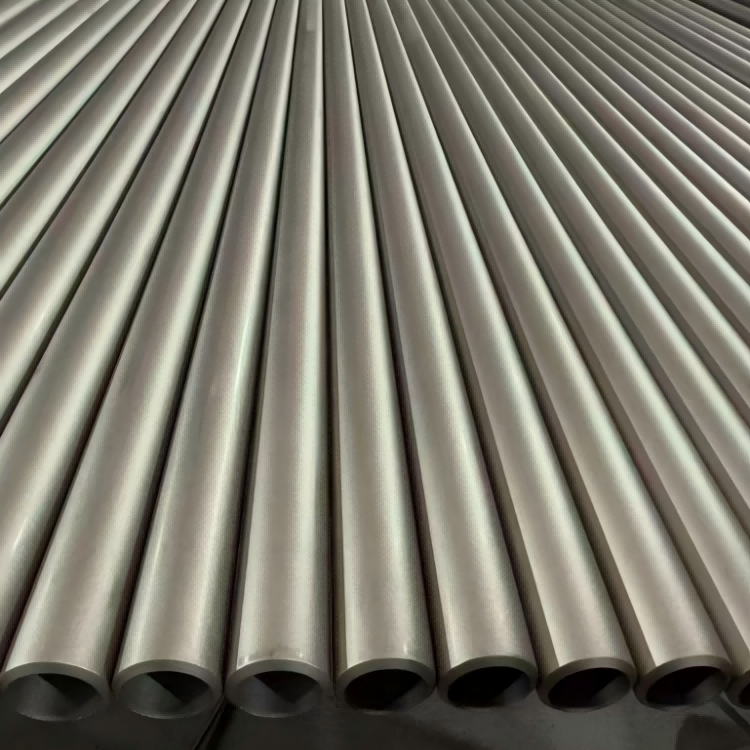
A twin-ferrule fitting is only as good as the tube it grips. Cut the tube square, deburr it inside and out, and keep the sealing zone free of scratches or ovality, because that's the surface the ferrule seals against. Good precision tube with tight OD tolerance and a smooth, hard-enough surface is essential: too soft and the ferrule over-penetrates, out of round and the seal leaks.
Make-up follows a set procedure. Bottom the tube against the shoulder in the body, snug the nut finger-tight, then turn it a specified amount past finger-tight, commonly about one and a quarter turns for typical sizes, which sets the ferrules. After tightening, a gap inspection gauge confirms the pull-up: it verifies the nut advanced far enough to set the ferrules properly. That one check catches undertightening before the system ever sees pressure.
| Step | Action | Purpose |
| Cut and deburr | Square cut, remove burrs | Clean sealing and gripping surface |
| Insert | Bottom tube in fitting body | Ensures full engagement |
| Finger-tight | Snug the nut by hand | Reference position for pull-up |
| Pull-up | Turn set amount past finger-tight | Sets both ferrules |
| Gauge | Check with inspection gauge | Confirms adequate tightening |
Twin-Ferrule Versus Single-Ferrule
Single-ferrule fittings use one ferrule to both seal and grip. They're simpler and can cost less, but that single part has to do two jobs at once, which can limit vibration resistance and consistency in hard service. Twin-ferrule designs split the tasks, so they generally do better under vibration, thermal cycling, and repeated remakes, and they forgive minor swings in tube hardness and surface finish. For critical instrumentation and high-pressure hydraulics, twin-ferrule is usually the pick; for lower-pressure utility connections, single-ferrule can be enough.
Material Choice and Corrosion Resistance
316 stainless steel is the standard for instrumentation fittings: its molybdenum content resists chlorides and general corrosion, and it matches 316 or 316L tube for galvanic compatibility. Keeping the fitting and tube in the same alloy avoids dissimilar-metal trouble at the connection and keeps the whole line consistent. In marine, offshore, and chemical settings that compatibility buys long service life. For especially aggressive chloride service you can step up to higher alloys, but 316 covers the bulk of instrumentation duties.
Quality Assurance from Tube to Fitting
Reliable connections start with reliable tube. Wenqiang produces precision 316 and 316L tube with tight OD and wall tolerances, checked by laser dimensional gauging, and confirms the alloy by positive material identification. Chemical, mechanical, and hydrostatic testing validate the tube, and EN 10204 3.1 or 3.2 material test certificates trace it back to the heat. Manufacturing follows ASTM A269 for general-service tube under an ISO 9001 system.
Pair correctly gauged tube with disciplined make-up and inspection and twin-ferrule compression fittings give you dependable, reusable, leak-tight connections that keep instrumentation and hydraulic systems accurate and safe. The physics is simple; it's the details, tube quality, preparation, and pull-up verification, that separate a joint you can trust from a nuisance leak.
Frequently Asked Questions
Q: How far should I tighten a twin-ferrule fitting?
A: Insert the tube fully, make the nut finger-tight, then turn it the specified amount past finger-tight, commonly about one and a quarter turns for typical sizes, and verify pull-up with an inspection gauge.
Q: Can twin-ferrule fittings be reused?
A: Yes; once the ferrules are set to the tube, the joint can be disconnected and remade many times by threading the nut back to its previous position, which supports maintenance and calibration.
Order gauged 316 precision tube for compression fittings from Zhejiang Wenqiang: +86 577 8922 2595 / https://www.chinawqsteel.com/

Copyright © 2026 Strongwin Stainless Steel Group Co., Ltd. All rights reserved. - Privacy Policy
 EN
EN
 Hot News