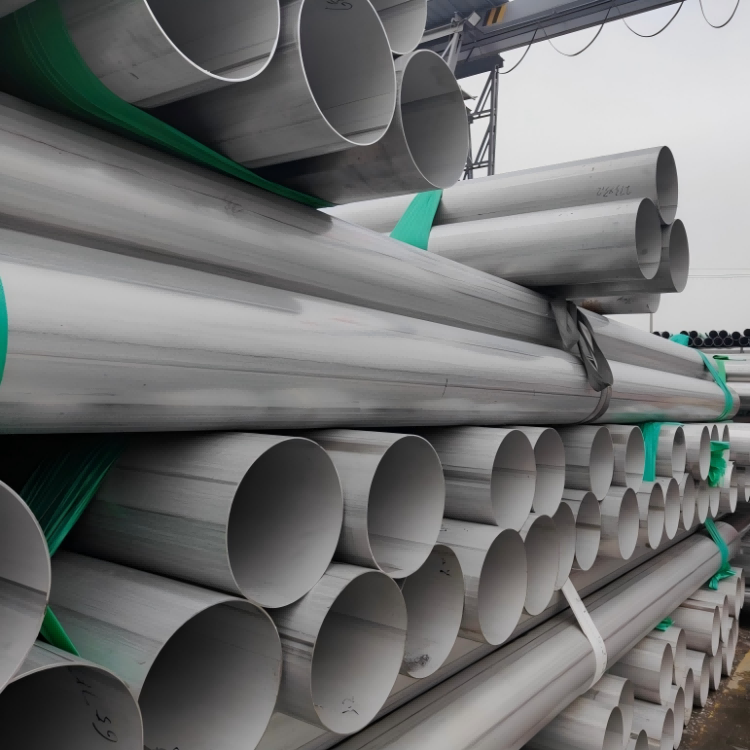
In late July 2026, US industry petitions set off antidumping (AD) and countervailing duty (CVD) proceedings on welded stainless steel pipe from India, Turkey, and the United Arab Emirates, with the US International Trade Commission (ITC) reviewing the cases and preliminary determinations expected around the end of August. For importers the practical consequence is risk: if preliminary duties land, US Customs and Border Protection (CBP) can require cash deposits on covered imports, and the importer of record, not the foreign seller, is the one legally on the hook. Anyone bringing welded stainless steel pipe into the United States needs to understand how AD/CVD works, what the scope covers, and how to document and diversify sourcing. This is a neutral, factual overview, not legal advice.
How AD/CVD Proceedings Work
Antidumping and countervailing duties are two separate trade remedies that often run side by side. An antidumping case goes after goods sold into the US at less than fair value, below the price in the exporter's home market or below the cost of production. A countervailing case goes after goods that benefit from countervailable government subsidies. The two agencies split the work: the US Department of Commerce sets the margins of dumping or subsidization, and the ITC decides whether the domestic industry is materially injured.
It moves in stages. After petitions are filed, the ITC issues a preliminary injury determination and Commerce issues preliminary AD and CVD determinations, and that's usually when provisional duties, in the form of cash deposits, kick in. Final determinations come next; if both agencies affirm, an order issues and duties are collected, subject to later administrative reviews that can push the rates up or down.
The 2026 Timeline and Scope
Here, petitions were filed in late July 2026 covering welded stainless steel pipe from India, Turkey, and the UAE, with preliminary determinations expected around the end of August 2026. Trade-case timelines slip, so track the official ITC and Commerce dockets rather than trust secondhand dates.
Scope decides everything. Each order spells out exactly which products are covered, usually by product type, dimensions, grade families, and tariff classification codes. Welded stainless steel pipe of the described diameters and specifications from the named countries would be covered; seamless pipe, other product forms, or the same product from countries not named generally would not. Scope language is technical and sometimes fought over, so compare your exact product and its classification against the published scope line by line.
Cash Deposits and Importer Liability
The money side is worth dwelling on. Once preliminary duties apply, the importer of record posts cash deposits at the applicable rate on every covered entry. Those deposits are estimates. The final duty gets trued up during administrative reviews that can happen years later, and the importer stays liable for any shortfall plus interest even if the rate climbs after the goods are sold.
That retroactive adjustment is the trap that catches newcomers. A business that priced its product off the preliminary deposit rate can be handed a much larger bill after a review. Liability sits with the importer of record no matter what the contract with the overseas seller says, so due diligence is a domestic job you cannot fully hand off.
Comparing the Two Remedies
| Feature | Antidumping (AD) | Countervailing (CVD) |
| Targets | Sales below fair value | Government subsidies |
| Rate based on | Dumping margin | Subsidy rate |
| Who is liable | Importer of record | Importer of record |
| Deposit timing | From preliminary determination | From preliminary determination |
Mitigation and Practical Steps
Importers have moves to make. The most durable is real supply diversification: buying covered products from countries not named in the proceedings, as long as the origin is genuine and documented, not the result of illegal transshipment. Origin has to reflect where the goods were actually made, backed by proper paperwork.
Documentation is the second pillar. Keep complete mill test certificates, production records, and certificates of origin that show where and how the pipe was made. Confirm the correct tariff classification with a qualified customs broker or trade counsel, and check your product against the order's scope language before you ship. Where there's real doubt about whether a product is covered, a formal scope ruling from Commerce clears it up.
Then price and contract for the risk. Build potential deposit requirements into landed-cost models, set out in the purchase contract who carries duty exposure commercially even though the importer of record carries it legally, and watch the official dockets so a rate change doesn't blindside you.
Inside your own shop, treat AD/CVD readiness as a standing process, not a one-time check. Give someone clear ownership of classification, origin verification, and docket monitoring, and keep a file for each product line that pairs the tariff classification with the reasoning behind it. Administrative reviews can reopen entries years after import, so hold mill test certificates, purchase records, and origin documentation well past the shipment date, ready to back up past declarations if anyone asks. When a product sits near the edge of an order's scope, paying for a formal ruling before large shipments move is far cheaper than fighting a contested entry later. None of this removes the underlying policy risk, but it means a rate change or an inquiry finds you prepared.
Sourcing With Confidence
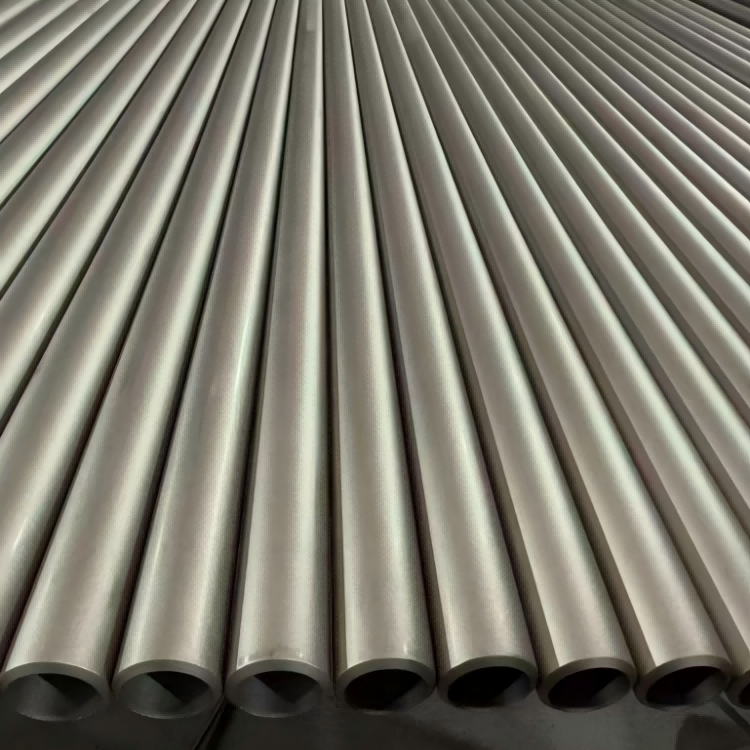
For buyers rethinking their supply base, the priority is a supplier who can prove origin and quality with paperwork that holds up under customs scrutiny. Wenqiang manufactures welded and seamless stainless steel pipe in Wenzhou, China, to standards including ASTM A312, A249, A928, and A790, and supplies EN 10204 3.1/3.2 mill test certificates, ISO 9001 quality documentation, and clear country-of-origin records. Complete, verifiable documentation doesn't decide a trade case on its own, but it's exactly what an importer needs to classify products correctly, back up origin, and manage AD/CVD exposure responsibly. For decisions specific to your entries, consult qualified customs counsel.

Frequently Asked Questions
Q1: Who pays antidumping duties on imported welded stainless steel pipe?
A: The importer of record is legally liable for the duties and cash deposits, regardless of contractual arrangements with the overseas seller.
Q2: Which countries are named in the 2026 welded stainless steel pipe case?
A: Petitions filed in late July 2026 cover welded stainless steel pipe from India, Turkey, and the UAE, with preliminary determinations expected around the end of August 2026.
Q3: Can duty rates change after I import?
A: Yes. Cash deposits are estimates; administrative reviews can raise or lower the final rate, and the importer remains liable for any shortfall plus interest.
Source welded stainless steel pipe with verifiable origin and full certification from Wenqiang: call +86 577 8922 2595 or visit https://www.chinawqsteel.com/

Copyright © 2026 Strongwin Stainless Steel Group Co., Ltd. All rights reserved. - Privacy Policy
 EN
EN
 Hot News