Introduction: Food Safety Starts with the Pipeline
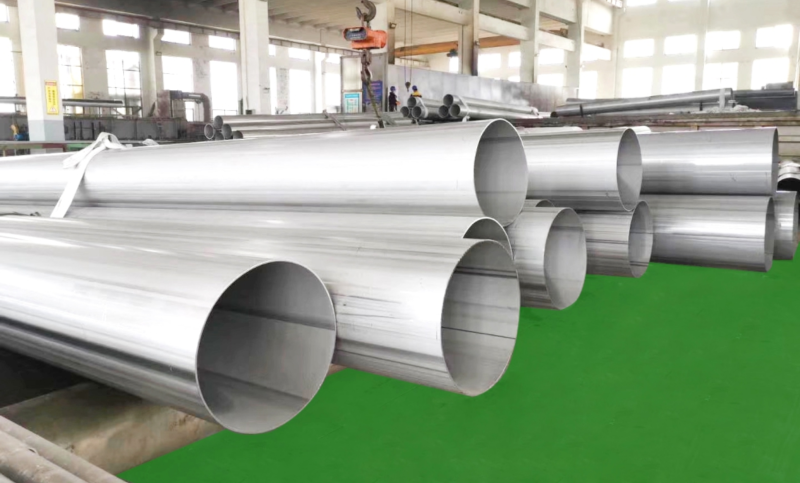
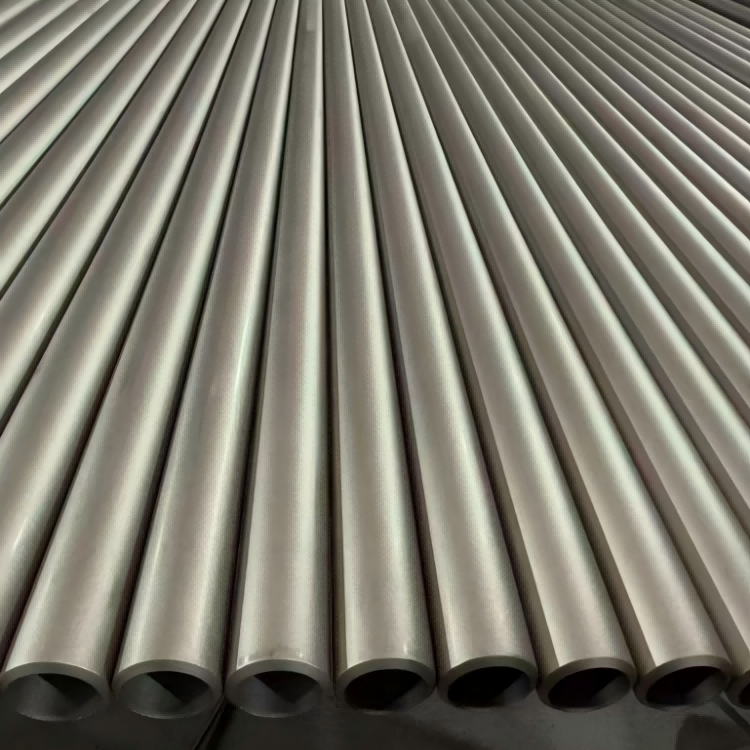
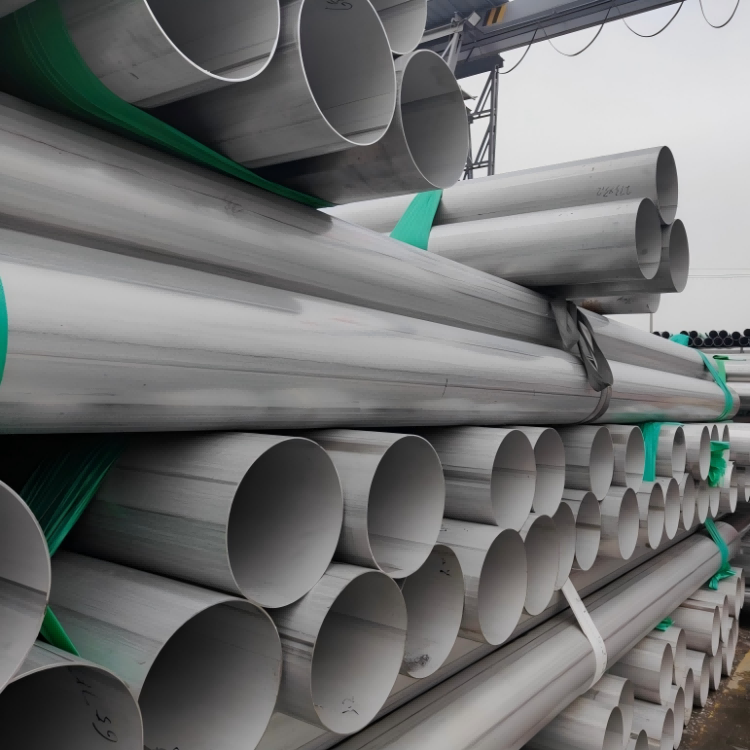
Food safety is paramount in modern manufacturing. In dairy, beverage, brewing, and condiment production lines, piping directly contacts raw materials and finished products. 304 stainless steel pipe has become the global standard for food-grade piping due to its excellent corrosion resistance, good formability, and cost-effectiveness. Wenqiang Stainless Steel supplies food-grade 304 pipes compliant with GB 4806.9, FDA 21 CFR 175.300, and EU Regulation 1935/2004.
Food Safety Properties of 304 Stainless Steel
304 stainless steel (UNS S30400, 1.4301) contains 18% chromium and 8% nickel. When exposed to food-contact media, its passivated Cr₂O₃ surface layer effectively prevents metal ion migration into food products.
Wenqiang's food-grade 304 pipes feature internal surface roughness of Ra ≤ 0.8μm (Ra ≤ 0.4μm after electropolishing), minimizing food residue adhesion and bacterial colonization, and facilitating CIP (Clean-In-Place) and SIP (Sterilize-In-Place) procedures.
Typical Applications in Food Processing
Dairy Industry: DN25-DN80 electropolished pipes for raw milk transport and pasteurization systems.
Beverage & Juice: DN15-DN50 mechanically polished pipes for blending and filling lines.
Brewing: DN25-DN100 passivated pipes for mashing, fermentation, and filtration.
Condiments: DN20-DN65 polished pipes for soy sauce and vinegar fermentation transport.
Edible Oils: DN25-DN80 degreased pipes for oil refining transport.
Surface Treatment & Hygiene Grades
The surface finish of food-grade stainless steel pipe directly determines its hygiene classification:
Frequently Asked Questions
Q1: Is 304 or 316L better for food piping?
A: 304 is sufficient for most food media (milk, juice, beer). Choose 316L when the media contains chlorides (soy sauce, brine) or when pH < 4, as 316L offers superior pitting corrosion resistance.
Q2: How long does food-grade stainless steel pipe last?
A: Under normal use and maintenance conditions, food-grade 304 stainless steel pipe has a service life of 15-20 years. Annual internal inspection is recommended.
Q3: What certifications can Wenqiang provide?
A: Wenqiang provides ISO 9001 certificates, Mill Test Certificates (MTC/EN 10204 3.1), FDA compliance declarations, SGS/TÜV third-party test reports, and GB 4806.9 food contact material compliance reports.
Contact Us
Wenqiang Stainless Steel provides full-service support for food processors — from material selection to installation guidance. Food-grade 304/316L pipes in stock. Call +86 577 8922 2595 for quotation.

Copyright © 2026 Strongwin Stainless Steel Group Co., Ltd. All rights reserved. - Privacy Policy
 EN
EN
 Hot News