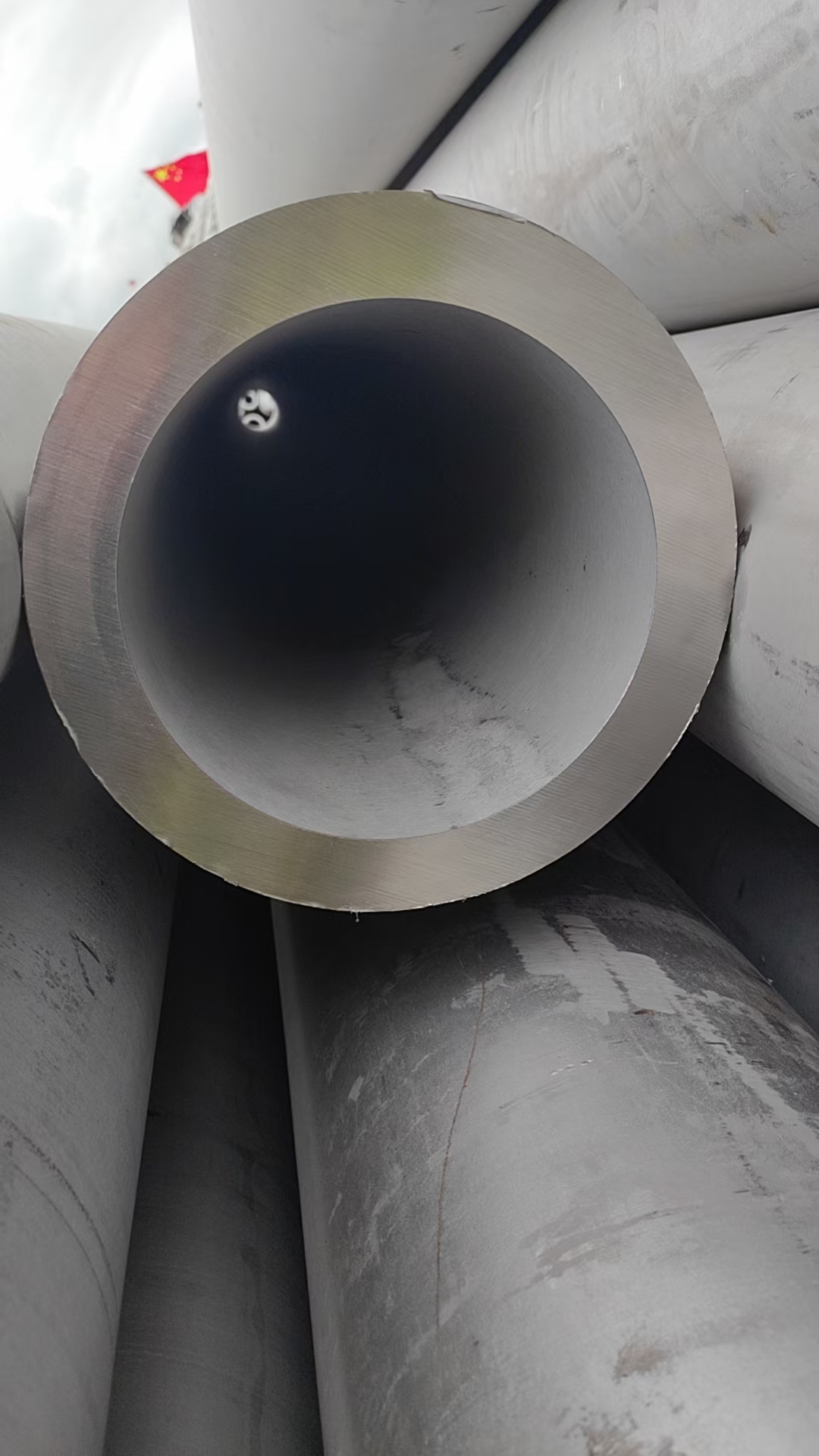
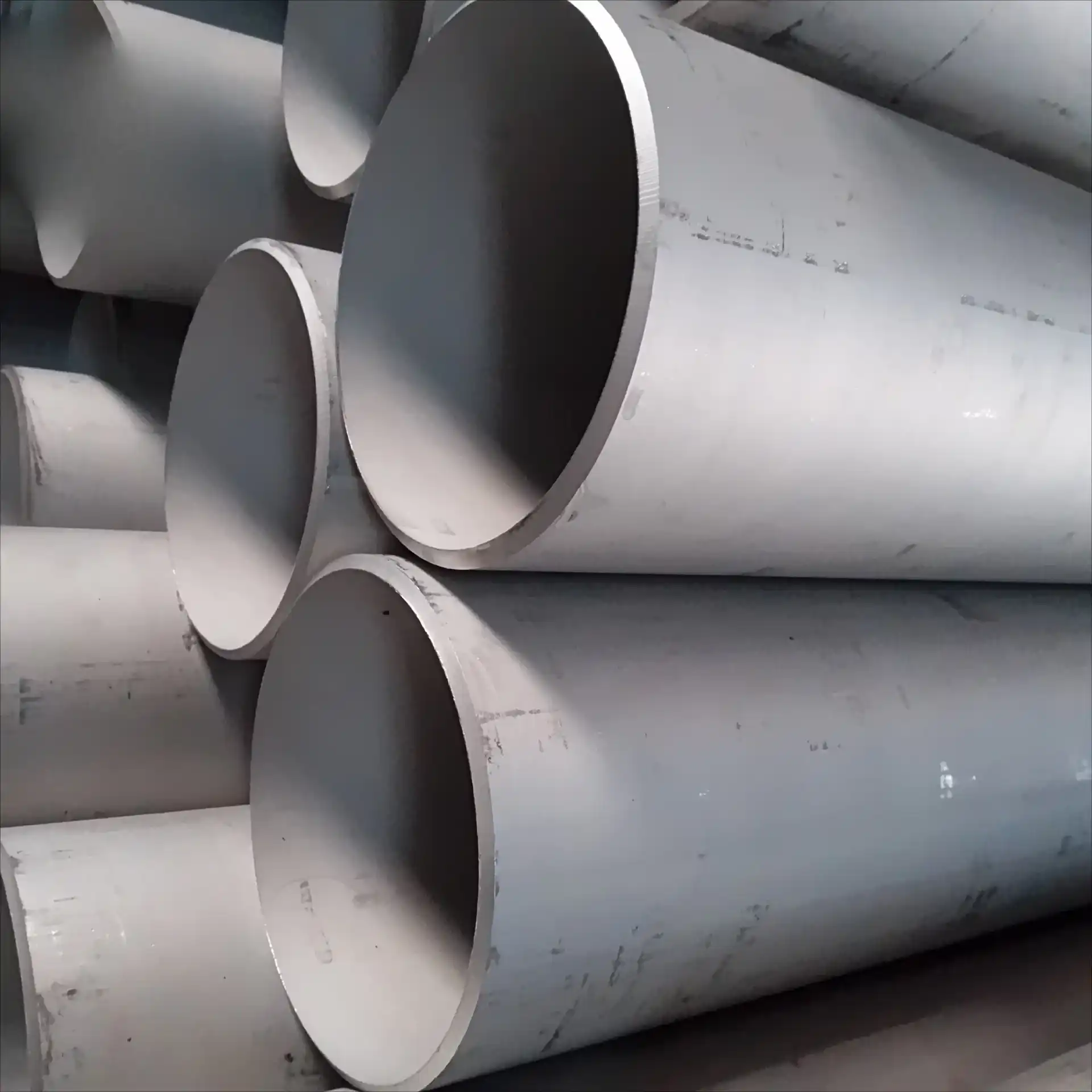
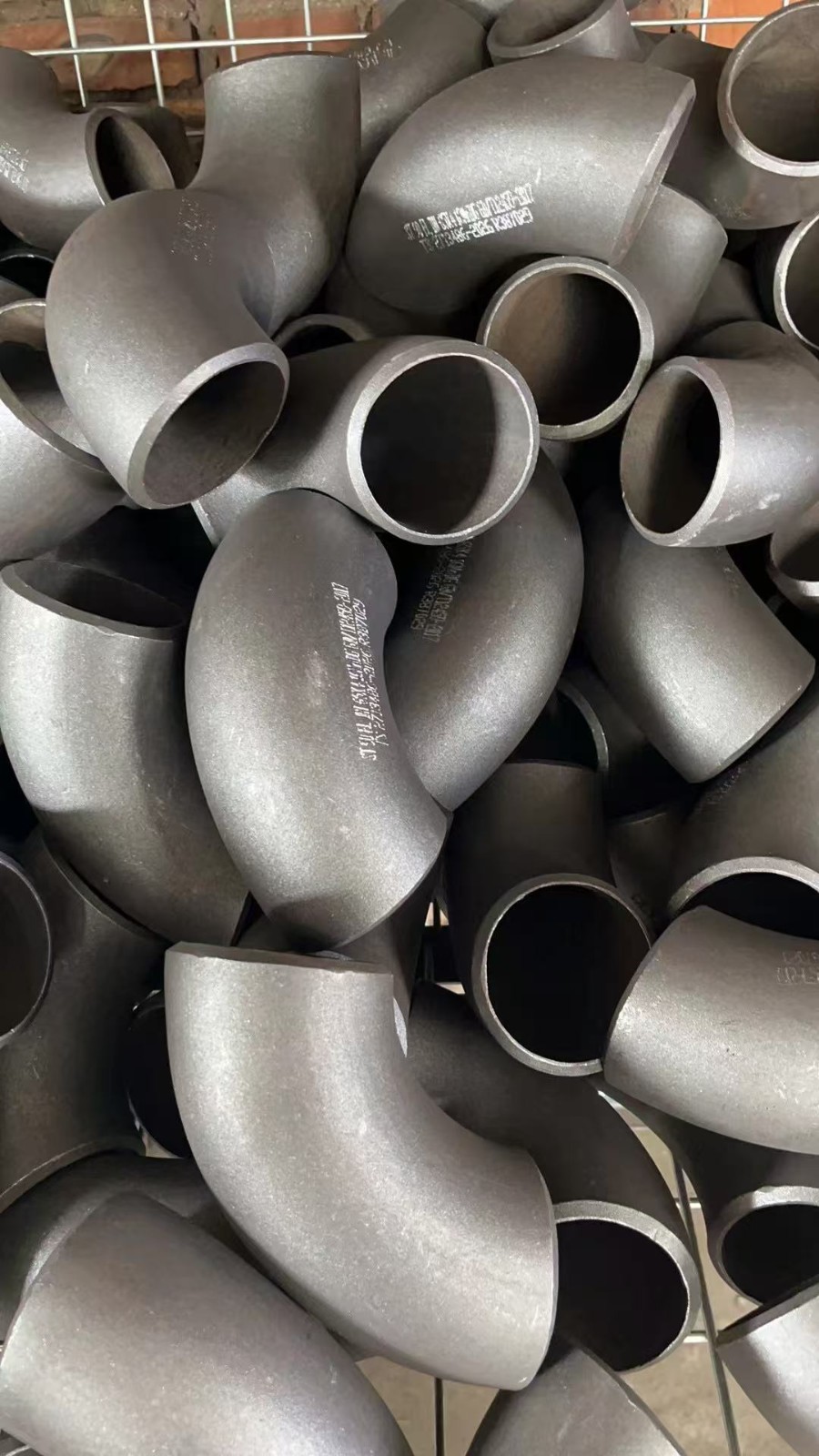
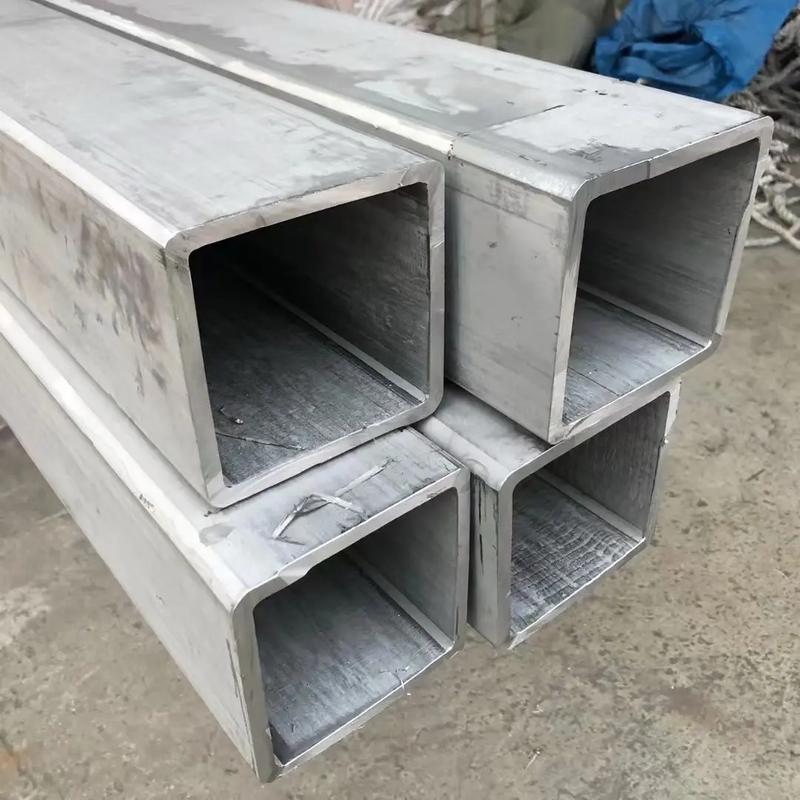
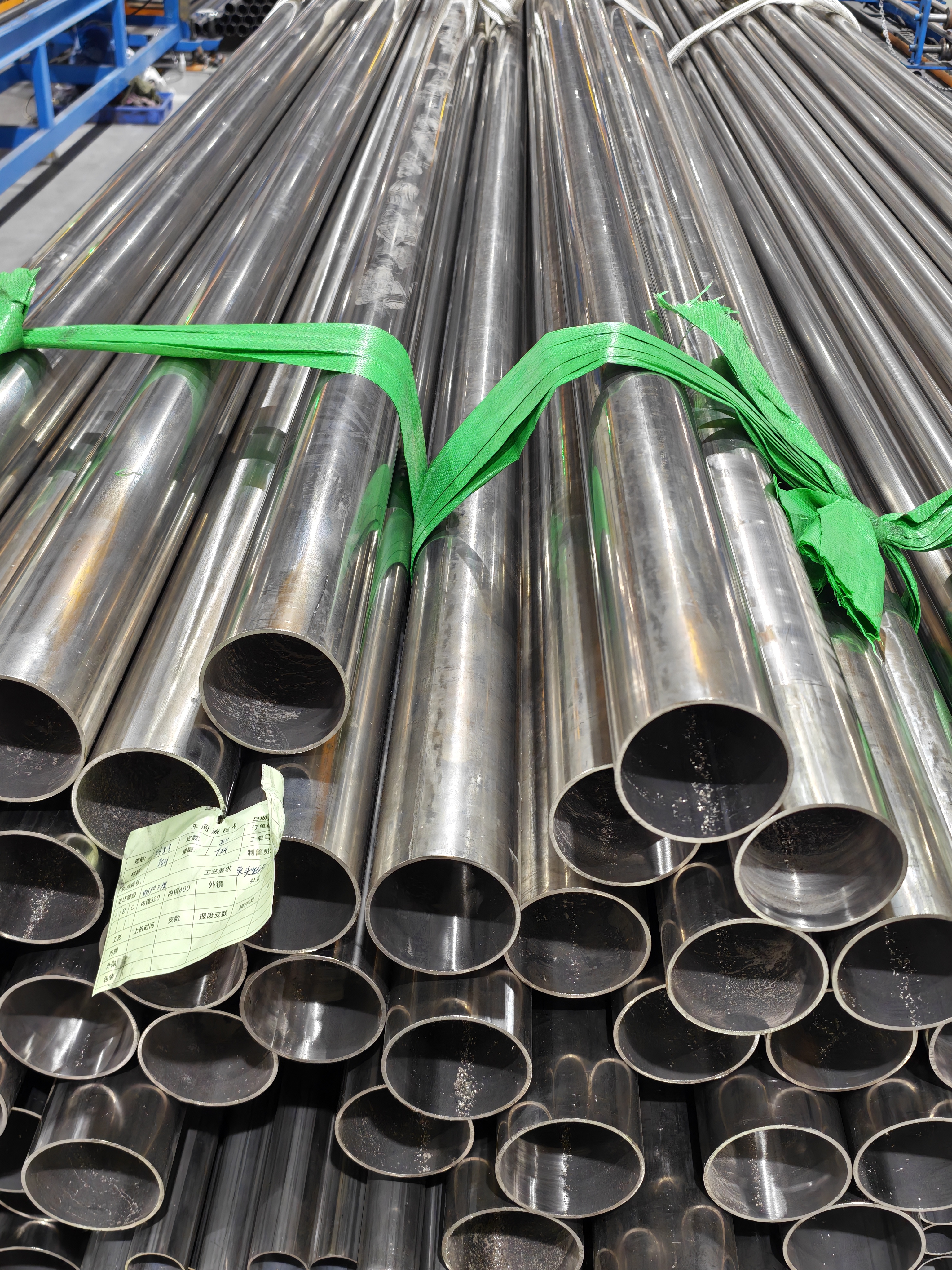
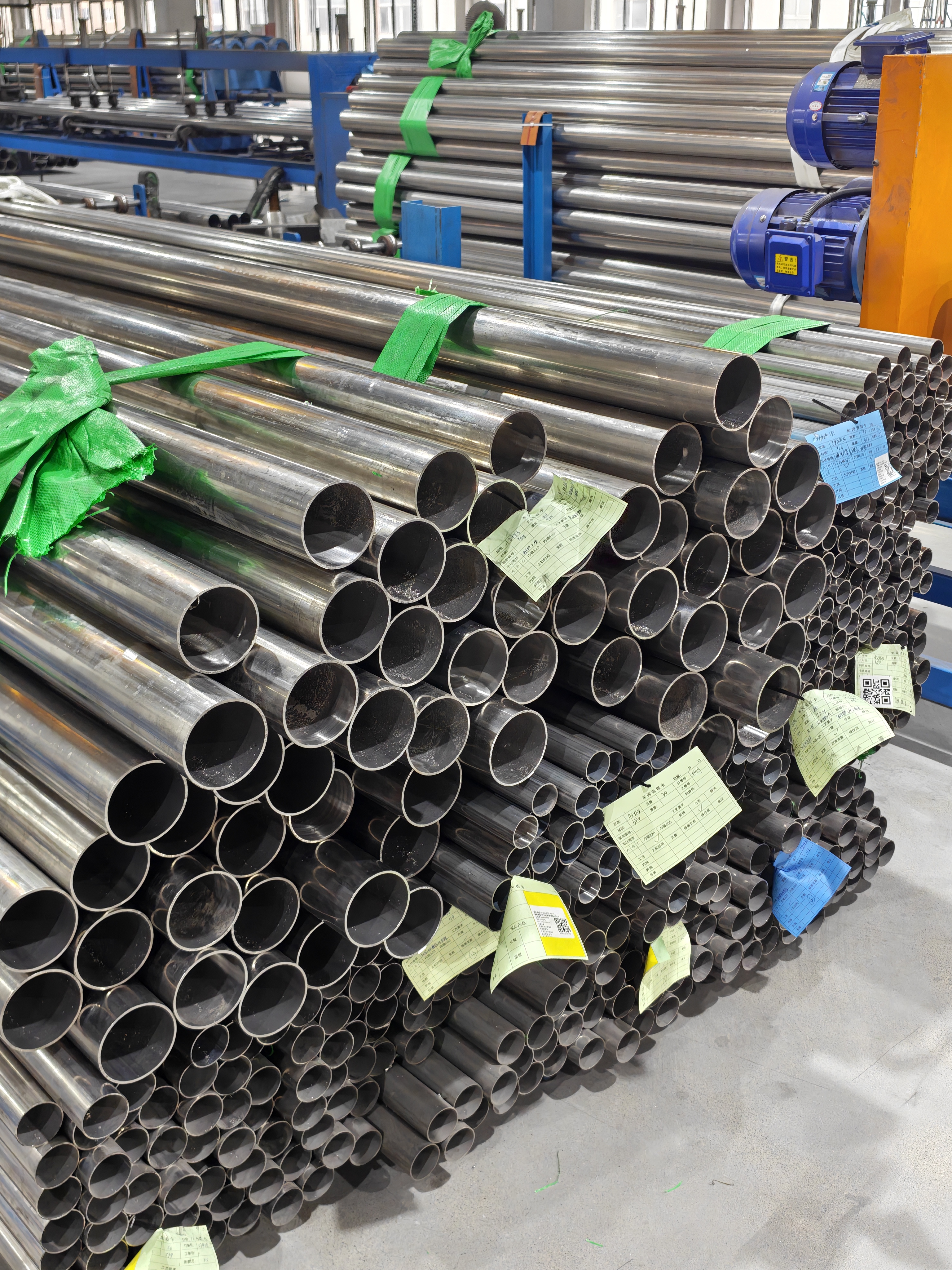
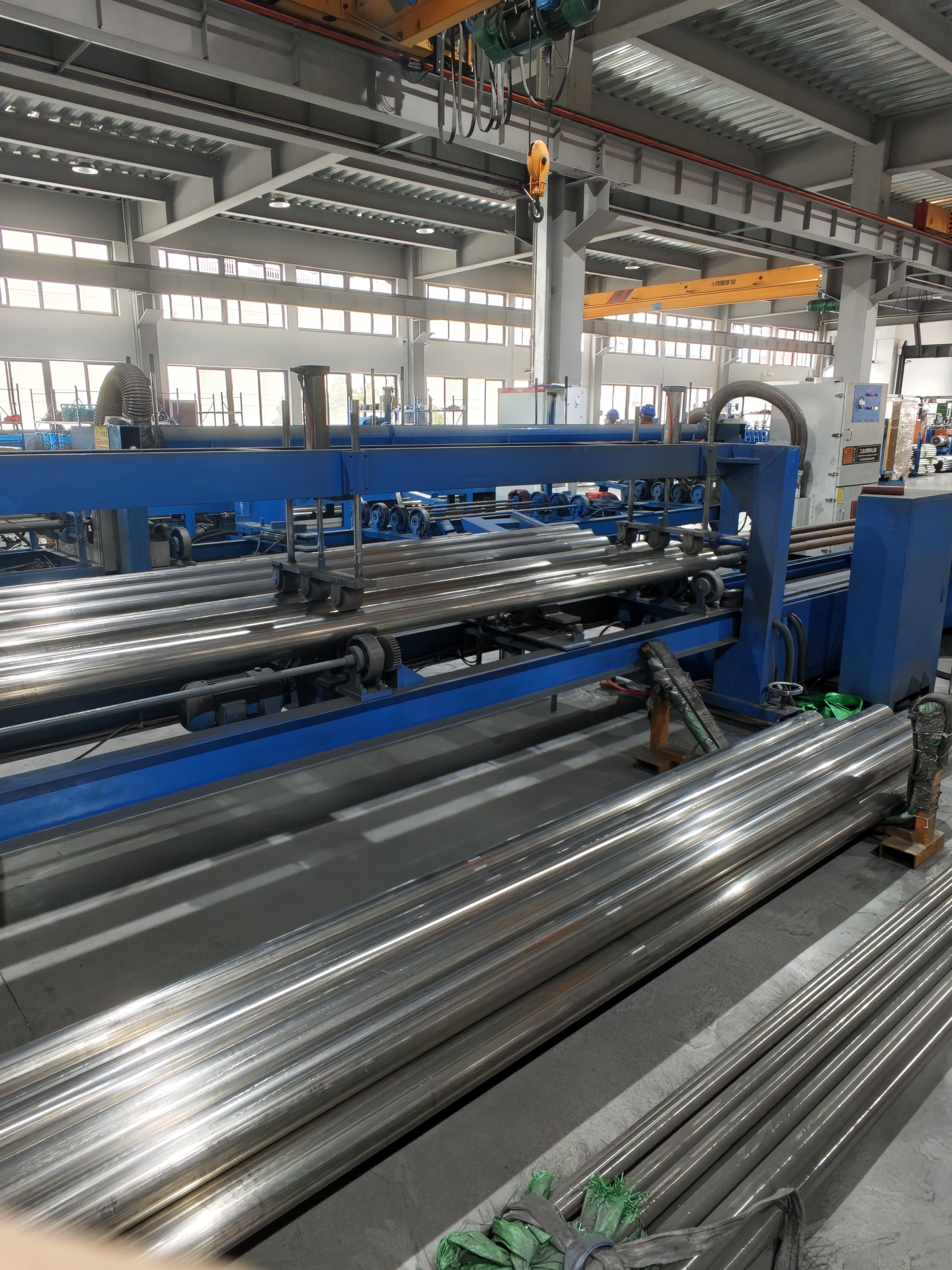
303 Steel: Premium Stainless Steel with Superior Machinability and Corrosion Resistance

All Categories

Get a Free Quote

Our representative will contact you soon.
Email
Mobile/WhatsApp
Name
Company Name
Message
0/1000

303 steel

303 steel represents a premium austenitic stainless steel grade that combines exceptional machinability with reliable corrosion resistance properties. This specialized alloy belongs to the 300 series stainless steel family and incorporates sulfur and phosphorus additions that significantly enhance its machining characteristics. The material maintains the fundamental corrosion resistance of standard austenitic stainless steels while offering superior cutting performance during manufacturing processes. 303 steel contains chromium content ranging from 17 to 19 percent, nickel content between 8 to 10 percent, and carefully controlled sulfur additions of approximately 0.15 percent minimum. These compositional elements create a material that machines easily without compromising structural integrity or environmental resistance. The technological features of 303 steel include excellent work hardening properties, non-magnetic characteristics in the annealed condition, and remarkable dimensional stability throughout processing operations. Manufacturing facilities utilize 303 steel extensively for precision components requiring tight tolerances and smooth surface finishes. The material exhibits outstanding performance in automated machining centers, reducing tool wear and extending cutting tool life significantly. Applications span diverse industries including automotive components, instrumentation parts, valve stems, pump shafts, and electronic hardware. Food processing equipment manufacturers frequently specify 303 steel for components exposed to cleaning chemicals and moisture. Medical device applications benefit from the material's biocompatibility and sterilization resistance. Aerospace applications utilize 303 steel for non-critical structural components where machinability takes precedence over maximum strength requirements. The material processes effectively through various manufacturing methods including turning, milling, drilling, and threading operations. Cold forming applications achieve excellent results with 303 steel, particularly for fasteners and precision hardware. Heat treatment options provide flexibility for optimizing mechanical properties based on specific application requirements, making 303 steel a versatile choice for demanding manufacturing environments.

New Products

303 steel delivers exceptional machining performance that translates directly into reduced manufacturing costs and improved production efficiency for businesses. The enhanced machinability characteristics allow cutting tools to operate at higher speeds while maintaining precision, resulting in faster cycle times and increased throughput. Manufacturing operations experience significant cost savings through extended tool life, as the sulfur additions in 303 steel create favorable chip formation that reduces cutting tool wear. Production managers appreciate the consistent surface finishes achievable with 303 steel, eliminating secondary finishing operations in many applications. The material machines cleanly without work hardening issues that plague other stainless steel grades, enabling continuous production runs without interruption. Quality control benefits from the dimensional stability of 303 steel during processing, ensuring consistent part dimensions across large production batches. The corrosion resistance properties provide long-term durability in challenging environments, reducing maintenance requirements and replacement costs for end users. Components manufactured from 303 steel maintain their appearance and functionality in humid conditions, chemical exposure, and temperature fluctuations. The non-magnetic properties of 303 steel make it ideal for electronic applications where magnetic interference must be minimized. Assembly operations proceed smoothly with 303 steel components due to their precise dimensions and consistent mechanical properties. The material accepts various surface treatments and coatings effectively, providing additional customization options for specific applications. Cold working capabilities enable complex forming operations without cracking or splitting, expanding design possibilities for engineers. Welding operations achieve reliable results with proper procedures, although the free-machining additions require consideration of welding parameters. The biocompatible nature of 303 steel ensures safe use in food contact applications and medical devices. Inventory management becomes simpler with 303 steel due to its wide availability and standardized specifications across suppliers. The material's proven track record in demanding applications provides confidence for critical component applications. Cost-effective procurement is possible due to the widespread production and availability of 303 steel from multiple sources worldwide.

Practical Tips

Strongwin Stainless Steel Group Achieves ISO 90012015 Certification and AD 2000 Merkblatt Approval

28

Feb

Strongwin Stainless Steel Group Achieves ISO 90012015 Certification and AD 2000 Merkblatt Approval

View More
Strongwin Stainless Steel Group Announces Major Production Capacity Expansion to Meet Growing Global Demand

11

Mar

Strongwin Stainless Steel Group Announces Major Production Capacity Expansion to Meet Growing Global Demand

View More
Strongwin Stainless Steel Group Announces Strategic Partnership with Leading European Engineering Firm

11

Mar

Strongwin Stainless Steel Group Announces Strategic Partnership with Leading European Engineering Firm

View More

Get a Free Quote

Our representative will contact you soon.
Email
Mobile/WhatsApp
Name
Company Name
Message
0/1000

303 steel

Superior Machinability Performance

Superior Machinability Performance

The outstanding machinability of 303 steel stems from carefully engineered sulfur additions that fundamentally transform the cutting characteristics of this austenitic stainless steel grade. These controlled sulfur inclusions create favorable chip formation during machining operations, allowing cutting tools to penetrate the material smoothly while generating manageable chip sizes that evacuate efficiently from the cutting zone. Manufacturing engineers consistently achieve faster cutting speeds with 303 steel compared to standard 300 series stainless steels, directly improving production rates and reducing per-part manufacturing costs. The enhanced machinability characteristics enable automated machining centers to operate at optimal parameters without frequent tool changes or speed reductions. Precision turning operations benefit enormously from the free-cutting properties of 303 steel, producing components with exceptional surface finishes that often eliminate secondary polishing or grinding operations. Threading applications achieve clean, precise threads with minimal tool wear, crucial for fastener manufacturing and precision mechanical assemblies. The material's response to drilling operations surpasses expectations, with clean hole formation and minimal burr generation that reduces deburring time and costs. Milling operations proceed efficiently with 303 steel, allowing complex geometries to be machined without excessive tool deflection or chatter issues. The consistent machining behavior of 303 steel enables manufacturers to establish reliable process parameters that remain stable across different material lots and suppliers. Quality control departments appreciate the predictable dimensional accuracy achievable with 303 steel components, reducing inspection time and scrap rates. Tool life extensions of 200 to 300 percent are commonly reported when switching from standard stainless steels to 303 steel in comparable applications. These machinability advantages translate into significant competitive benefits for manufacturers serving markets where precision, quality, and cost-effectiveness are paramount considerations for success.
Exceptional Corrosion Resistance

Exceptional Corrosion Resistance

303 steel maintains robust corrosion resistance properties despite the machinability enhancements, providing reliable protection against environmental degradation in diverse operating conditions. The chromium content of 17 to 19 percent forms a protective passive oxide layer that automatically repairs itself when damaged, ensuring continued corrosion protection throughout the component's service life. This passive layer effectively resists atmospheric corrosion, moisture exposure, and many chemical environments commonly encountered in industrial applications. Food processing operations rely on 303 steel's resistance to organic acids, cleaning solutions, and sanitizing chemicals while maintaining hygienic surface conditions. The material demonstrates excellent performance in marine environments where salt spray and humidity create challenging conditions for metallic components. Automotive applications benefit from 303 steel's resistance to road salts, automotive fluids, and weather exposure while maintaining dimensional stability over extended service periods. Chemical processing industries utilize 303 steel for components exposed to mild acids, alkaline solutions, and organic compounds where reliable corrosion resistance is essential. The uniform corrosion resistance of 303 steel prevents localized attack patterns that could compromise component integrity or create maintenance issues. Laboratory equipment manufacturers specify 303 steel for instruments exposed to various chemicals, knowing the material will maintain its properties and appearance over time. Outdoor applications appreciate the weather resistance of 303 steel, which maintains its structural integrity and aesthetic appearance despite continuous exposure to rain, snow, and temperature cycling. The corrosion resistance characteristics of 303 steel provide design flexibility for engineers who can specify thinner sections without compromising durability, enabling weight reduction and material cost savings. Maintenance schedules are simplified with 303 steel components due to their resistance to degradation, reducing downtime and replacement part inventories. The long-term reliability of 303 steel in corrosive environments provides peace of mind for critical applications where component failure could result in significant operational or safety consequences.
Versatile Manufacturing Applications

Versatile Manufacturing Applications

The remarkable versatility of 303 steel enables its successful application across numerous manufacturing sectors, from precision instrumentation to heavy industrial equipment. Automotive manufacturers utilize 303 steel for fuel system components, sensor housings, and decorative trim pieces where machinability, corrosion resistance, and aesthetic appeal converge. The material's non-magnetic properties make it indispensable for electronic enclosures, computer hardware, and telecommunications equipment where magnetic interference must be eliminated. Medical device manufacturers rely on 303 steel's biocompatibility and sterilization resistance for surgical instruments, implant components, and diagnostic equipment housings. Food processing operations specify 303 steel for conveyor components, mixing equipment, and packaging machinery where hygiene requirements and chemical resistance are critical. Aerospace applications benefit from 303 steel's lightweight properties and manufacturing ease for non-critical structural components, brackets, and fasteners. The material excels in valve manufacturing applications where precise threading, smooth operation, and corrosion resistance ensure reliable performance in fluid control systems. Pump and compressor manufacturers utilize 303 steel for shafts, impellers, and housing components that require precise machining and dimensional stability. Marine hardware applications take advantage of 303 steel's saltwater resistance for deck fittings, rigging components, and instrument housings. Construction industry applications include architectural hardware, building facades, and structural fasteners where appearance and durability are equally important. Laboratory equipment benefits from 303 steel's chemical resistance and precision manufacturing capabilities for analytical instruments, testing fixtures, and sample handling equipment. The material's cold forming characteristics enable efficient production of springs, clips, and retainers used throughout various industries. Heat exchanger applications utilize 303 steel for tubes and fittings where corrosion resistance and thermal conductivity combine effectively. Textile machinery manufacturers specify 303 steel for precision components that require smooth operation and resistance to processing chemicals. The broad application range of 303 steel demonstrates its value as a versatile engineering material capable of meeting diverse performance requirements across multiple industries and operating environments.

Get a Free Quote

Our representative will contact you soon.
Email
Mobile/WhatsApp
Name
Company Name
Message
0/1000