machining 303 stainless steel
Machining 303 stainless steel represents a premium choice for precision manufacturing applications requiring exceptional machinability and corrosion resistance. This austenitic stainless steel grade incorporates selenium as a key alloying element, which dramatically improves chip control and surface finish during machining operations. Machining 303 stainless steel delivers superior performance compared to standard stainless steel grades, making it ideal for complex component production.
The primary function of machining 303 stainless steel involves creating intricate parts that demand both dimensional accuracy and long-term durability in challenging environments. This material excels in applications where standard stainless grades struggle with chip formation and tool wear. Machining 303 stainless steel features excellent workability, allowing manufacturers to achieve tighter tolerances while reducing production time and tooling costs.
Technologically, machining 303 stainless steel incorporates enhanced sulfur and selenium content that creates built-in stress relief during the cutting process. This composition enables faster spindle speeds, deeper cuts, and extended tool life compared to conventional stainless alternatives. The alloy maintains robust corrosion resistance properties despite its optimized machinability characteristics.
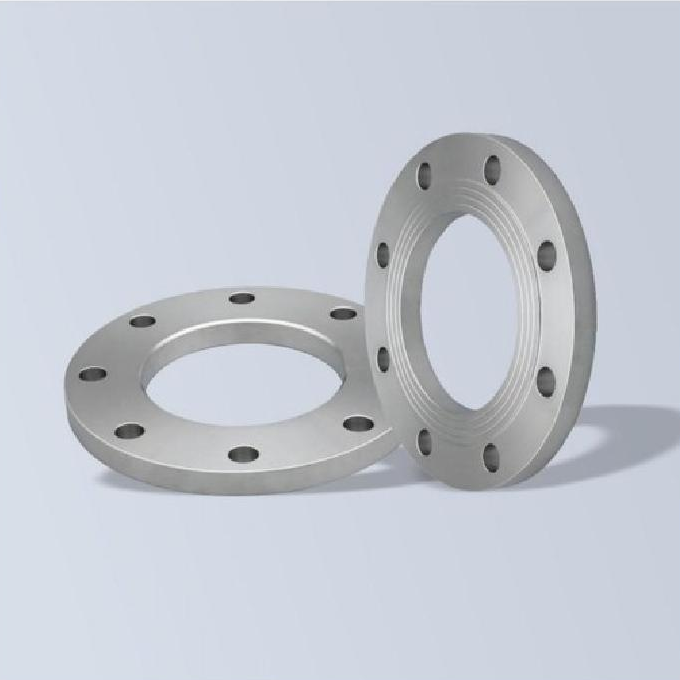
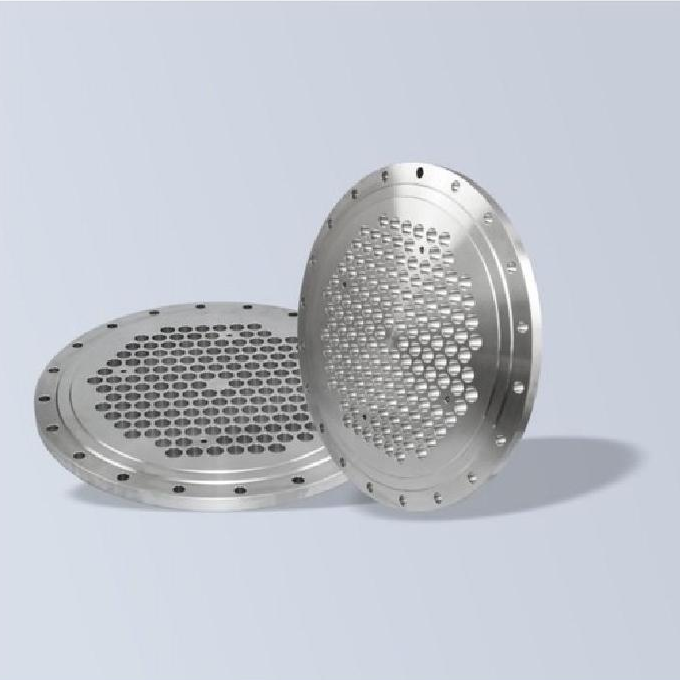
Applications for machining 303 stainless steel span across aerospace, automotive, medical device, and precision instrumentation industries. Components including fasteners, fittings, shafts, and valve bodies all benefit from this material's unique combination of workability and environmental resistance. Engineers consistently specify machining 303 stainless steel for projects requiring reliable performance in demanding operational conditions.
 EN
EN