316l chemical composition
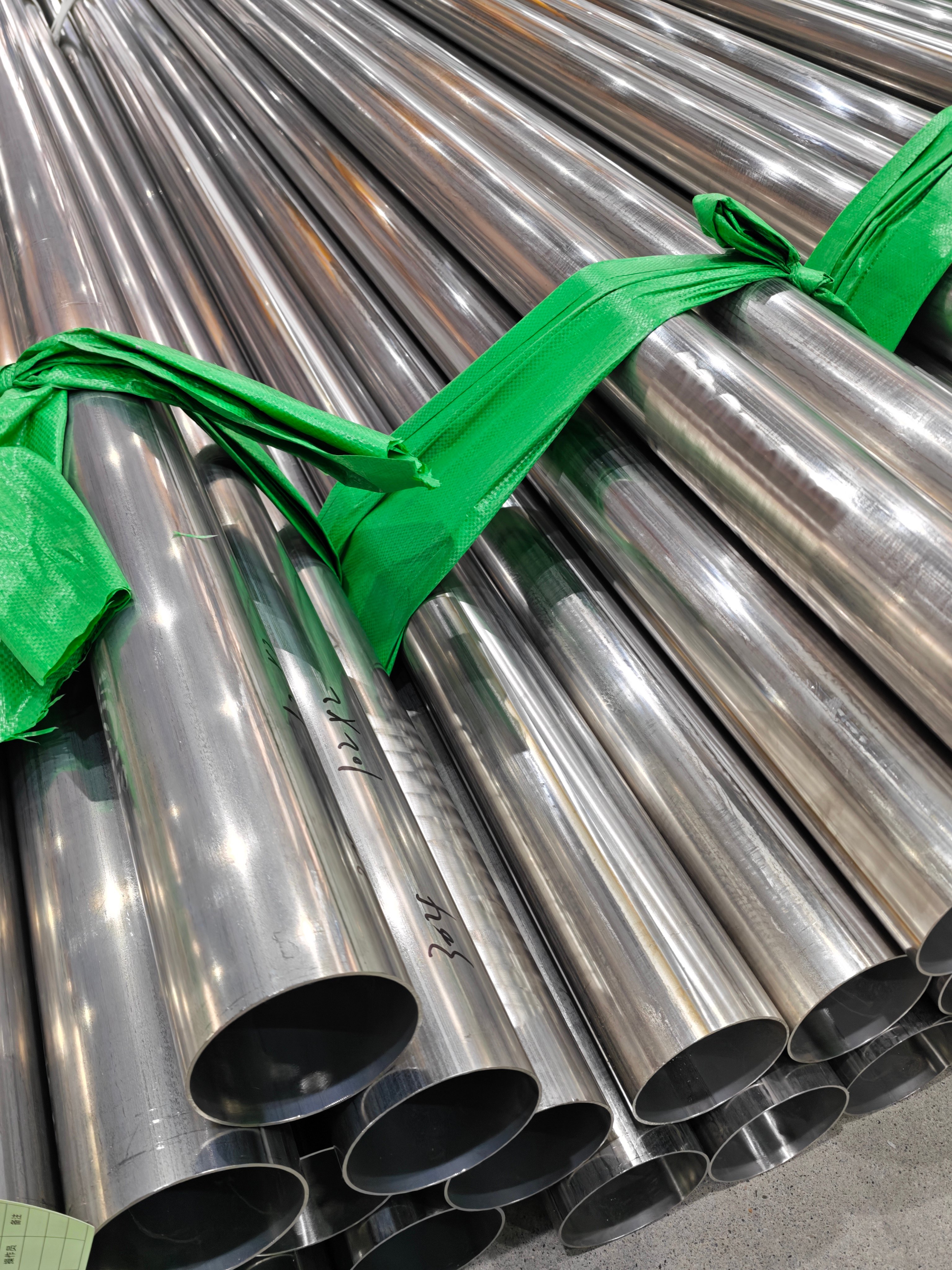
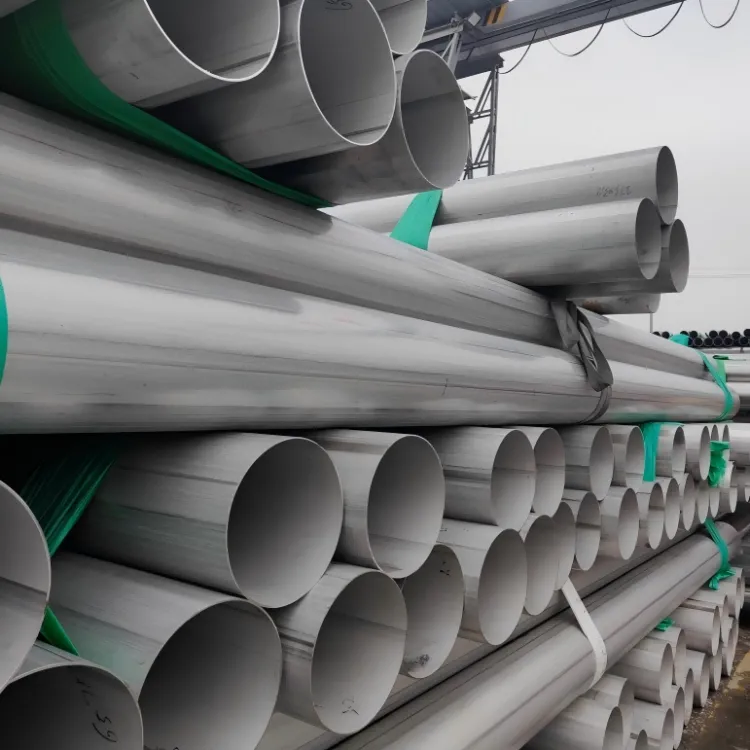
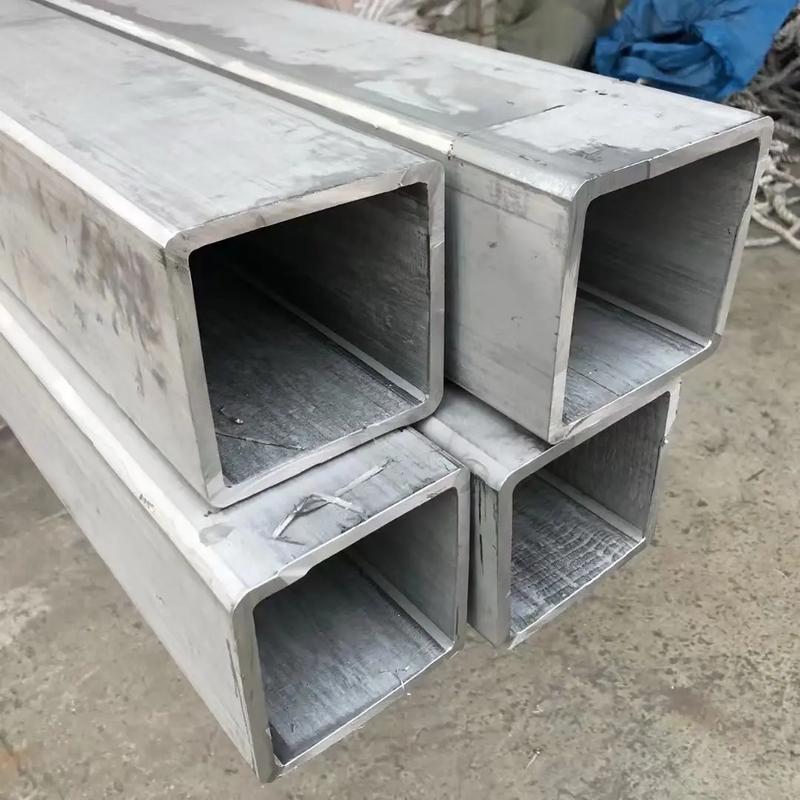
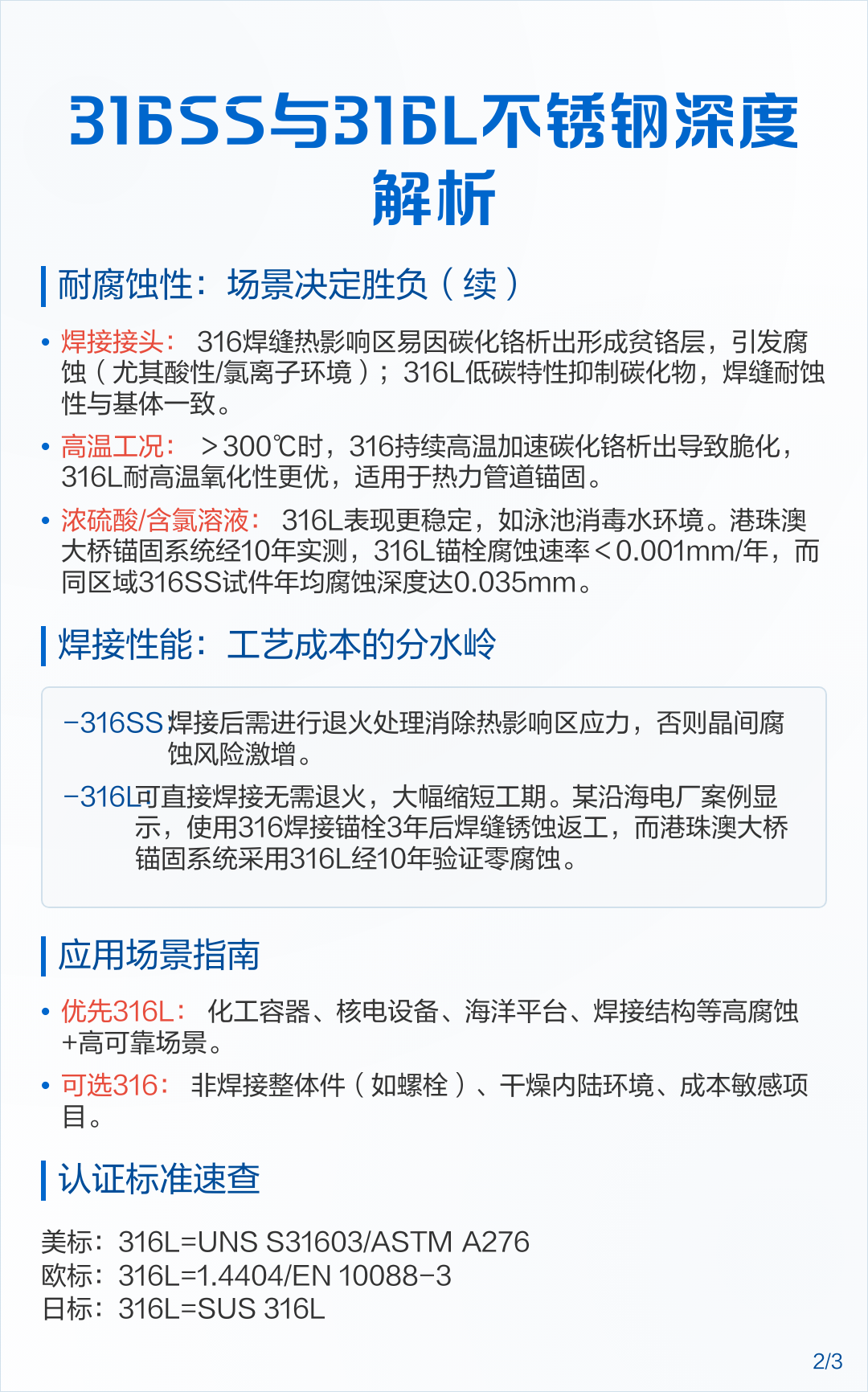
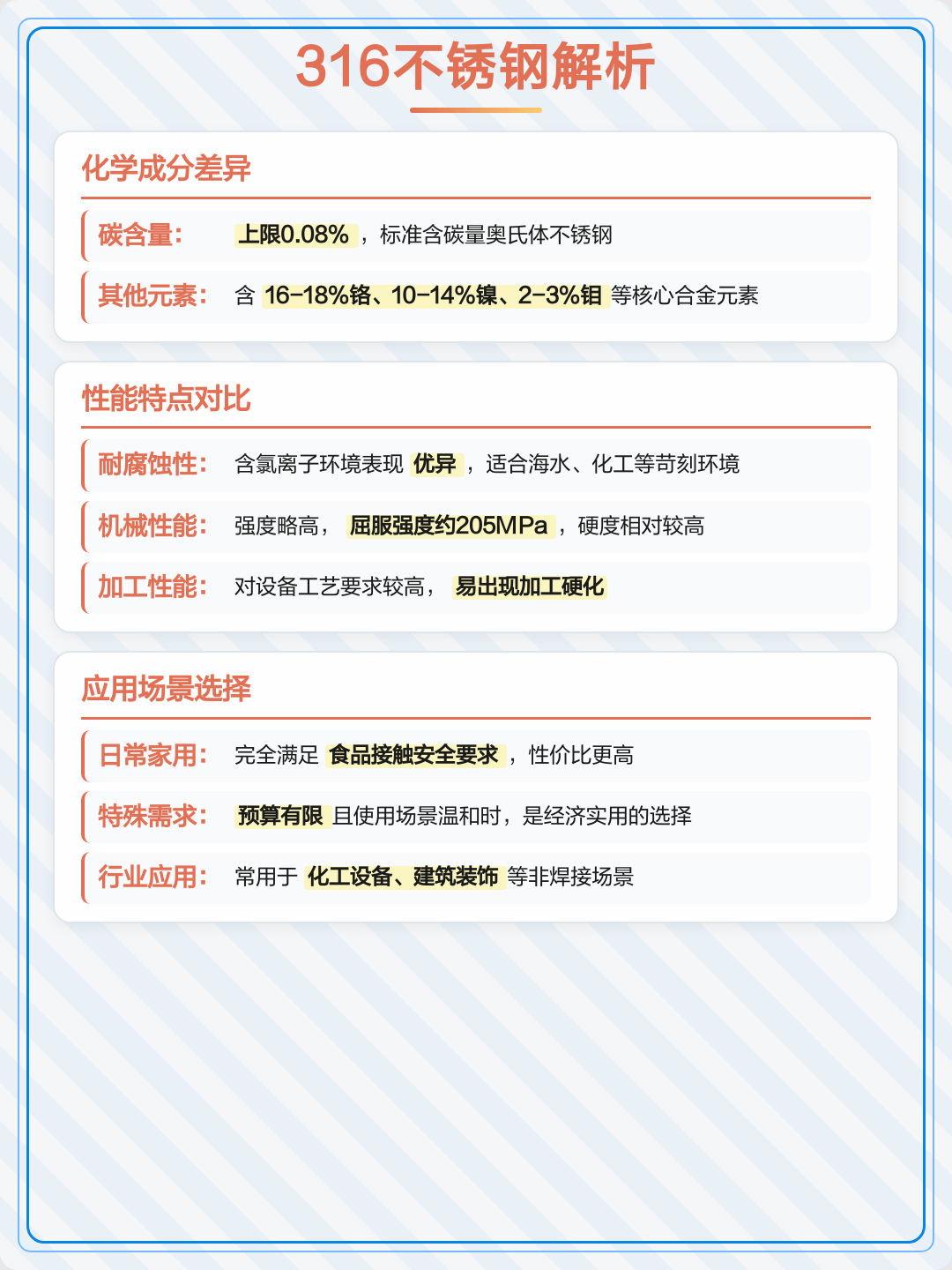
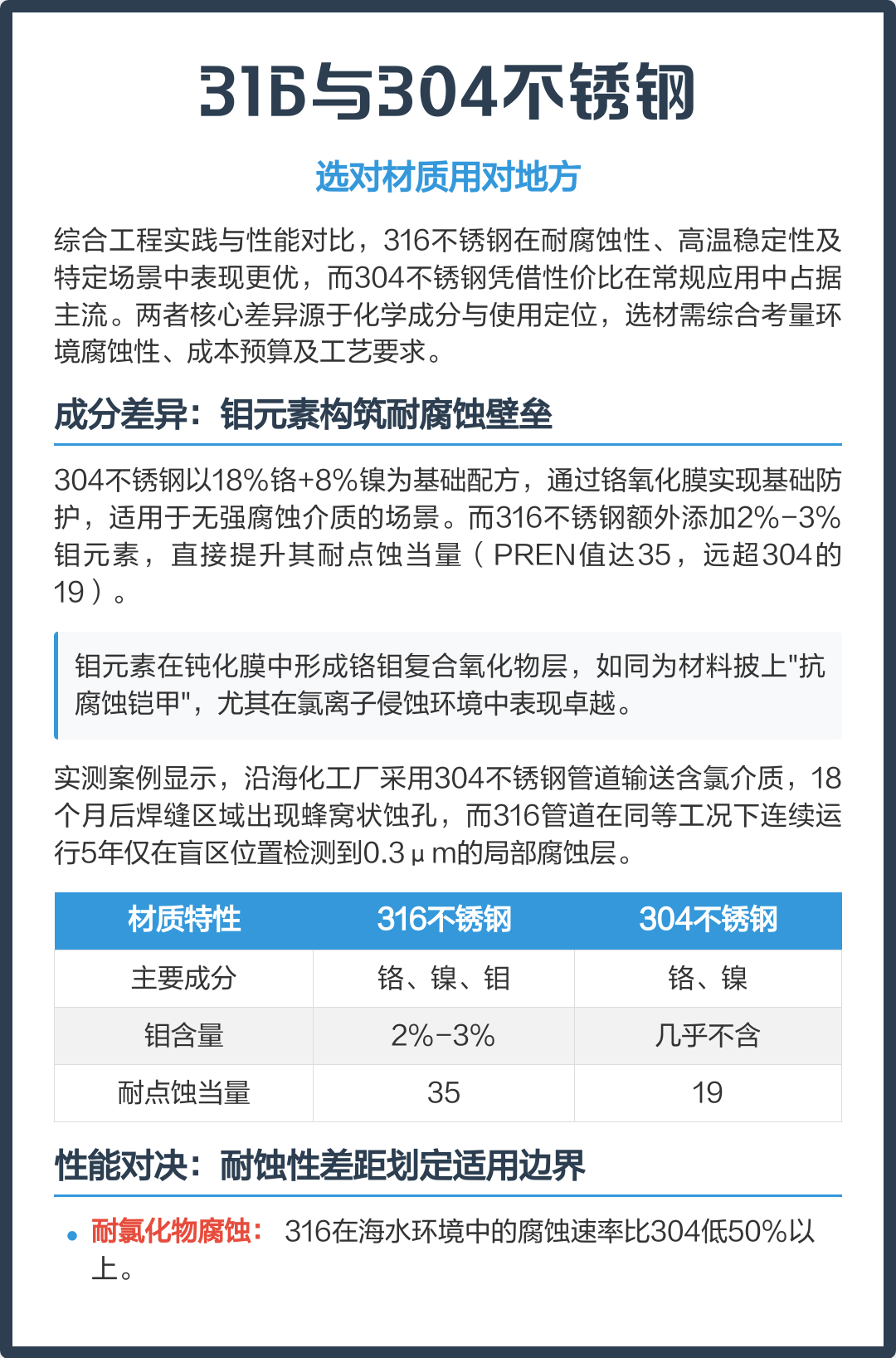
The 316L chemical composition represents a premium austenitic stainless steel grade designed for demanding industrial applications. This specialized 316L chemical composition features low carbon content, typically containing 16-18% chromium, 10-14% nickel, 2-3% molybdenum, and a maximum of 0.03% carbon. The 316L chemical composition delivers exceptional corrosion resistance, particularly in chloride environments and acidic conditions. The molybdenum element in the 316L chemical composition significantly enhances resistance to pitting and crevice corrosion, making it ideal for marine and chemical processing industries. The low carbon content in this 316L chemical composition prevents sensitization and intergranular corrosion, ensuring long-term structural integrity. The 316L chemical composition maintains excellent mechanical properties at elevated temperatures while resisting stress corrosion cracking. Its technological features include superior weldability without requiring post-weld heat treatment in most applications. The 316L chemical composition is particularly valuable in pharmaceutical manufacturing, desalination plants, petrochemical facilities, and offshore platforms. Industrial engineers and procurement specialists select the 316L chemical composition for applications demanding both reliability and extended service life. The composition's versatility allows fabrication into sheets, tubes, bars, and fasteners while maintaining consistent performance characteristics throughout all forms.
 EN
EN